
Guide to Backup Generator Remote Monitoring System
Power outages can cause direct financial losses and operational risks for businesses. As a critical component for ensuring continuous power supply, the operating condition of a backup generator directly determines whether a company can maintain normal operations during a blackout. Traditional manual inspection methods often suffer from slow response times, high labor costs, and limited coverage, making them increasingly unsuitable for modern asset management requirements. The development of remote monitoring technology now allows businesses to monitor generator performance in real time through sensors and cloud-based internet platforms, identify potential faults in advance, optimize maintenance planning, and significantly reduce operational costs. In this blog, you will learn how generator remote monitoring systems improve power reliability by exploring their working principles, practical benefits, industry applications, and key technology considerations.
Why Backup Power Systems Need Remote Monitoring?
Before discussing the technical details of remote monitoring systems, it is important to understand why backup power systems require remote monitoring in the first place. The answer lies in the direct impact of power outages on business operations and the inherent limitations of traditional generator management methods in terms of response speed, cost control, and operational visibility.
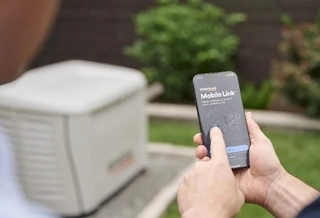
1. Direct Impact of Power Outages on Business Operations
Power interruptions occur without warning. Whether it is a remote mining site, a hospital life-support system, or a telecommunications tower in a storm-prone region, continuous power is essential for maintaining operations. When utility power fails, backup generators must immediately start and provide emergency electricity. If the generator fails at a critical moment, businesses may face equipment damage, data loss, production downtime, or even threats to human safety. Ensuring that backup generators remain fully operational at all times is therefore a fundamental requirement for any operation that depends on continuous power availability.
2. Limitations of Traditional Generator Management
In the past, generator maintenance mainly relied on manual inspection. Technicians had to travel to the site periodically to check fuel levels, oil condition, battery voltage, and other operating parameters. This approach has several clear disadvantages. First, inspection intervals are relatively long, meaning unexpected failures may occur between visits. Second, remote installations require extensive travel time and additional labor expenses. Third, manual inspections only provide a snapshot of equipment condition at a specific moment and cannot capture the generator’s full operating history during unattended periods. As industrial assets become more geographically distributed, traditional management methods can no longer meet the efficiency requirements of modern operations.
Basic Working Principle of a Remote Monitoring System
After understanding the need for remote monitoring, the next step is to examine how the technology works. From sensor-based data collection to communication network transmission and cloud-platform visualization, remote monitoring systems combine several technologies into one integrated operational management solution.
1. How Sensors Collect Critical Data
The core of a remote monitoring system is a network of sensors installed on the generator. These sensors continuously collect critical operating parameters, including fuel level, oil pressure, battery voltage, engine temperature, load output, engine speed, and total running hours. Temperature sensors monitor overheating conditions, fuel sensors track remaining fuel, voltage and current sensors measure power stability, while runtime sensors record equipment usage cycles. Together, these inputs create a complete operational profile of the generator.
2. How Data Is Transmitted to the Monitoring Platform
The raw data collected by sensors is transmitted through control modules and communication systems to a secure online monitoring platform. Depending on site conditions, communication methods may include wired networks, wireless cellular connections, or satellite communication. Data transmission is encrypted to ensure information security. Authorized users can access generator data remotely through computers, tablets, or smartphones from virtually any location with internet connectivity. This architecture eliminates geographical limitations and allows multiple generators across different sites to be centrally managed.
3. Core Functions of the Monitoring Platform
The monitoring platform converts raw operational data into intuitive visual information. Users can view the real-time status of each generator through a dashboard interface, including load percentage, fuel efficiency, operating temperature trends, and total running hours. The platform also records fault history and alarm frequency to support maintenance planning. In advanced configurations, operators can remotely start, stop, or reset generators and perform online diagnostic testing according to predefined security protocols.
Practical Value of Remote Monitoring Systems
Remote monitoring systems provide measurable operational benefits through predictive maintenance, fault warning, historical data analysis, remote management, and enhanced equipment security.
1. Predictive Maintenance and Fault Alerts
One of the most valuable functions of remote monitoring systems is early fault detection. Sensors continuously track operating conditions, and once any parameter exceeds its safe range, the system immediately sends alerts via SMS or email. Common alarms include low battery voltage, high engine temperature, low fuel level, oil pressure loss, and abnormal vibration. By identifying issues early, businesses can schedule maintenance before failures escalate, preventing costly damage and unplanned downtime while extending generator lifespan and reducing long-term maintenance costs.
2. Historical Data Analysis and Operational Optimization
In addition to real-time monitoring, the system stores long-term operational records. By analyzing historical data, businesses can identify usage patterns and optimize energy management strategies. For example, operators can detect abnormal fuel consumption, analyze load distribution to improve energy balance, or adjust operating schedules according to actual power demand. Data-driven decision-making helps reduce fuel costs, minimize equipment wear, and improve overall operational efficiency.
3. Remote Control and 24/7 System Management
Remote access capabilities allow operators to monitor generator systems around the clock without physically visiting the site. Through smartphones, tablets, or computers, users can check generator status and receive instant alerts at any time. In some system configurations, operators can even remotely start or stop generators. This real-time visibility reduces the need for manual inspections, saving both time and labor costs.
4. Equipment Security and Anti-Tampering Protection
Modern remote monitoring systems also include advanced equipment security features. If unauthorized personnel attempt to interfere with the generator, the system immediately triggers tamper alarms. Some systems support GPS tracking for mobile generators, allowing businesses to monitor equipment location in real time. Access logs and user authentication further ensure that only authorized personnel can operate the equipment, reducing the risk of theft, misuse, or accidental damage.
Industries That Require Generator Remote Monitoring
Different industries rely on backup power systems under different operating conditions. From remote mining operations and oil fields to hospitals, data centers, telecommunications sites, construction projects, manufacturing plants, and modern agricultural facilities, remote monitoring systems play a critical role in ensuring reliable power availability.
1. Mining and Oil & Gas Operations
Mining operations are often located in remote off-grid areas where generators serve as the primary power source. Remote monitoring systems allow operators to monitor generator performance across the entire site, track heavy-load equipment operation, optimize fuel logistics, and prevent unexpected shutdowns. In the oil and gas industry, where operations frequently take place in extreme environments, monitoring systems support predictive maintenance and ensure continuous operation under high-load conditions.
2. Healthcare Facilities and Data Centers
Hospitals have virtually zero tolerance for power interruptions. Backup generators support ICUs, operating rooms, and life-support systems, making continuous generator availability essential. Data centers also depend on uninterrupted power, as even a single outage can result in major financial losses and reputational damage. Remote monitoring systems help track load distribution, optimize fuel efficiency, and identify abnormal operating conditions before failures occur.
3. Telecommunications and Construction Sites
Telecommunications infrastructure is often distributed across remote locations. Remote monitoring eliminates the need for routine manual inspections, provides real-time fuel tracking, and enables rapid fault response. Construction sites face constantly changing power demands, and generators are frequently relocated or shared between projects. Monitoring systems help track generator usage, identify overloaded or idle equipment, and reduce fuel theft.
4. Manufacturing and Modern Agriculture
Manufacturing facilities depend on continuous power to maintain production line operations. Monitoring systems help detect performance decline early and schedule maintenance according to actual operating conditions, minimizing production downtime. Modern agriculture increasingly relies on automation, irrigation systems, and cold storage infrastructure. Remote monitoring ensures uninterrupted generator operation even when operators are not physically present on-site.
Six Key Reasons to Invest in Generator Remote Monitoring
- Reduced Unplanned Downtime: Real-time monitoring allows operators to identify abnormal temperature, voltage, or load conditions immediately. Remote diagnostics and intervention capabilities can help reduce unexpected downtime by approximately 30% to 50%.
- Lower Operating Costs: Monitoring systems transform operational data into actionable insights. Businesses can optimize fuel usage, reduce unnecessary maintenance visits, and minimize emergency repair expenses. Companies often achieve maintenance cost reductions of 20% to 40%, while predictive maintenance strategies may provide an additional 10% to 20% savings.
- Extended Equipment Lifespan: Continuous monitoring prevents generators from operating under prolonged overload or excessive runtime conditions, reducing mechanical stress and wear. Proper operational management directly contributes to longer equipment life and lower replacement costs.
- Centralized Multi-Site Management: A centralized monitoring platform allows businesses to manage generators across multiple locations through a unified dashboard. Automated reporting, customizable alarms, and role-based access control improve operational efficiency and support data-driven decision-making.
- Optimized Fuel Management: Fuel management features provide real-time visibility into fuel consumption, helping prevent waste and theft. By correlating fuel usage with load data, businesses can further optimize asset utilization.
- Improved Data-Driven Decision Making: Comprehensive operational records provide objective data for maintenance planning, procurement strategies, and operational improvements. Instead of relying on assumptions, businesses can make informed decisions based on actual equipment performance.
Conclusion
Generator remote monitoring systems have evolved from optional accessories into essential infrastructure for modern business operations. By combining IoT technology, sensor networks, and cloud-based monitoring platforms, businesses can continuously track backup power performance, prevent failures before they occur, optimize operational efficiency, and reduce total ownership costs. Regardless of company size, any organization that depends on uninterrupted power can benefit from investing in remote monitoring technology. As industrial monitoring technologies continue to advance, remote monitoring systems are becoming the standard solution for generator management, delivering more reliable and efficient power protection across multiple industries.
Send your message to this supplier
Related Articles from the Supplier
Related Articles from China Manufacturers


Guide to Non-Ferrous Metal Forging Process
- Nov 06, 2025

Guide to Aluminum Alloy Forging Technology
- Nov 13, 2025


Guide to Liquid Die Forging Technology
- May 20, 2025

Guide to Nickel-Based Alloy Open Die Forging
- Dec 09, 2025
Related Products Mentioned in the Article

Supplier Website
Source: https://genset-generator-suppliers.com/news/guide-to-backup-generator-remote-monitoring-system.html