The energy industry encompasses the extraction, production, generation, transmission, distribution, and sale of power resources used to fuel economic activity and societal functions. It is a fundamental pillar of the global economy, divided into two primary sectors: non-renewable energy (fossil fuels) and renewable energy. Its scope spans from upstream resource exploration to downstream electricity delivery and retail energy services.
Primary Energy Sources:
Non-Renewables: Crude oil, natural gas, coal, nuclear fuel (uranium).
Renewables: Solar energy, wind energy, hydropower, geothermal energy, biomass/biofuels, marine energy (tidal, wave).
Secondary Energy Carriers & Infrastructure:
Electricity: Generated from all primary sources and delivered via grids.
Refined Products: Gasoline, diesel, jet fuel, heating oil, lubricants.
Infrastructure: Power plants (thermal, renewable, nuclear), refineries, pipelines, transmission lines, substations, charging networks, LNG terminals.
Decarbonization and Energy Transition: Accelerated deployment of wind, solar, and battery storage; development of green hydrogen and carbon capture, utilization, and storage technologies.
Digitalization and Smart Grids: Integration of IoT sensors, AI, and advanced metering infrastructure for grid optimization, demand response, predictive maintenance, and improved resilience.
Electrification of End-Use Sectors: Rapid growth in electric vehicles, heat pumps, and industrial electrification, increasing electricity demand and requiring grid modernization.
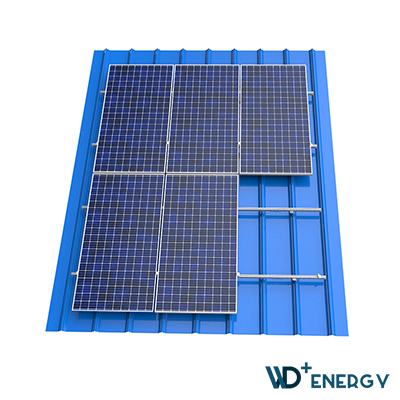
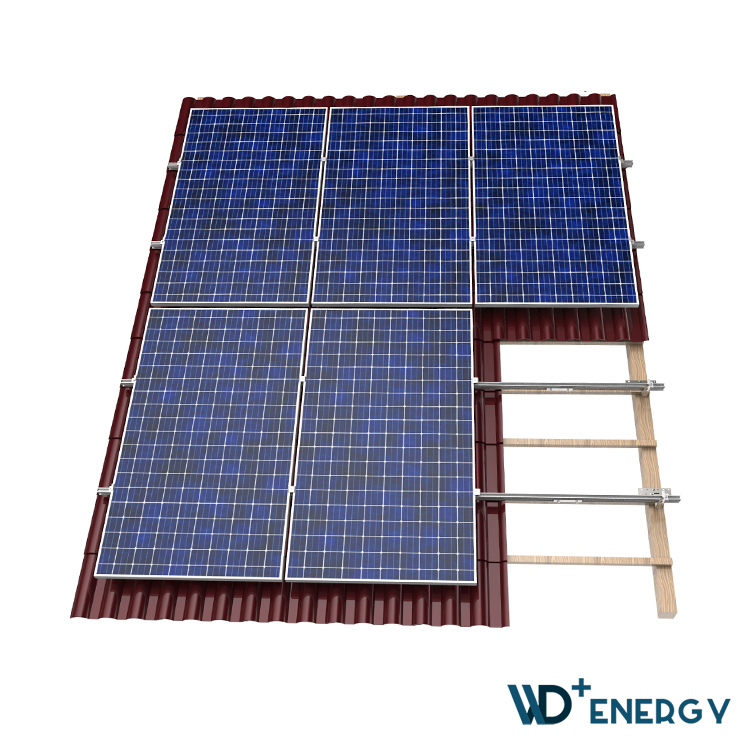
Distributed Energy Resources: Growth of rooftop solar, home battery systems, and microgrids, transforming consumers into "prosumers" and decentralizing the energy system.
Advanced Nuclear Technologies: Development of small modular reactors and next-generation designs for safer, more flexible baseload power.
Energy Efficiency Innovations: Advancements in materials, building management systems, and industrial processes to reduce energy intensity across all sectors.
Climate Change Policies and Net-Zero Commitments: National and corporate decarbonization targets are the primary driver of investment away from fossil fuels and towards clean energy.
Energy Security and Geopolitics: Recent crises have intensified focus on securing domestic, diversified, and resilient energy supplies, accelerating investments in renewables and alternative fuels.
Falling Levelized Cost of Renewable Energy: Solar and wind have become the cheapest sources of new electricity generation in most markets, driving economic-led adoption.
Growing Global Electricity Demand: Rising populations, urbanization, digitalization, and economic development continuously increase demand, particularly in emerging economies.
Technological Advancements and Cost Reductions: Continued improvements in renewable efficiency, battery energy density, and digital solutions make the transition more viable.
Consumer and Investor Sentiment: Increasing demand for clean energy from the public and growing ESG investment mandates are redirecting capital flows.
Leaders: Integrated Oil & Gas Majors: Saudi Aramco, ExxonMobil, Shell, BP, TotalEnergies. Utilities & Power Generators: NextEra Energy, Enel, EDF, State Grid Corporation of China. Renewable Specialists: Ørsted, Vestas, NextEra Energy Resources, LONGi Green Energy.
Value Chain: Resource Exploration & Extraction → Fuel Processing/Refining → Power Generation → Transmission & Distribution → Retail & Sales → End-Use Consumption.
Challenges:
Intermittency and Grid Integration of Renewables: Managing the variability of solar and wind requires massive investments in grid flexibility, storage, and backup capacity.
Massive Capital Requirements and Stranded Asset Risk: Transitioning the global energy system requires trillions in investment, while existing fossil fuel infrastructure risks becoming obsolete.
Raw Material Supply Chain Constraints: Scaling renewables and EVs creates soaring demand and potential bottlenecks for critical minerals (lithium, cobalt, copper, rare earths).
Regulatory and Policy Uncertainty: Inconsistent and changing government policies across regions can create investment risk and slow the pace of transition.
Cyclicality and Price Volatility: Traditional hydrocarbon markets remain prone to geopolitical and economic shocks, creating price instability.
Opportunities:
Leadership in Clean Energy Technologies: Dominance in solar PV, wind turbines, batteries, electrolyzers, and CCUS represents enormous growth markets.
Energy-as-a-Service and Digital Platforms: New business models offering integrated energy management, efficiency solutions, and optimized asset performance.
Green Hydrogen Economy: Potential to decarbonize hard-to-abate sectors like heavy industry, shipping, and aviation.
Grid Modernization and Flexibility Services: Investing in grid upgrades, energy storage, and demand-side response capabilities.
Sustainable Fuels and Circular Carbon: Developing advanced biofuels, synthetic fuels, and carbon recycling pathways.