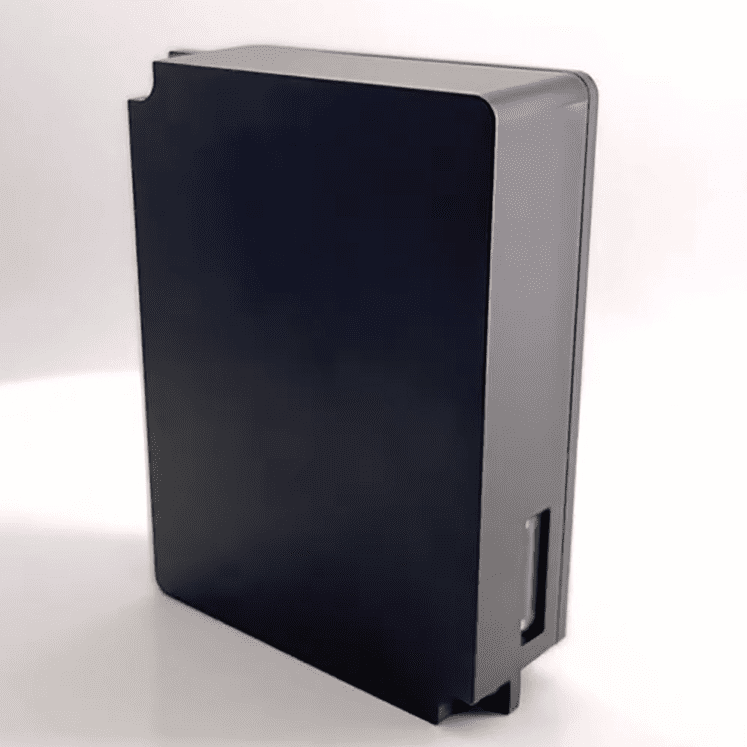
Air Quality Monitoring Sensors

Air quality monitoring sensors are essential devices for detecting, measuring, and analyzing airborne pollutants in real time. These advanced instruments monitor a wide range of environmental parameters, including particulate matter (PM2.5 and PM10), harmful gases, volatile organic compounds (VOCs), temperature, humidity, and other key indicators that directly affect human health and environmental safety. By delivering continuous and accurate data, these sensors enable users to evaluate air conditions and take timely actions to improve both indoor and outdoor environments.

Widely used in residential buildings, industrial facilities, smart cities, and environmental monitoring systems, air quality sensors play a critical role in supporting pollution control, occupational safety, and public health initiatives. Their integration with IoT technology allows remote monitoring, data analysis, and automated alerts for better environmental management.

As a leading Air Quality Monitoring Sensors online marketplace in China, CNMFRS.com connects global buyers with trusted Chinese manufacturers and suppliers, offering high-quality, cost-effective, and innovative air quality monitoring solutions for diverse applications worldwide.

Air Quality Monitoring Sensors Product List

Refine your results:
About results

What Is Air Quality Monitoring?

Air quality monitoring refers to the systematic measurement and analysis of pollutants and atmospheric conditions to determine the cleanliness and safety of the air. Monitoring can be performed indoors or outdoors using a variety of technologies, ranging from fixed monitoring stations and portable detectors to wearable devices and Internet of Things (IoT)-enabled sensor networks.

The primary objective of air quality monitoring is to identify pollutant concentrations, track environmental trends, evaluate exposure risks, and detect pollution sources. The collected data supports environmental research, regulatory enforcement, public health initiatives, and industrial process optimization.

Modern air quality monitoring systems provide real-time information that enables immediate responses to changing environmental conditions. For example, building management systems can automatically increase ventilation when pollutant levels rise, while industrial facilities can adjust operations to reduce harmful emissions.

Importance of Air Quality Monitoring Sensors

Air quality monitoring sensors have become increasingly important in today's interconnected and environmentally conscious world. Their benefits extend across numerous sectors.

Protecting Human Health

Exposure to airborne pollutants can lead to respiratory diseases, cardiovascular problems, allergies, and other serious health conditions. Air quality sensors help identify hazardous conditions before they become dangerous, allowing preventive action to be taken.

Supporting Environmental Protection

Governments and environmental agencies use monitoring data to assess pollution levels, identify emission sources, and develop effective environmental policies.

Industrial Compliance

Many industries are subject to strict environmental regulations. Air quality monitoring systems help facilities measure emissions, ensure compliance, and avoid regulatory penalties.

Smart Building Management

Modern buildings utilize air quality sensors to optimize ventilation systems, improve occupant comfort, and reduce energy consumption.

Enhancing Workplace Safety

Factories, laboratories, mines, and manufacturing facilities often contain hazardous gases and airborne contaminants. Continuous monitoring helps protect workers from dangerous exposure levels.

Types of Air Quality Monitoring Sensors

Various sensing technologies are used to monitor different pollutants and environmental conditions. Each technology offers specific advantages depending on the application.

Particulate Matter Sensors

Particulate matter sensors are among the most widely used air quality monitoring devices. They typically employ laser scattering technology to detect and measure airborne particles.

When particles pass through a laser beam, they scatter light. The sensor analyzes the scattered light to estimate particle size and concentration.

Particulate matter sensors are commonly used in:

  • Air purifiers
  • Smart home devices
  • Environmental monitoring stations
  • Industrial facilities
  • HVAC systems

These sensors provide measurements for PM1, PM2.5, and PM10 concentrations, helping users understand the level of airborne particulate pollution.

Electrochemical Gas Sensors

Electrochemical sensors are designed to detect specific gases through chemical reactions occurring within the sensing element.

When a target gas enters the sensor, it reacts with electrodes and electrolytes, generating an electrical signal proportional to the gas concentration.

Electrochemical sensors are commonly used for monitoring:

  • Carbon monoxide (CO)
  • Nitrogen dioxide (NO₂)
  • Sulfur dioxide (SO₂)
  • Hydrogen sulfide (H₂S)
  • Ozone (O₃)

These sensors offer excellent sensitivity, accuracy, and low power consumption, making them suitable for portable and fixed monitoring systems.

Non-Dispersive Infrared (NDIR) Sensors

NDIR sensors are widely used for carbon dioxide detection. They operate by measuring the absorption of infrared light at specific wavelengths.

Because carbon dioxide molecules absorb infrared energy, the sensor can determine CO₂ concentration based on the amount of absorbed light.

Advantages of NDIR sensors include:

  • High accuracy
  • Long-term stability
  • Low maintenance requirements
  • Excellent selectivity

NDIR technology is frequently found in smart buildings, offices, schools, hospitals, and commercial ventilation systems.

Metal Oxide Semiconductor Sensors

Metal oxide semiconductor (MOS) sensors detect gases by measuring changes in electrical resistance caused by interactions between gases and the sensor surface.

MOS sensors are often used for detecting:

  • Volatile Organic Compounds (VOCs)
  • Methane
  • Hydrogen
  • Ammonia
  • Various combustible gases

Their fast response times and cost-effectiveness make them popular in consumer and industrial applications.

What Do Air Quality Monitoring Sensors Measure?

Modern air quality sensors can detect a broad range of airborne contaminants and environmental parameters.

Particulate Matter (PM)

Particulate matter consists of microscopic solid particles and liquid droplets suspended in the atmosphere. These particles vary in size, composition, and origin.

Because smaller particles can penetrate deeper into the human respiratory system, particulate matter is categorized according to particle diameter.

PM1

PM1 particles are smaller than one micrometer in diameter.

These ultra-fine particles can penetrate deeply into lung tissue and even enter the bloodstream. Long-term exposure may contribute to cardiovascular disease and respiratory disorders.

Common PM1 sources include:

  • Vehicle emissions
  • Industrial combustion
  • Diesel engines
  • Secondary atmospheric reactions

PM2.5

PM2.5 particles measure less than 2.5 micrometers in diameter and are among the most concerning air pollutants from a public health perspective.

Because of their small size, PM2.5 particles can bypass the body's natural filtration mechanisms and reach deep areas of the lungs.

Major sources include:

  • Vehicle exhaust
  • Industrial emissions
  • Wildfires
  • Cooking activities
  • Tobacco smoke
  • Power generation facilities

Numerous studies have linked PM2.5 exposure to asthma, chronic bronchitis, heart disease, and premature mortality.

PM10

PM10 particles are larger airborne particles with diameters up to 10 micrometers.

While less likely to penetrate deeply into the lungs than PM2.5 particles, PM10 can still cause respiratory irritation and health issues.

Typical sources include:

  • Road dust
  • Construction activities
  • Mining operations
  • Agricultural processes
  • Industrial manufacturing

Monitoring PM10 levels is important for assessing overall environmental air quality.

Gas Pollutants

Air quality monitoring systems also measure harmful gases that may pose health and environmental risks.

Carbon Dioxide (CO₂)

Carbon dioxide is commonly monitored in indoor environments as an indicator of ventilation effectiveness and occupancy levels.

Elevated CO₂ levels can lead to:

  • Fatigue
  • Reduced concentration
  • Headaches
  • Decreased productivity
  • Carbon Monoxide (CO)

Carbon monoxide is a colorless, odorless gas produced by incomplete combustion.

Sources include:

  • Vehicle exhaust
  • Furnaces
  • Generators
  • Industrial equipment

Because CO is highly toxic, continuous monitoring is critical in many environments.

Nitrogen Dioxide (NO₂)

Nitrogen dioxide is primarily generated by combustion processes such as vehicle engines and industrial operations.

High concentrations can cause respiratory irritation and contribute to the formation of smog and acid rain.

Sulfur Dioxide (SO₂)

Sulfur dioxide is commonly produced by burning sulfur-containing fuels and industrial processes.

It can irritate the respiratory system and contribute to environmental pollution.

Ozone (O₃)

Ground-level ozone forms through chemical reactions involving sunlight and pollutants from vehicles and industrial sources.

Although beneficial in the upper atmosphere, ozone at ground level can harm human health and vegetation.

Monitoring Environmental Parameters

In addition to pollutants, many air quality monitoring sensors measure environmental conditions that influence air quality.

Temperature

Temperature affects chemical reactions, pollutant dispersion, and human comfort levels.

Humidity

Humidity influences particulate matter behavior, sensor performance, and indoor comfort.

Atmospheric Pressure

Pressure measurements help improve environmental analysis and forecasting accuracy.

Applications of Air Quality Monitoring Sensors

Air quality monitoring sensors are used in numerous sectors.

Smart Homes

Residential systems use sensors to optimize ventilation, control air purifiers, and improve indoor comfort.

Commercial Buildings

Offices, schools, hospitals, and shopping centers rely on sensors to maintain healthy indoor environments.

Industrial Facilities

Manufacturing plants use monitoring systems to protect workers and comply with environmental regulations.

Smart Cities

Urban monitoring networks provide real-time pollution data that supports environmental management and public health initiatives.

Transportation Systems

Air quality sensors help evaluate pollution generated by traffic and public transportation networks.

Videos of Air Quality Monitoring Sensors

More About Air Quality Monitoring Sensors

Related searches of Air Quality Monitoring Sensors

Related Blogs of Air Quality Monitoring Sensors