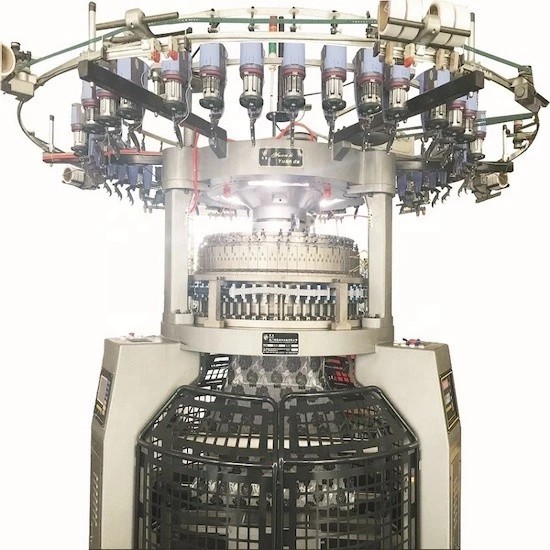
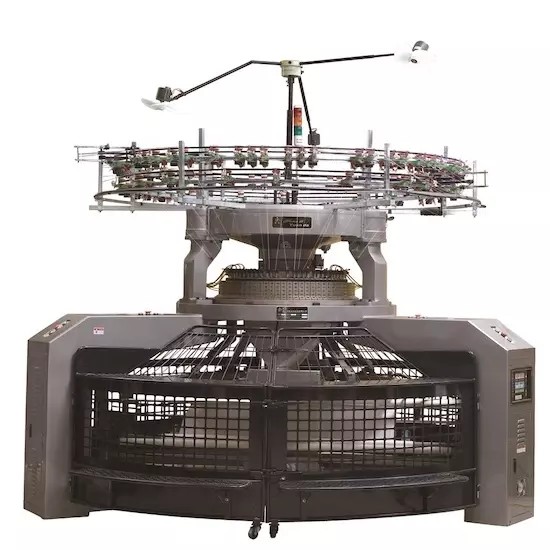
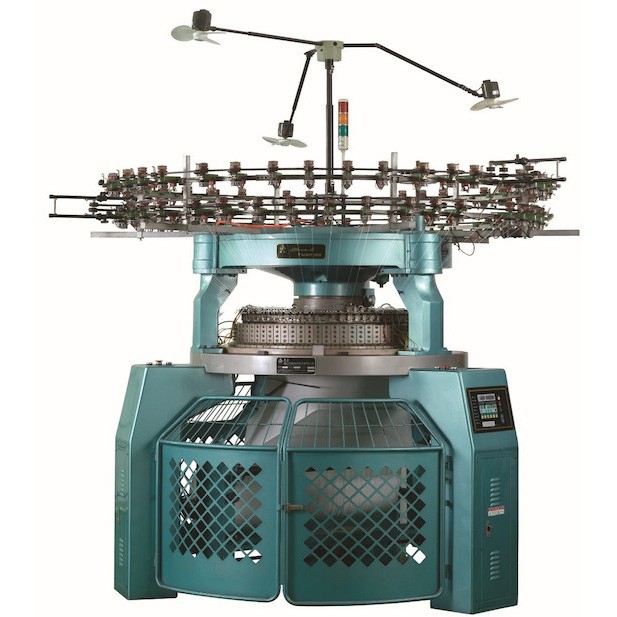
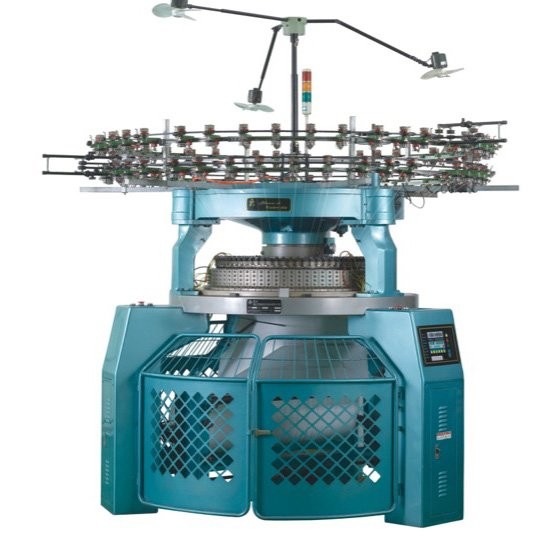
Circular Knitting Machine

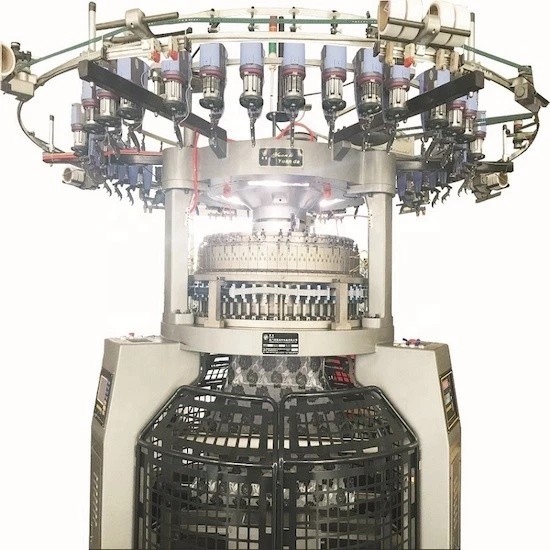
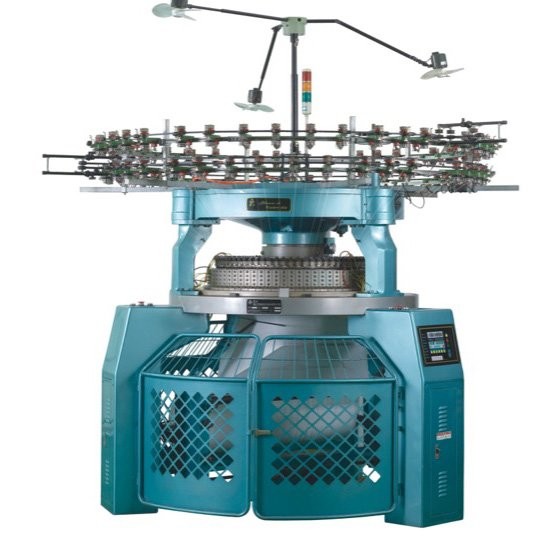
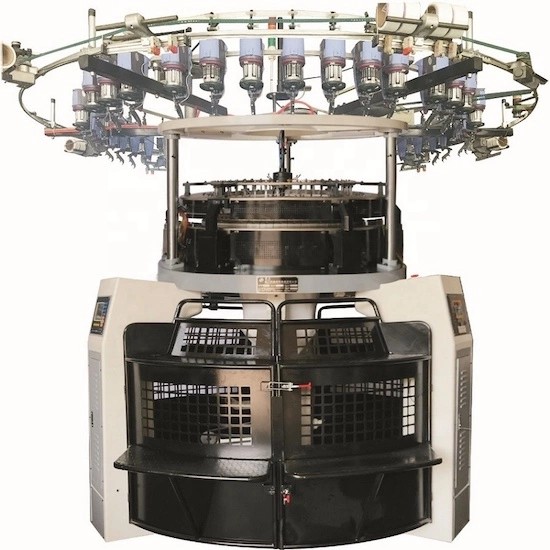
Circular knitting machines are widely used in the textile industry for the efficient production of high-quality knitted fabrics. Designed to create seamless tubular structures, these machines are ideal for manufacturing garments, sportswear, underwear, and a variety of other textile products. Operating on a circular needle bed, they enable continuous knitting, which significantly improves productivity and reduces material waste compared to traditional flat knitting methods.

By using a circular arrangement of needles, the machine forms consistent, uniform fabric with excellent elasticity and comfort. Depending on design and application, circular knitting machines can be classified by the number of needle beds, needle types, diameter, gauge, and knitting technology, offering flexibility for different production needs.

As a leading circular knitting machine online B2B marketplace, CNMFRS.com connects global buyers with reliable Chinese manufacturers, providing access to advanced circular knitting machine solutions and supporting efficient sourcing for the global textile industry.

Circular Knitting Machine Product List

Refine your results:
About results

What Is a Circular Knitting Machine?

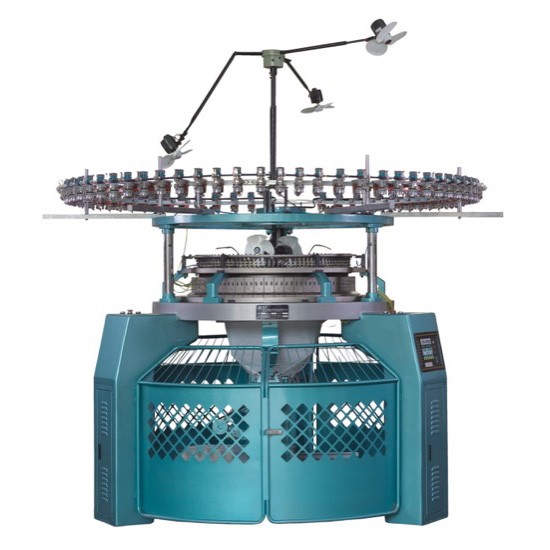
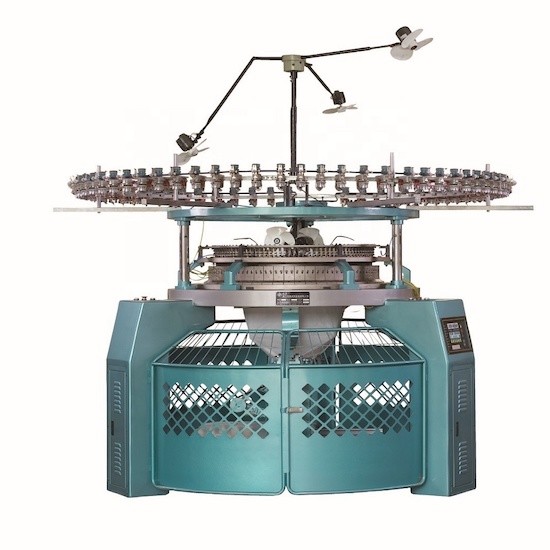
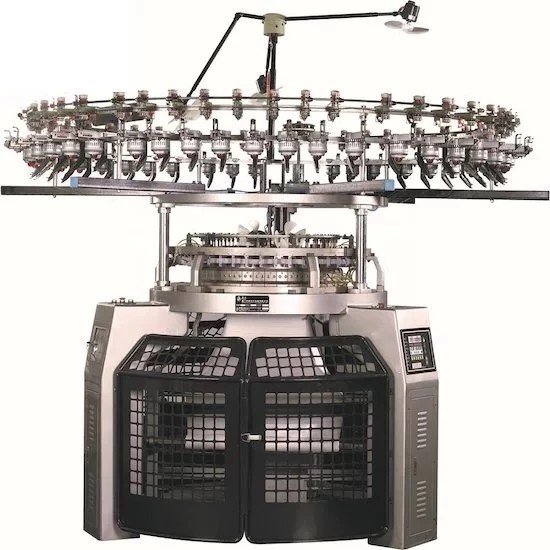
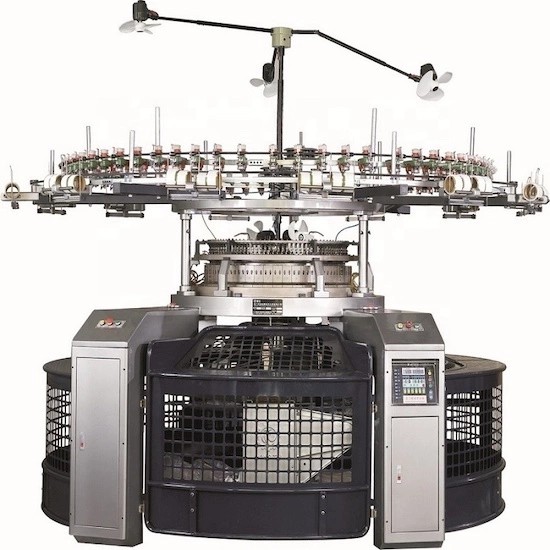
A circular knitting machine is a highly efficient textile manufacturing machine used to produce knitted fabrics in a continuous tubular form. Unlike flat knitting machines, circular knitting machines feature a cylindrical needle bed where needles are arranged in a circular configuration. As the cylinder rotates, the needles work together to interlock yarn loops, creating seamless knitted fabrics at high production speeds.

Circular knitting machines are widely used in the textile industry to manufacture garments, sportswear, underwear, fashion fabrics, home textiles, and technical textiles. Their ability to produce large quantities of fabric with consistent quality makes them an essential part of modern textile production.

Main Components of a Circular Knitting Machine

A circular knitting machine consists of several key components that work together to transform yarn into finished fabric efficiently and accurately.

Needles and Cylinder

The needles are among the most important parts of the machine. They are mounted in slots around the cylinder and move up and down during operation. Their primary function is to catch the yarn and form loops that create the knitted structure.

The cylinder serves as the foundation of the knitting process, holding the needles in a circular arrangement. As the cylinder rotates, the needles continuously form loops, resulting in a seamless tubular fabric. Proper maintenance of the needles and cylinder is essential to ensure smooth operation, prevent yarn breakage, and maintain fabric quality.

Yarn Feeders and Yarn Supply System

Yarn feeders guide the yarn from the yarn packages to the knitting zone. They ensure a steady and uniform supply of yarn to the needles, which is critical for producing consistent fabric.

Modern circular knitting machines are equipped with advanced yarn feeding systems and sensors that monitor yarn tension and detect irregularities. These sensors help prevent yarn breakage, tangling, and fabric defects. The use of side creels and organized yarn paths further improves production efficiency and reduces downtime.

Cams and Sinkers

The cam system controls the movement of the needles throughout the knitting cycle. Different cam settings determine how the needles rise and fall, influencing stitch formation, stitch length, and fabric structure.

Sinkers work together with the needles to hold the yarn loops in place and assist in forming the knitted fabric. They also help guide the fabric downward as it is produced. Proper adjustment and maintenance of cams and sinkers are essential for achieving high-quality fabric and minimizing machine wear.

Fabric Take-Down and Loop Cutting Mechanism

After the fabric is knitted, the take-down system pulls it away from the knitting area at a controlled speed. This ensures uniform fabric density and prevents distortion.

Certain machines include a loop cutting mechanism that trims loops or assists in special fabric production processes. Modern circular knitting machines often utilize automated monitoring systems that help maintain precision and detect operational issues before they affect production quality.

Advantages of Circular Knitting Machines

Circular knitting machines offer several advantages compared to other textile manufacturing methods:

  • High production speed and efficiency
  • Continuous fabric production with minimal interruptions
  • Ability to produce seamless tubular fabrics
  • Consistent fabric quality
  • Lower labor requirements through automation
  • Flexibility to manufacture a wide range of fabric types and designs

These benefits make circular knitting machines one of the most widely used technologies in the global textile industry.

Types of Circular Knitting Machines

Different types of circular knitting machines are available to meet various fabric requirements and production needs.

Single Jersey Circular Knitting Machine

The single jersey circular knitting machine is the most common type used in textile manufacturing. It features a single cylinder equipped with one set of needles and sinkers.

Typically, the cylinder diameter ranges around 30 inches, although sizes vary depending on machine specifications and production requirements. The machine produces single jersey fabric, which is lightweight, flexible, and widely used for T-shirts, sportswear, underwear, and casual garments.

Single jersey fabrics are characterized by their smooth face side and slightly textured back side, offering excellent comfort and breathability.

Double Jersey Circular Knitting Machine

A double jersey circular knitting machine incorporates two sets of needles—one mounted on the cylinder and another on the dial. Unlike single jersey machines, double jersey machines generally do not require sinkers.

The dual needle arrangement allows the production of thicker and more stable fabrics known as double jersey fabrics. These fabrics offer improved dimensional stability, better elasticity, and enhanced durability.

Double jersey machines are commonly used to manufacture rib fabrics, interlock fabrics, collars, cuffs, sweaters, and premium apparel products where additional thickness and structure are required.

Jacquard Circular Knitting Machine

A Jacquard circular knitting machine is designed to create complex patterns, decorative motifs, and multicolored fabric designs. The machine utilizes a Jacquard selection mechanism that controls individual needles independently during the knitting process.

This advanced technology allows manufacturers to produce highly intricate fabrics with logos, geometric patterns, floral designs, and customized graphics directly during knitting.

Jacquard circular knitting machines are widely used in fashion apparel, sportswear, home textiles, and high-value decorative fabrics where design flexibility and visual appeal are important.

Open-Width Circular Knitting Machine

An open-width circular knitting machine is developed from traditional single jersey tubular knitting technology but incorporates specialized mechanisms to produce fabric in an open-width format.

One of its most significant features is the open-width fabric take-down system, which automatically cuts and spreads the tubular fabric immediately after knitting. This process eliminates the need for later slitting operations and helps prevent crease marks, folding lines, and fabric deformation.

Open-width fabrics provide superior surface quality and are particularly suitable for dyeing, printing, and finishing processes. As a result, open-width circular knitting machines are increasingly popular for producing high-quality apparel fabrics and technical textiles.

Rib Circular Knitting Machine

A Rib Circular Knitting Machine is specially designed to produce rib-knit fabrics with excellent elasticity, stretchability, and shape retention. It is widely used in the textile industry for manufacturing cuffs, collars, waistbands, hems, and other garment components that require flexibility and comfort. The machine features two sets of needles arranged on the cylinder and dial, which work together to create the characteristic vertical rib structure. This unique knitting mechanism produces fabrics with enhanced durability, elasticity, and dimensional stability, making rib circular knitting machines an ideal choice for producing high-quality apparel and fashion textiles.

Fleece Circular Knitting Machine

A Fleece Circular Knitting Machine is a specialized type of circular knitting machine designed to produce fleece fabrics, which are known for their soft, warm, and brushed texture. It is widely used in the textile industry for manufacturing sweatshirts, hoodies, sportswear, and winter garments. The machine operates by interlocking yarn into a tubular knitted structure using a circular arrangement of needles. It can produce both single fleece and double fleece fabrics, depending on machine configuration. After knitting, the fabric is typically brushed and raised to create a soft pile surface. This makes fleece fabrics highly comfortable, insulating, and durable.

Conclusion

Circular knitting machines are indispensable tools in modern textile manufacturing. Through the coordinated operation of needles, cylinders, yarn feeders, cams, sinkers, and advanced control systems, these machines efficiently produce a wide variety of knitted fabrics. Whether manufacturing lightweight single jersey fabrics, durable double jersey materials, intricate Jacquard designs, or premium open-width fabrics, circular knitting machines provide the productivity, versatility, and quality required by today's textile industry.

Videos of Circular Knitting Machine

More About Circular Knitting Machine

Related searches of Circular Knitting Machine

Related Blogs of Circular Knitting Machine