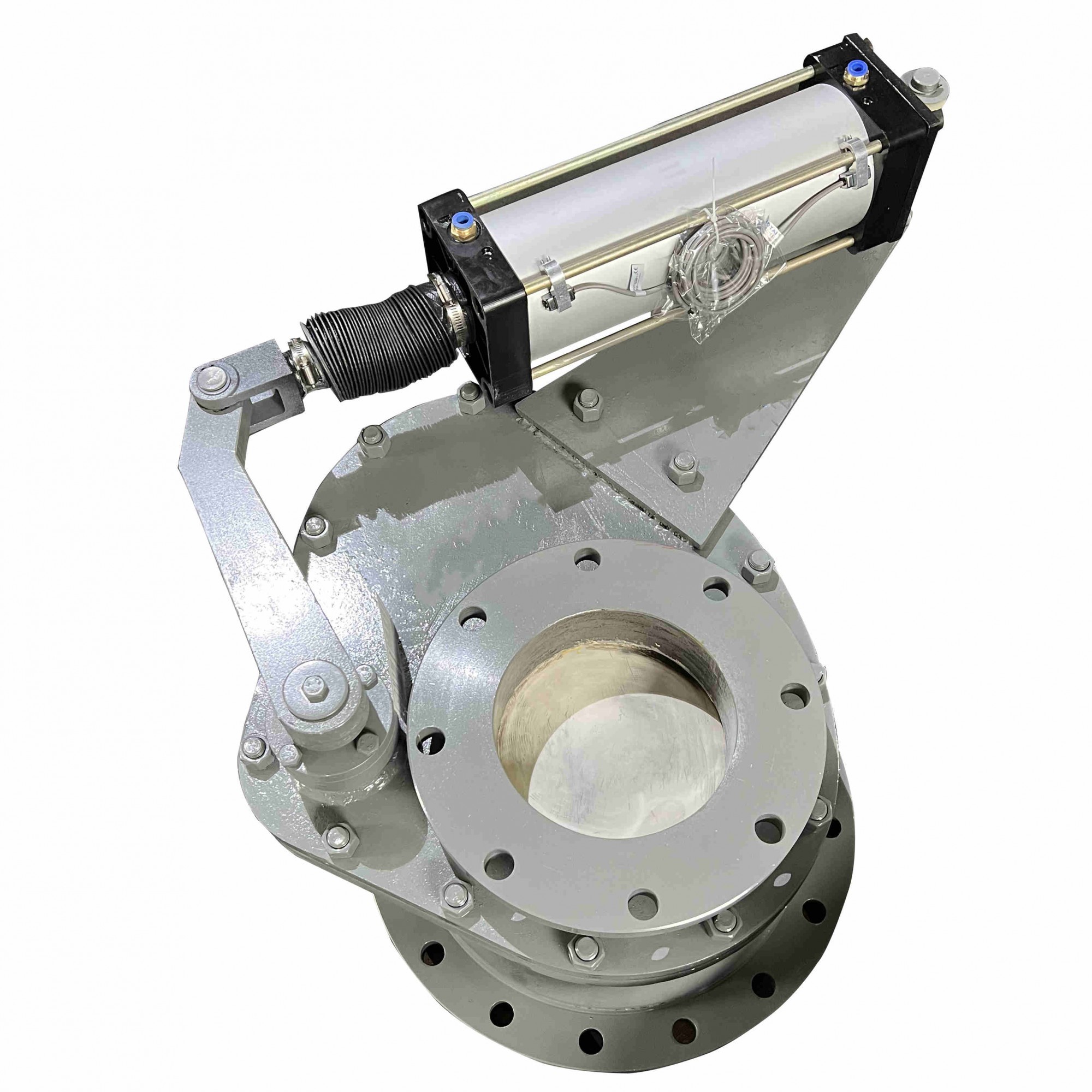
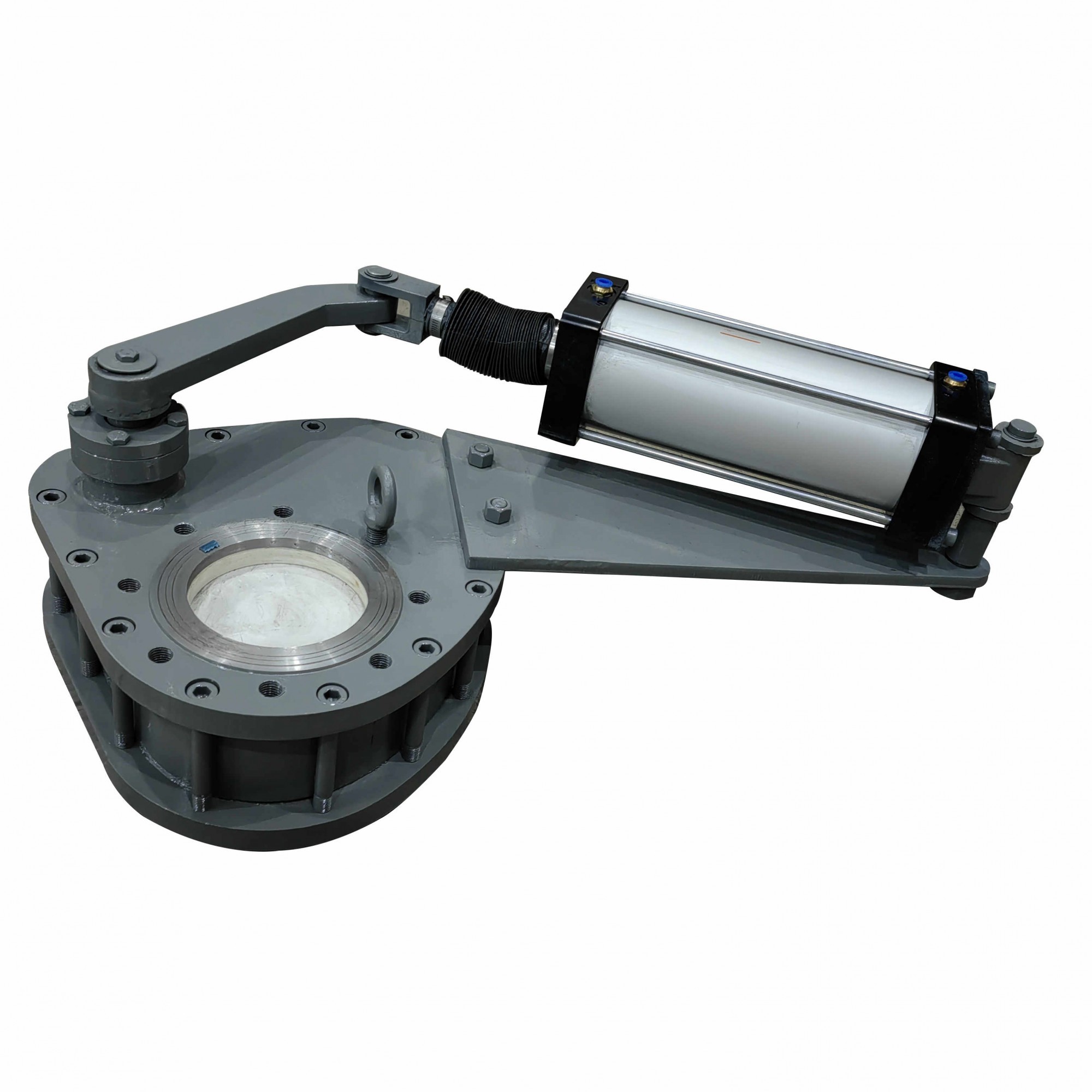
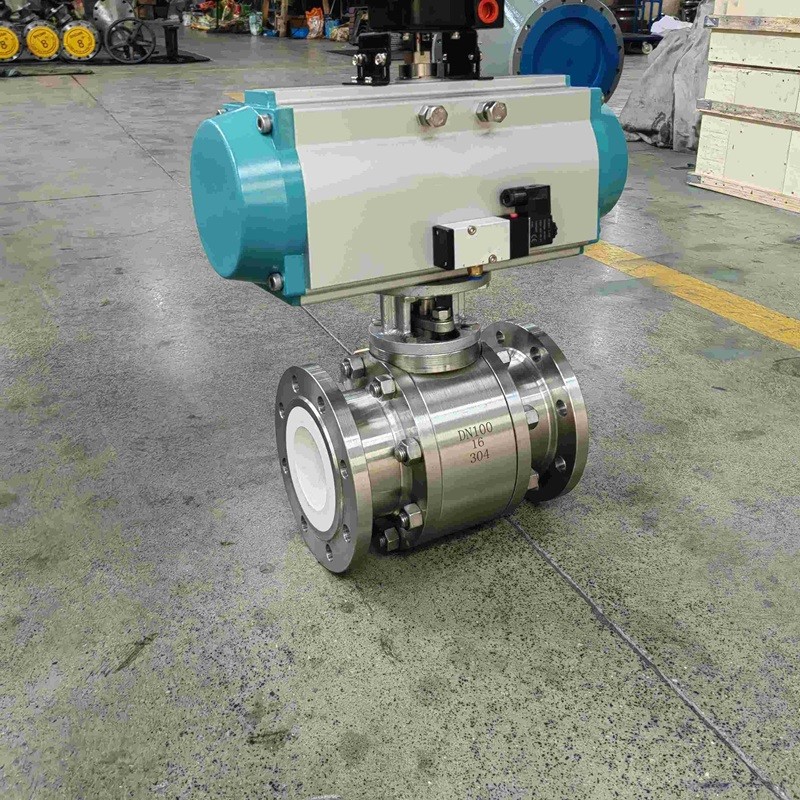
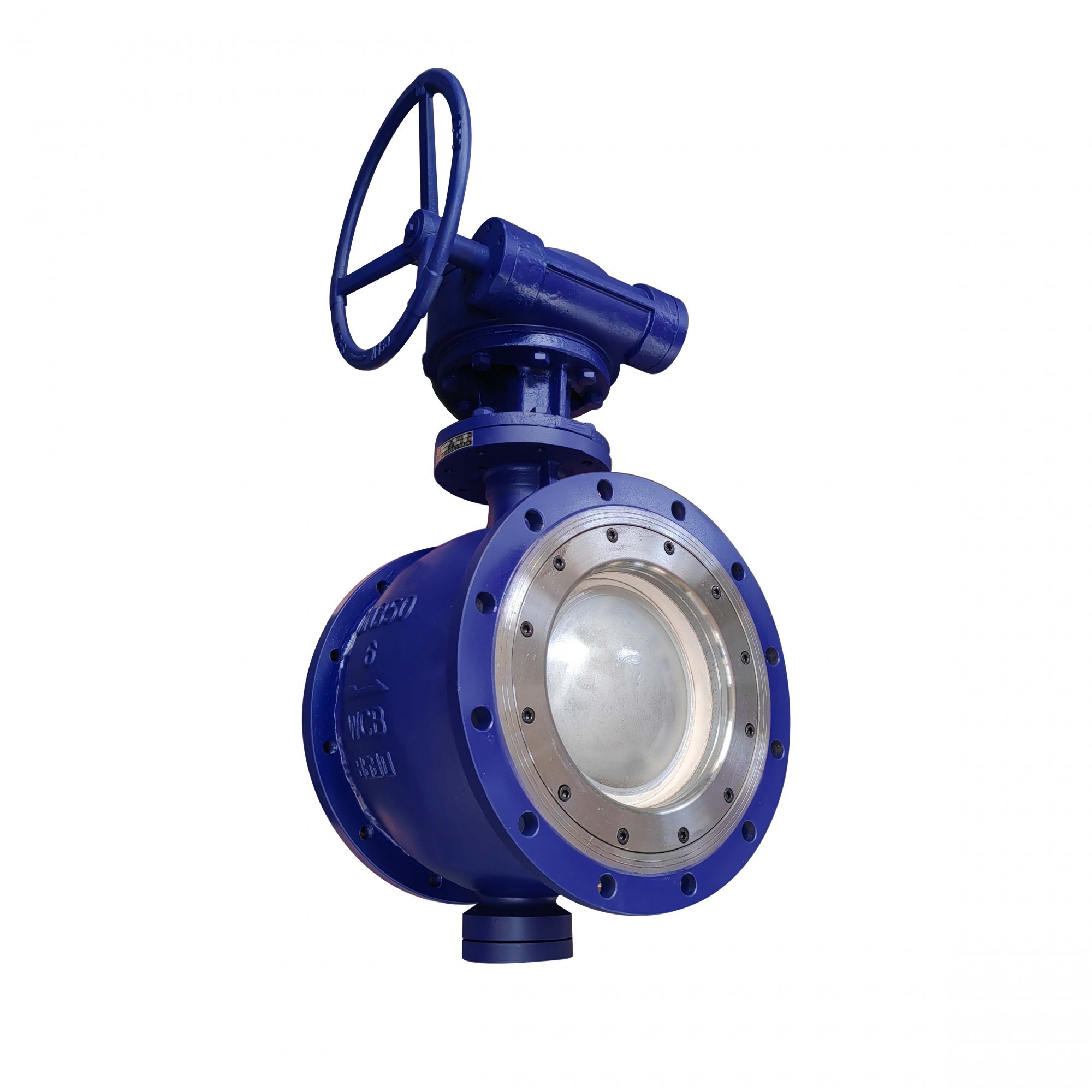
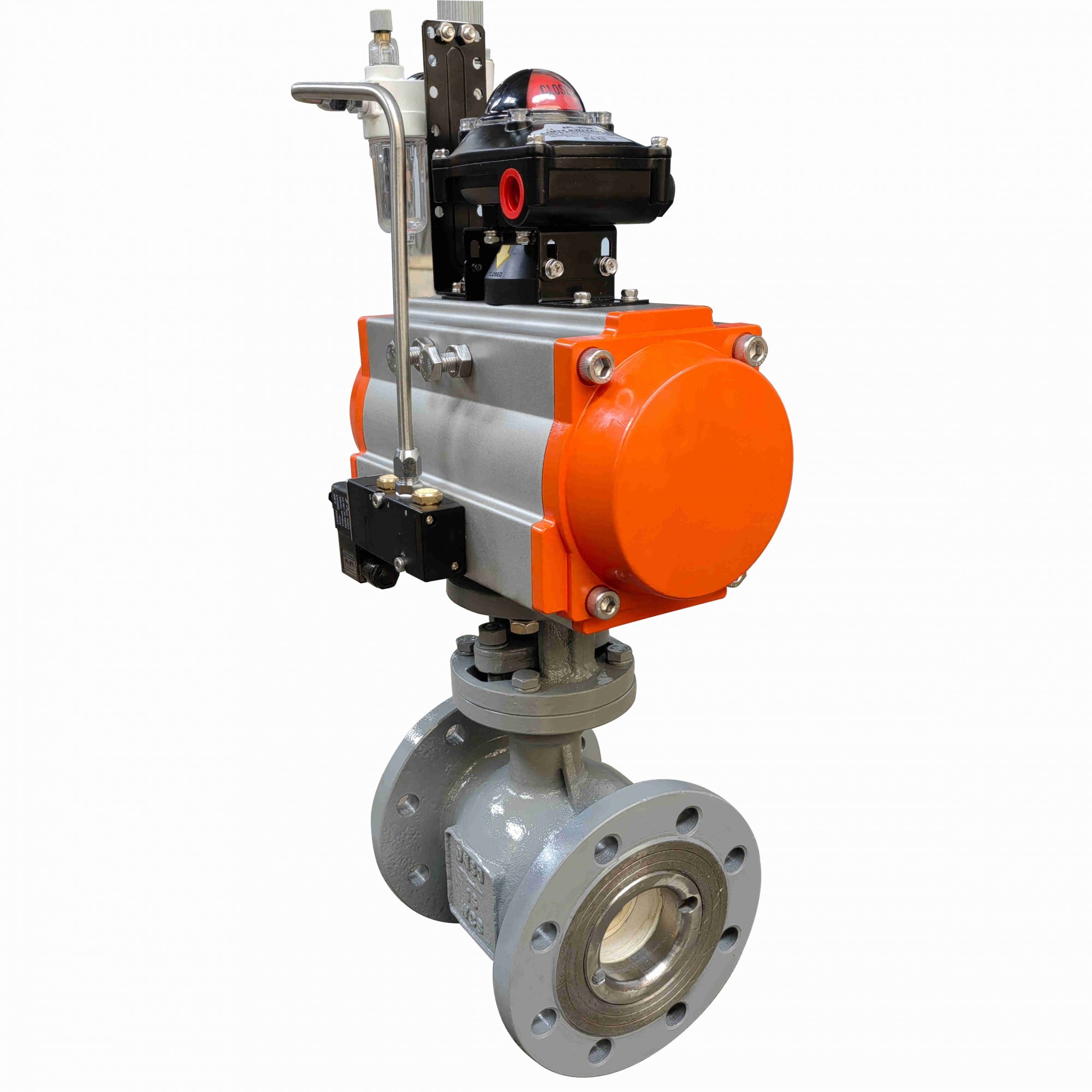
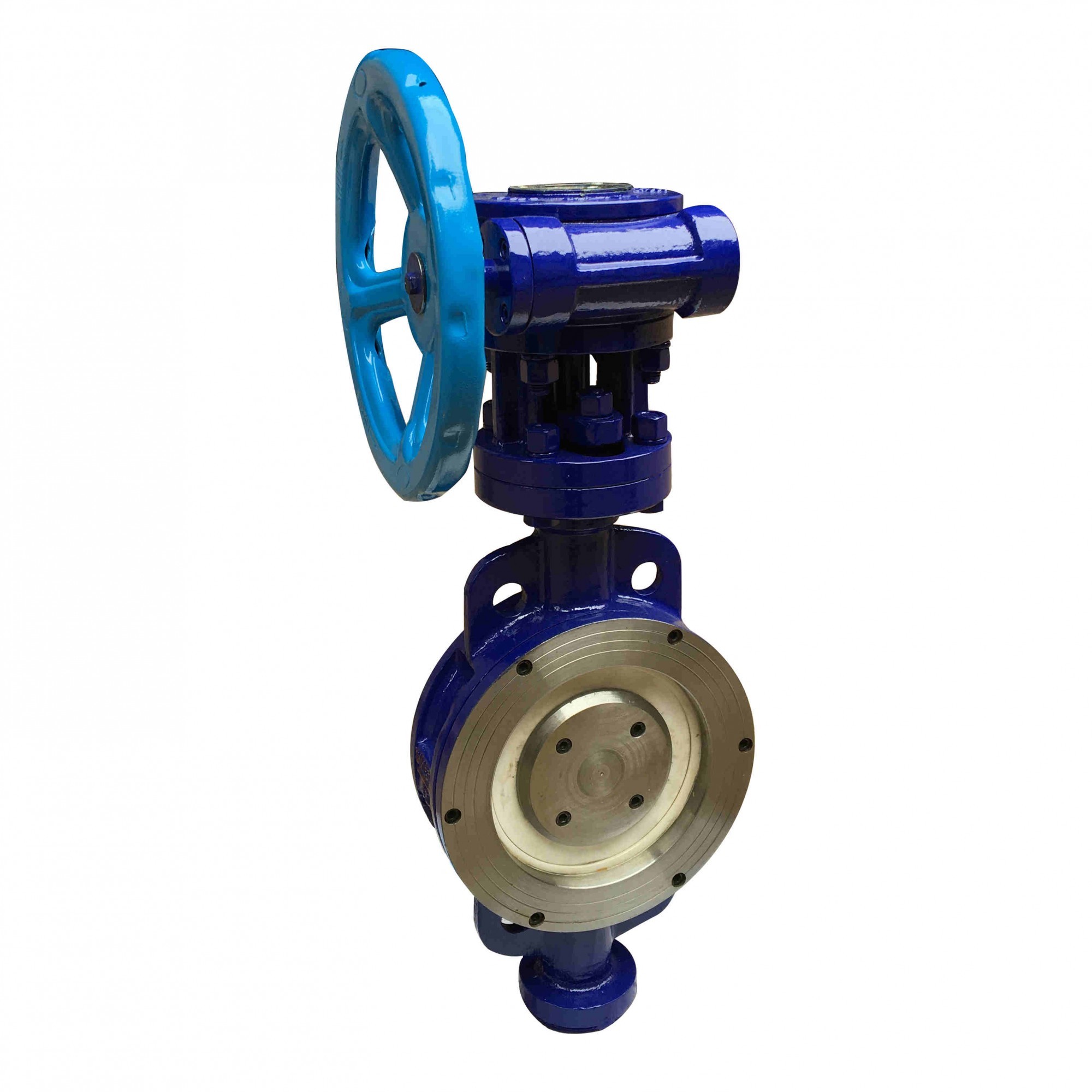
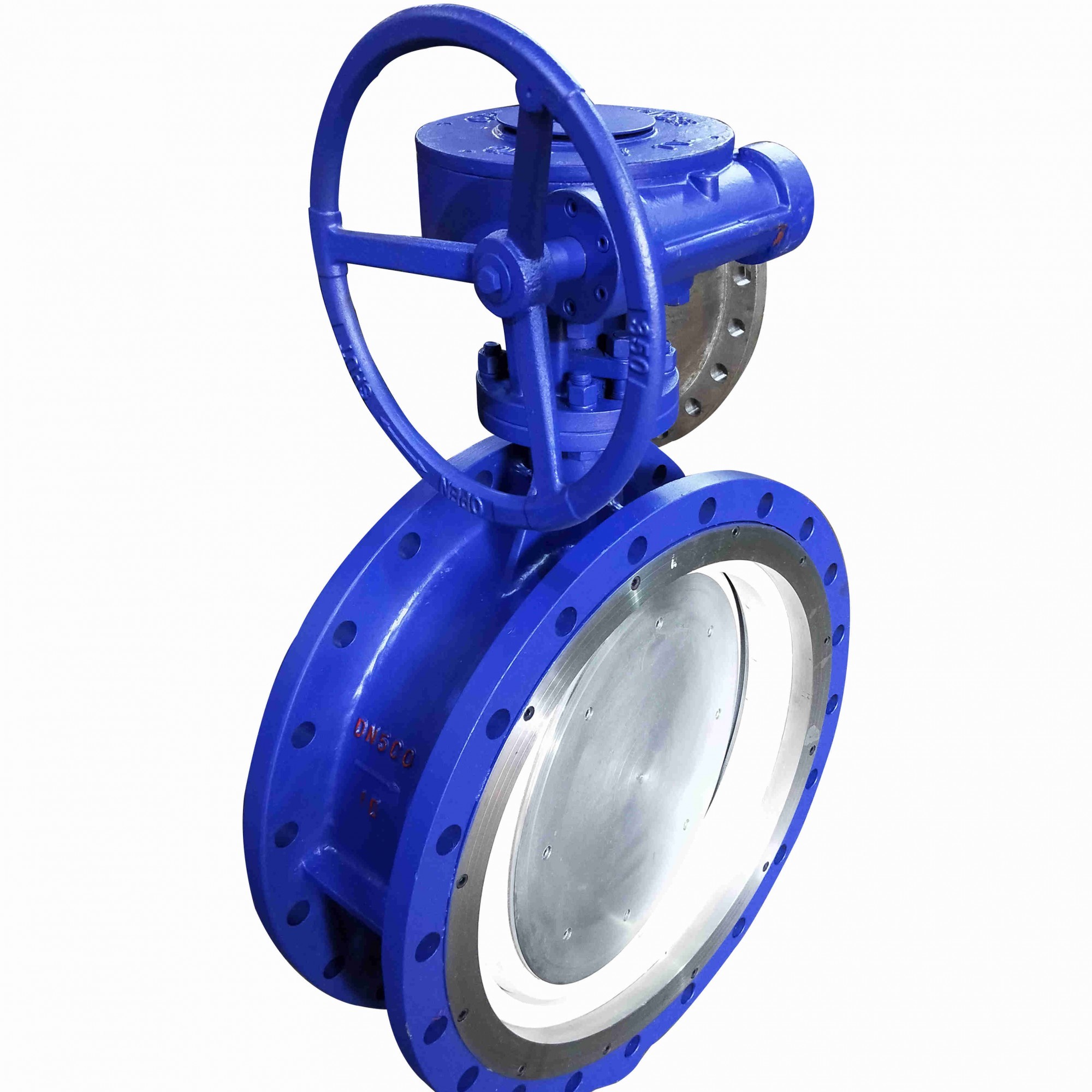
Ceramic valves are essential for handling highly abrasive, corrosive, and severe-service media in industrial fluid systems. Built with advanced ceramic materials in key flow and sealing components, they offer exceptional hardness, erosion resistance, and chemical stability even under extreme operating conditions. Known for their superior wear resistance, long service life, and stable sealing performance, they are widely used in mining, power generation, metallurgy, chemical processing, slurry transport, and other demanding industrial applications.
CNMFRS.com provides ceramic valve solutions designed for harsh operating environments where conventional metal valves may fail. The range includes ceramic ball valves, ceramic gate valves, ceramic globe valves, and ceramic lined control valves, engineered for precise isolation and flow regulation of abrasive and corrosive media. These valves are available with ceramic-lined or full-ceramic wetted parts, combined with stainless steel or alloy steel bodies, ensuring structural strength while maximizing wear resistance and chemical protection.
As a leading ceramic valves online marketplace in China, CNMFRS.com connects global buyers with trusted Chinese manufacturers and suppliers offering high-quality ceramic valves engineered for extreme durability, corrosion resistance, and reliable performance in severe industrial conditions.
Explore our comprehensive range of ceramic valves, available in multiple types, materials, sizes, pressure ratings, lining options, and sealing configurations to meet the requirements of highly abrasive and corrosive industrial fluid handling systems.
In the world of fluid control, standard metal valves often hit a wall. When faced with raging slurry, highly corrosive acids, or extreme temperatures, metals degrade, seize, or leak. Enter ceramic valves.
These are specialized industrial valves engineered with advanced technical ceramics lining their internal, fluid-contacting parts. While the outer armor or casing is typically steel or iron to handle mechanical pipe stress, the "guts"—the ball, seat, disc, or lining—are structural ceramics. This hybrid design gives you the structural strength of metal combined with the near-indestructible surface properties of advanced ceramics.
Industrial ceramics aren't like your favorite coffee mug; they are engineered for extreme durability. They offer a unique profile of physical properties that leave traditional alloys in the dust:
The specific ceramic chosen depends entirely on the chemical and physical demands of the pipeline:
Depending on the specific piping geometry and control needs, ceramic valves are manufactured across several configurations:
Because of their premium price point, ceramic valves are usually deployed in the "problem areas" of a plant where standard valves fail every few weeks or months.
The market for ceramic valves is growing rapidly due to stricter zero-leakage environmental regulations, the expansion of lithium mining for battery processing, and the rise of semiconductor manufacturing. To meet these demands, the technology is evolving fast:
Traditional machining is being replaced by near-net-shape forming and Hot Isostatic Pressing (HIP) to create defect-free, high-density components. Additive manufacturing (3D printing) and laser processing now allow engineers to design incredibly complex ceramic geometries that were previously unachievable.
Using Finite Element Analysis (FEA), manufacturers optimize ceramic components against stress points. Many modern valves feature modular designs, allowing users to replace only the ceramic trim within a standard metallic valve body. Furthermore, integrated sensors are being embedded directly into the components for predictive maintenance and real-time wear monitoring.
Because internal defects can cause catastrophic failures, quality control relies heavily on non-destructive testing (such as ultrasonic and X-ray imaging), alongside rigorous cyclic fatigue and ASTM/ISO corrosion testing.
The ceramic valve ecosystem relies on specialized material suppliers and precision valve manufacturers:
Despite these challenges, the return on investment (ROI) is massive. If a $500 metal valve fails every month, replacing it with a $3,000 ceramic valve that lasts five years drastically slashes total cost of ownership and plant downtime. Looking ahead, ceramic valves are finding crucial new roles in the hydrogen economy (to combat hydrogen embrittlement in metals), next-generation nuclear reactors, and lightweight aerospace applications.