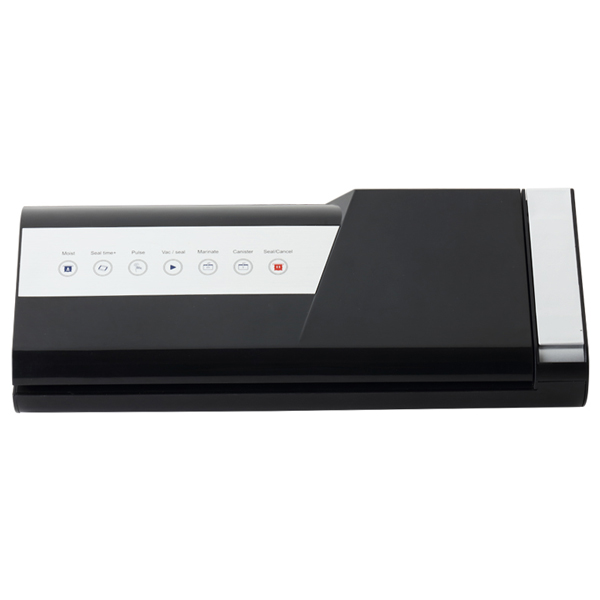
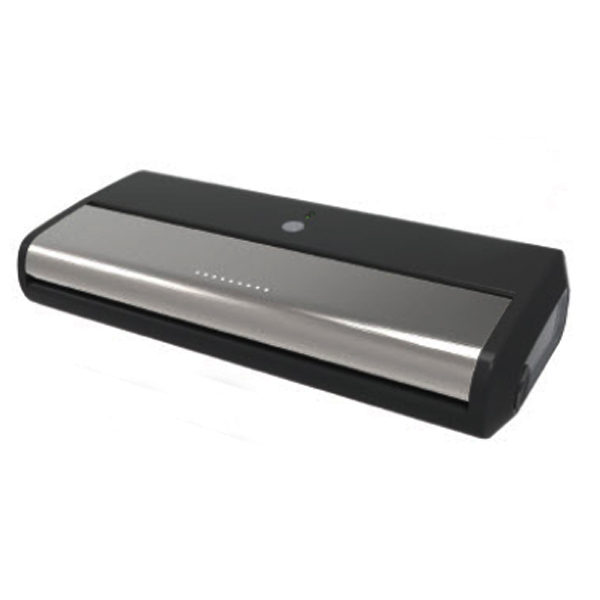
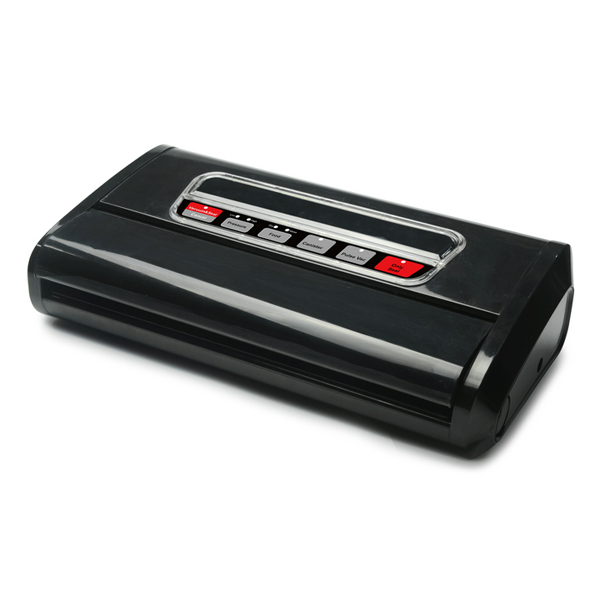
The Home Appliance Industry encompasses the design, manufacturing, marketing, and distribution of electrical and mechanical machines designed for household tasks. These products are essential for modern living, performing functions related to cooking, food preservation, cleaning, climate control, and personal care. The industry is segmented into Major Appliances (white goods) and Small Appliances (brown goods), and is increasingly characterized by connectivity and smart home integration.
Major Appliances (White Goods):
Kitchen Appliances: Refrigerators, freezers, cooking ranges, ovens, dishwashers, range hoods.
Laundry Appliances: Washing machines, dryers (vented/condenser), washer-dryer combos.
Climate Control & Comfort: Air conditioners (room/split), heaters, air purifiers, dehumidifiers.
Water Heaters: Storage and instantaneous (tankless) water heaters.
Small Appliances (Brown Goods):
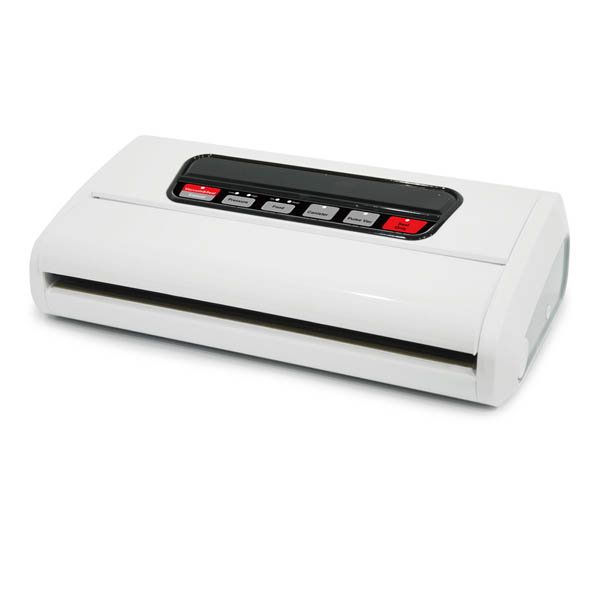
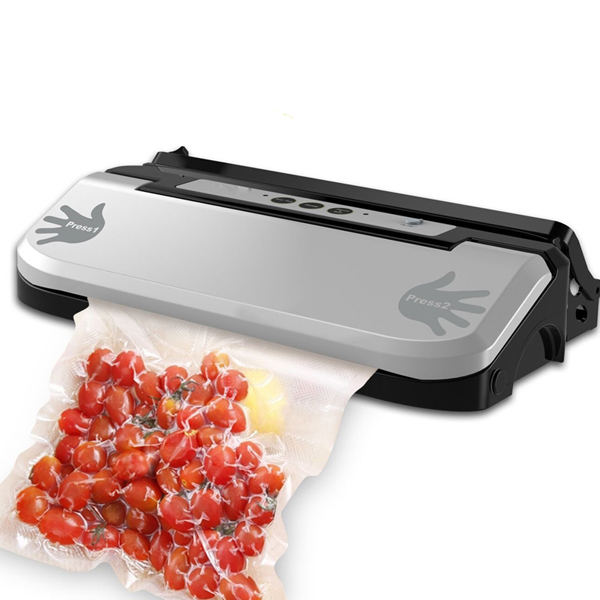
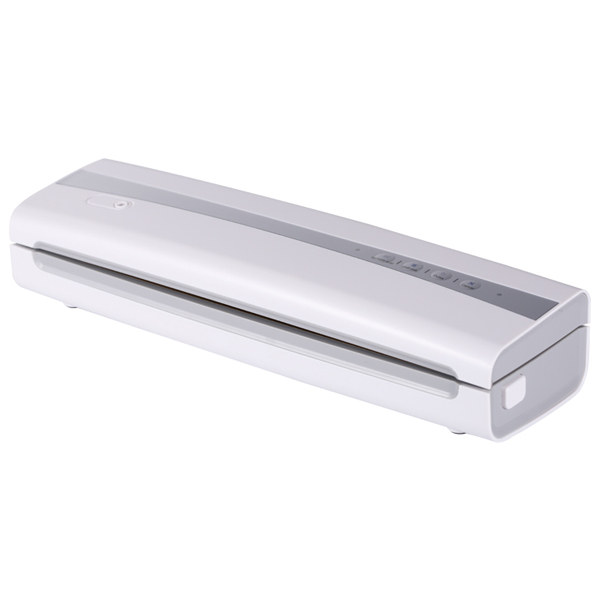
Kitchen & Food Preparation: Microwave ovens, blenders, food processors, coffee makers, toasters, electric kettles, air fryers.
Floor Care: Vacuum cleaners (upright, canister, robotic), steam mops.
Garment Care: Irons, garment steamers.
Personal Care: Hair dryers, electric shavers/trimmers, oral care devices (electric toothbrushes, water flossers).
Smart Connectivity & IoT: Appliances are becoming connected nodes in smart home ecosystems, featuring Wi-Fi/Bluetooth for remote control via smartphone apps, usage monitoring, and integration with voice assistants (Alexa, Google Assistant).
Energy & Water Efficiency: Continuous improvement in energy ratings (e.g., ENERGY STAR) is a core R&D focus, driven by regulations and consumer demand. Innovations include inverter compressor technology, heat pump dryers, and sensor-based load optimization.
AI & Sensor-Based Automation: Use of sensors and AI algorithms to automate functions (e.g., refrigerators that track food inventory and suggest recipes, washing machines that auto-detect fabric type and soil level).
Advanced Materials & Design: Use of durable, hygienic, and aesthetic materials (e.g., antibacterial coatings, fingerprint-resistant steel, matte finishes). Emphasis on minimalist, integrated designs.
Health & Wellness Features: Air purifiers with advanced filtration (HEPA, activated carbon), refrigerators with specialized zones for freshness (e.g., humidity-controlled crispers, UV sterilization), and water purifiers.
Convenience & Customization: Multi-functionality (e.g., ovens with steam-bake combos), compact designs for urban living, and personalized settings (e.g., coffee makers with user profiles).
Replacement Demand in Mature Markets: The primary driver in developed economies is the replacement of aging appliances with more efficient, feature-rich models.
New Household Formation & Urbanization in Emerging Markets: Rapid urbanization and a growing middle class in Asia-Pacific, Latin America, and Africa are driving first-time purchases.
E-commerce Growth & Direct-to-Consumer Models: Increasing shift of sales to online channels, with manufacturers developing DTC strategies and strengthening partnerships with major online retailers.
Rising Energy Costs & Environmental Awareness: Consumer preference for energy-efficient appliances to reduce utility bills and carbon footprint.
Premiumization & Focus on Kitchen as Lifestyle Hub: Consumers investing in high-end, aesthetically pleasing, and professional-grade kitchen appliances as part of a focus on home-centric living and cooking experiences.
Government Regulations & Incentives: Mandatory energy efficiency standards and labeling programs, as well as subsidies for replacing old appliances (e.g., eco-bonus schemes).
Leaders: Global Conglomerates: Haier Group (includes GE Appliances, Candy), Whirlpool Corporation (includes KitchenAid, Maytag), Electrolux AB (includes Frigidaire, AEG), Midea Group, Samsung Electronics, LG Electronics. Niche/Specialty Brands: Dyson, SharkNinja, Breville, De'Longhi.
Value Chain: Raw Materials (steel, plastics, copper, electronics) → Component Manufacturing (compressors, motors, electronic controls) → Appliance Assembly → Branding & Marketing → Distribution (Mass retailers, specialty stores, kitchen studios, e-commerce) → Installation & After-sales Service.
Challenges:
Raw Material & Logistics Cost Volatility: Fluctuations in the price of steel, plastics, and semiconductors, coupled with high shipping costs, pressure margins.
Intense Price Competition & Low-Cost Imports: Saturation in many categories leads to high price sensitivity, with competition from value-focused brands.
Long Replacement Cycles: Major appliances are durable goods with long lifespans (8-15 years), limiting the frequency of repurchase.
Fragmented Global Standards & Regulations: Navigating differing safety, energy efficiency, and connectivity standards across regions increases complexity and cost.
Cybersecurity & Data Privacy Risks: Connected appliances introduce vulnerabilities that must be managed to protect consumer data and home networks.
Opportunities:
Services & Subscription Models: Growth in appliance-as-a-service (leasing), predictive maintenance subscriptions, and consumables (e.g., filter, detergent) delivery.
Ecosystem Integration: Becoming a central part of broader smart home and energy management ecosystems, offering grid-responsive appliances that optimize energy use.
Health-Conscious Innovation: Expanding product lines focused on air/water purification, healthy cooking (steam, air frying), and allergen reduction.
Circular Economy & Sustainability: Designing for easier repair, upgradeability, and end-of-life recycling. Building robust refurbishment and trade-in programs.
Customization & Luxury Segments: Offering bespoke colors, finishes, and panel-ready designs for integrated kitchens, catering to the high-end market.