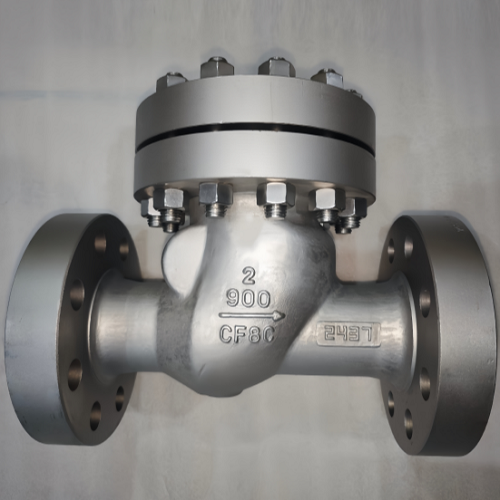
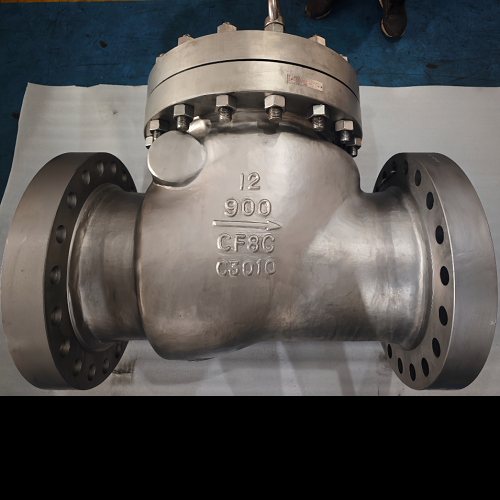
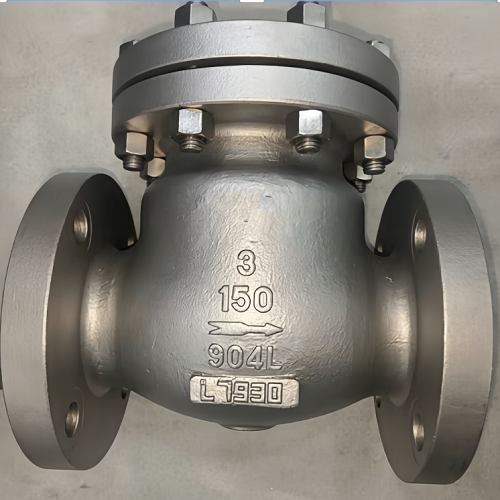
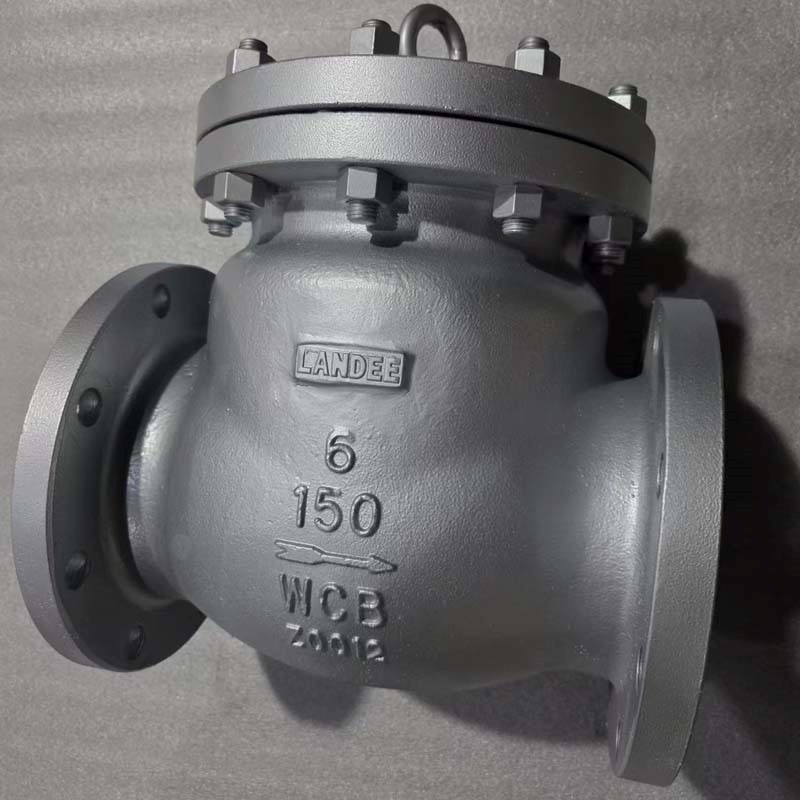
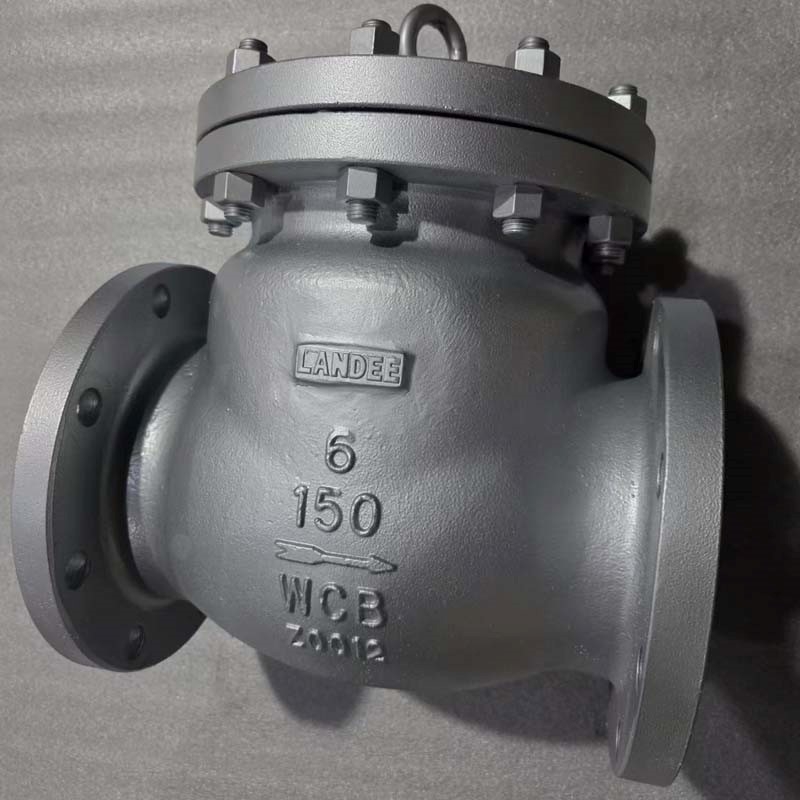
Check valves are essential for preventing backflow and ensuring one-way fluid movement in pipelines carrying water, oil, gas, steam, and various industrial media. Operating automatically without external control, they open when forward flow pressure is present and close when flow reverses, protecting pumps, compressors, and other system components from damage. Known for their simple structure, reliable performance, and low maintenance requirements, they are widely used in oil and gas, power generation, petrochemical, water treatment, and industrial processing systems.
Through CNMFRS.com, buyers can explore a comprehensive selection of check valve configurations designed for different installation and flow conditions, including swing check, lift check, dual plate (wafer), piston, and ball check designs. These valves are available in a wide range of materials such as stainless steel, carbon steel, alloy steel, and corrosion-resistant specialty alloys, with multiple sealing options to ensure dependable backflow prevention under varying pressure and temperature conditions.
As a leading check valve online marketplace in China, CNMFRS.com connects global buyers with trusted Chinese manufacturers and suppliers offering high-quality check valves engineered for safe, efficient, and reliable one-way flow control.
Explore our comprehensive range of check valves, available in multiple types, standards, materials, sizes, pressure ratings, end connections, and sealing configurations to meet the demands of diverse industrial fluid control systems.
A check valve, also known as a non-return valve (NRV) or one-way valve, is a mechanical device designed to allow fluid (liquid or gas) to flow through it in only one direction. The check valve industry encompasses the design, manufacturing, and application of these one-directional valves, which automatically prevent fluid backflow in piping systems.
As critical safety and system protection components, check valves operate automatically based on pressure differentials and do not require manual intervention, electrical actuators, or external pneumatic control. They ensure operational integrity and prevent equipment damage across diverse industrial, commercial, and residential applications.
The fundamental operation of a check valve relies on two primary conditions: cracking pressure and backpressure.
Check valves come in various configurations, each engineered to suit specific pressure ratings, fluid types, and installation orientations (horizontal, vertical upflow, or vertical downflow designs):
To handle diverse industrial environments, check valves are manufactured using a vast matrix of specialized materials across four core areas:
Check valves are tailored to meet strict regulatory and environmental demands across various global sectors:
Modern engineering is transforming the humble check valve into an advanced, highly optimized component:
The check valve market is anchored by several global drivers, major players, and a highly structured value chain:
As the industry evolves, manufacturers and engineers navigate a shifting landscape of technical challenges and emerging market opportunities:
No. Most check valves have strict orientation requirements.
Swing Check: Must be installed in horizontal lines with the hinge pin horizontal. Not suitable for vertical upflow.
Wafer/Piston/Dual-Plate: Typically can be installed in any orientation (horizontal, vertical, inclined), but you must verify with the manufacturer, as design specifics vary. Always check the valve's installation manual.
Use valves designed for fast, controlled closure:
Spring-assisted check valves (wafer, dual-plate) are ideal. The spring closes the disc before flow reversal, preventing slamming.
Non-slam swing checks use an internal mechanism (like a lever/weight or dashpot) to control the disc's closing speed.
Ensure the valve is correctly sized and installed for the flow conditions.