Toys & Hobbies Product List
I. Industry Definition & Scope
The Toys & Hobbies industry encompasses the design, manufacturing, marketing, and distribution of products primarily intended for play, recreation, skill development, and collection by children and adults. It is a dynamic sector driven by innovation, nostalgia, intellectual property (IP), and evolving play patterns. The scope ranges from traditional toys (dolls, action figures, construction sets) and games (board games, puzzles) to high-tech interactive products, hobbyist kits (model building, radio control), and collectibles.
II. Key Product Categories
By Target Demographic & Play Pattern:
-
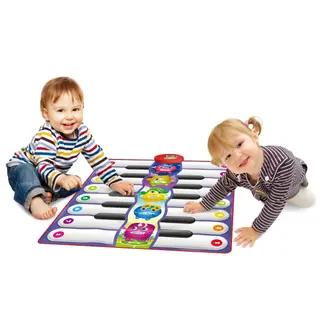
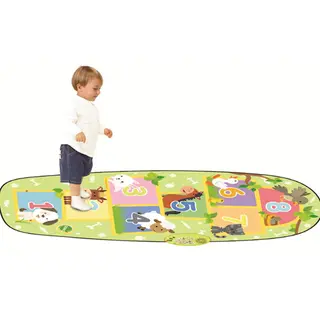
Infant & Preschool Toys: Developmental toys, building blocks, push/pull toys, simple puzzles.
-
Children's Toys: Action figures, dolls & accessories, playsets, vehicles, outdoor toys, arts & crafts.
-
Games & Puzzles: Board games, card games, strategy games, jigsaw puzzles, family games.
-
Hobby & Craft Kits: Model kits (cars, planes, ships), radio-controlled vehicles, robotics kits, science kits, advanced crafting sets.
-
Collectibles: Trading cards, die-cast models, high-end action figures, and collectible miniatures.
-
Outdoor & Sports Toys: Bicycles, scooters, skateboards, ride-on toys, sports equipment for youth.
By Technology Integration:
-
Traditional/Physical Toys: Toys without electronic components.
-
Electronic/Interactive Toys: Toys featuring lights, sounds, basic sensors, or simple programmed responses.
-
Connected/App-Enabled Toys: Toys that sync with smartphones or tablets to enhance play through apps, AR, or downloadable content.
-
STEM/STEAM Toys: Toys explicitly designed to educate in Science, Technology, Engineering, Arts, and Mathematics through hands-on play.
III. Technology & Innovation Trends
-
Licensed IP & Media Synergy: Dominance of toys tied to major film, TV, streaming, and video game franchises (Marvel, Star Wars, Disney, Fortnite, Roblox). Content drives toy sales and vice-versa.
-
Digital-Physical Play Convergence: Growth of toys that exist at the intersection of physical and digital worlds, such as AR-enabled playsets, toys-to-life (though diminished), and coding robots that teach programming through tangible interaction.
-
Direct-to-Consumer & Creator-Driven Models: Brands leveraging social media and DTC channels to launch products, often via crowdfunding (Kickstarter) or limited drops, especially in the hobby/collectible space.
-
Sustainability & Safety Focus: Increased use of recycled materials, plant-based plastics, and reduced packaging. Enhanced focus on product safety, durability, and non-toxic materials.
-
Personalization & Customization: Offering options to customize action figures, dolls, or model kits with unique features, either at purchase or through aftermarket parts.
-
The Adult "Kidult" Market: Significant growth in premium, collectible, and nostalgia-driven toys aimed at adult hobbyists and collectors, a high-value segment less sensitive to economic cycles.
IV. Global Market Drivers
-
Birth Rates & Demographic Trends: Core demand is linked to the size of the child population in key markets.
-
Disposable Income & Gifting Culture: Toys are a major category for parental spending and gift-giving during holidays, birthdays, and celebrations.
-
Media & Entertainment Content Cycles: New movie releases, hit TV shows, and popular video games create immediate and powerful demand for related toys and merchandise.
-
Educational & Developmental Priorities: Parental demand for toys that promote learning, creativity, and STEM skills supports growth in educational and construction toy segments.
-
Social Media & Unboxing/Review Culture: Platforms like YouTube and TikTok are powerful drivers of toy trends, with unboxing videos and influencer reviews directly impacting sales.
-
E-commerce Growth: The shift to online shopping has transformed discovery and purchase, with Amazon being a dominant force and specialty online retailers thriving in niche hobby segments.
V. Major Players & Value Chain
-
Leaders: Toy Conglomerates: Mattel (Barbie, Hot Wheels, Fisher-Price), Hasbro (Transformers, My Little Pony, MAGIC: THE GATHERING, partnering with major film studios), LEGO Group. Hobby & Specialty: Bandai (Japan, Gundam models), Tamiya, Games Workshop (Warhammer). Tech/Interactive: Sony (PlayStation), Nintendo, Microsoft (Xbox) for video game hardware, which is a closely related industry.
-
Value Chain: IP Creation/Licensing → Product Design & Development → Manufacturing (primarily in Asia) → Marketing & Distribution (through mass retailers, specialty stores, e-commerce) → Retail Sale & Aftermarket (collector secondary market).
VI. Challenges & Opportunities
-
Challenges:
-
Extreme Seasonality: A significant portion of annual revenue is concentrated in the fourth-quarter holiday season, creating operational and inventory challenges.
-
Short Product Lifecycles & Fad Risk: Success is often tied to fleeting trends or media cycles; predicting the next hit is difficult, and inventory can become obsolete quickly.
-
Intense Competition & Shelf Space: Fierce competition for limited retail shelf space and consumer attention, especially from low-cost manufacturers.
-
Stringent Safety Regulations: Global markets have complex, ever-evolving safety standards (e.g., CPSIA in the U.S., REACH in EU), increasing compliance costs.
-
Supply Chain Volatility: Reliance on concentrated manufacturing regions and complex logistics makes the industry vulnerable to disruptions and cost inflation.
-
-
Opportunities:
-
The "Kidult" & Collectibles Boom: Monetizing adult nostalgia and fandom through high-margin, detailed collectibles, premium models, and sophisticated board games.
-
Experiential Retail & Brand Destinations: Creating flagship stores and interactive brand experiences (e.g., LEGO House, Hasbro Pulse) that drive brand loyalty beyond transactional sales.
-
Subscription & Services Models: Toy rental subscriptions (for younger kids), curated hobby boxes, and access to digital content/platforms tied to physical products.
-
Sustainability as Innovation: Leading with eco-friendly products can be a strong brand differentiator and meet growing consumer demand.
-
Global Market Expansion: Tailoring products and marketing for growing middle-class populations in Asia, Latin America, and Africa.
-