Automobiles & Motorcycles

I. Industry Definition & Scope

The Automobiles & Motorcycles Industry encompasses the design, engineering, manufacturing, marketing, sales, and aftermarket support of passenger and commercial vehicles with internal combustion, hybrid, or fully electric powertrains. It is a capital-intensive, technology-driven sector that serves as a backbone of global manufacturing and a key indicator of economic health. The scope includes mass-market transportation, luxury vehicles, performance machines, and recreational mobility solutions, deeply intertwined with global supply chains and regulatory frameworks.

II. Key Product Categories

By Vehicle Type & Segment:

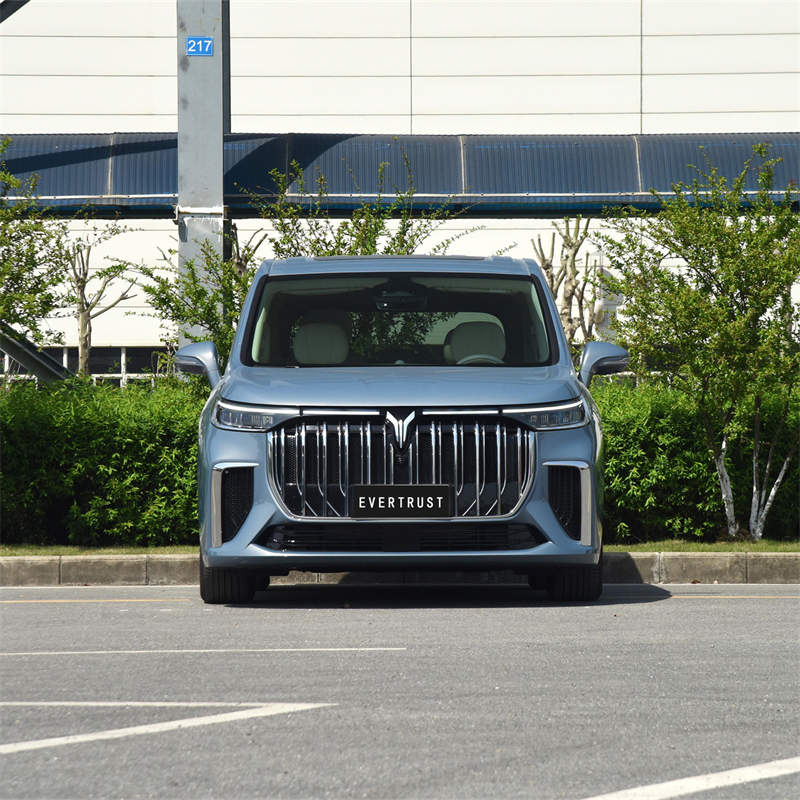
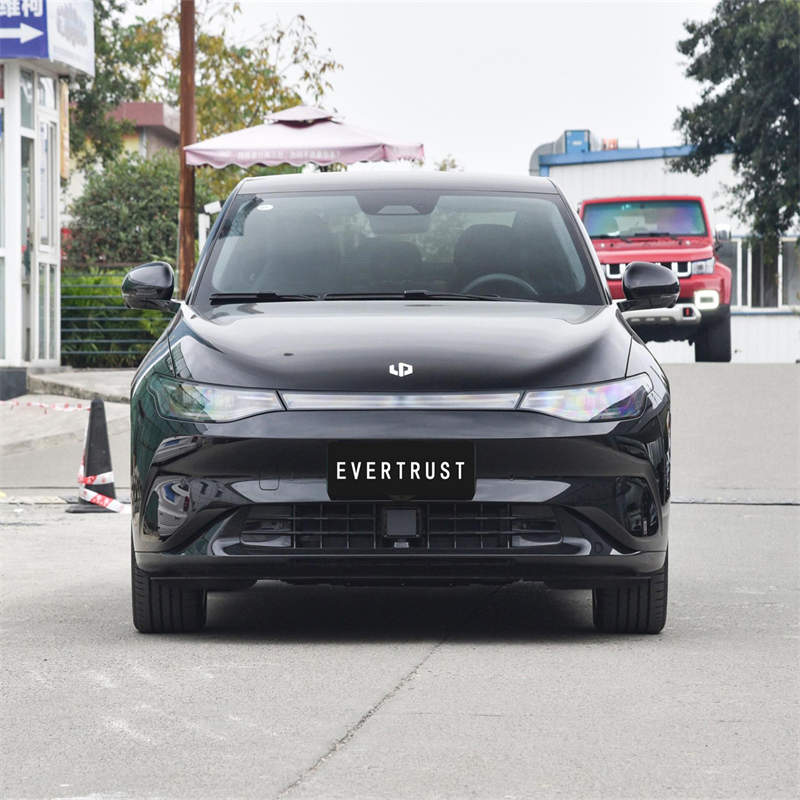
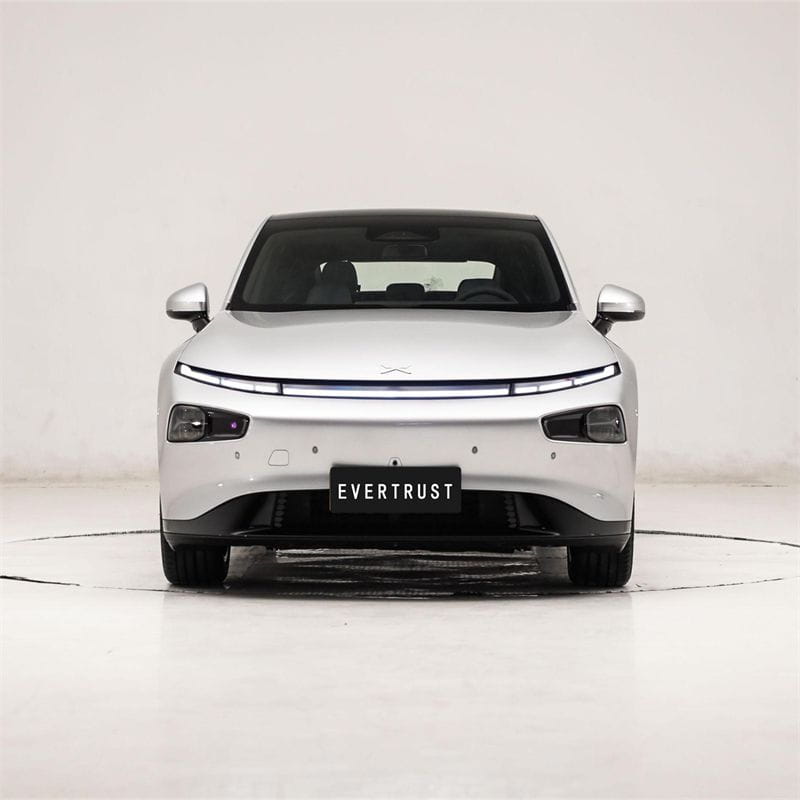
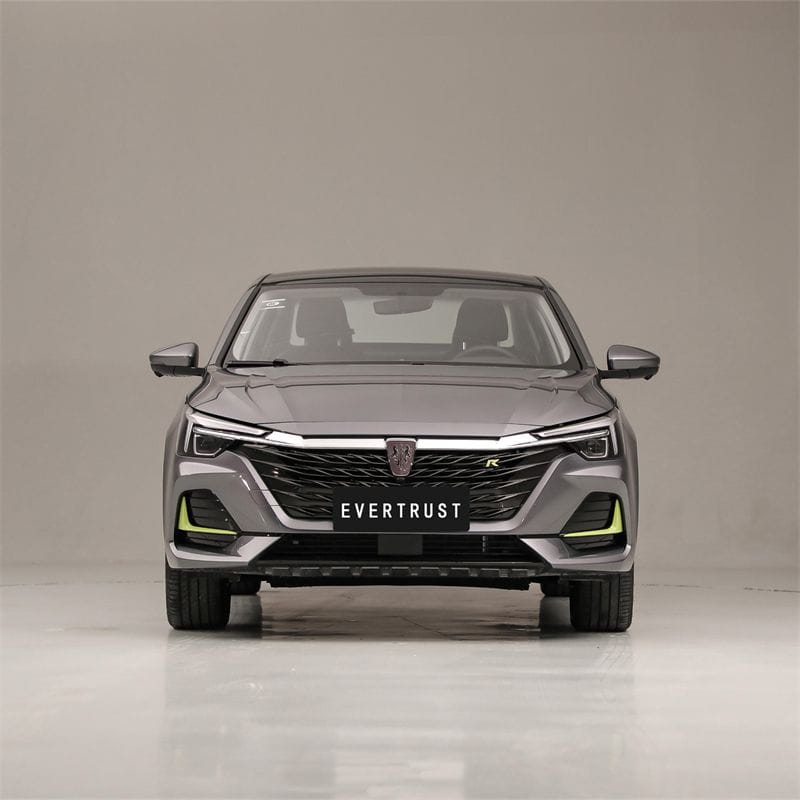
  • Passenger Cars: Sedans, SUVs, Crossovers, Hatchbacks, MPVs, and Luxury vehicles.

  • Commercial Vehicles: Light trucks, heavy-duty trucks, buses, and vans.

  • Motorcycles: Commuter, Cruiser, Sport, Touring, Adventure, and Off-road models.

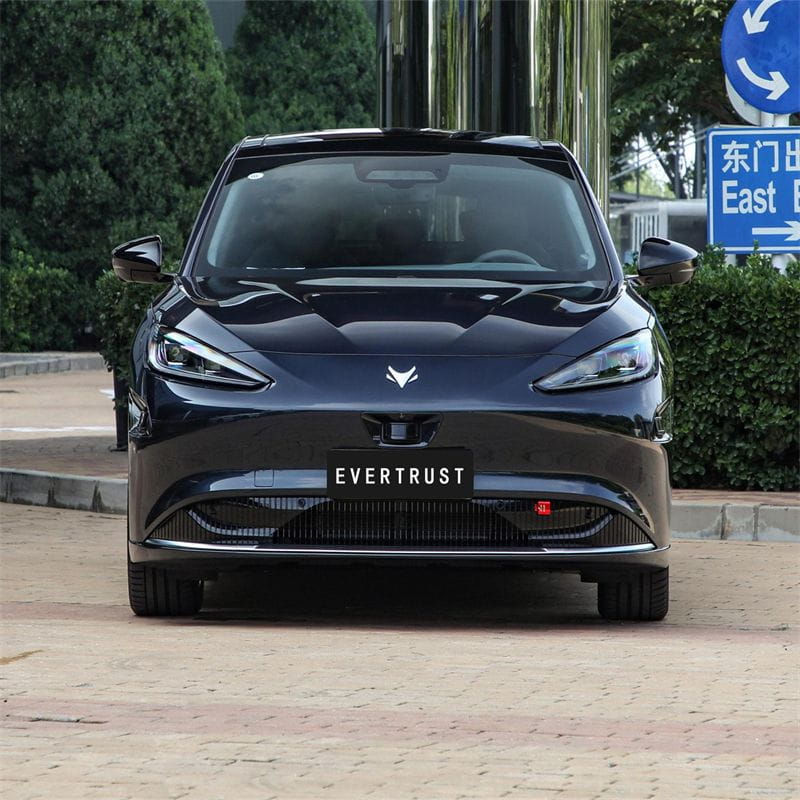
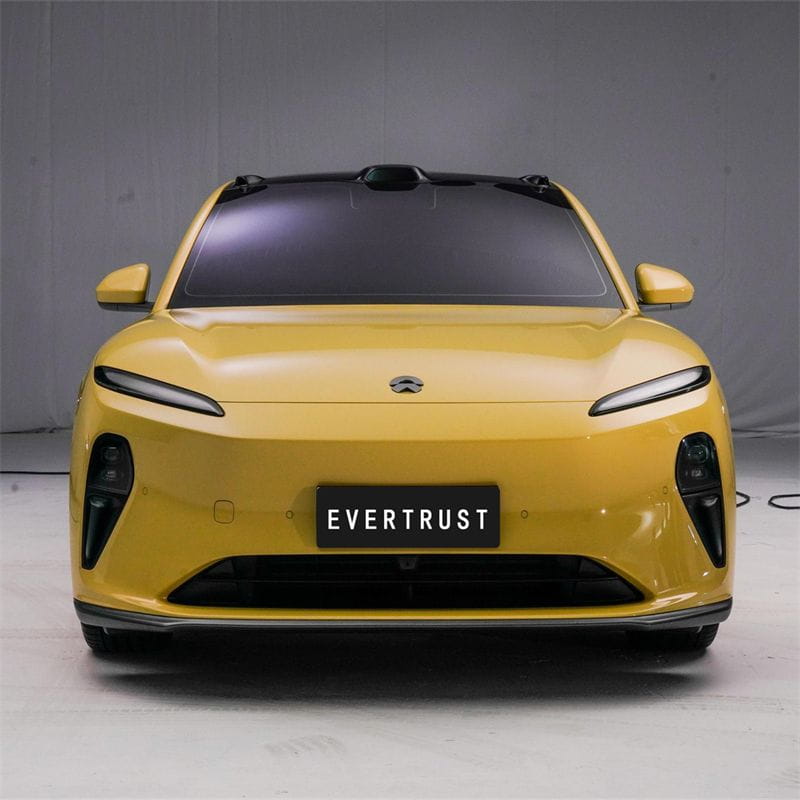
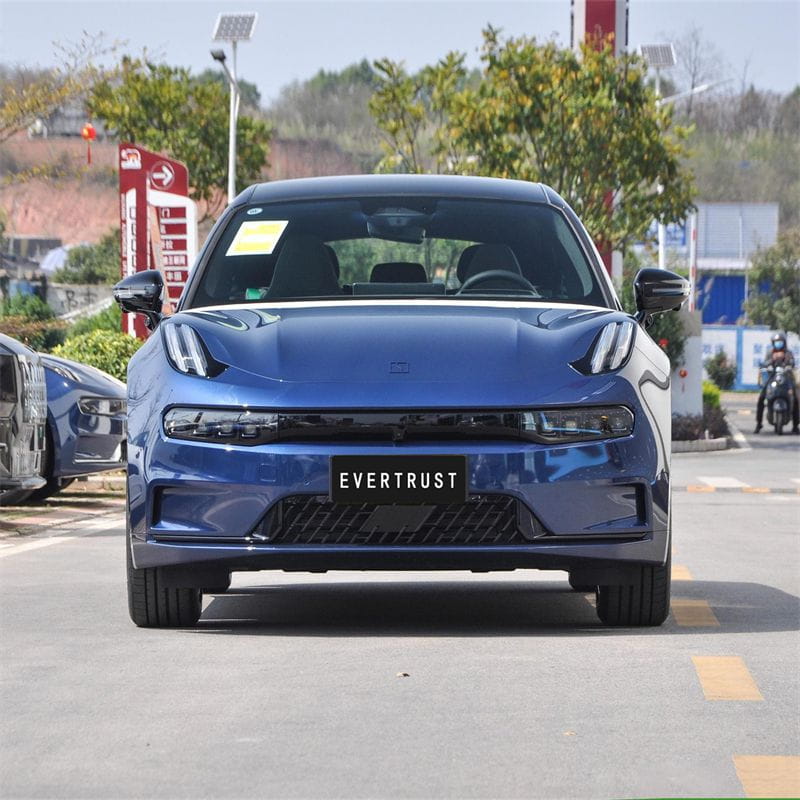
  • Specialty Vehicles: High-performance supercars, electric vehicles (EVs), and autonomous vehicle prototypes.

By Propulsion Technology:

  • Internal Combustion Engine (Gasoline, Diesel)

  • Hybrid Electric Vehicle (HEV)

  • Plug-in Hybrid Electric Vehicle (PHEV)

  • Battery Electric Vehicle (BEV)

  • Fuel Cell Electric Vehicle (FCEV)

III. Technology & Innovation Trends

  • Electrification & New Powertrains: Accelerated R&D in battery technology (solid-state), charging infrastructure, and electric platforms. Motorcycles are seeing growth in electric urban mobility models.

  • Connectivity & Software-Defined Vehicles: Vehicles evolving into connected platforms with over-the-air (OTA) updates, integrated infotainment ecosystems, and vehicle-to-everything (V2X) communication.

  • Autonomous Driving (ADAS to Autonomy): Progressive deployment of Advanced Driver-Assistance Systems (L2/L2+) and continued investment in higher-level autonomous driving (L4) for ride-hailing and logistics.

  • Shared Mobility & New Business Models: Growth of car-sharing, subscription services, and Mobility-as-a-Service (MaaS) platforms, impacting traditional ownership models.

  • Lightweighting & Advanced Manufacturing: Increased use of aluminum, carbon fiber, and high-strength steel. Adoption of AI in design, robotics, and 3D printing for prototyping and custom parts.

  • Sustainability in the Lifecycle: Focus on circular economy principles, including battery recycling, use of recycled and bio-based materials in interiors, and carbon-neutral manufacturing.

IV. Global Market Drivers

  • Stringent Emission & Safety Regulations: Global push for lower CO2 and NOx emissions (Euro 7, China 6) and mandatory ADAS features are forcing technological shifts.

  • Consumer Shift Towards EVs & Sustainability: Growing environmental awareness and total cost of ownership advantages are accelerating EV adoption.

  • Rising Demand in Emerging Economies: Increasing urbanization and middle-class expansion in Asia-Pacific and other regions drive demand for affordable personal mobility (cars and motorcycles).

  • Digital Consumer Expectations: Demand for seamless digital experiences in purchase, ownership, and in-vehicle interfaces similar to consumer electronics.

  • Supply Chain Resilience & Regionalization: Post-pandemic and geopolitical shifts leading to strategies for near-shoring and securing supplies of critical components (e.g., semiconductors, batteries).

  • Urbanization & Congestion: Driving demand for compact vehicles, EVs, and two-wheeled mobility solutions in dense city environments.

V. Major Players & Value Chain

  • Leaders: A mix of legacy OEMs (Toyota, Volkswagen Group, Stellantis, Ford, Honda, BMW), electric vehicle pioneers (Tesla, BYD, NIO), and leading motorcycle manufacturers (Hero, Honda, Yamaha, Harley-Davidson, Piaggio).

  • Value Chain: Raw Materials & Components (steel, semiconductors, batteries) → R&D & Design → Vehicle Assembly (OEMs) → Distribution & Retail (dealerships, direct sales) → Aftermarket Services (finance, insurance, maintenance, parts) → End-of-Life (recycling).

VI. Challenges & Opportunities

  • Challenges:

    • High Capital Intensity & Thin Margins: Massive upfront investments in new technologies (EVs, autonomy) with uncertain and long payback periods.

    • Battery Supply Chain & Raw Material Dependency: Geopolitical risks and price volatility linked to lithium, cobalt, nickel, and rare earth elements.

    • Global Semiconductor Shortages: Continued vulnerability to disruptions in the electronics supply chain.

    • Regulatory Complexity & Fragmentation: Navigating differing national and regional regulations on safety, emissions, data, and trade.

    • Competition from Tech Entrants: Increased competition from tech companies in areas like autonomous driving, connectivity, and user experience.

  • Opportunities:

    • Software & Services Revenue: Unlocking high-margin, recurring revenue streams from connected services, OTA feature upgrades, and data monetization.

    • EV Market Leadership & Ecosystem Control: Gaining advantage by controlling the EV value chain, from battery production to charging networks.

    • Premiumization in Emerging Markets: Rising affluence creating demand for luxury and premium vehicles and motorcycles.

    • Aftermarket & Lifecycle Services: Growth in parts, accessories, customization (especially for motorcycles), and certified pre-owned vehicles.

    • Strategic Partnerships: Collaborations between OEMs, tech firms, and battery makers to share costs, accelerate innovation, and access new capabilities.

Automobiles & Motorcycles Product List

Refine your results:
About results

Videos of Automobiles & Motorcycles

More About Automobiles & Motorcycles

Related searches of Automobiles & Motorcycles

Related Blogs of Automobiles & Motorcycles