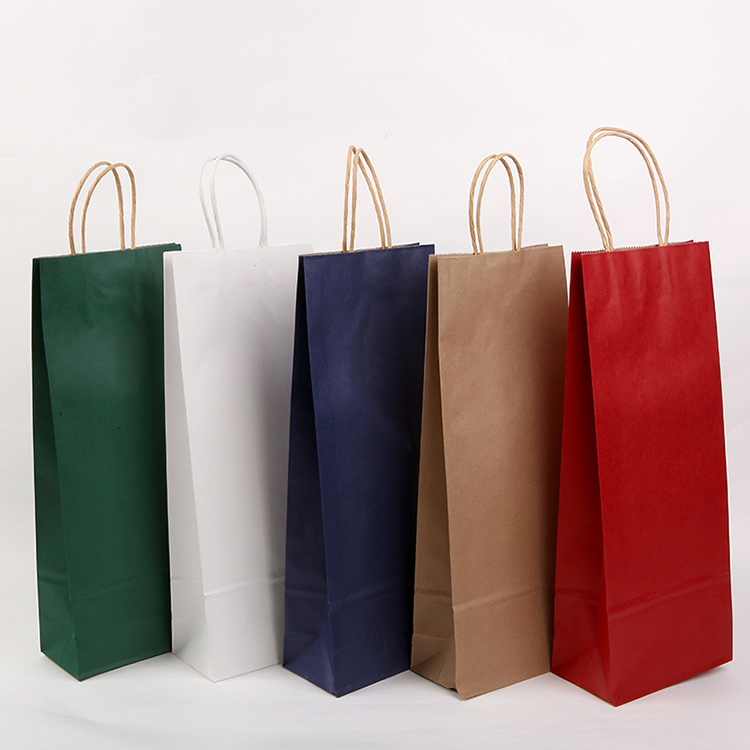
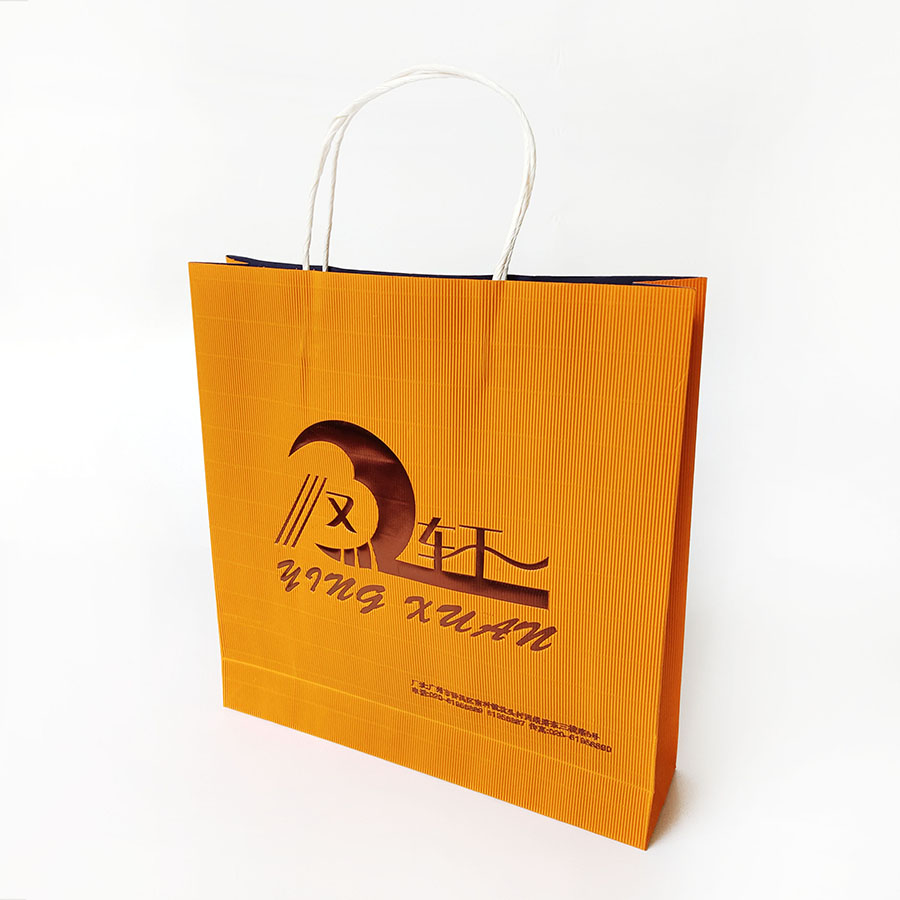
The Shopping Bags Industry encompasses the design, manufacturing, distribution, and recycling of carrier bags provided by retailers to customers for transporting purchased goods. This industry is a critical touchpoint in the retail supply chain and consumer experience, spanning a wide range of materials, functionalities, and business models, from single-use disposable bags to durable reusable solutions.
Plastic Bags:
HDPE (High-Density Polyethylene): Thin, lightweight, low-cost "single-use" grocery bags.
LDPE (Low-Density Polyethylene): Slightly thicker, used for boutique and department store bags.
PP (Polypropylene): Non-woven PP bags, often used as reusable shopping totes.
Recycled Plastic (rPET/rHDPE): Bags made from post-consumer recycled content.
Paper Bags:
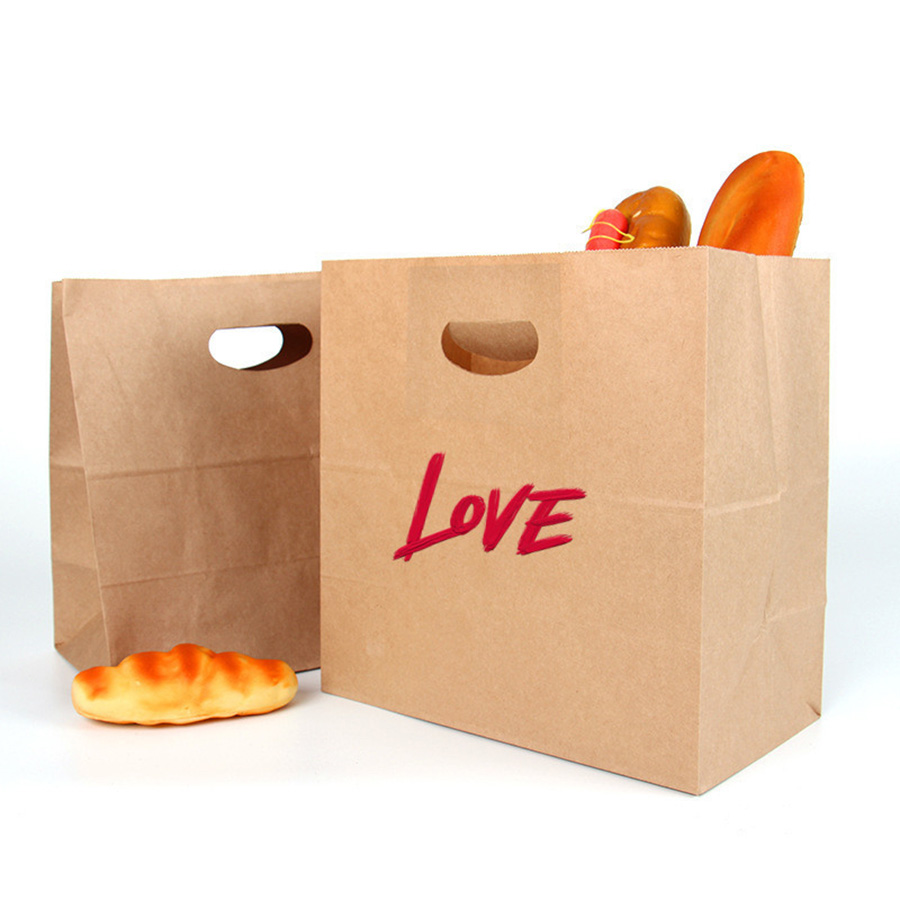
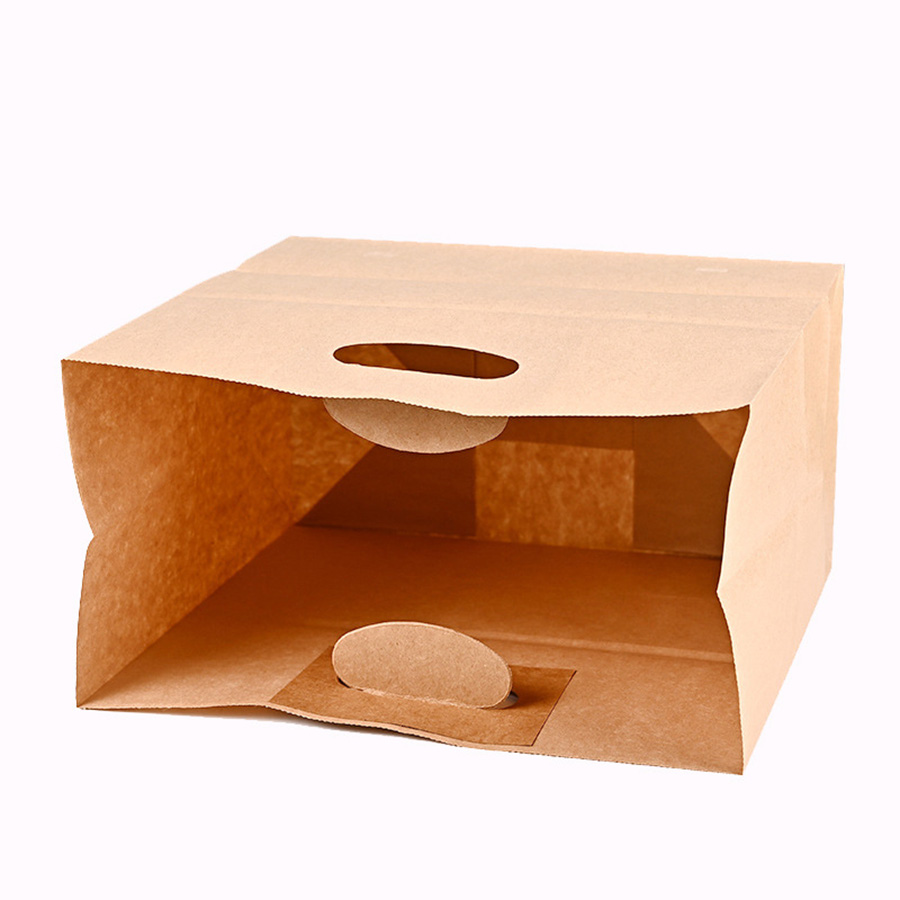
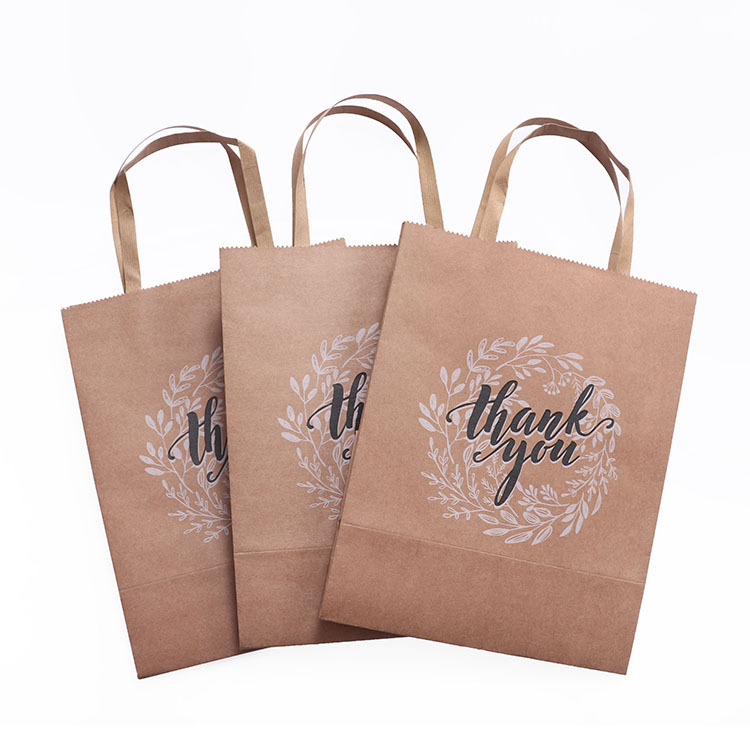
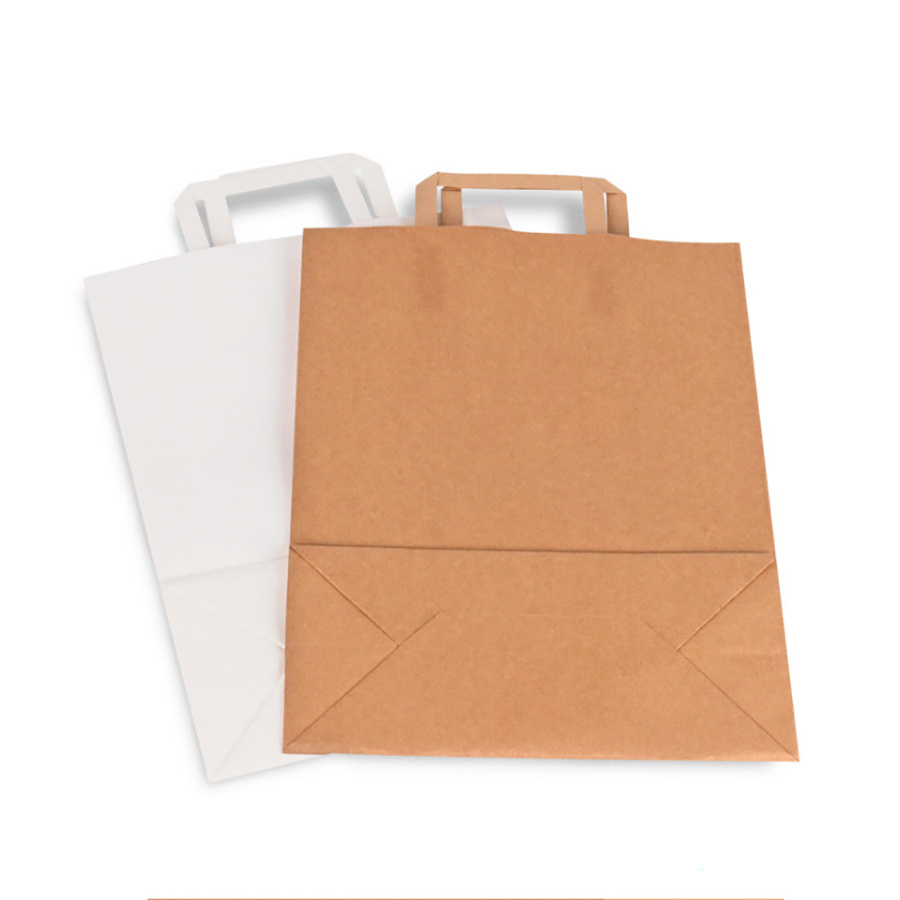
Kraft Paper Bags: Brown, natural, perceived as eco-friendly.
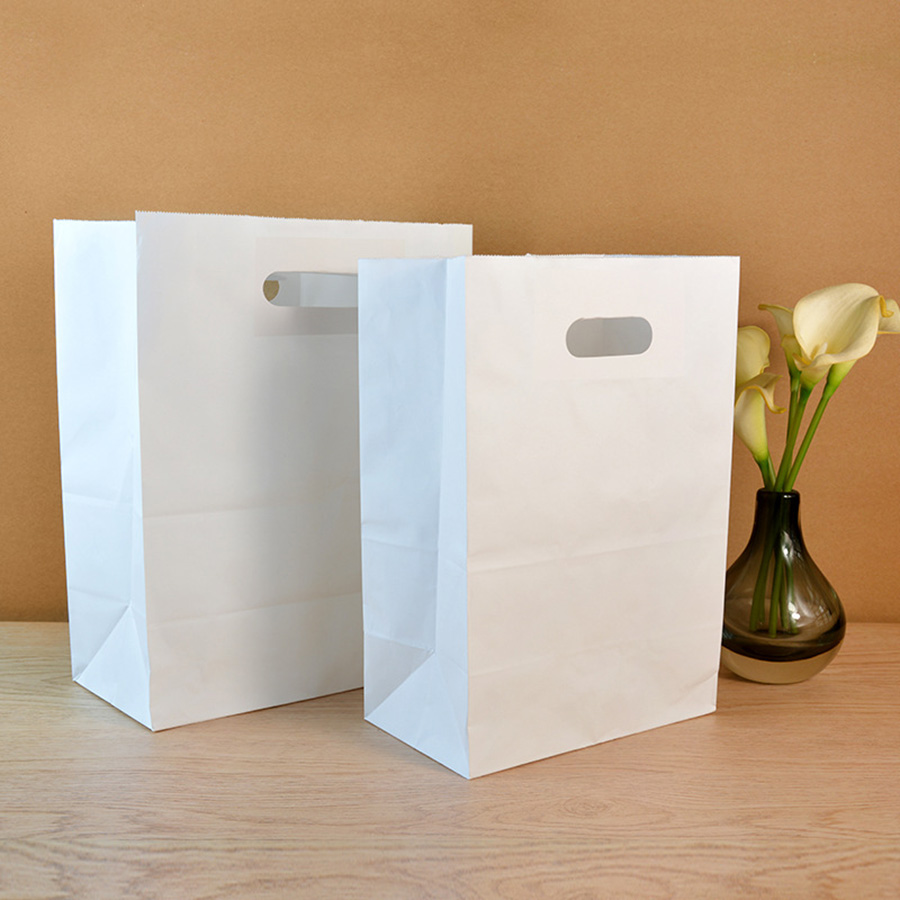
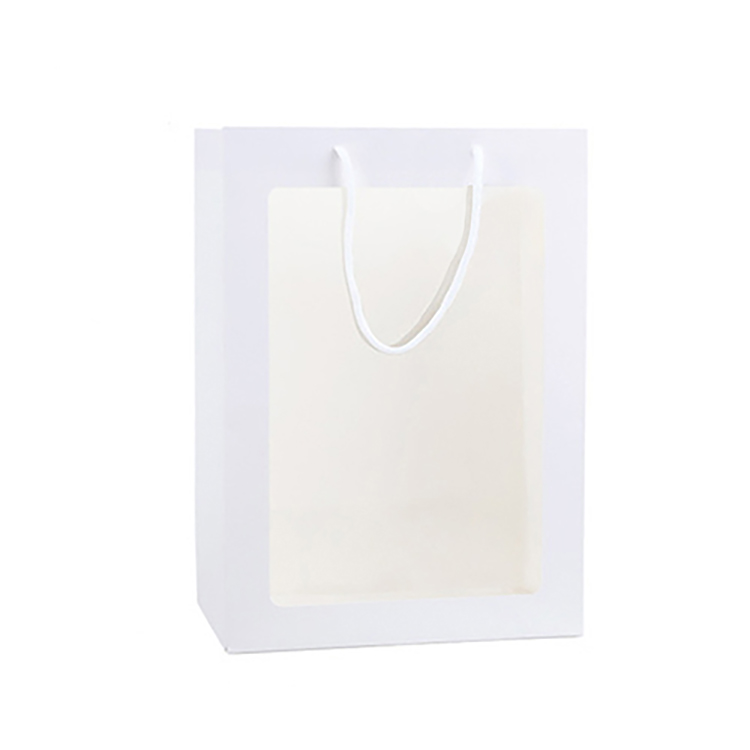
White/Coated Paper Bags: Bleached or clay-coated for premium printing and appearance.
Recycled Paper Bags: Made with varying percentages of post-consumer waste.
Textile & Fabric Bags:
Cotton Totes: Canvas or conventional cotton, popular reusable option.
Jute & Hessian Bags: Natural fiber, rustic aesthetic, heavy-duty.
Polyester/Nylon Totes: Lightweight, foldable, often used for promotions.
Non-Woven PP Fabric Bags: Treated as a fabric-like reusable option.
Composite & Innovative Materials:
Biodegradable/Compostable Plastics (e.g., PLA): Designed to break down under specific conditions.
RPET Felt: Made from recycled plastic bottles.
Recycled Materials: Woven bags from recycled seatbelts, banners, etc.
Primary Shopping/Carrier Bags: The main bag provided at checkout to carry goods home (grocery, retail).
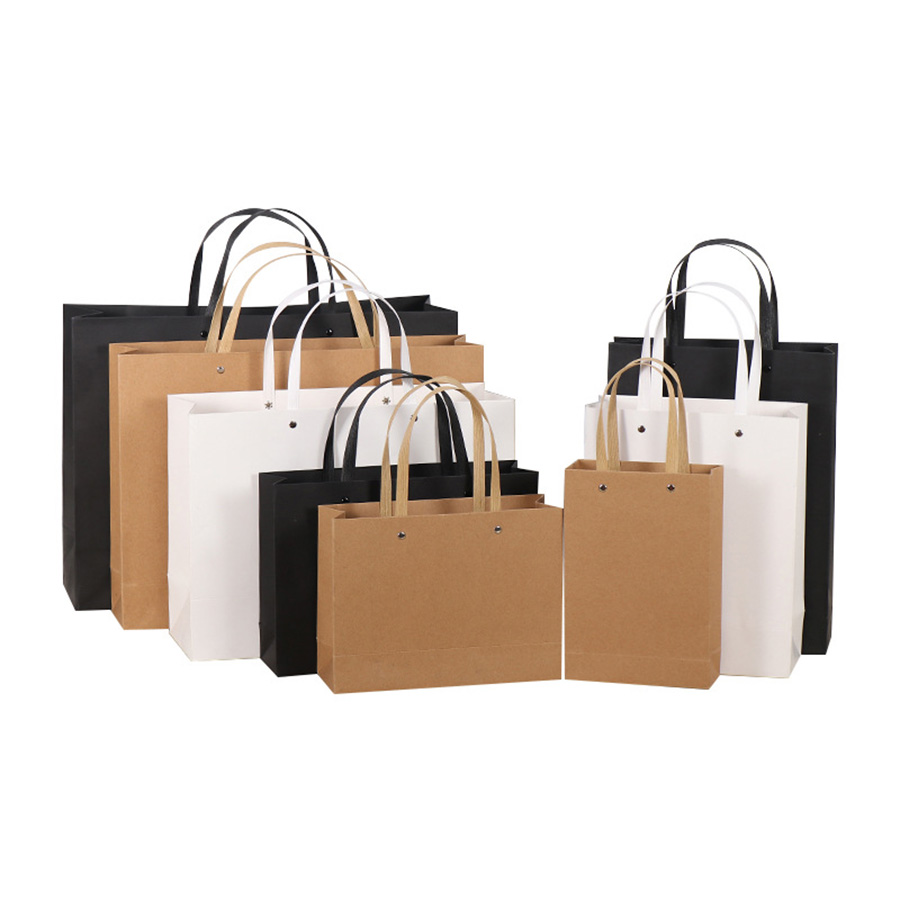
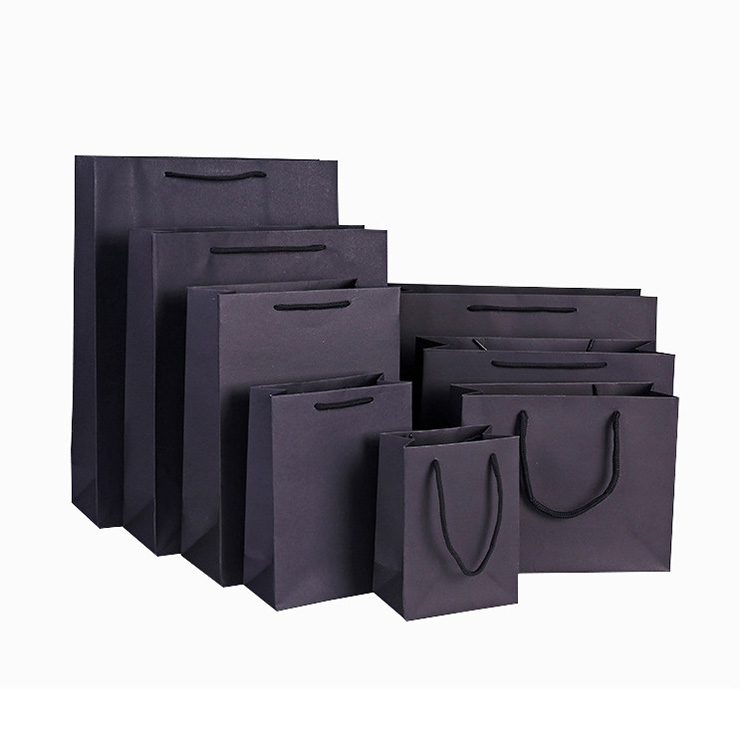
Secondary/Gift Packaging: Smaller, higher-quality bags for jewelry, cosmetics, luxury goods, and gifting (often with handles and tissue).
Reusable Bags: Durable bags designed for multiple uses, sold or promoted to reduce disposable bag consumption.
Branded/Promotional Bags: Custom-printed with logos and messages, serving as mobile advertising.
Specialty Bags: Insulated bags for perishables, wine bottle bags, garment bags.
Upstream:
Raw Material Suppliers: Producers of plastic resins (fossil-based or bio-based), paper pulp, natural fibers (cotton, jute), inks, adhesives.
Machinery Manufacturers: Suppliers of bag-making machines (flexo printers, extruders, converting machines).
Midstream:
Bag Converters/Manufacturers: Companies that purchase raw materials and convert them into finished bags through printing, cutting, and sealing processes. Ranging from large-scale industrial plants to small custom print shops.
Design & Pre-press Services: Creating artwork, managing brand colors, and preparing printing plates/digital files.
Quality Control: Ensuring strength, print quality, and compliance with relevant regulations (e.g., thickness, chemical content).
Downstream:
Brand Owners & Retailers: The primary customers, including supermarkets, fashion brands, department stores, restaurants, and event organizers. They commission bags for their operations.
Distributors & Promotional Product Companies: Act as intermediaries, stocking and selling standard or custom bags to smaller businesses.
End Consumers: The final users who carry the bags. Their behavior (reuse, disposal, recycling) critically impacts the industry's environmental footprint.
Waste Management & Recycling Sector: Collects, sorts, and processes used bags, playing an increasingly vital role in the circular economy.
Regulation-Driven Transformation: Global bans/fees on lightweight plastic bags are the single biggest factor reshaping the industry, forcing shifts to alternative materials and reusable models.
Branding & Marketing Vehicle: Bags are a powerful, low-cost form of out-of-store advertising and brand reinforcement.
Commodity vs. Value-Added: Low-end disposable bags are highly price-sensitive commodities, while customized, reusable, and premium bags compete on design, quality, and brand alignment.
Environmental Impact Scrutiny: The industry is under constant pressure to reduce its environmental footprint, leading to innovation in materials and lifecycle management.
The Rise of Reusables & Circular Systems:
Shift from single-use to durable reusable bag systems, including bag rental/loan schemes at supermarkets.
Development of bag take-back programs and recycling infrastructure specifically for flexible plastics and composites.
Material Innovation & Sustainability:
Growth in certified compostable bags for specific waste streams (e.g., food waste).
Increased use of recycled content (post-consumer and post-industrial) in both plastic and paper bags.
Exploration of next-gen materials like PHA (polyhydroxyalkanoates) and other bio-based polymers.
Smart & Functional Bags:
Integration of QR codes or NFC tags linking to brand content, sustainability stories, or recycling instructions.
Bags with built-in trackers for rental systems or premium logistics.
Policy & Standardization:
Harmonization of bag regulations across regions.
Emergence of clearer certifications and labeling (e.g., for compostability, recycled content) to guide consumers and retailers.
Premiumization of Experience:
Luxury and premium brands investing in high-quality, aesthetically pleasing, and functional bags as an integral part of the unboxing and brand experience.
Challenges:
Regulatory Complexity & Cost: Navigating a patchwork of local and international regulations on bag bans, taxes, and material specifications increases compliance costs.
True Environmental Trade-offs: No single material is perfect; paper has high water/carbon footprint, cotton requires significant resources, compostables need specific facilities. Avoiding "greenwashing" is a challenge.
Consumer Behavior Change: Encouraging consistent reuse of bags requires ongoing education and convenient systems.
Recycling Infrastructure Gaps: Effective recycling for many flexible plastics and composite materials remains limited, hindering circularity.
Opportunities:
Innovation Leadership: Companies that develop truly sustainable, cost-effective, and functional bag solutions will capture market share.
Circular Economy Services: Building businesses around bag collection, refurbishment, recycling, and material recovery.
Brand Partnership & Storytelling: Helping brands communicate their sustainability commitments through transparently sourced and designed bag programs.
E-commerce Packaging Integration: Designing shopping bags that also function as efficient, protective, and brand-enhancing e-commerce delivery packaging.