Bags, Shoes & Accessories Product List
Industry Definition & Scope
The bags, shoes, and accessories industry (often grouped under "fashion accessories") encompasses the design, manufacturing, marketing, and retail of non-apparel items that complement personal style and serve functional purposes. This dynamic sector operates at the intersection of fashion, luxury, utility, and self-expression, with products ranging from essential daily items to high-end luxury goods. The industry is highly responsive to fashion trends, cultural shifts, and consumer lifestyle changes.
Key Product Categories
By Core Product Type:
-
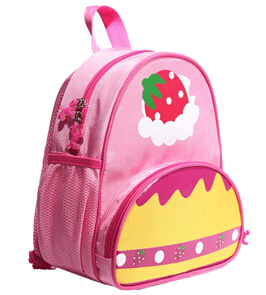
Bags & Luggage: Handbags, shoulder bags, backpacks, clutches, totes, wallets, travel luggage, and business cases.
-
Footwear: Dress shoes, sneakers, athletic footwear, boots, sandals, loafers, and specialized footwear (e.g., orthopedic, safety).
-
Fashion Accessories: Belts, hats, caps, scarves, gloves, ties, jewelry (fine & costume), watches, sunglasses, and hair accessories.
-
Small Leather Goods & Personal Accessories: Keychains, card holders, phone cases, tech accessories, and cosmetic pouches.
By Market Positioning & Consumer Segment:
-
Luxury & Designer: High-end brands emphasizing craftsmanship, heritage, exclusive materials, and premium pricing.
-
Premium & Contemporary: Fashion-forward brands targeting style-conscious consumers with quality materials and strong branding.
-
Mass Market & Fast Fashion: Trend-driven, affordable products produced rapidly in high volumes for broad consumer bases.
-
Athletic & Performance: Footwear and bags designed for specific sports, outdoor activities, or technical performance.
-
Sustainable & Ethical: Brands focused on eco-friendly materials, transparent supply chains, and ethical production practices.
Technology & Innovation Trends
-
Sustainable Material Innovation: Development and use of bio-based materials (e.g., mushroom leather, pineapple leaf fiber), recycled fabrics (rPET, ocean plastics), and chrome-free leather tanning processes.
-
Direct-to-Consumer & Digital Native Brands: Rise of brands built primarily online, leveraging social media marketing, influencer partnerships, and e-commerce platforms.
-
Customization & Personalization: Technologies enabling consumers to customize colors, materials, monograms, and designs online or in-store.
-
Smart Features & Wearable Integration: Bags and accessories with built-in charging ports, GPS trackers, LED lighting, and connectivity with smartphones.
-
Advanced Manufacturing: Use of 3D printing for prototyping and limited-edition products, automated cutting for material efficiency, and CAD software for intricate design.
-
Circular Business Models: Growth of repair services, resale platforms (e.g., The RealReal, Vestiaire Collective), rental services, and product take-back programs.
-
Virtual Try-On & Augmented Reality: AR apps allowing consumers to visualize products (like shoes or sunglasses) on themselves using their smartphone cameras.
Global Market Drivers
-
Fashion Cycles & Social Media Influence: Rapid trend dissemination via platforms like Instagram, TikTok, and Pinterest driving frequent purchases.
-
Rising Disposable Income & Aspirational Consumption: Growing middle-class in emerging markets seeking status symbols and branded goods.
-
Casualization & Hybrid Lifestyles: Blurring lines between formal and casual wear, increasing demand for versatile products (e.g., luxury sneakers, premium backpacks).
-
Experiential Consumption & Brand Storytelling: Consumers valuing brand heritage, sustainability narratives, and unique shopping experiences over mere products.
-
E-commerce Growth & Omnichannel Retail: Seamless integration of online and offline shopping, with convenience and experience being key.
-
Travel & Tourism Recovery: Post-pandemic resurgence boosting demand for luggage, travel-friendly bags, and comfortable footwear.
-
Health & Wellness Focus: Increased participation in athletics and outdoor activities driving performance footwear and accessories.
Industry Value Chain
-
Raw Material Suppliers: Tanneries, textile mills, metal component makers, synthetic material producers, and specialty hardware suppliers.
-
Manufacturers & Contractors: Factories specializing in cut-and-sew for leather goods, footwear assembly, jewelry crafting, and accessory production.
-
Brands & Design Houses: Companies focused on design, branding, marketing, and distribution.
-
Distributors & Wholesalers: Intermediaries connecting manufacturers with regional retailers.
-
Retail Channels: Department stores, specialty boutiques, brand flagship stores, online marketplaces (e.g., Farfetch, Amazon), and direct brand websites.
-
Logistics & Fulfillment: Global shipping, warehousing, and last-mile delivery services.
-
End Consumers: Individual purchasers driven by fashion, function, gifting, or collecting.
Key Industry Challenges
-
Counterfeiting & Intellectual Property Theft: Widespread issue of fake products damaging brand value, revenue, and consumer trust.
-
Supply Chain Complexity & Ethical Sourcing: Ensuring transparency and fair labor practices across often fragmented, global supply chains for materials like leather and metals.
-
Inventory Management & Seasonality: High risk of overstocking trendy items that quickly go out of fashion, leading to heavy markdowns.
-
Sustainability Pressure & Greenwashing Accusations: Increasing scrutiny on environmental impact (material sourcing, waste, carbon footprint) requiring genuine commitment.
-
Intense Competition & Market Saturation: Crowded market with constant pressure from new entrants, fast-fashion giants, and luxury conglomerates.
-
Economic Sensitivity: Discretionary spending on accessories and footwear often declines during economic downturns.
-
Rising Production Costs: Fluctuations in raw material costs (leather, cotton, metals) and increasing labor costs in manufacturing regions.
Future Outlook
-
Resale & Rental Becoming Mainstream: Continued growth of the secondary market and accessory rental subscriptions, especially for high-value items.
-
Hyper-Personalization & Digital Products: Advancements in made-to-order manufacturing and emergence of digital-only fashion accessories (NFTs) for virtual worlds.
-
Material Science Breakthroughs: Commercial scaling of next-generation sustainable materials that match or exceed the performance and aesthetics of traditional ones.
-
Phygital Experiences: Deeper integration of physical products with digital identities (e.g., NFC chips for authenticity, access to exclusive content).
-
Regional Design & Production Hubs: Strengthening of local design sensibilities and smaller-batch production closer to key consumer markets.
-
Focus on Durability & Repair: Shift in consumer mindset towards "buy less, buy better," favoring brands that offer repair services and lifetime warranties.
-
Data-Driven Design & Demand Forecasting: Use of AI to analyze trend data, social sentiment, and sales patterns to inform design and production planning.