Bathroom Accessories

Industry Definition & Scope

The bathroom accessories industry encompasses the design, manufacturing, distribution, and retail of functional and decorative items that complement bathroom fixtures and enhance the utility, organization, safety, and aesthetics of bathroom spaces. This industry serves both residential and commercial sectors, ranging from essential hardware to luxury décor, and operates within the broader home improvement and interior design markets.

Key Product Categories

By Primary Function:

  • Storage & Organization: Medicine cabinets, shower caddies/shelves, vanity organizers, toothbrush holders, soap dispensers, laundry hampers.

  • Hardware & Fixtures: Towel bars/rings/hooks, toilet paper holders, robe hooks, grab bars, shower rods/curtains.

  • Consumable Dispensers: Soap dishes/pumps, lotion dispensers, shampoo/conditioner bottles, tumblers.

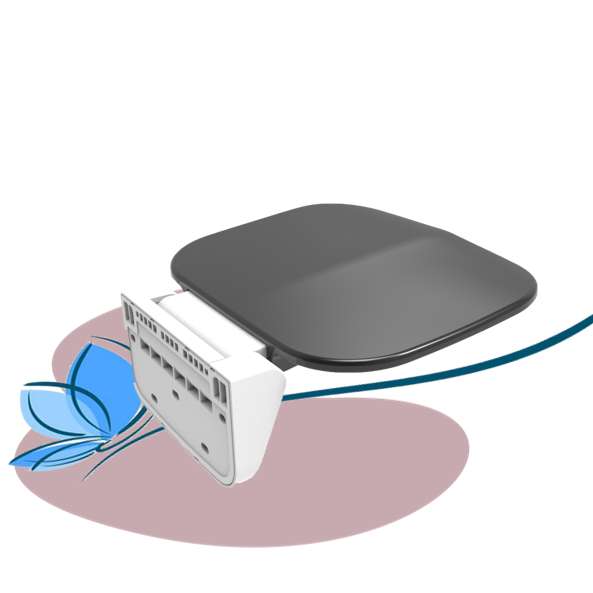
  • Safety & Accessibility: Non-slip bath mats, shower stools/benches, grab bars, raised toilet seats, night lights.

  • Decorative & Ambient: Wall art, vases, candles, diffusers, decorative trays, plants, decorative mirrors.

  • Textiles: Bath towels, hand towels, washcloths, bath mats/rugs, shower curtains.

By Material:

  • Metals: Stainless steel, brass, chrome, bronze, aluminum (often with finishes like brushed, polished, oil-rubbed).

  • Ceramics & Glass: Porcelain, stoneware, tempered glass, crystal.

  • Natural Materials: Stone (marble, granite), wood (teak, bamboo), seagrass, natural fibers.

  • Polymers & Composites: Acrylic, ABS plastic, polyester, fiberglass.

  • Textiles: Cotton, bamboo, microfiber, Turkish cotton.

By Style & Market Tier:

  • Budget/Essential: Basic, mass-produced functional items.

  • Mid-Market: Stylish designs with better materials, often following trends.

    • Designer/Luxury: High-end materials, artisanal craftsmanship, iconic designs.

  • Themed/Novelty: Children's bathrooms, specific aesthetic themes (coastal, rustic).

Technology & Innovation Trends

  • Smart Integration: LED-lit mirrors with touch controls, Bluetooth speakers, digital shower controllers, smart scales, toothbrush sterilizers.

  • Anti-Microbial & Hygienic Materials: Surfaces infused with silver ions or other antimicrobial agents, easy-clean coatings.

  • Multifunctional & Space-Saving Design: Wall-mounted, floating, and foldable accessories for smaller bathrooms; combination units (e.g., shelf + towel bar).

  • Sustainable Materials: Use of recycled metals, glass, and plastics; rapidly renewable resources like bamboo; water-saving dispensers.

  • Advanced Manufacturing: 3D printing for custom designs, precision CNC machining for metals.

  • Personalization: Monogramming, customizable finish options, modular systems.

Global Market Drivers

  • Home Renovation & Remodeling Activity: A primary driver of replacement and upgrade purchases.

  • Growth in Real Estate Development: New residential and hospitality construction.

  • Focus on Bathroom as a Wellness Sanctuary: Investment in creating spa-like, relaxing environments at home.

  • Aging-in-Place Renovations: Demand for safety and accessibility products.

  • E-commerce Growth: Online platforms facilitating discovery, comparison, and purchase of a vast range of accessories.

  • Interior Design Trends: Consumer desire for coordinated, aesthetically pleasing bathrooms influenced by social media and design shows.

Supply Chain & Competitive Landscape

  • Manufacturers: Range from large conglomerates (like Masco, which owns brands like Delta and Hansgrohe for hardware) to specialized mid-sized companies and small artisanal workshops.

  • Key Brands (Varies by segment): Kohler, Moen, Delta, InterDesign, Umbra, Simplehuman, OXO, Gorilla Grip.

  • Distribution Channels:

    • Retail: Home improvement centers (Home Depot, Lowe's), department stores, specialty bath stores, online pure-plays (Amazon, Wayfair).

    • Trade: Wholesalers and distributors serving contractors, designers, and hotel suppliers.

  • Marketing: Heavily reliant on visual appeal through catalogs, showrooms, social media (Pinterest, Instagram), and influencer partnerships in the home décor space.

Key Industry Challenges

  • Fast-Changing Trends: Short product lifecycles due to rapidly evolving design and color trends.

  • High Fragmentation: Intense competition from numerous small and large players.

  • Cost Pressure: Volatility in raw material costs (metals, resins) and competition from low-cost imports.

  • Quality vs. Price Perception: Consumer difficulty in discerning material and build quality, especially online.

  • Supply Chain Complexity: Managing inventory for a wide SKU count with seasonal and trend-driven demand.

Future Outlook

The bathroom accessories industry is evolving toward a greater blend of technology, personal wellness, and sustainability.

  • Wellness-Integrated Accessories: More products focused on mood (lighting, scent), recovery (chromotherapy), and health monitoring.

  • Circular Economy Models: Growth in take-back programs, refillable dispensers, and designs focused on disassembly and recyclability.

  • Hyper-Personalization: Increased capability for customized colors, finishes, and configurations via online tools.

  • Commercial Sector Innovation: Smart, hygienic, and durable accessories for hotels, healthcare, and senior living facilities.

  • Direct-to-Consumer Growth: Continued expansion of niche brands using online channels to reach specific consumer segments.

Bathroom Accessories Product List

Refine your results:
About results

Videos of Bathroom Accessories

More About Bathroom Accessories

Related searches of Bathroom Accessories

Related Blogs of Bathroom Accessories