The apparel, textiles, and accessories industry encompasses the design, production, distribution, and retail of clothing, fabrics, footwear, and complementary adornment items. This dynamic sector spans from raw material sourcing to final consumer purchase, integrating creative design, complex manufacturing, global logistics, and fashion marketing. The industry serves both functional needs and self-expression through personal style, representing one of the world's largest consumer goods markets and a significant component of global trade.
Apparel & Clothing: All types of garments including casualwear, formalwear, sportswear, underwear, outerwear, and uniforms.
Textiles & Fabrics: Woven, knitted, and non-woven materials made from natural fibers (cotton, wool, silk, linen), synthetic fibers (polyester, nylon, acrylic), and blended materials for various end-uses.
Footwear: Shoes, boots, sandals, and athletic footwear across categories from luxury to mass-market.
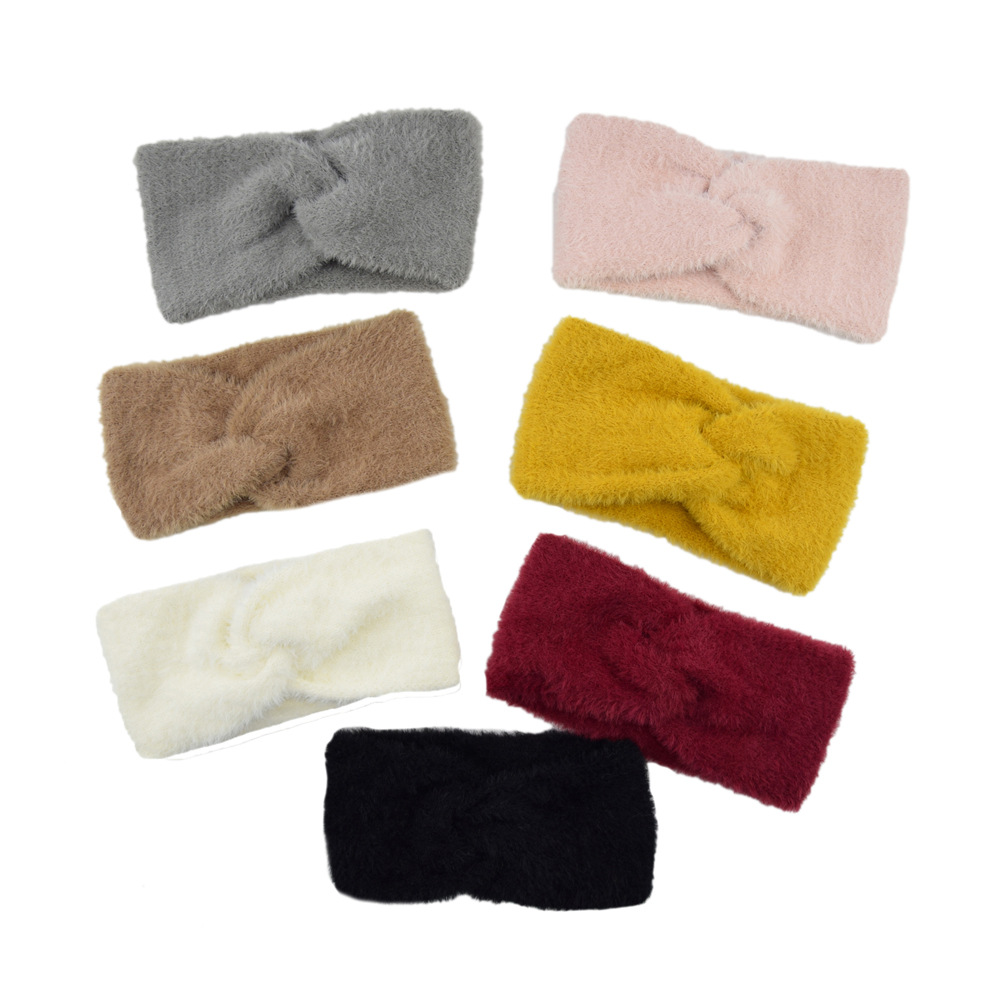
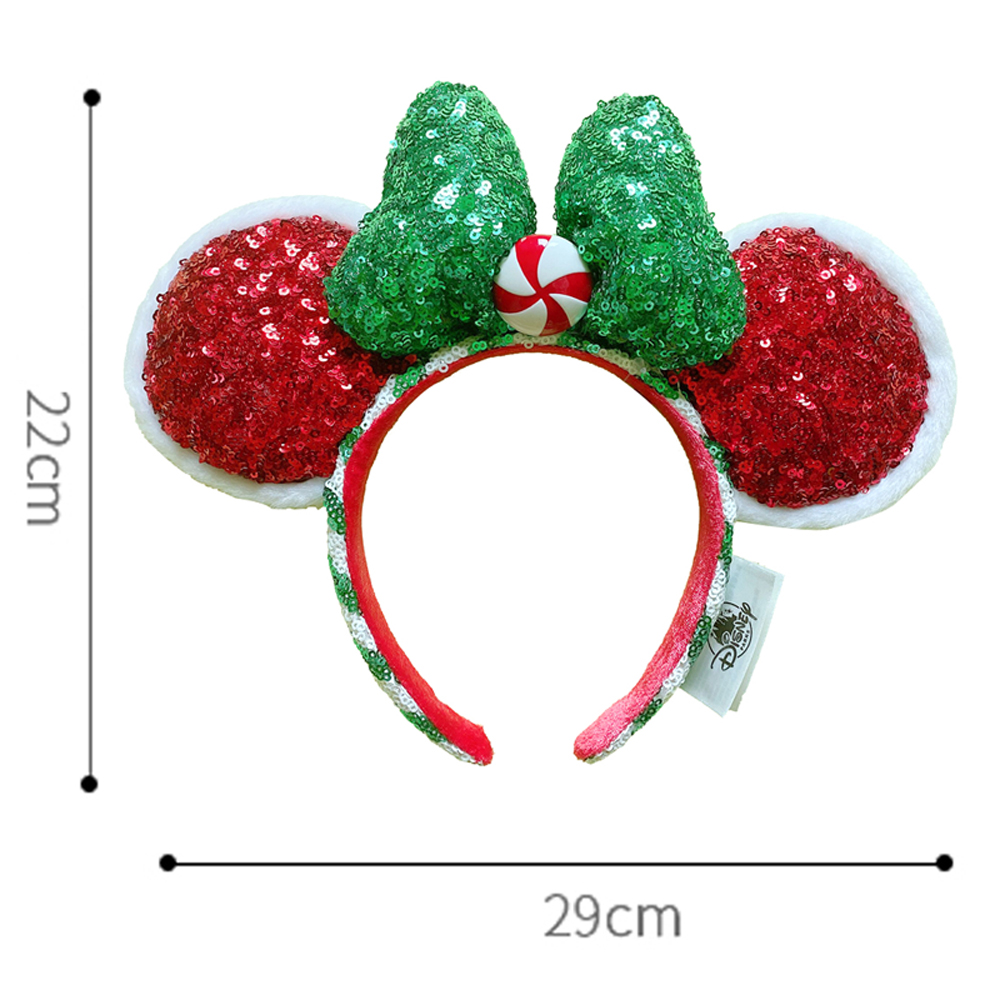
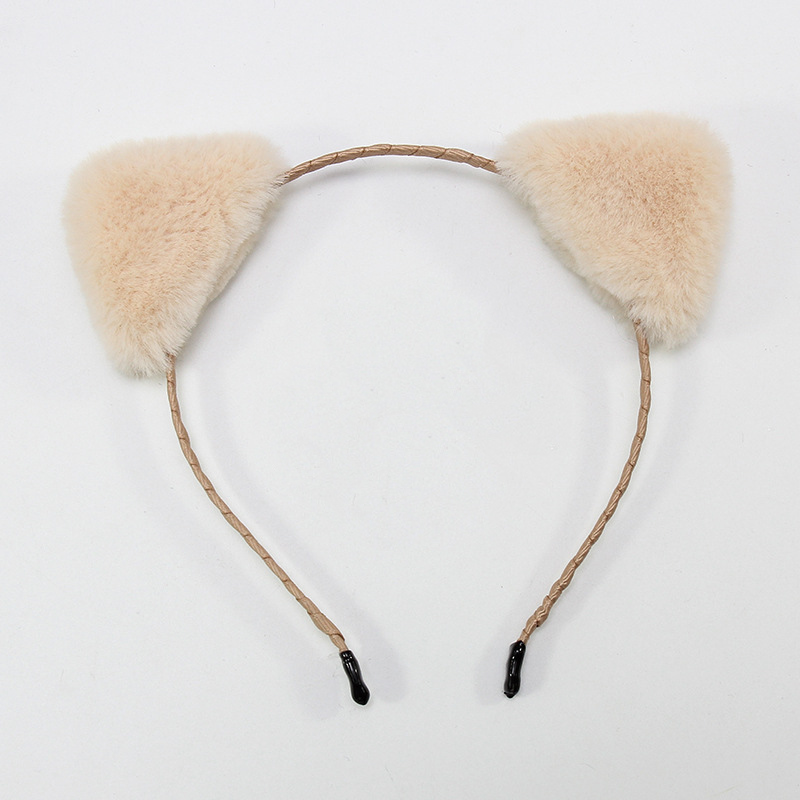
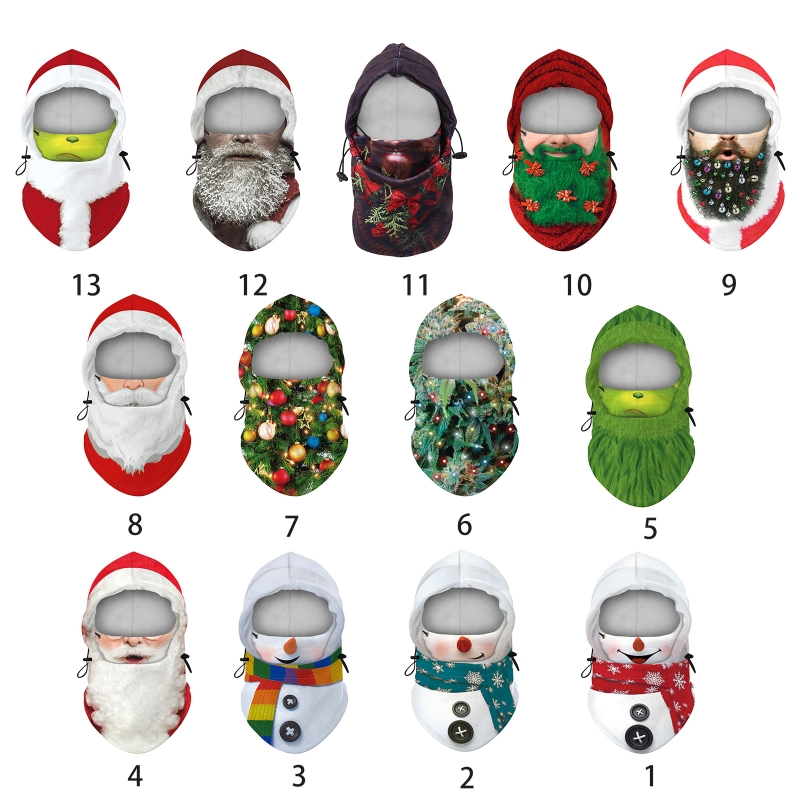
Fashion Accessories: Bags, belts, hats, scarves, jewelry, watches, sunglasses, and other complementary items.
Technical & Industrial Textiles: Functional fabrics for automotive, medical, protective, geotechnical, and industrial applications.
Luxury & Designer: High-end brands emphasizing craftsmanship, exclusivity, and premium pricing.
Premium & Bridge: Quality brands positioned between luxury and mass-market.
Mass Market & Fast Fashion: Affordable, trend-driven apparel produced and distributed rapidly in large volumes.
Value & Discount: Economically priced basic apparel and accessories.
Sportswear & Activewear: Performance-oriented apparel for sports and athletic activities.
Sustainable & Ethical Fashion: Products emphasizing environmental responsibility and ethical production practices.
Digital Design & 3D Prototyping: Use of CAD software, 3D modeling, and virtual sampling to reduce physical samples and accelerate development cycles.
Smart Textiles & Wearable Technology: Integration of electronics, sensors, and conductive fibers into fabrics for health monitoring, temperature regulation, and interactive functionality.
Sustainable Materials & Processes: Development of recycled fibers (from PET bottles, ocean plastic), bio-based materials, waterless dyeing, and closed-loop manufacturing systems.
On-Demand & Custom Manufacturing: Digital printing, automated cutting, and flexible production systems enabling made-to-order and personalized products with reduced inventory.
Supply Chain Digitization: RFID tracking, blockchain for traceability, AI-powered demand forecasting, and digital platforms connecting designers, manufacturers, and retailers.
Advanced Manufacturing Technologies: Robotics in sewing and material handling, automated knitting, and laser finishing for improved efficiency and precision.
Circular Economy Initiatives: Clothing rental platforms, resale markets, repair services, and recycling technologies to extend product lifecycles.
Fast Fashion & Rapid Trend Cycles: Accelerated fashion turnover driven by social media influence and consumer demand for newness.
E-commerce & Direct-to-Consumer Growth: Expansion of online shopping, mobile commerce, and brand-owned digital channels transforming retail landscapes.
Athleisure & Casualization: Blurring boundaries between athletic and casual wear, driven by lifestyle changes and remote work trends.
Sustainability & Ethical Consumption: Increasing consumer awareness and regulatory pressure regarding environmental impact, labor practices, and circularity.
Regional Market Development: Growing middle-class populations in Asia-Pacific, Latin America, and Africa driving demand.
Personalization & Self-Expression: Consumer desire for unique products reflecting individual identity and values.
Trade Policy & Sourcing Diversification: Shifting global supply chains due to tariffs, trade agreements, and geopolitical considerations.
Raw Material Suppliers: Fiber producers (natural, synthetic), textile mills, leather tanneries, and component manufacturers.
Manufacturers & Contractors: Cut-make-trim facilities, full-package suppliers, and specialized production units.
Brands & Designers: Companies developing collections, managing brands, and marketing products.
Distributors & Wholesalers: Intermediaries connecting manufacturers with retailers.
Retailers & Marketplaces: Physical stores, e-commerce platforms, department stores, and specialty retailers.
Logistics & Supply Chain Services: Transportation, warehousing, customs clearance, and fulfillment providers.
Consumers: End-users purchasing products for personal use, gifting, or resale.
Environmental Impact: Significant water consumption, chemical use, microfiber pollution, and textile waste contributing to environmental degradation.
Labor & Ethical Issues: Complex global supply chains with challenges in ensuring fair wages, safe working conditions, and ethical sourcing.
Inventory Management & Markdowns: Balancing supply with uncertain demand, leading to overproduction, stockouts, and margin erosion through discounting.
Counterfeiting & Intellectual Property: Widespread imitation of designs and brands, particularly in digital marketplaces.
Rising Production Costs: Increasing labor costs in traditional manufacturing regions and volatility in raw material prices.
Fragmented Consumer Attention: Intense competition for consumer engagement across multiple channels and media platforms.
Regulatory Compliance: Navigating diverse regulations regarding product safety, labeling, chemical restrictions, and import/export requirements.
Hybrid Retail Experiences: Seamless integration of physical and digital shopping through augmented reality fitting, social commerce, and experiential stores.
Data-Driven Design & Production: Increased use of consumer data, AI trend forecasting, and predictive analytics to inform design and inventory decisions.
Material Innovation Breakthroughs: Development of next-generation sustainable materials including lab-grown leather, spider-silk alternatives, and carbon-negative fabrics.
Hyper-Personalization: Advanced customization through body scanning, AI style recommendations, and made-to-fit manufacturing.
Resale & Rental Mainstreaming: Growth of secondhand markets and clothing subscription services becoming integral to fashion consumption.
Regional & Nearshoring Shifts: Rebalancing of manufacturing toward regional hubs and automated production closer to end markets.
Transparency & Traceability Standards: Widespread adoption of digital product passports and supply chain visibility technologies as industry norms.