Plush Dolls

1. Industry Definition & Scope

The Plush Dolls industry involves the design, production, marketing, and related services of dolls and mascots made primarily from textile fabrics (like short plush, long plush, coral fleece) and stuffed with soft materials such as polyester fiberfill (PP cotton). Through processes like cutting, sewing, stuffing, and assembling, these products materialize cute characters, mascots, and cartoon figures. As a vital segment of the toy industry, it spans multiple sectors including children's products, gifts and collectibles, IP derivatives, emotional companionship, and entertainment, carrying strong cultural and emotional value.

2. Main Product Categories

1. By Target Audience & Function

  • Children's Toys: Focus on safety, soft texture, and educational functions, e.g., comfort dolls, animal recognition dolls.

  • Collectibles & Trendy Toys: Targeting teens and adults, emphasizing IP value, limited editions, and artistic design, e.g., celebrity merchandise, anime figures, art toys.

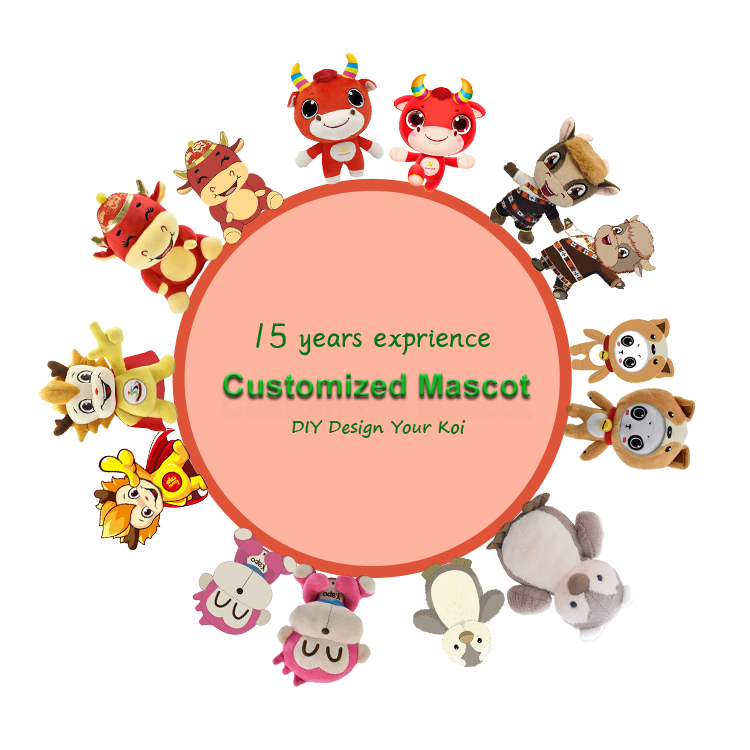
  • Gifts & Promotional Items: Customized dolls for festivals, corporate events, and brand promotion.

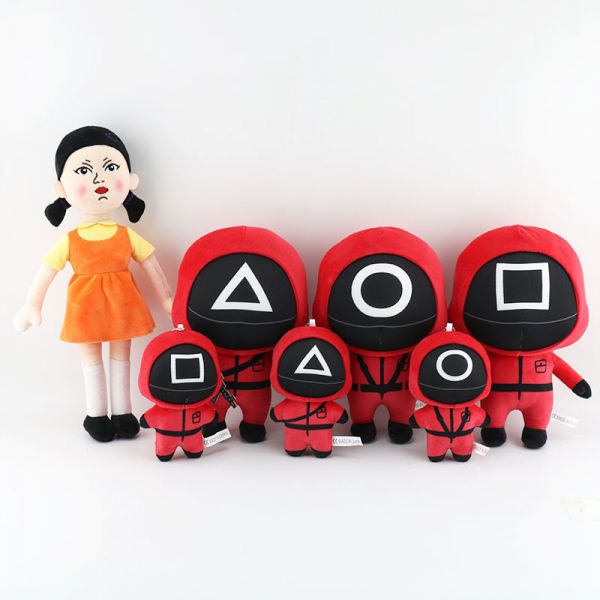
  • Film/Game Derivatives: Physical versions of popular movie, animation, and game characters, e.g., Disney, Pokémon, video game character plush.

  • Functional Dolls: Interactive dolls with built-in sound devices, heating elements, or smart sensors.

2. By Character & IP Source

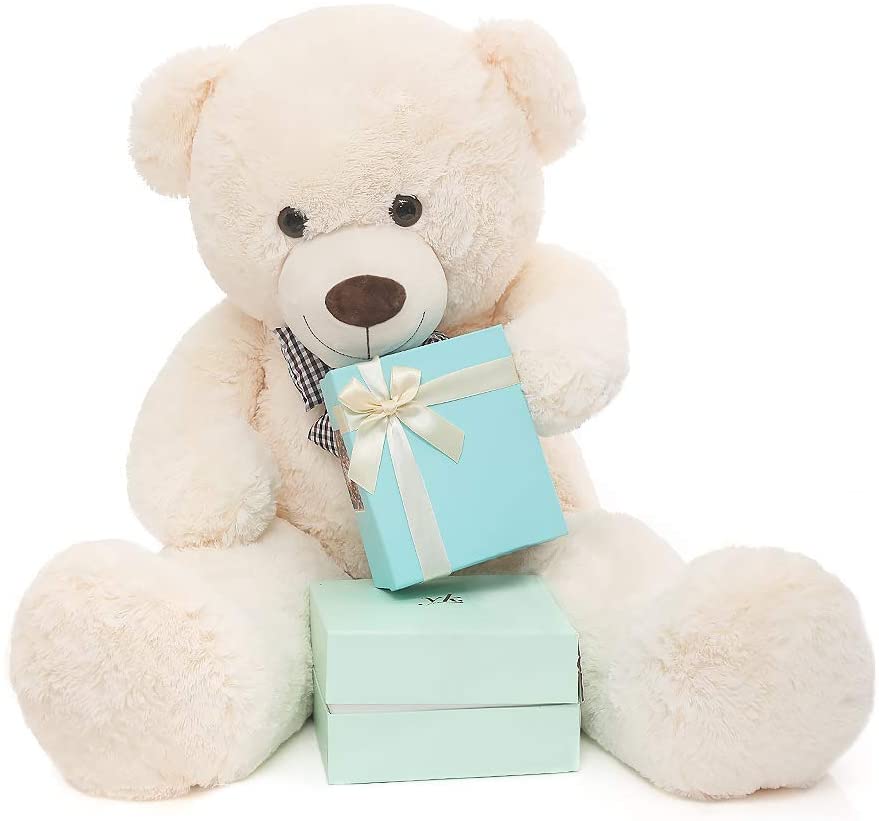
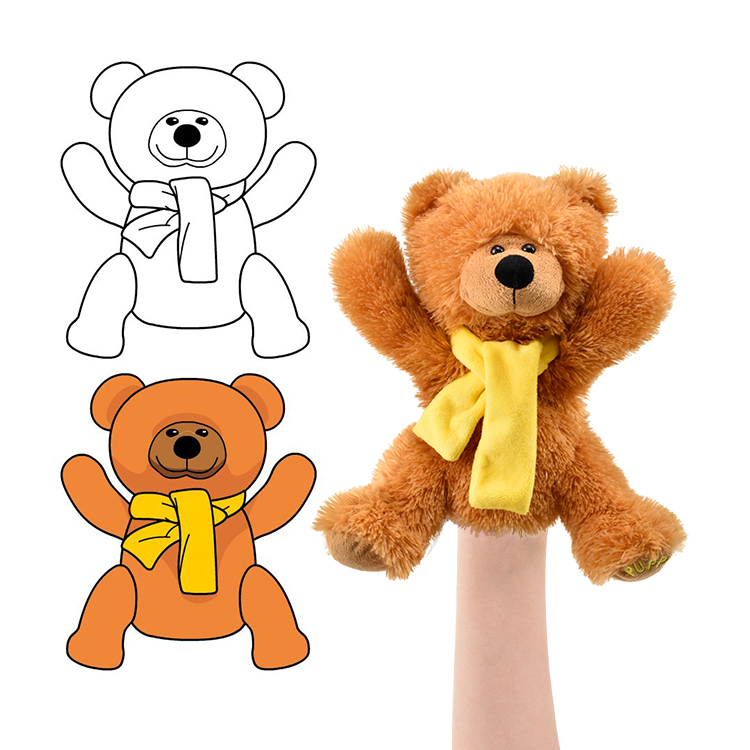
  • Original Design Dolls: No specific storyline, relying on unique design, e.g., classic Teddy Bears, brand-original characters.

  • Licensed IP Dolls: Character dolls produced under license from copyright holders, representing the core and high-value segment.

    • Anime/Game IPs: Disney, Marvel, Sanrio, Pokémon, Chinese animation IPs.

    • Film/TV/Show IPs: Characters from hit movies, series, variety shows.

    • Celebrity IPs: Official merchandise featuring celebrity likenesses.

  • Brand Mascots: Official cartoon character dolls for companies or events, e.g., Olympic mascots, corporate mascots.

3. By Specification & Craftsmanship Complexity

  • Standard-Size Dolls: Ranging from around 10 cm to 1 meter.

  • Jumbo/Miniature Dolls: Serving as niche products for differentiated demand.

  • High-Fidelity Replica Dolls: Aiming for highly detailed character reproduction using complex techniques and mixed fabrics.

  • Articulated Dolls: Featuring internal posable skeletons.

3. Industry Chain Structure

Upstream:

  • Raw Material Suppliers:

    • Fabrics: Plush fabrics (short pile, velvet, polar fleece), trims (ribbons, labels).

    • Fillings: PP cotton, memory foam, plastic pellets.

    • Components: Plastic/glass eyes, noses, sound modules, electronic parts, skeletons, packaging.

  • IP Licensors & Design Agencies: Copyright agencies, original designers, animation/game companies.

Midstream:

  • Manufacturers & Factories:

    • OEM/ODM Contractors: Concentrated in Guangdong, Shandong, Jiangsu, etc., serving domestic and international brands.

    • Original Brand Owners: With in-house design and branding, handling design and production or outsourcing.

    • Licensees: Companies authorized to develop, produce, and sell plush for specific IPs.

  • QC & Testing Institutes: Ensuring compliance with safety standards (e.g., China GB 6675, EU EN71, US ASTM F963).

Downstream:

  • Sales Channels:

    • Online: Brand official stores, Tmall/JD flagship stores, trendy toy platforms (e.g., Pop Mart), social commerce.

    • Offline: Specialty stores (e.g., Toys "R" Us), department store counters, theme park shops, convenience stores, trendy toy collectible stores, conventions (e.g., anime expos).

  • End Consumers: Children, teenagers, adult collectors, fan communities, gift buyers.

  • Services & Ecosystem: IP operation, secondary market, doll cleaning/customization services.

4. Core Industry Characteristics & Barriers

1. Culture & Emotion-Driven

  • IP is Core Value: Access to hot IP licenses or the ability to create unique characters is a key competitive advantage.

  • High Emotional Value: Products are not just toys but emotional companions, identity symbols, and social currency.

2. Stringent Safety & Compliance

  • Physical & Mechanical Safety: Secure attachment of small parts, seam strength, prevention of choking hazards.

  • Chemical Safety: Fabrics, dyes, and fillings must meet non-toxic, eco-friendly standards.

  • Flammability Safety: Especially for export markets.

3. Fast-Fashion & Trend Sensitivity

  • Short Product Lifecycles: Tightly linked to entertainment trends, requiring rapid iteration.

  • Pre-sales & Scarcity Marketing: Limited editions, blind boxes stimulate collecting and purchase desire.

4. Craftsmanship & Design Innovation

  • Expressions & Personality: Giving dolls "soul" through embroidery, printing, and配件.

  • Material & Filling Tech: Pursuit of more comfortable, eco-friendly, easy-care materials.

  • Smart Integration: Adding simple voice interaction, motion sensing.

5. Development Trends

  1. Deepening IP-ization & Cross-Media Synergy

    • Plush dolls become physical gateways to IP universes,联动 with games, short videos, virtual idols.

    • Rise of "Guochao" (China-chic) IPs, blending traditional cultural elements with modern design.

  2. Adult-Oriented & Collectible Focus

    • "Kidult" economy boom makes adults the main consumers, driving products toward artistry and premiumization.

    • A mature collector culture emerges, involving limited numbering, certificates, special variants.

  3. Digitalization & Enhanced Experience

    • Digital Twins: Physical dolls paired with unique NFT digital assets for authentication and virtual experiences.

    • AR Interaction: Using apps to scan dolls, triggering exclusive animations or games.

    • Strengthened Social Aspect: Dolls become mediums for offline socializing and community engagement.

  4. Personalization & Customization

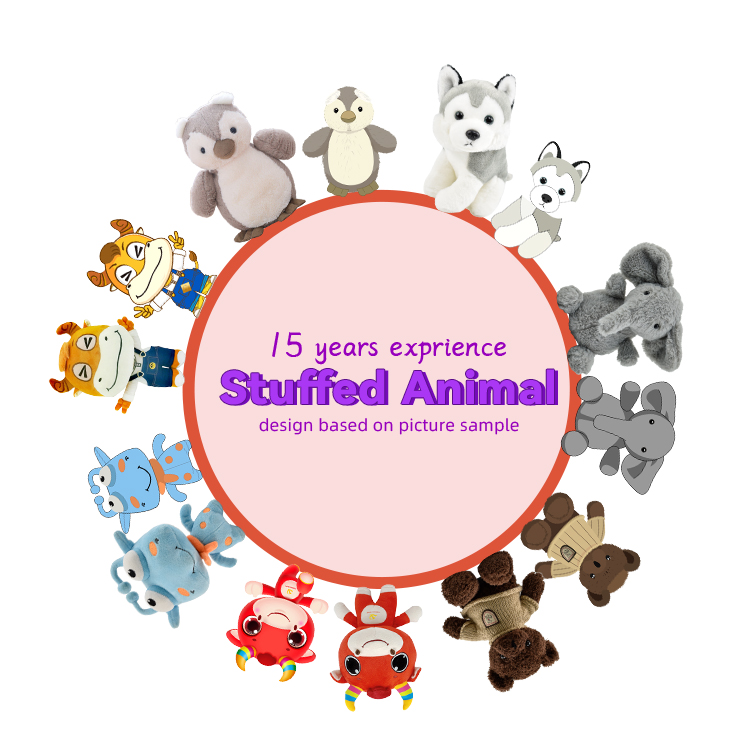
    • C2M models allow consumers to co-design, choosing fabrics and accessories for unique dolls.

    • Highly personalized services like pet cloning or portrait dolls appear.

  5. Sustainability

    • Use of organic cotton, recycled fibers.

    • "Take-back" or recycling programs promoting a circular economy.

6. Key Challenges & Opportunities

Challenges:

  • High IP Licensing Costs & Long Cycles: Fierce competition for hot IPs, high royalties, and uncertainty.

  • Severe Counterfeiting & Infringement: Pirated products erode profits and brand value.

  • Homogeneous Competition: Price wars among manufacturers lacking IP or design strength.

  • Supply Chain & Inventory Risks: Fast-changing trends demand excellent market forecasting and inventory management.

Opportunities:

  • Emotional Consumption & Self-indulgence Economy: Consumers are more willing to pay for emotional fulfillment and self-expression.

  • Rising Spending Power of Gen Z: Strong willingness to pay for interests and subcultures, fueling the trendy toy market.

  • Cultural Confidence & Original Chinese IPs: Policy support and cultural confidence create fertile ground for domestic IPs.

  • New Retail Integration: Creating immersive experiences through pop-up stores, IP exhibitions, live-streaming commerce.

  • Technology Empowerment: AI design and automation lower costs; blockchain aids IP authentication and anti-counterfeiting.

Plush Dolls Product List

Refine your results:
About results

Videos of Plush Dolls

More About Plush Dolls

Related searches of Plush Dolls

Related Blogs of Plush Dolls