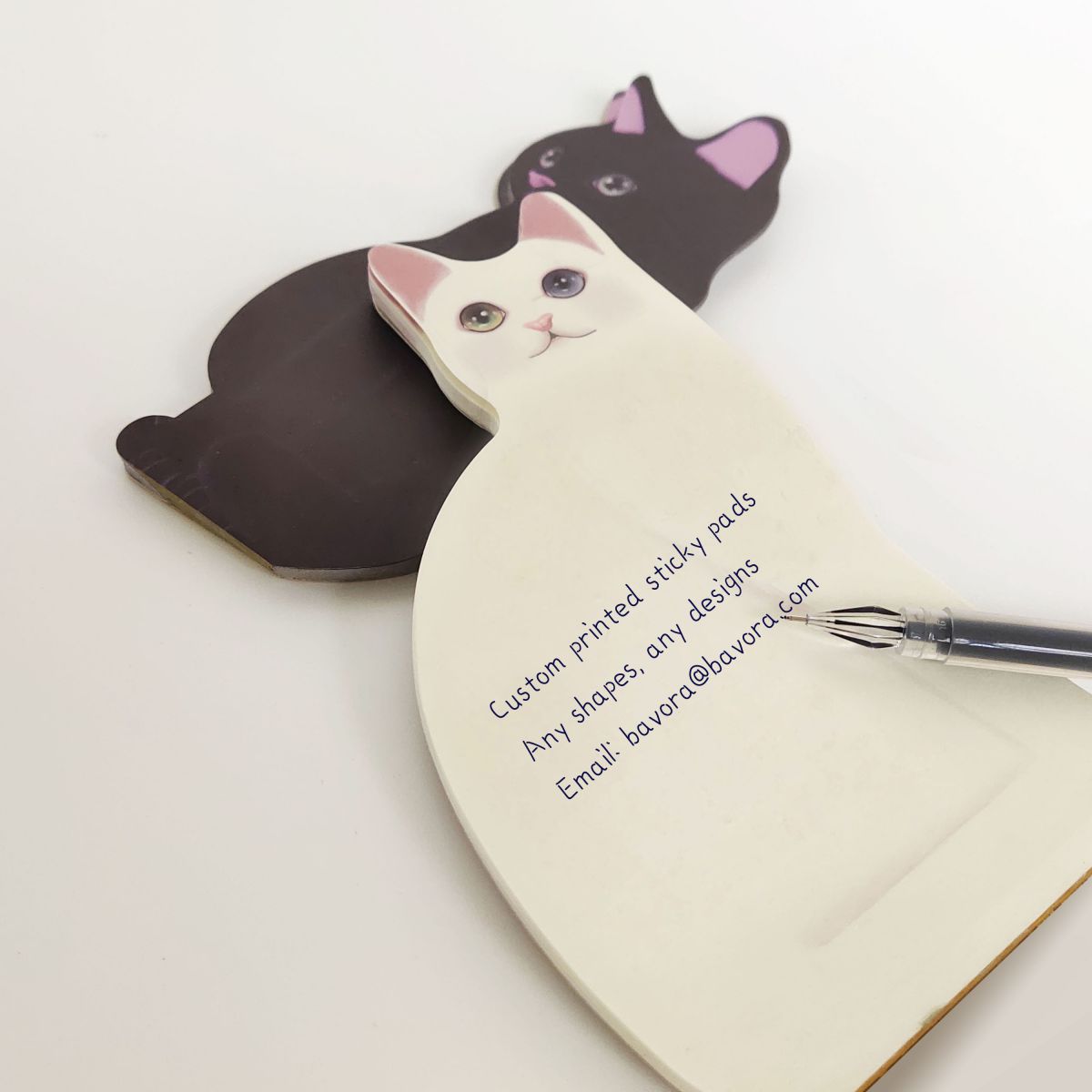
Notebooks & Writing Pads Industry Overview
The Notebooks and Writing Pads industry encompasses the manufacturing, distribution, and retail of bound or pad-form paper products designed for writing, note-taking, sketching, and journaling. This sector caters to diverse markets including education, business, creative arts, and personal stationery.
Core Product Segments:
Notebooks: Include spiral-bound, perfect-bound (glued), stitched, and hardcover formats. Variations encompass composition books, journals, bullet journals, planners, and subject-specific notebooks.
Writing Pads: Typically glue-bound at the top, including legal pads, memo pads, sketch pads, and drawing pads. Characterized by easy page detachment.
Paper Quality & Ruling: Products are differentiated by paper weight (gsm), texture (smooth, vellum), fiber content (wood pulp, cotton, recycled), and ruling (college-ruled, wide-ruled, blank, grid, dot-grid).
Market Dynamics & Trends:
Resilience to Digitalization: Sustained demand is driven by cognitive benefits of handwriting, creative expression, and tangible planning systems (e.g., Bullet Journal method).
Premiumization: Growth in high-quality, fountain-pen friendly paper (e.g., acid-free, high gsm), artisanal covers, and luxury branding.
Customization & Niche Markets: Rise of personalized notebooks, bespoke corporate stationery, and theme-based designs targeting specific hobbies or lifestyles.
Sustainability: Increasing focus on recycled materials, FSC-certified paper, tree-free alternatives (e.g., bamboo, stone paper), and eco-friendly production processes.
Technology Integration: Development of "smart" notebooks compatible with digital scanning apps for cloud backup and organization (e.g., Rocketbook, Moleskine Smart Writing System).
Supply Chain:
Involves pulp/paper mills, converters/manufacturers (printing, binding, finishing), brand owners, distributors, and retail channels (stationery stores, office supply chains, online marketplaces, bookstores).
Key Challenges:
Fluctuating costs of raw materials (pulp, energy, logistics).
Environmental regulations and consumer pressure for sustainable practices.
Competition from digital alternatives (tablets, note-taking apps).
Market fragmentation and intense price competition in basic product lines.
Future Outlook:
The industry is strategically positioning paper products as complementary to digital tools rather than obsolete. Future growth is anticipated in hybrid analog-digital systems, enhanced customization, and continued emphasis on sustainable and experiential stationery that serves both functional and emotional needs.
Copyright © 2015-2026 China Manufacturers, CNMFRS.COM, All rights reserved.
谷歌优化(Google SEO)