Apparel & Textile Machinery

I. Industry Definition & Scope

The Apparel & Textile Machinery industry encompasses the design, manufacturing, and sale of specialized machinery, equipment, and technology used in the production of textiles, garments, and related materials. This industry serves as the technological backbone for the entire textile and apparel value chain, enabling the transformation of raw fibers into finished fabrics and clothing. Its scope covers machinery for fiber preparation, spinning, weaving, knitting, dyeing, printing, finishing, cutting, sewing, and garment manufacturing.

II. Key Product Categories

By Production Process Stage:

  • Fiber & Yarn Preparation Machinery: Opening, cleaning, blending, carding, drawing, roving, and spinning machines.

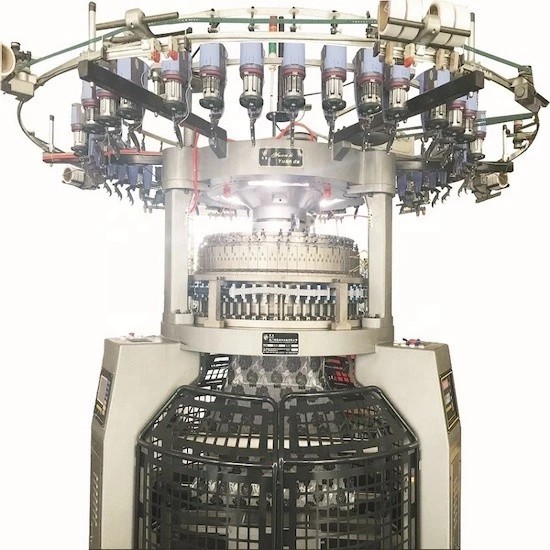
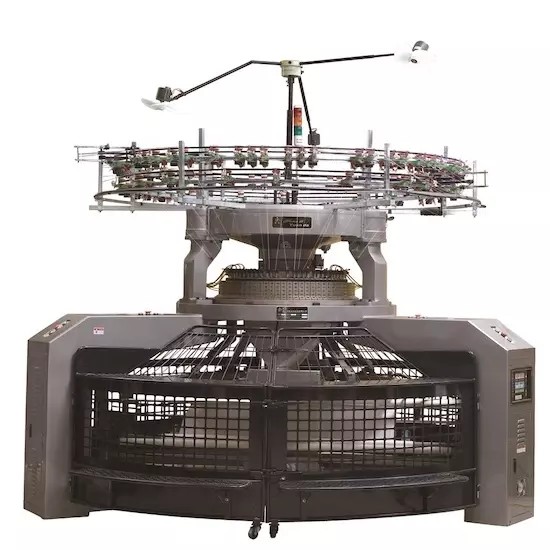
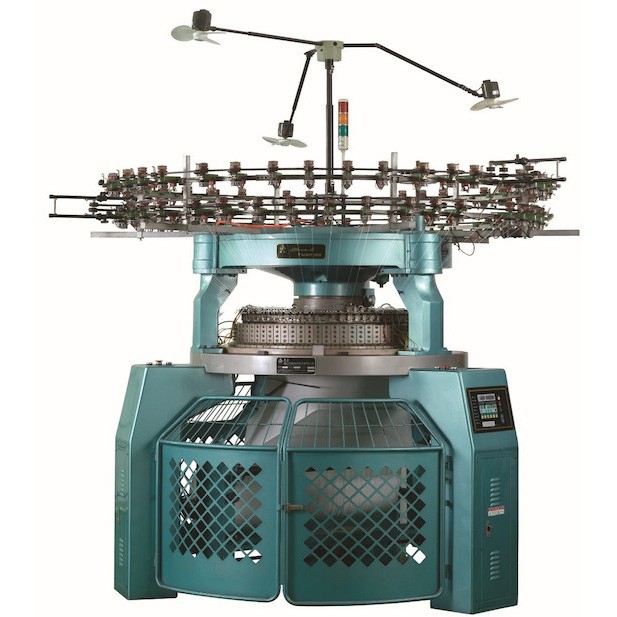
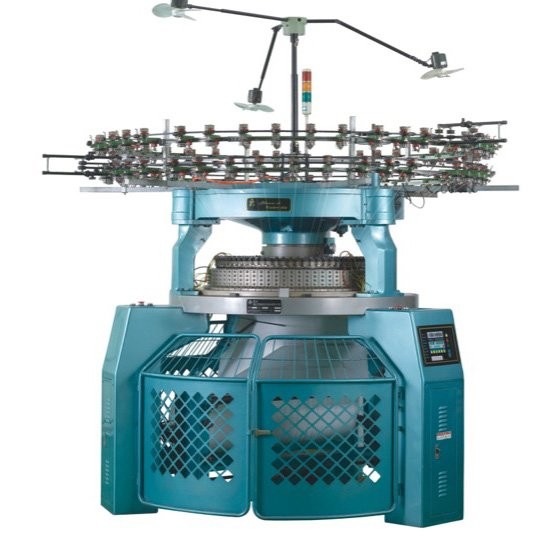
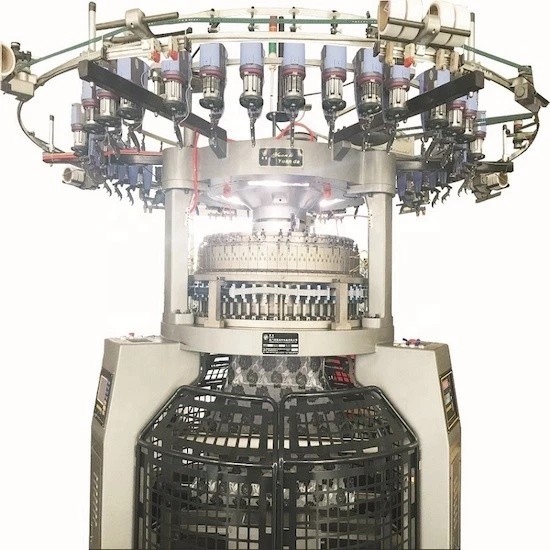
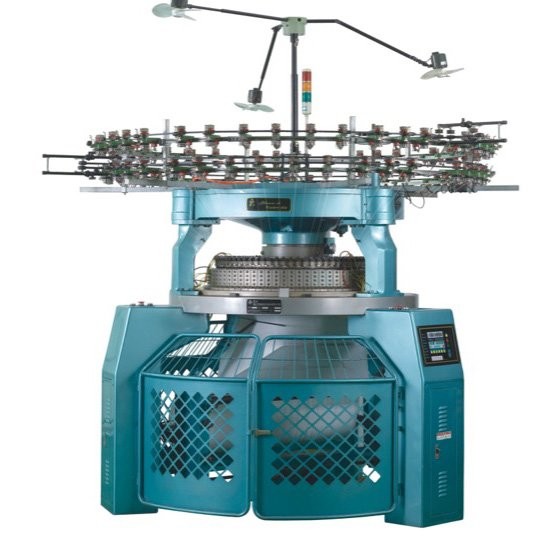
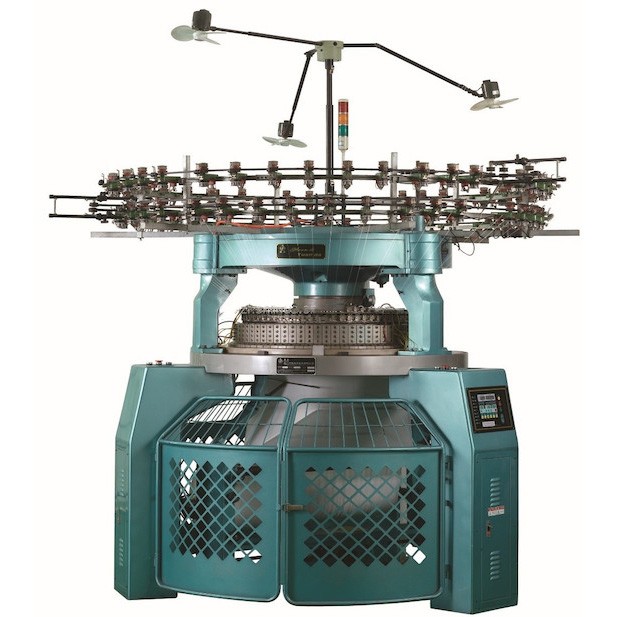
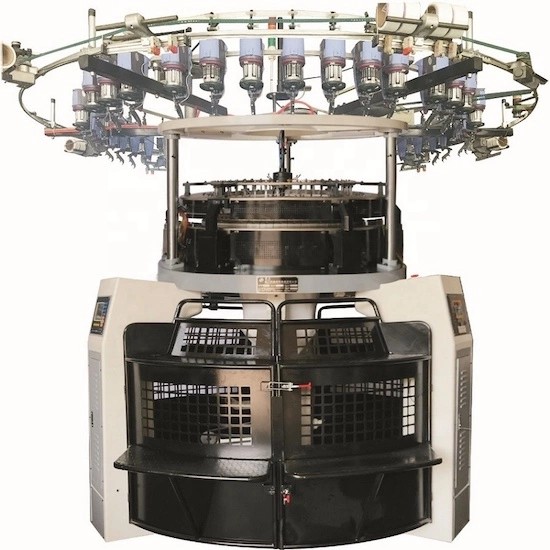
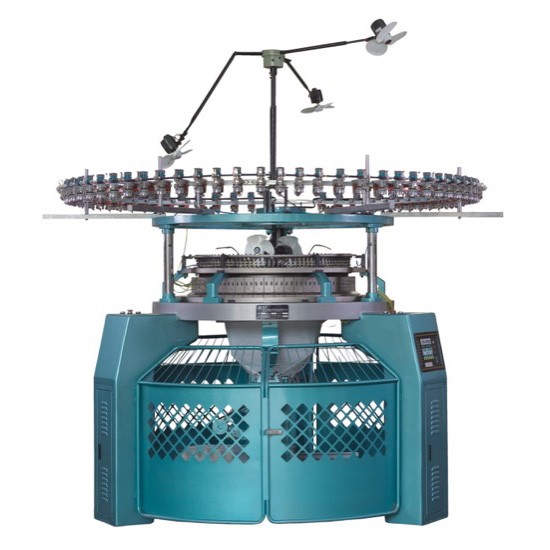
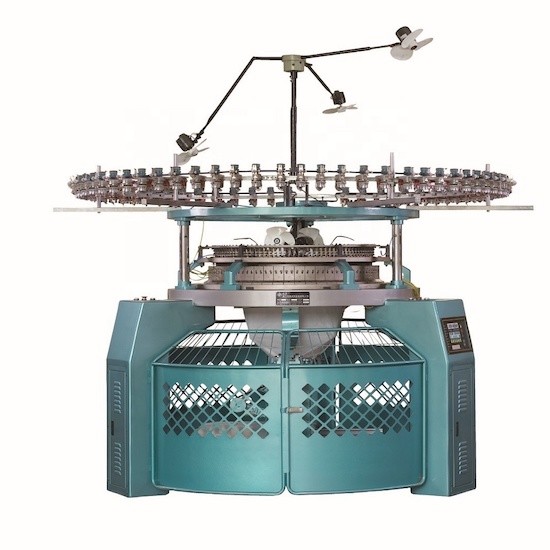
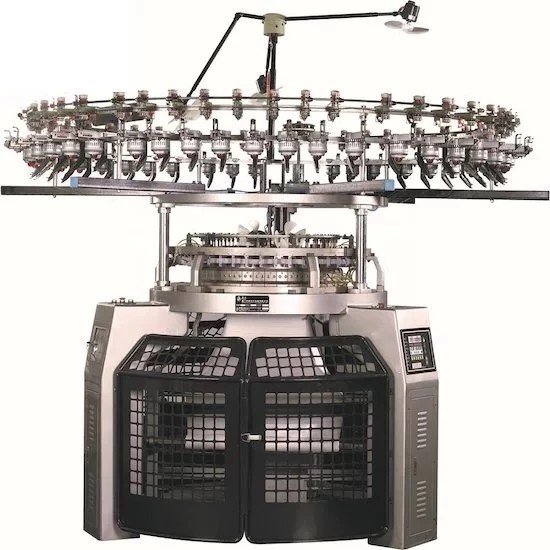
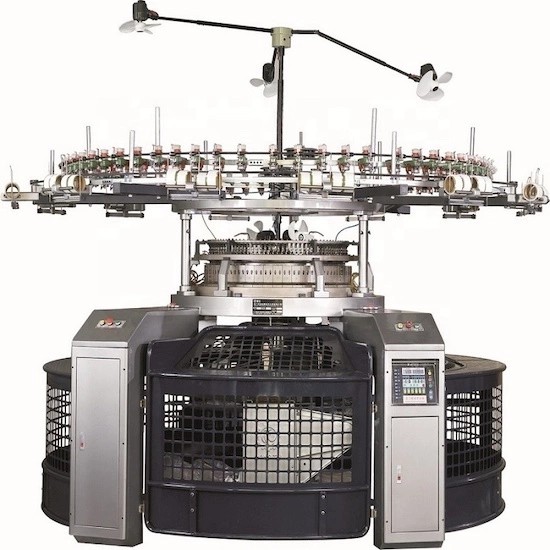
  • Fabric Formation Machinery: Weaving looms (air-jet, water-jet, rapier), knitting machines (circular, flat, warp), and nonwoven production lines.

  • Wet Processing & Finishing Machinery: Dyeing machines, printing machines (screen, digital), bleaching ranges, mercerizing machines, and finishing equipment (calendering, coating, laminating).

  • Garment Manufacturing Machinery: Cutting machines (laser, CNC, die), sewing machines (lockstitch, overlock, specialized), pressing and fusing equipment, and embroidery machines.

  • Ancillary & Testing Equipment: Material handling systems, laboratory testing instruments, and quality control devices.

III. Technology & Innovation Trends

  • Automation and Industry 4.0 Integration: Implementation of robotic systems for material handling and sewing, smart machines with IoT connectivity for real-time monitoring, and data analytics for predictive maintenance and production optimization.

  • Digital Printing and Sustainable Processing: Rapid advancement of digital textile printing technology for mass customization and reduced water/ink waste. Development of low-liquor-ratio dyeing and waterless finishing technologies.

  • Advanced Cutting and Sewing Technologies: Adoption of automated, laser-guided cutting systems and smart sewing units with automatic thread trimming and defect detection.

  • 3D Virtual Prototyping and Design Software: Growing use of 3D simulation software for fabric draping and virtual garment fitting, reducing physical sampling needs.

  • Sustainability-Focused Machinery: Development of machines designed for recycled fiber processing, energy-efficient operation, and integration with closed-loop water systems.

  • Flexible and Modular Production Systems: Machinery designed for small-batch, on-demand production to support fast fashion cycles and mass customization.

IV. Global Market Drivers

  • Labor Cost Inflation and Automation Demand: Rising wages in traditional manufacturing hubs drive investments in automated machinery to maintain competitiveness.

  • Fast Fashion and Shorter Product Lifecycles: Demand for faster production turnaround times necessitates high-speed, flexible, and reconfigurable machinery.

  • Sustainability Regulations and Consumer Pressure: Strict environmental regulations on water use and chemical discharge encourage adoption of cleaner, more efficient processing technologies.

  • Shift Towards Nearshoring and Regional Supply Chains: Geopolitical and pandemic-induced supply chain reassessments spur investment in new production facilities closer to end markets, requiring modern machinery.

  • Growth of Technical Textiles: Expanding applications in automotive, healthcare, and construction drive demand for specialized nonwoven and composite production machinery.

  • Replacement and Modernization Cycles: Aging machinery in established textile regions creates a continuous market for technological upgrades to improve efficiency and quality.

V. Major Players & Value Chain

  • Leading Manufacturers: Spinning & Weaving: Rieter, Saurer, Toyota Industries. Knitting: Karl Mayer, Santoni. Dyeing & Finishing: Benninger, Andritz, Monforts. Garment & Sewing: Juki Corporation, Brother Industries, Jack Sewing Machine. Digital Printing: Kornit Digital, EFI Reggiani, Durst.

  • Industry Value Chain: Research & Development → Precision Component Manufacturing → Machinery Assembly & Integration → Sales & Distribution (often through agents) → Installation & Commissioning → After-Sales Service & Parts Supply.

VI. Challenges & Opportunities

  • Challenges:

    • High Capital Intensity and Cyclical Demand: Machinery represents major capital investment for customers, making sales highly sensitive to global economic cycles and apparel brand investment confidence.

    • Intense Global Competition: Strong competition from established European/Japanese manufacturers and growing Chinese machinery makers, leading to price pressure.

    • Technological Complexity and Skilled Labor Shortage: Installing, operating, and maintaining advanced machinery requires highly skilled technicians, which are in short supply globally.

    • Long Sales Cycles and Customization Requirements: Sales processes are lengthy, often involving deep technical consultation and customization to meet specific client needs.

    • Dependence on the Broader Textile/Apparel Industry Health: The machinery sector's fortunes are directly tied to the investment appetite and capacity expansion of textile mills and garment manufacturers.

  • Opportunities:

    • Service and Digital Revenue Models: Shift towards offering machinery-as-a-service, remote monitoring subscriptions, and performance-based contracts, creating recurring revenue streams.

    • Circular Economy Technology Solutions: Developing and supplying complete machinery lines for textile recycling, fiber regeneration, and waste processing.

    • Integration of AI and Advanced Robotics: Embedding artificial intelligence for autonomous quality inspection, adaptive process control, and self-optimizing production lines.

    • Market Penetration in Emerging Textile Hubs: Capitalizing on new manufacturing investments in regions like Southeast Asia, South Asia, and Africa.

    • Total Solution Provision: Moving from selling individual machines to providing complete, optimized production line solutions and digital factory planning services.

Apparel & Textile Machinery Product List

Refine your results:
About results

Videos of Apparel & Textile Machinery

More About Apparel & Textile Machinery

Related searches of Apparel & Textile Machinery

Related Blogs of Apparel & Textile Machinery