Electrical Equipment, Components & Telecoms Product List
Industry Definition & Scope
The Electrical Equipment, Components & Telecoms industry encompasses the design, manufacturing, and distribution of devices, systems, and infrastructure that generate, transmit, distribute, control, and utilize electrical power, as well as those enabling communication and data transmission. This integrated sector forms the technological backbone of modern society, powering everything from industrial machinery and residential buildings to global telecommunications networks.
Key Product Categories
By Core Segment:
-
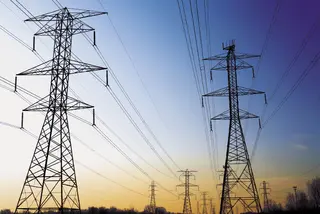
Power Generation & Transmission Equipment: Turbines, generators, transformers, high-voltage circuit breakers, switchgear, and transmission line components.
-
Power Distribution & Control Equipment: Low-voltage switchgear, distribution panels, motor control centers, circuit protection devices, and power quality equipment.
-
Electrical Components & Wiring Devices: Connectors, terminals, cables, conduits, switches, relays, contactors, and sensors.
-
Telecommunications Network Infrastructure: Cellular base stations, antennas, fiber optic cables, multiplexers, routers, switches, and transmission equipment.
-
Telecom Components & Subsystems: RF components, optical transceivers, power amplifiers, filters, and semiconductor devices for communication.
-
Test & Measurement Instruments: Equipment for verifying performance and safety of electrical and telecom systems.
Technology & Innovation Trends
-
Grid Modernization & Smart Grids: Integration of IoT sensors, advanced metering infrastructure, and automation for efficient, resilient power distribution.
-
5G & Advanced Network Deployment: Rollout of 5G networks, Open RAN architectures, and fiber optic expansion enabling high-speed, low-latency communications.
-
Energy Efficiency & Power Electronics: Adoption of wide-bandgap semiconductors (SiC, GaN) for efficient power conversion in applications from EVs to data centers.
-
Digital Substations & Asset Management: Digitization of substation equipment with embedded sensors and predictive maintenance analytics.
-
Convergence of OT & IT: Blending of operational technology (electrical systems) with information technology (data networks) for integrated management.
-
Modular & Prefabricated Solutions: Factory-assembled electrical and telecom modules for faster, more reliable field installation.
Global Market Drivers
-
Energy Transition & Decarbonization: Investments in renewable energy integration, grid upgrades, and electrification of transport/industry.
-
Digital Transformation & Connectivity Demand: Exponential growth in data consumption, cloud services, and IoT devices requiring robust telecom and power infrastructure.
-
Urbanization & Smart City Development: Construction of new cities and modernization of existing urban infrastructure driving demand for integrated systems.
-
Aging Infrastructure Replacement: Need to upgrade outdated power grids and telecom networks in developed economies.
-
Government Broadband Initiatives: National policies and funding for expanding high-speed internet access (e.g., fiber, 5G).
-
Industrial Automation & Industry 4.0: Increased need for reliable power and real-time communication in smart factories.
-
Cybersecurity Imperatives: Growing investment in securing critical electrical and telecom infrastructure from digital threats.
Industry Value Chain
-
Raw Material & Component Suppliers: Metal producers, chemical companies, semiconductor foundries, and specialized material providers.
-
Equipment & Subsystem Manufacturers: Companies producing complete systems or critical subsystems.
-
System Integrators & Engineering Firms: Entities that design and assemble tailored solutions for specific projects.
-
Utilities & Network Operators: Primary customers for large-scale infrastructure deployment and operation.
-
Distributors & Wholesalers: Intermediaries supplying products to contractors and installers.
-
Installation & Service Contractors: Companies performing field installation, commissioning, and maintenance.
-
End Users: Industrial facilities, commercial buildings, telecom service providers, and consumers.
Key Industry Challenges
-
Supply Chain Volatility: Dependence on semiconductors, rare earth metals, and other specialized materials with constrained supply.
-
High Capital Intensity & Long Investment Cycles: Significant upfront costs and extended ROI timelines for major infrastructure projects.
-
Regulatory Complexity & Standards Compliance: Navigating diverse national and international standards for safety, interoperability, and performance.
-
Skilled Workforce Shortage: Lack of trained engineers, technicians, and installers for advanced systems.
-
Technology Integration & Interoperability: Ensuring seamless operation between legacy systems and new digital technologies from multiple vendors.
-
Cybersecurity Vulnerabilities: Protecting increasingly connected and software-dependent critical infrastructure from attacks.
-
Price Competition & Margin Pressure: Intense competition, particularly in standardized product segments, from global and regional players.
Future Outlook
-
Convergence into Energy-Communication Platforms: Electrical and telecom networks evolving into integrated digital infrastructures supporting both power and data flows.
-
Edge Computing & Distributed Infrastructure: Growth of localized data processing and power management at the network edge.
-
AI-Driven Optimization: Widespread use of artificial intelligence for predictive maintenance, grid balancing, and network traffic management.
-
Sustainable & Circular Design: Emphasis on energy-efficient products, recyclable materials, and equipment longevity.
-
Wireless Power & Energy Harvesting: Development of technologies for transmitting power without cables and powering devices from ambient sources.
-
Quantum-Safe Communications: Preparation of telecom networks for future quantum computing threats through advanced encryption.
-
Resilience & Climate Adaptation: Designing infrastructure to withstand extreme weather events and climate change impacts.