Industry Definition & Scope
The valves industry encompasses the design, manufacturing, distribution, and maintenance of devices used to control, regulate, or isolate the flow of fluids (liquids, gases, slurries) in piping systems. Valves are critical components in industrial infrastructure, ensuring safe and efficient operation across sectors.
Key Product Categories
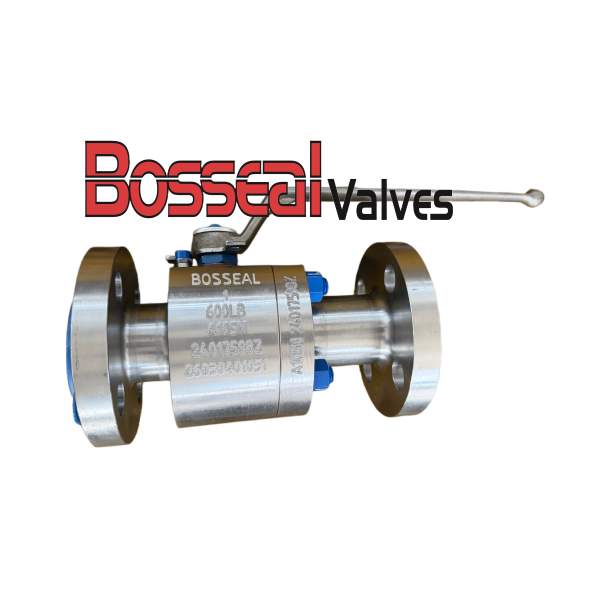
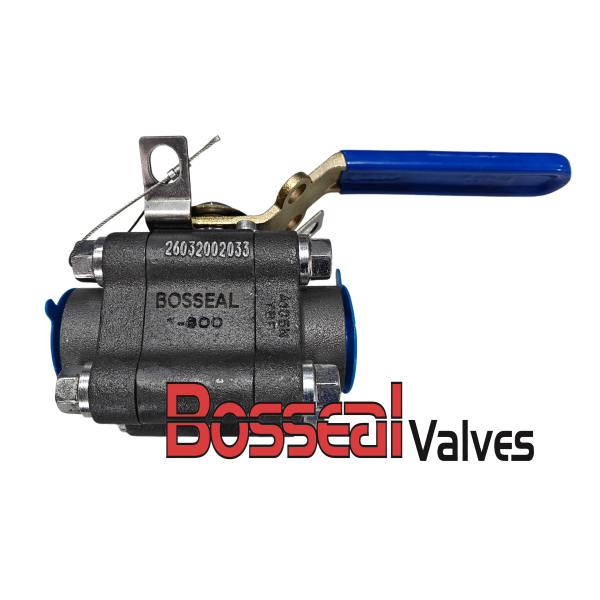
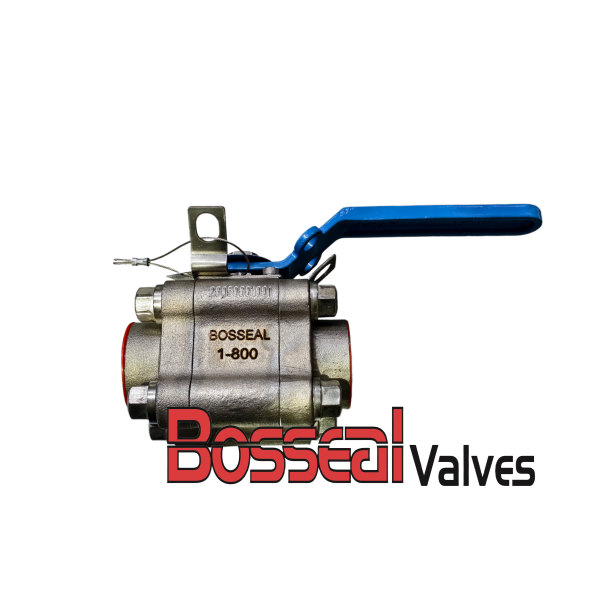
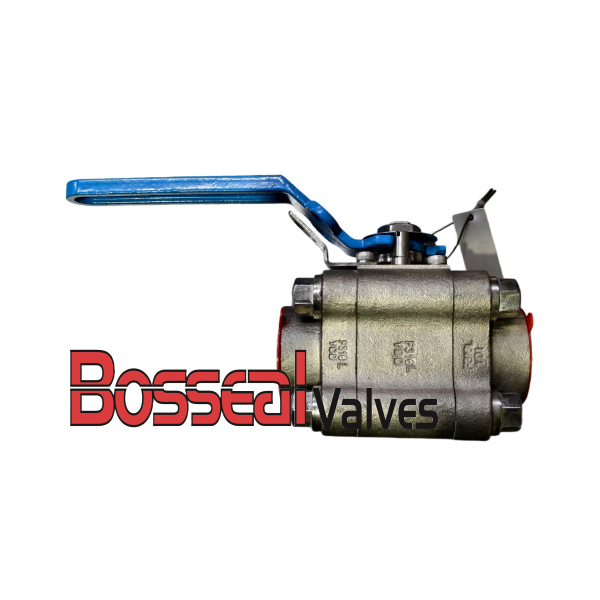
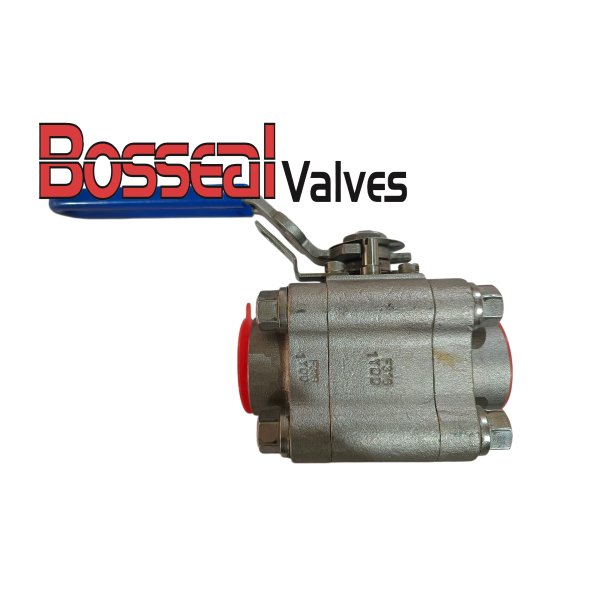
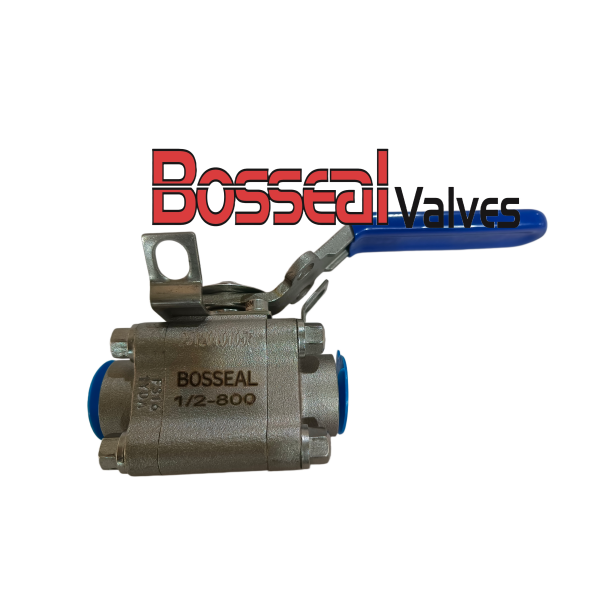
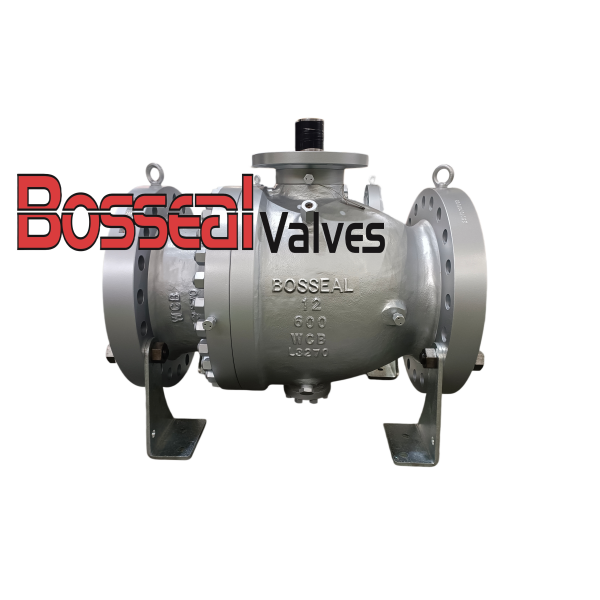
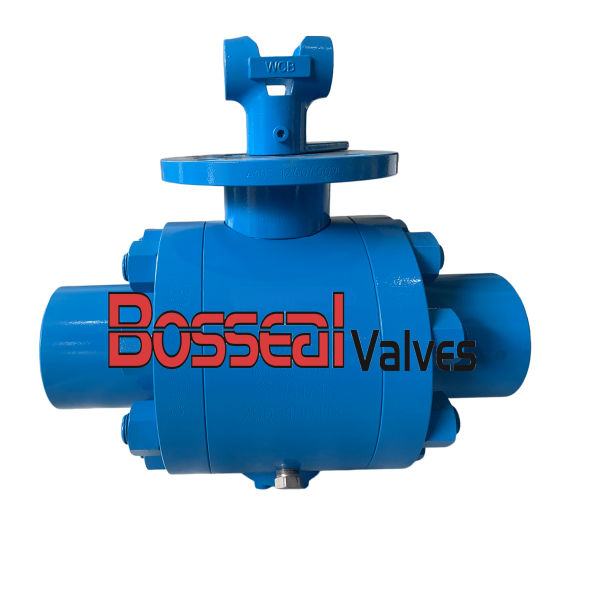
By Function: Isolation valves (gate, ball, plug), regulation valves (globe, needle, control), backflow prevention (check valves), safety/relief valves.
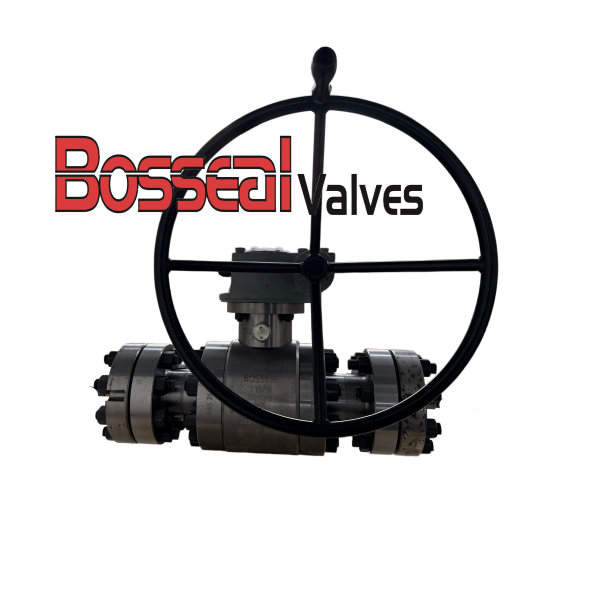
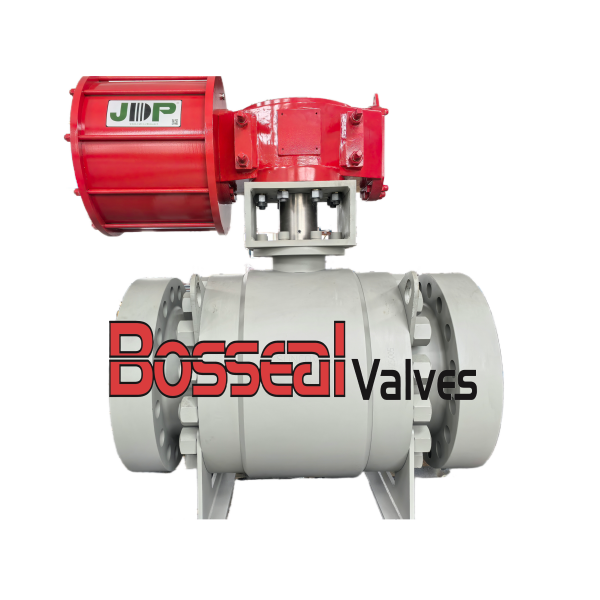
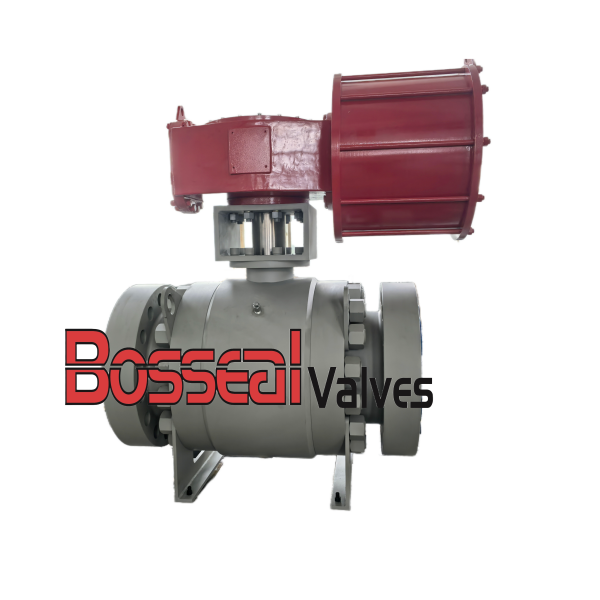
By Operation: Manual, pneumatic, hydraulic, electric, and automated smart valves.
By Material: Cast iron, carbon steel, stainless steel, alloy, plastics, and specialty materials for corrosion/ high-temperature resistance.
By Application:
Oil & Gas: Subsea valves, pipeline ball valves, wellhead control.
Energy: Power plant steam valves, nuclear safety valves.
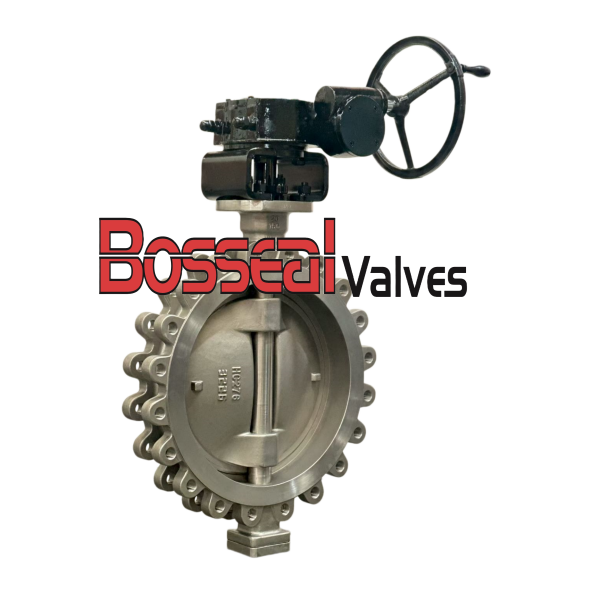
Water/Wastewater: Sluice gates, butterfly valves, pressure management.
Chemical/Pharmaceutical: Sanitary valves, high-purity control valves.
HVAC & Building Systems: Balancing valves, thermostatic controls.
Technology & Innovation Trends
Digitalization: IoT-enabled smart valves with real-time monitoring, predictive maintenance, and remote control.
Advanced Materials: Coatings and alloys for extreme environments (e.g., cryogenic, ultra-high pressure).
Sustainability: Low-emission designs (fugitive emission control), energy-efficient actuation, water conservation solutions.
Modular & Compact Designs: Space-optimized valves for modular plants and offshore platforms.
Global Market Drivers
Aging infrastructure replacement in developed economies.
Energy transition investments (hydrogen, CCUS, renewables infrastructure).
Growth in water management and desalination projects.
Industrial automation and Industry 4.0 adoption.
Stringent safety and environmental regulations (ISO, API, PED standards).
Major Players & Value Chain
Leaders: Emerson, Flowserve, Schlumberger, Cameron, KITZ, IMI, Velan.
Value Chain: Raw material suppliers → component manufacturers → valve assembly → distribution/MRO → end-users (OEMs, utilities, EPC firms).
Challenges & Opportunities
Challenges: Price volatility of raw materials, skilled labor shortages, geopolitical trade barriers.
Opportunities: Digital service models (valve-as-a-service), aftermarket growth, expansion in emerging markets (Asia-Pacific, Middle East).
Compliance with industry standards ensures safety, reliability, and interchangeability.
API Standards: The American Petroleum Institute standards are dominant in oil & gas, petrochemical, and related industries.
API 600/602/603: Steel gate, globe, and check valves.
API 598: Valve inspection and testing.
API 6D: Pipeline valves (ball, gate, plug, check).
ASME Standards: The American Society of Mechanical Engineers sets critical design and safety standards.
ASME B16.34: The foundational standard for valve design, pressure-temperature ratings, and materials.
ASME B16.10: Face-to-face and end-to-end dimensions.
ASME B16.5/B16.47: Flange standards.
ISO Standards: International Organization for Standardization provides globally recognized standards for dimensions, materials, and testing (e.g., ISO 17292 for metal ball valves, ISO 5752 for face-to-face dimensions).
Manufacturers and buyers must specify the applicable standards to ensure the valve meets the required performance and safety criteria for the intended service.
An actuator is the device that operates (opens, closes, or modulates) the valve. Key selection factors include:
Power Source: Electric (for precise positioning, where air is unavailable), Pneumatic (most common for fast, reliable on/off or control), or Hydraulic (for very high torque/thrust requirements).
Fail-Safe Mode: What should the valve do in case of power failure? Fail-Close (FC), Fail-Open (FO), or Fail-in-Place (FL). This is a crucial safety and process consideration.
Torque/Thrust Requirements: The actuator must generate enough force to operate the valve against the differential pressure of the system.
Speed of Operation: How fast does the valve need to open/close (e.g., for emergency shutdown)?
Environmental Conditions: The actuator's housing (enclosure rating like IP67, NEMA 4X) must withstand the surrounding environment (explosive, corrosive, outdoor, etc.).
While both regulate flow, their design and purpose differ significantly:
Shut-off Valve (Isolation Valve): Designed for fully open or fully closed positions. Its primary job is to isolate a section of a pipeline for maintenance or safety. Examples: Gate valves, on/off ball valves. They are not designed for precise flow modulation.
Control Valve (Regulating Valve): Designed for precise, automated modulation of flow, pressure, or temperature. It is part of a control loop and is continuously adjusted by an actuator responding to a controller signal (e.g., 4-20 mA). Its design (often a globe-style body with specialized plugs) allows for stable control across a range of openings. Examples: Globe control valves, V-port ball valves, characterized butterfly valves.