Agriculture & Food Product List
Industry Definition & Scope
The Agriculture & Food industry encompasses the interconnected system of activities involved in cultivating crops, raising livestock, processing raw agricultural products, distributing food items, and delivering final products to consumers. This global industry spans from primary production at farms to complex value-added manufacturing and retail operations, serving as the fundamental foundation for human nutrition, economic development, and social stability worldwide.
Key Industry Segments
By Production & Processing Stage:
-
Primary Agriculture: Crop farming (grains, fruits, vegetables, oilseeds), livestock production (cattle, poultry, swine), aquaculture, and forestry.
-
Food Processing & Manufacturing: Transformation of raw agricultural materials into packaged food products through milling, baking, canning, freezing, fermentation, and extrusion.
-
Food Distribution & Logistics: Transportation, warehousing, and cold chain management connecting producers, processors, and retail points.
-
Food Retail & Food Service: Supermarkets, restaurants, institutional food service, and direct-to-consumer sales channels.
-
Agricultural Inputs: Seeds, fertilizers, pesticides, animal feed, veterinary products, and farm machinery.
By Product Category:
-
Staple Crops & Grains: Wheat, rice, corn, soybeans, and other cereal grains forming the global dietary base.
-
Protein Sources: Meat (beef, poultry, pork), seafood, eggs, dairy products, and plant-based protein alternatives.
-
Fresh Produce: Fruits, vegetables, nuts, and herbs sold fresh or minimally processed.
-
Processed & Packaged Foods: Bakery products, snacks, beverages, canned goods, frozen foods, and prepared meals.
-
Specialty & Value-Added Products: Organic foods, functional foods, ethnic foods, and gourmet products.
Technology & Innovation Trends
-
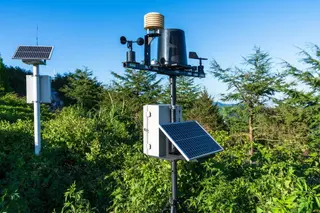
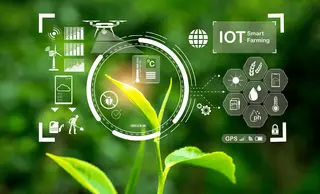
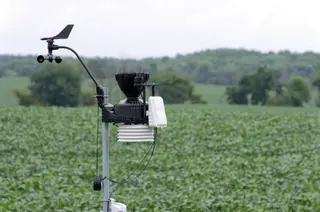
Precision Agriculture: Utilization of GPS, drones, IoT sensors, and data analytics to optimize field-level management regarding crop farming, livestock monitoring, and resource use efficiency.
-
Alternative Proteins & Cellular Agriculture: Development of plant-based meat alternatives, fermented proteins, and cultured meat grown from animal cells in bioreactors.
-
Agricultural Biotechnology: Genetic engineering, gene editing (CRISPR), and advanced breeding techniques to develop crops with improved yield, nutrition, and resilience.
-
Smart Food Processing & Automation: Robotics, AI-driven quality control, and advanced processing technologies to enhance efficiency, safety, and traceability in manufacturing.
-
Supply Chain Digitalization: Blockchain for traceability, smart packaging with sensors, and digital platforms connecting farmers directly with buyers.
-
Sustainable & Regenerative Practices: Techniques like vertical farming, hydroponics, reduced tillage, and integrated pest management to minimize environmental impact.
-
Food Safety & Testing Innovations: Rapid pathogen detection, whole-genome sequencing for outbreak tracking, and non-destructive quality assessment technologies.
Global Market Drivers
-
Population Growth & Changing Demographics: Increasing global population and rising middle classes in developing economies altering dietary patterns and demand.
-
Climate Change & Resource Scarcity: Pressures on water availability, arable land, and predictable growing seasons necessitating adaptation and resilience.
-
Consumer Health & Wellness Trends: Growing demand for organic, natural, functional, and ethically sourced food products.
-
Food Security & Self-Sufficiency Policies: Government initiatives and investments aimed at ensuring stable domestic food supply and reducing import dependence.
-
Sustainability & Environmental Concerns: Consumer and regulatory pressure to reduce carbon footprint, water usage, waste, and biodiversity loss across the supply chain.
-
E-commerce & Direct-to-Consumer Models: Rapid growth of online grocery shopping and farm-to-table delivery services, accelerated by the COVID-19 pandemic.
-
Trade Policies & Geopolitical Dynamics: Tariffs, export restrictions, and regional trade agreements significantly impacting global food flows and prices.
Industry Value Chain
-
Input Suppliers: Companies providing seeds, agrochemicals, equipment, finance, and technology to farmers.
-
Producers/Farmers: Individuals and enterprises engaged in crop and livestock production.
-
Processors & Manufacturers: Entities that transform raw commodities into intermediate or finished food products.
-
Distributors & Wholesalers: Intermediaries that aggregate, store, and transport food products.
-
Retailers & Food Service Providers: Supermarkets, restaurants, cafeterias, and online platforms that sell food to end consumers.
-
Logistics & Infrastructure Providers: Transportation, storage (including cold storage), and packaging services.
-
Consumers: The final purchasers and users of food products.
Key Industry Challenges
-
Volatility & Price Fluctuations: Susceptibility to weather events, pests, diseases, and global commodity market swings affecting farmer incomes and consumer prices.
-
Supply Chain Fragility & Food Waste: Significant losses occur at production, post-harvest, processing, and retail levels, alongside vulnerabilities exposed by pandemics and conflicts.
-
Labor Shortages & Rising Costs: Difficulties in securing agricultural and food processing labor, coupled with increasing costs for inputs, energy, and transportation.
-
Regulatory Complexity & Food Safety: Navigating diverse and evolving regulations on safety, labeling, GMOs, pesticides, and environmental compliance across different markets.
-
Environmental Impact: The sector faces criticism and regulatory pressure regarding greenhouse gas emissions, water pollution, deforestation, and soil degradation.
-
Consumer Trust & Transparency: Growing demands for clarity on product origins, production methods, and corporate ethics throughout the supply chain.
-
Consolidation & Market Power: Increasing concentration among large agribusiness input suppliers, processors, and retailers, raising concerns about competition and farmer margins.
Future Outlook
The Agriculture & Food industry is undergoing a profound transformation driven by sustainability demands, technological disruption, and shifting consumer expectations.
-
Data-Driven & Climate-Smart Agriculture: Widespread adoption of analytics and AI to optimize decisions, reduce risks, and build climate resilience from farm to fork.
-
Personalized Nutrition & Health-Focused Foods: Growth of foods tailored to individual dietary needs, health conditions, and genetic profiles.
-
Circular Food Systems: Increased focus on reducing waste, upcycling by-products, and creating closed-loop systems for water and nutrients.
-
Localized & Resilient Production: Expansion of urban agriculture, controlled environment farming, and regional food hubs to shorten supply chains.
-
Alternative Production Systems: Scaling of vertical farms, insect protein, algae-based foods, and precision fermentation to diversify production methods.
-
Policy & Investment Shift: Increased public and private investment in sustainable agriculture technologies and infrastructure, alongside potential policy reforms for food system transformation.
-
Integrated Food-Energy-Water Nexus: Holistic management approaches recognizing the critical interdependencies between food production, energy use, and water resources.