The knitting and crocheting industry encompasses the creation, production, and distribution of textiles and finished goods formed by interlocking loops of yarn or thread using specialized needles (knitting) or hooks (crocheting). This diverse sector spans industrial manufacturing, artisanal crafts, and hobbyist activities, producing everything from mass-produced apparel to unique handmade items. It integrates traditional techniques with modern technology, materials, and digital communities.
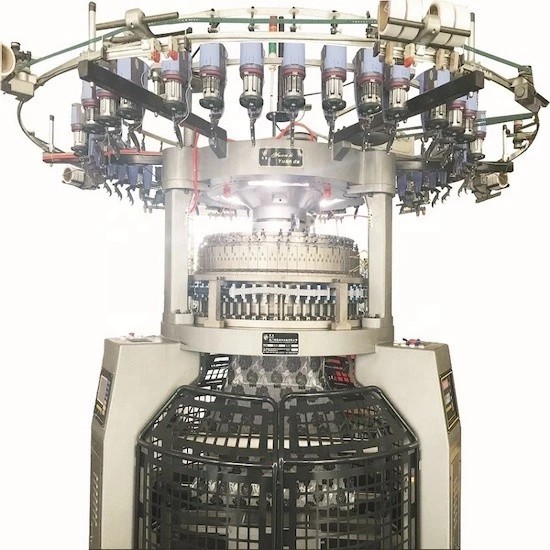
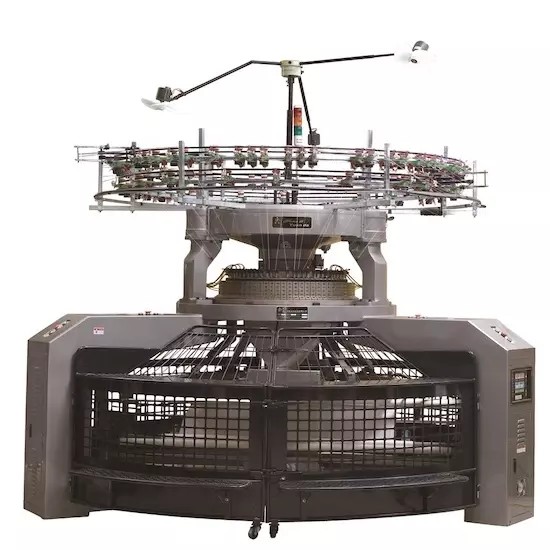
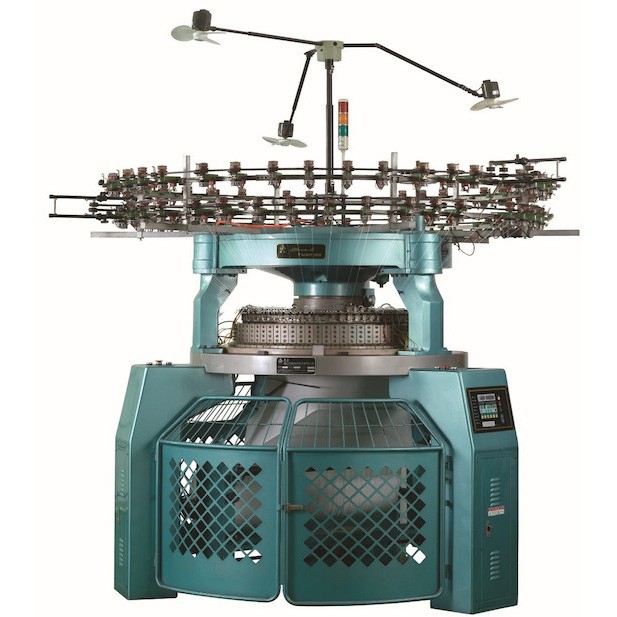
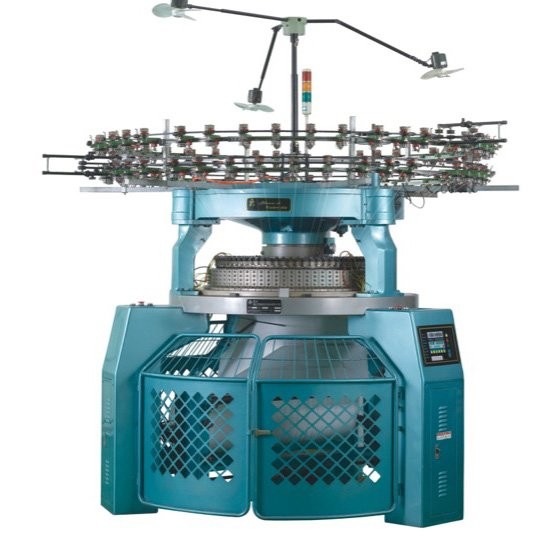
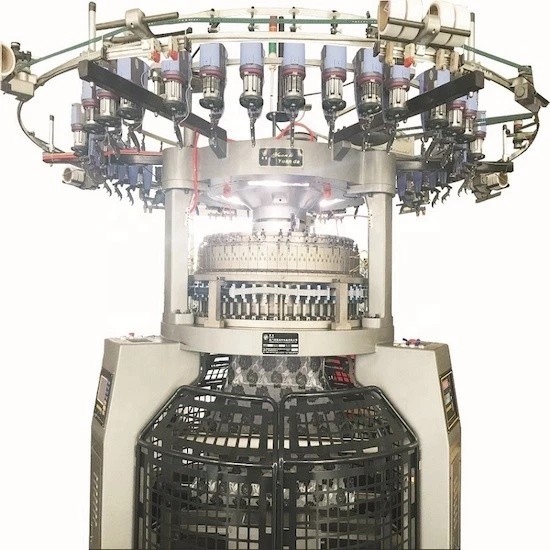
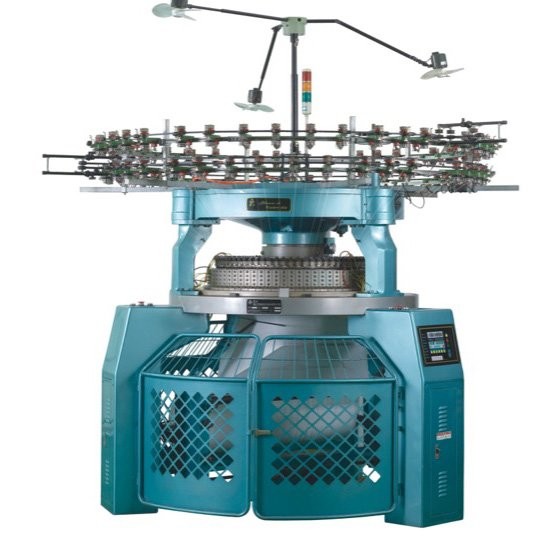
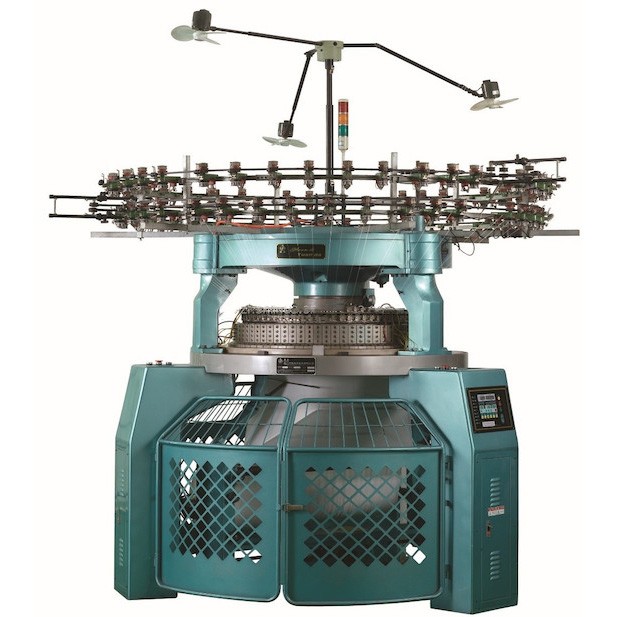
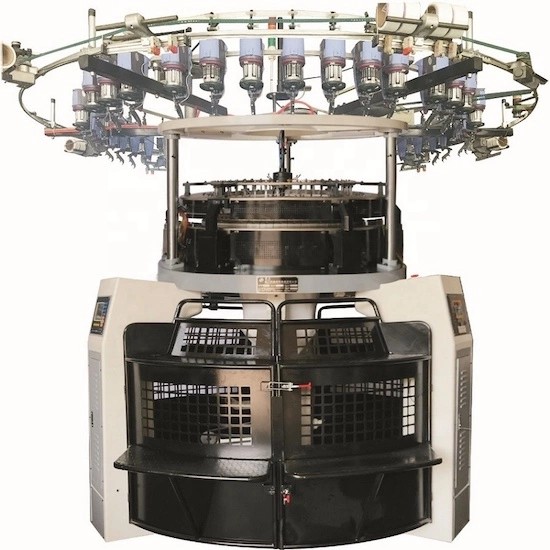
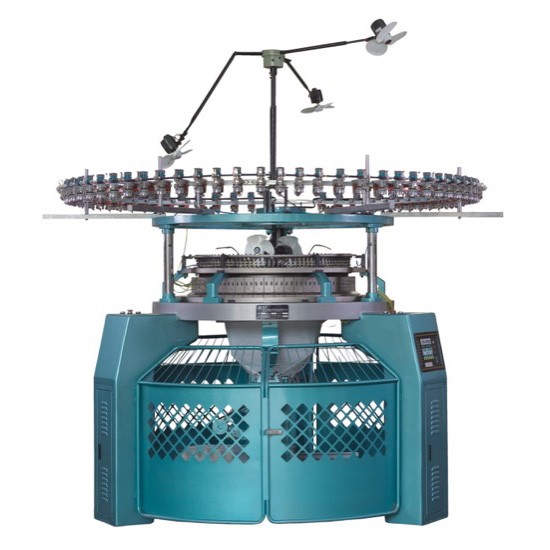
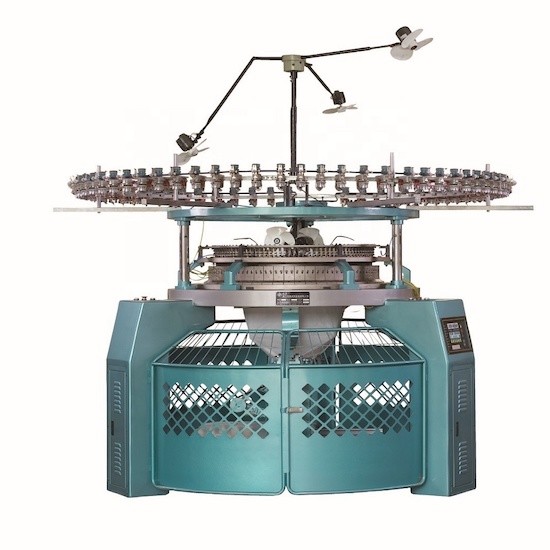
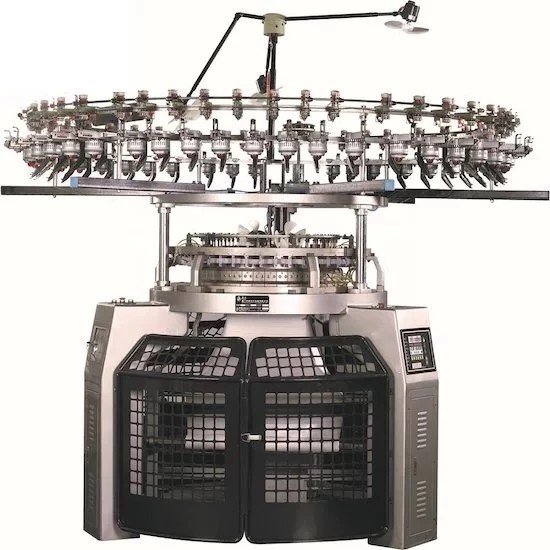
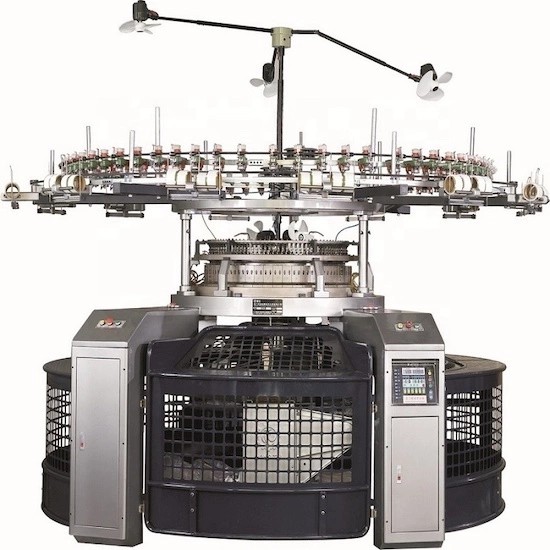
Industrial/Mechanical Knitting: Large-scale production using automated knitting machines (weft and warp knitting) for fabrics used in apparel, home textiles, and technical applications.
Hand Knitting: Manual creation of garments and items using two or more knitting needles, primarily for hobbyists, artisans, and small-batch producers.
Hand Crocheting: Manual creation using a single crochet hook to form distinct, often more textured or lacy fabric, popular for crafts, accessories, and home décor.
Machine-Assisted Hand Knitting/Crocheting: Use of tools like knitting looms, circular knitting machines, or electronic punch-card machines to aid hand production.
Apparel: Sweaters, socks, hats, scarves, gloves, shawls, and complete garments.
Home Textiles & Décor: Blankets (afghans), throws, pillows, table runners, coasters, and rugs.
Accessories: Bags, jewelry, hair accessories, and keychains.
Toys & Amigurumi: Stuffed toys and figures, a highly popular niche in crochet.
Technical Textiles: Knitted fabrics for medical, automotive, or industrial uses (e.g., compression garments, geotextiles).
Natural Fibers: Wool, cotton, alpaca, silk, linen, and bamboo.
Synthetic Fibers: Acrylic, polyester, nylon, and specialty performance blends.
Novelty & Artisan Yarns: Hand-dyed, variegated, textured, and sustainable/upcycled yarns.
Digital Pattern Distribution & Ravelry-like Platforms: Online communities and marketplaces for sharing, selling, and managing knitting/crochet patterns digitally.
Advanced Knitting Machinery: Computerized flat and circular knitting machines capable of producing seamless 3D garments, intricate jacquard patterns, and technical fabrics with integrated sensors or circuits.
E-Commerce for Materials & Finished Goods: Direct-to-consumer sales of indie-dyed yarns, project kits, and handmade finished items via platforms like Etsy and dedicated online stores.
3D Knitting & Seamless Technology: Industrial machines that knit entire garments or complex shapes in one piece, reducing waste and labor (e.g., in athleticwear and fashion).
Sustainable & Traceable Materials: Growth in organic, recycled, and transparently sourced yarns, alongside mending and "slow fashion" movements.
Augmented Reality & Virtual Assistance: AR apps for visualizing finished projects from patterns, and online video tutorials for learning techniques.
Wellness & Mindfulness Trend: Crafting is promoted for mental health benefits, driving hobbyist engagement.
Demand for Personalized & Unique Goods: Consumer desire for custom, handmade, or small-batch items over mass-produced goods.
Rise of "Slow Fashion" & Sustainability: Reaction against fast fashion, favoring quality, handmade, and repairable items.
Online Community & Social Media Influence: Platforms like Instagram, Pinterest, and TikTok fueling inspiration, tutorials, and craft trends.
Aging Population & Retirement Hobbies: Significant demographic engagement in crafts as a leisure activity.
Growth of Independent Yarn Dyers & Small Businesses: The "indie yarn" movement supporting micro-entrepreneurship.
Raw Material Production: Agriculture (wool, cotton) and chemical production (synthetic fibers).
Yarn Spinning & Processing: Converting fibers into skeins or cones of yarn, including dyeing and finishing.
Tool & Notion Manufacturing: Production of needles, hooks, gauges, bags, and other accessories.
Pattern Design & Publishing: Creation of instructions for projects by independent designers and publishers.
Finished Goods Production: Through industrial manufacturing, small workshops, or individual artisans.
Retail & Distribution: Yarn shops (local and online), craft chains, online marketplaces, and direct sales.
End Consumers: Hobbyists, professional crafters, fashion consumers, and gift buyers.
Competition from Fast Fashion & Low-Cost Imports: Price pressure on finished handmade goods from mass-produced alternatives.
Supply Chain Volatility for Raw Materials: Fluctuations in natural fiber availability and cost (e.g., wool, cotton).
Aging Demographic of Core Hobbyists: Need to attract younger generations to sustain the craft community long-term.
Skill Gap & Perception as "Outdated": Overcoming the stereotype of knitting/crocheting as an antiquated activity.
Pricing & Valuation of Handmade Labor: Difficulty in adequately pricing handmade items to reflect hours of skilled labor.
Intellectual Property Issues: Rampant pattern piracy and copying of designer work online.
The industry is evolving toward greater technological integration while emphasizing sustainability and community.
Tech-Enabled Traditional Crafting: More tools bridging digital design with physical creation (e.g., AI-generated patterns, smart needles/hooks with tutorials).
Hybrid Business Models: Designers offering patterns, kits, finished goods, and subscription boxes simultaneously.
Stronger Focus on Circularity: Projects focused on mending, upcycling, and using biodegradable or recycled materials.
Mainstream Fashion Collaboration: High-fashion brands increasingly incorporating hand-knit/crochet looks or artisanal collaborations into collections.
Globalized Craft Communities: Continued growth of online, international communities for learning, sharing, and social connection.
Educational Integration: Potential for crafts to be incorporated into STEM/STEAM education for developing fine motor skills and mathematical understanding.