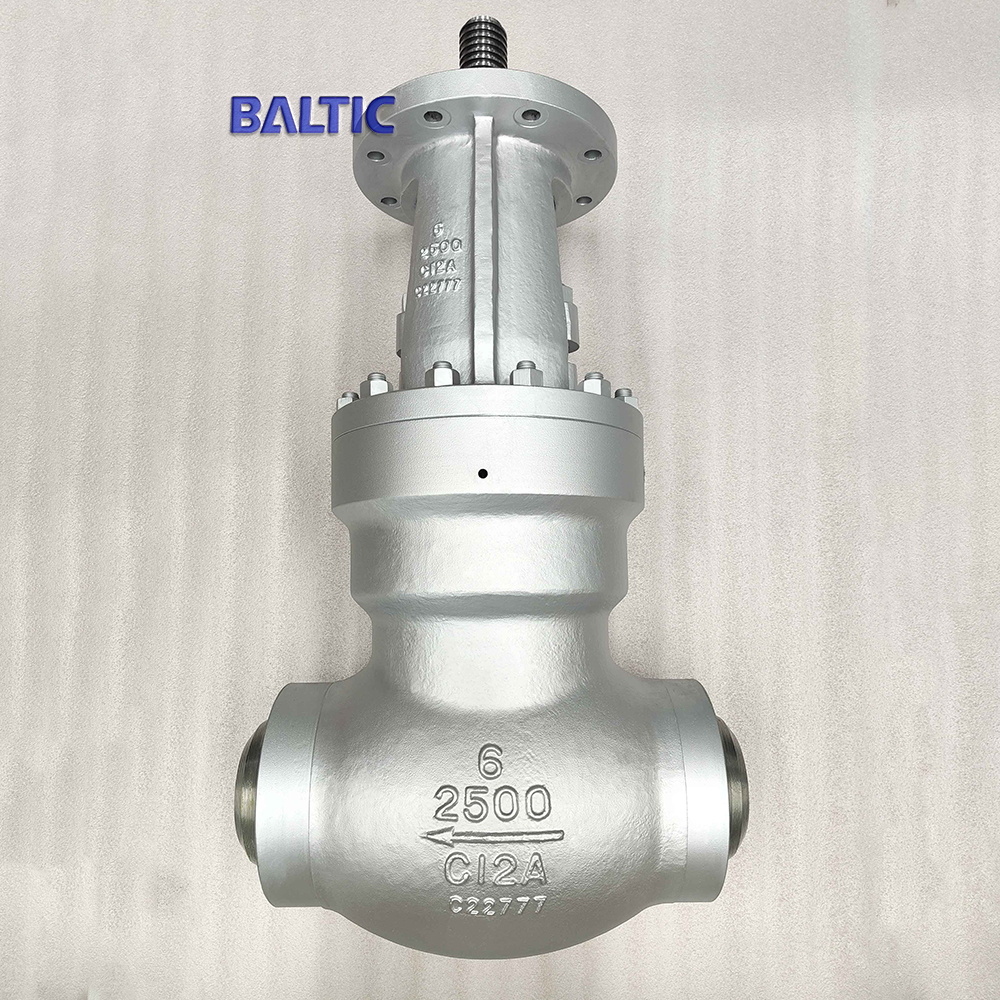
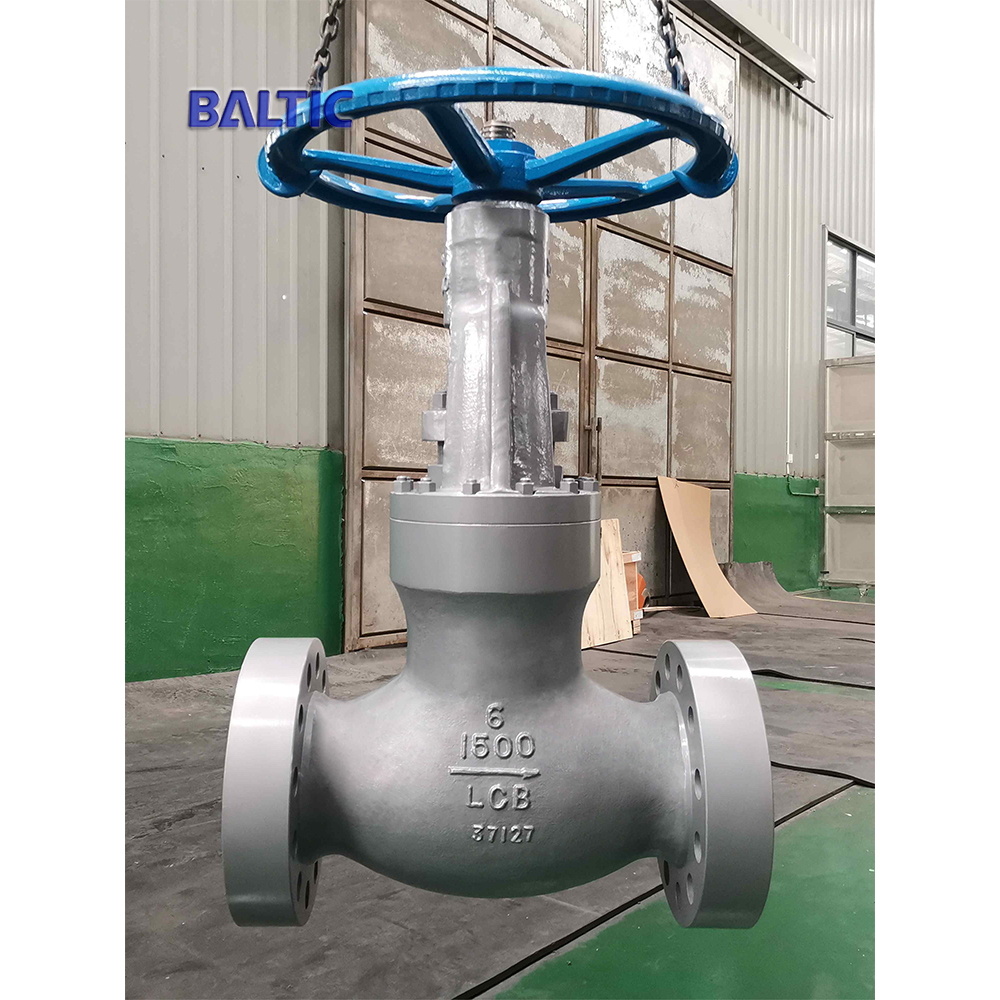
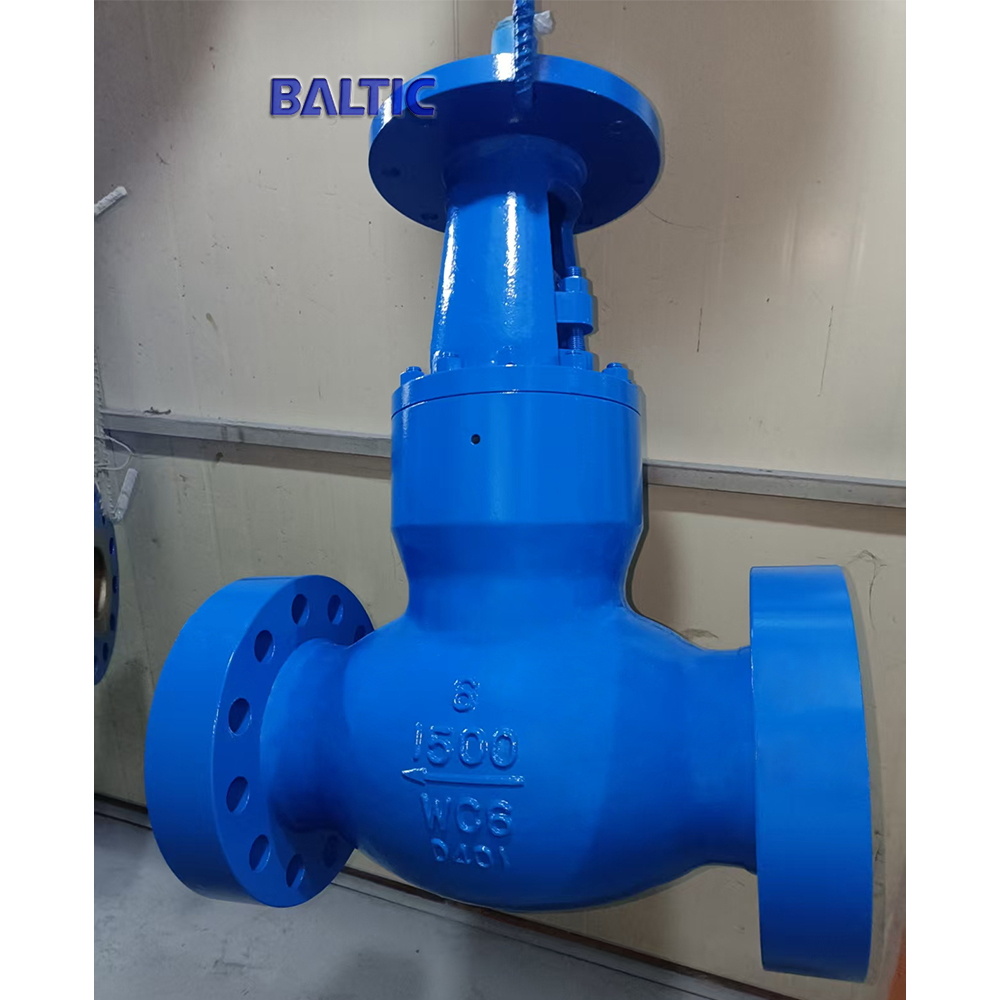
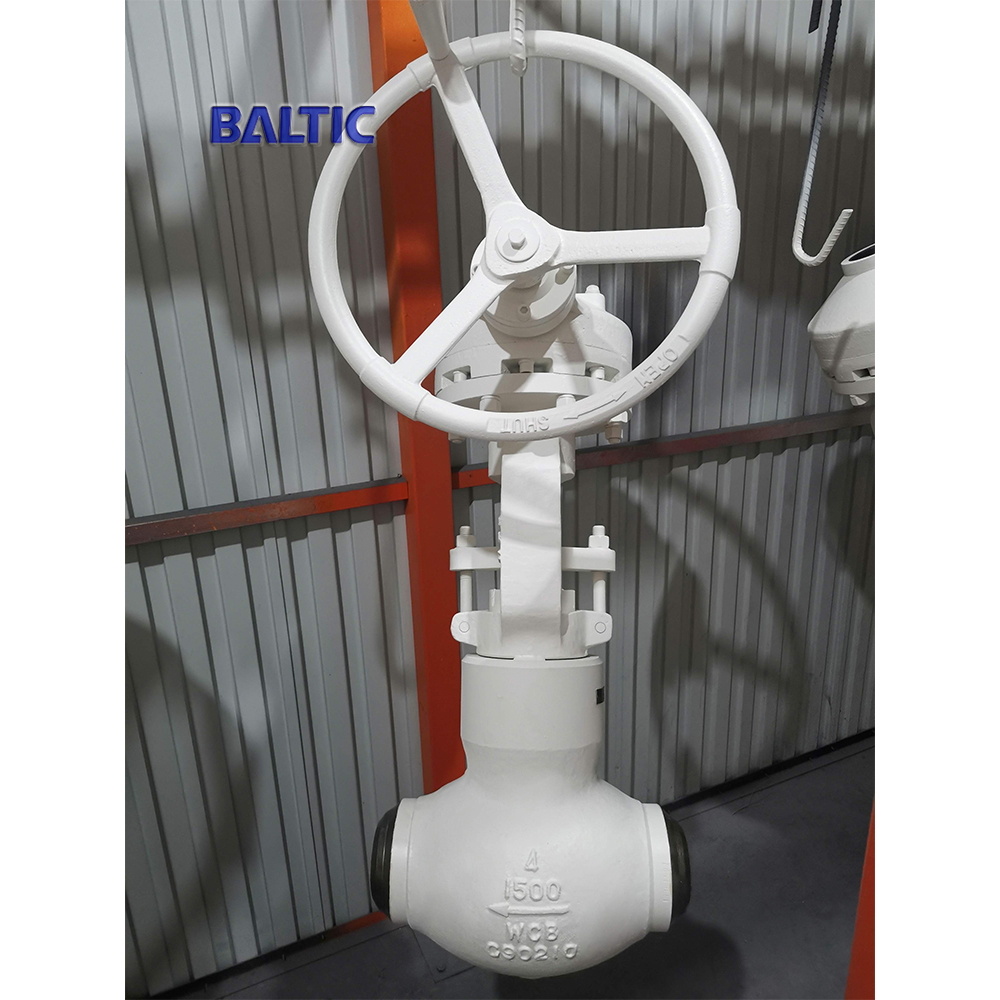
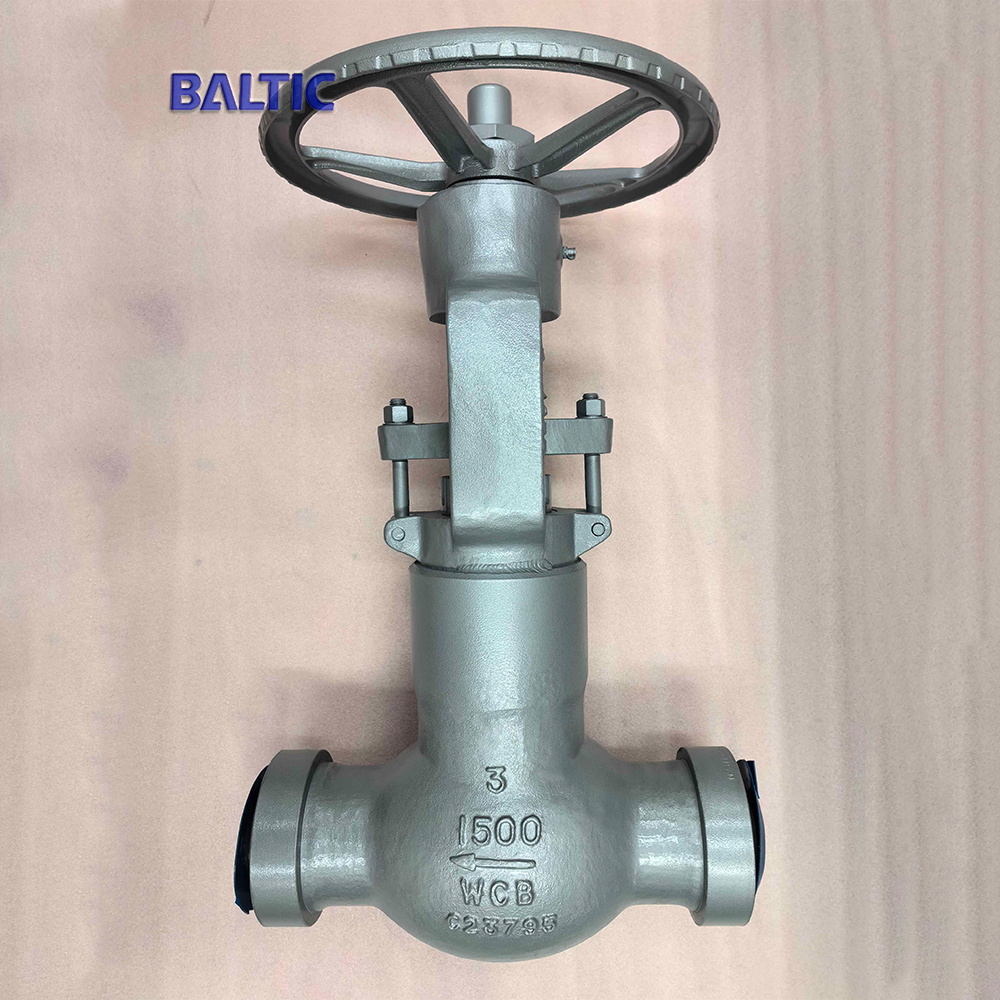
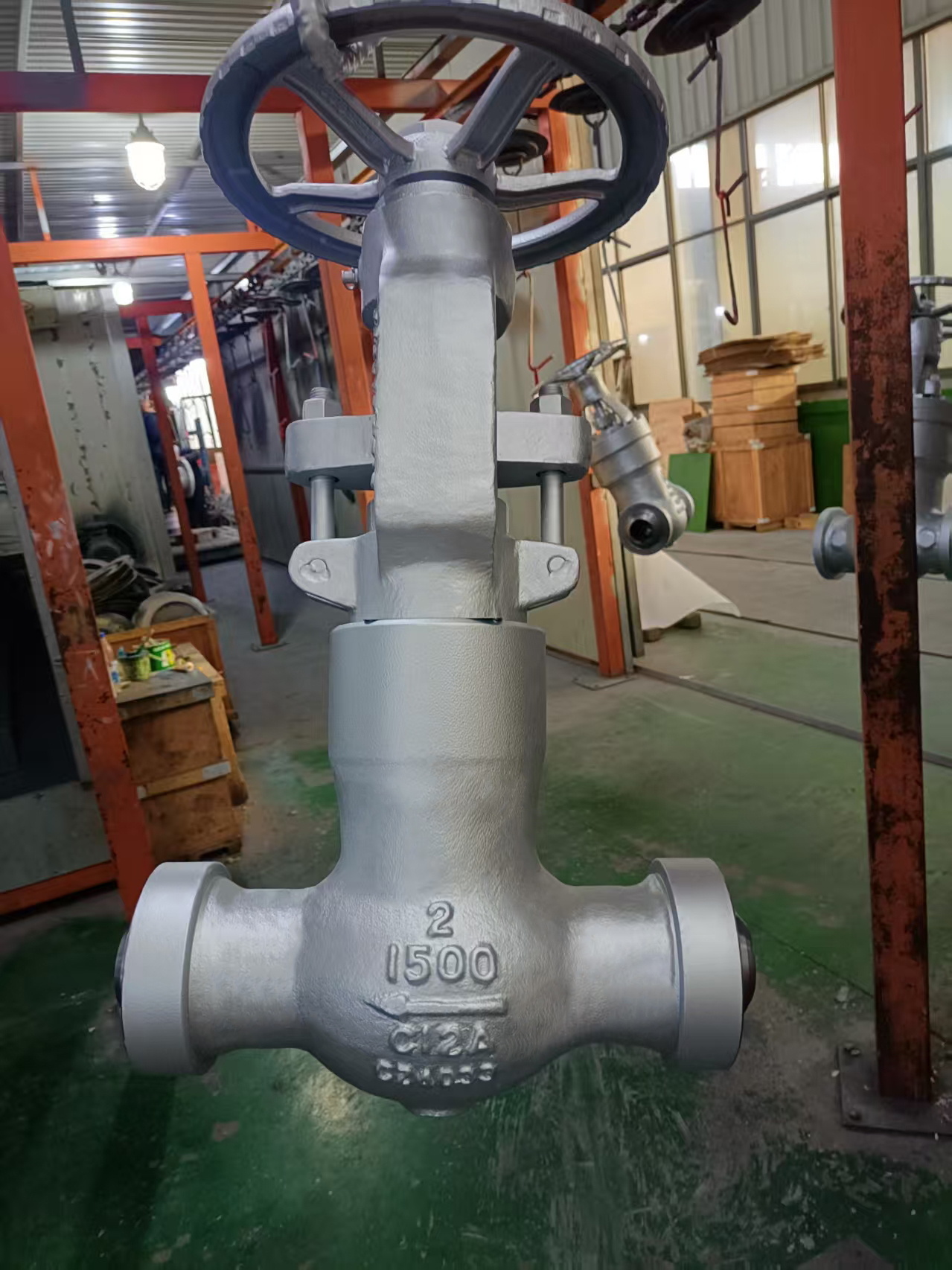
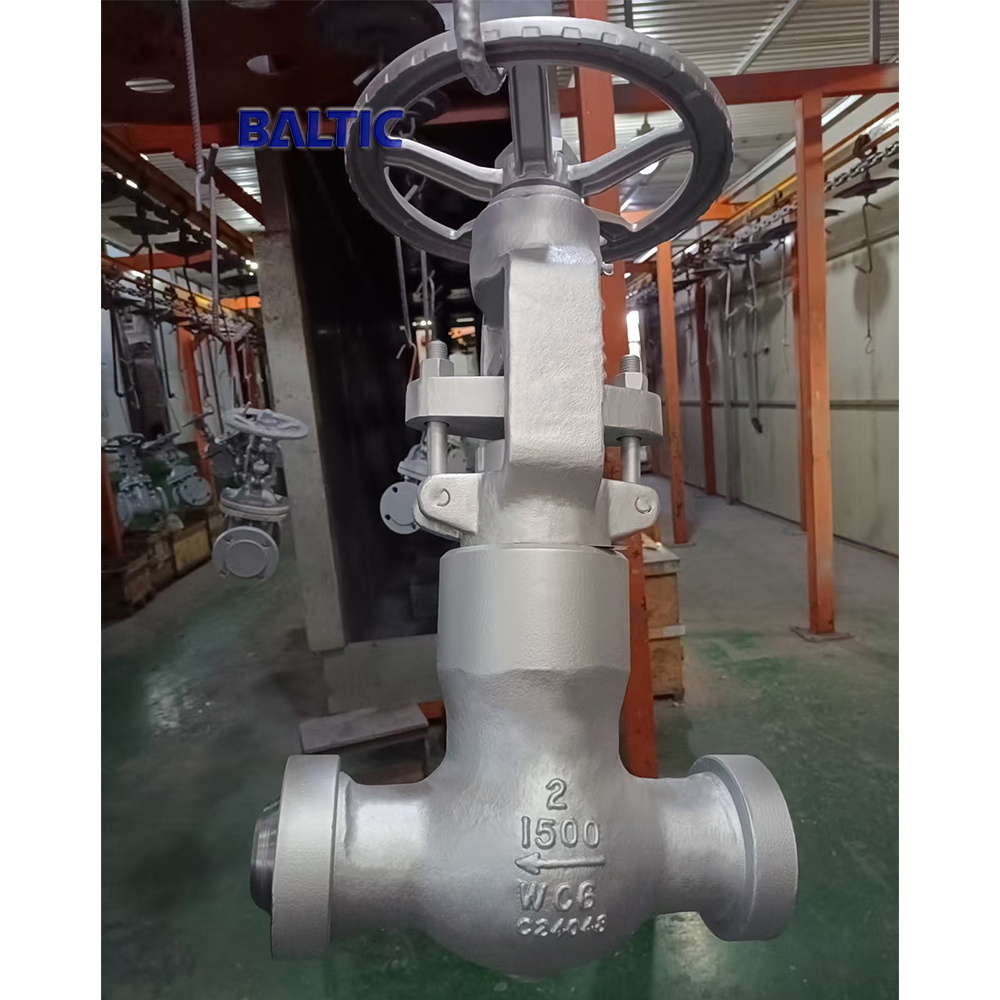
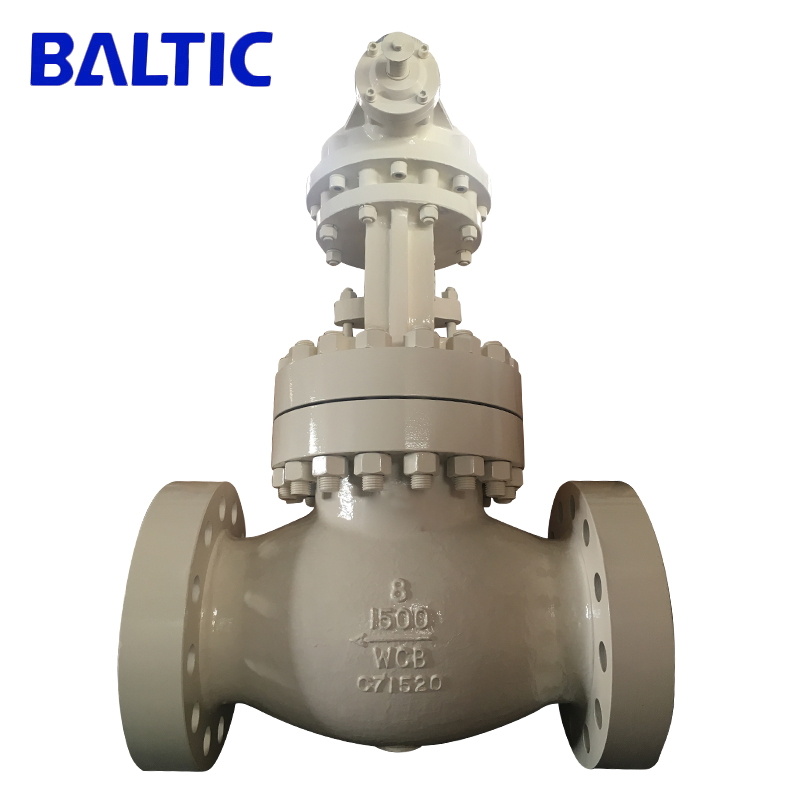
Globe Valves

Globe valves are essential for precise flow regulation and throttling control in pipelines carrying water, steam, oil, gas, and a wide range of process fluids. Built on a linear motion mechanism, they regulate flow through a movable plug and seat arrangement, allowing accurate adjustment of flow rates while maintaining stable performance under varying pressure conditions. Known for their excellent throttling capability, reliable shut-off performance, and robust construction, they are widely used in power plants, oil and gas, petrochemical processing, water treatment, and industrial manufacturing systems.

Through CNMFRS.com, buyers can explore a comprehensive selection of globe valve configurations designed for different control and operating requirements, including T-pattern, Y-pattern, and angle globe valve designs. These valves are available in multiple material options such as stainless steel, carbon steel, alloy steel, and high-temperature resistant alloys, along with various trim designs and sealing options to ensure dependable performance in demanding service environments.

As a leading globe valve online marketplace in China, CNMFRS.com connects global buyers with trusted Chinese manufacturers and suppliers offering high-quality globe valves engineered for precise flow control and long-term industrial reliability.

Explore our comprehensive range of globe valves, available in multiple types, standards, materials, sizes, pressure ratings, actuator configurations, stem designs, and sealing options to meet the requirements of diverse industrial fluid control applications.

Globe Valves Product List

Refine your results:
About results

The globe valves industry encompasses the design, manufacturing, and application of linear-motion valves characterized by a spherical body shape and a movable plug (disc) that seats against a stationary ring to regulate fluid flow. Renowned for precise throttling capabilities, excellent shutoff performance, and versatility across broad pressure and temperature ranges, globe valves are essential components in systems requiring accurate flow control.

Unlike gate valves, which offer a straight-through flow path to minimize pressure drop, globe valves are engineered to intentionally alter the flow direction of the fluid. This tortuous path gives globe valves excellent throttling capabilities, making them the industry standard for flow regulation and frequent operation. While modern designs often incorporate more streamlined configurations, the traditional rounded body shape historically gave the valve its "globe" name.

Core Components of Globe Valves

Understanding the internal architecture of a globe valve is crucial to grasping how it controls fluid dynamics.

  • Valve Body: The primary pressure-retaining structure that houses the internal parts (trim). It features an internal baffle that forces the fluid to change direction, typically in an "S" or "Z" pattern.
  • Bonnet: The cover for the opening in the valve body. It connects the stem to the valve assembly and contains the packing box to prevent fluid leakage along the stem.
  • Plug (or Disc): The movable component attached to the stem that seals against the seat. Globe valve discs come in various shapes depending on whether the valve is used for tight shut-off or precise throttling.
  • Seat Ring: The stationary insert inside the body that the plug presses against to form a seal. The seat can be integral to the body or threaded/welded into place.
  • Stem: The rod that connects the actuator or handwheel to the internal plug, transmitting the linear force required to open or close the valve.

Globe Valves Operational Principles

The operational principle of a globe valve relies on the vertical movement of the plug relative to the horizontal seat.

  • Fluid Entry: Fluid enters the valve through the inlet port and is directed upward or downward through the internal baffle toward the seat opening.
  • Flow Regulation: As the operator turns the handwheel or the actuator triggers the stem, the plug moves linearly. Raising the plug increases the flow area between the disc and the seat; lowering it decreases the area.
  • The Tortuous Path: Because the fluid must make two 90-degree turns to pass through the seat, it experiences a high degree of turbulence and resistance.

Globe Valve Flow Direction

Globe valves are directional and must be installed according to the flow arrow stamped on the body:

  • Under-the-Seat Flow (Standard): The fluid pressure acts against the bottom of the plug. This makes the valve easier to open, prevents the stem from being under constant tension when closed, and allows for safer packing maintenance.
  • Over-the-Seat Flow (High-Pressure/Steam): The fluid pressure acts on top of the plug, assisting in closing the valve and ensuring a tighter seal. This configuration is often used in high-temperature steam applications where thermal contraction could cause the valve to leak if it were piped under-the-seat.

Key Globe Valve Categories & Classifications

1. By Body Design Configuration

  • Z-Body (Standard Design): The most common industry design. The internal seat partition is aligned horizontally, forcing the fluid into a sharp, "Z" shaped flow path.
    • Advantage: Highest level of throttling precision; easy to manufacture and maintain.
    • Disadvantage: Highest pressure drop and flow resistance.
  • Y-Body (Wye Design): Engineered to overcome high pressure drops. The stem and seat are angled at approximately 45 degrees relative to the main pipeline, straightening out the fluid pathway.
    • Advantage: Significantly lower pressure drop while maintaining excellent throttling.
    • Disadvantage: Larger physical footprint and higher manufacturing costs.
  • Angle Body: A specialized modification of the Z-body where the inlet and outlet ports are positioned at a 90-degree angle. Fluid makes a single 90-degree turn.
    • Advantage: Serves as both a regulating valve and a 90-degree piping elbow (saving on fittings); manages fluid pulsing and erosive flows well.
    • Disadvantage: Limited to layouts that naturally feature a 90-degree turn.
  • Specialty Configurations: Includes Needle Valves (precision throttling via a tapered plug), Three-Way Globe Valves (multi-port for mixing/diverting), and Bellows Seal Globe Valves (hermetic stem sealing for hazardous fluids).

2. By Disc & Seat Design

  • Plug Disc: Tapered or parabolic shape optimized for precise throttling.
  • Ball Disc: Used primarily for on/off applications with quick-opening characteristics.
  • Composition Disc: Utilizes renewable soft seats to ensure a tight, reliable shutoff.
  • Metal-to-Metal Seating: Designed to withstand severe, high-temperature applications.
  • Balanced Plug Design: Pressure-balanced configurations intended to combat high pressure drops.

3. By Material Construction

  • Body Materials: Carbon steel (A216 WCB), stainless steel (A351 CF8/CF8M), alloy steel (WC6/WC9), bronze, Monel, and Inconel.
  • Trim & Stem: Trim options include 13% Cr, Stellite 6, Tungsten Carbide, Hastelloy, and Ceramic. Stems typically utilize 316SS, 416SS, Monel K500, or Inconel 718.
  • Seating & Gaskets: Seat rings can be removable/renewable, integral welded, or hard-faced. Gaskets range from spiral-wound (SS/Graphite) and RTJ to soft cut variants.

Globe Valve Advantages

  • Superior Throttling: The precise linear travel of the plug allows for exact adjustments to flow rates.
  • Shorter Stroke Length: Compared to a gate valve, it requires fewer turns of the handwheel to fully open or close, reducing wear and operational time.
  • Easy Maintenance: Internal components (seats and discs) can be accessed from the top by removing the bonnet, meaning they can be refurbished or replaced without removing the valve body from the pipeline.
  • Reliable Shut-Off: Offers excellent sealing capabilities when properly seated.

Globe Valve Disadvantages

  • High Pressure Drop: The internal fluid redirection causes a high friction factor ($K$-factor), leading to a significant loss of system pressure.
  • Weight and Size: For larger pipe diameters, globe valves are considerably heavier and bulkier than ball or butterfly valves of equivalent pressure ratings.
  • Higher Operating Force: Closing a globe valve against fluid pressure requires a significant amount of torque, often necessitating automated actuators or gear operators in high-pressure systems.

Technology & Innovation Trends

  • Precision Flow Control: Increased deployment of characterized plug designs (equal percentage/linear flow characteristics), anti-cavitation trims with multi-stage pressure reduction, and low-noise trim elements.
  • Digital Integration & Smart Features: Integration of smart positioners with digital protocols (HART, Foundation Fieldbus, Profibus), IoT-enabled diagnostics for predictive maintenance, digital twins for flow simulation, and self-diagnostic automated calibration systems.
  • Advanced Material Engineering: Development of nanostructured coatings for erosion resistance in particulate-laden flows, composite materials for severe service, additive manufactured (3D printed) custom trim components, and high-temperature alloys for ultra-supercritical plants.
  • Fugitive Emission Sealing: Widespread adoption of live-loaded packing systems and bellows seal designs to achieve zero-emission compliance, alongside fire-safe designs certified per API 607/ISO 10497.

Globe Valve Industrial Applications

Globe valves are cross-certified across global standards depending on their operational severe-service environments:

  • Power Generation: Main steam, feedwater, and turbine bypass systems (governed by MSS SP-80/81; utilizing ultra-supercritical high-temperature alloys).
  • Oil & Gas / Refining: Wellhead control, manifold systems, and choke valves (API 602/6A).
  • Chemical Processing: Critical control loops managing highly volatile, hazardous, or corrosive fluid flows (NACE MR0175 compliance for alloy trim).
  • Cryogenic Service: Extended stem designs utilized for Liquefied Natural Gas (LNG) transport and storage down to -196°C.
  • Marine & HVAC: Seawater cooling, fuel oil transfer, and balancing circuits for commercial heating/cooling loops.
  • Nuclear Power: Highly regulated Nuclear Class 1, 2, and 3 valves manufactured under ASME Section III guidelines.

Globe Valve Market Drivers

The global expansion of the globe valve market is primarily propelled by power plant modernization, the implementation of Industry 4.0 automation, and digital oilfield initiatives. Stricter environmental mandates regarding fugitive emissions have accelerated the demand for smart, high-performance sealing designs. Additionally, infrastructure upgrades in water/wastewater treatment and emerging renewable energy sectors (geothermal, concentrated solar) continue to scale demand.

Globe Valve Major Players & Value Chain

The marketplace features a tiered ecosystem of manufacturers:

  • Global Leaders: Emerson (Fisher), Flowserve, Velan, IMI Precision Engineering, and Samson.
  • Specialty Manufacturers: Control Components Inc. (CCI), ValvTechnologies, MOGAS, and Metso.
  • Regional & European Specialists: KSB, Gestra, Spirax Sarco, SchuF Group, Forbes Marshall, and L&T.

Globe Valve Challenges & Opportunities

  • Challenges: Facing stiff design competition from high-performance ball and butterfly valves due to inherently high pressure drops; navigating material cost volatility for specialty alloys; and addressing technical skill shortages in precision valve manufacturing.
  • Opportunities: Expanding aftermarket services (digital retrofits, smart calibration, rapid repairs), supporting the rapidly developing hydrogen economy infrastructure, and supplying specialized valves for Carbon Capture, Utilization, and Storage (CCUS) operations.


Videos of Globe Valves

More About Globe Valves

Related searches of Globe Valves

Related Blogs of Globe Valves