Transportation

I. Industry Definition & Scope

The Transportation Industry encompasses the systems, services, and infrastructure that enable the physical movement of people and goods from one location to another. It is a foundational pillar of the global economy, facilitating trade, commerce, and social interaction. The scope extends beyond vehicles to include the complete ecosystem: modes of transport, supporting infrastructure, logistics services, regulatory frameworks, and enabling technologies. The industry is segmented by mode: road, rail, air, water, and pipeline.

II. Key Segments & Product Categories

By Mode of Transport:

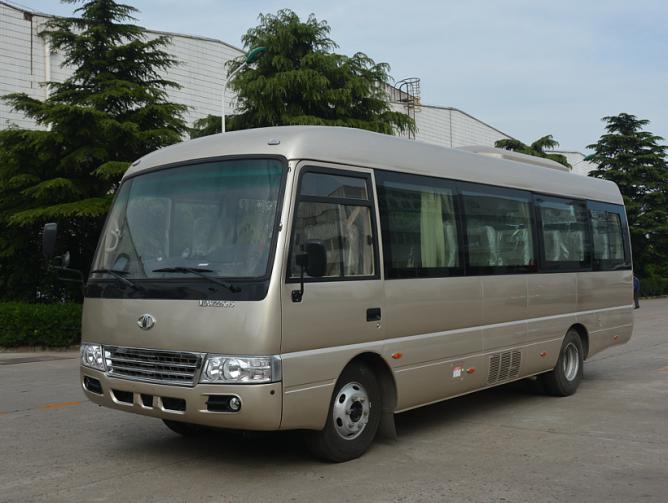
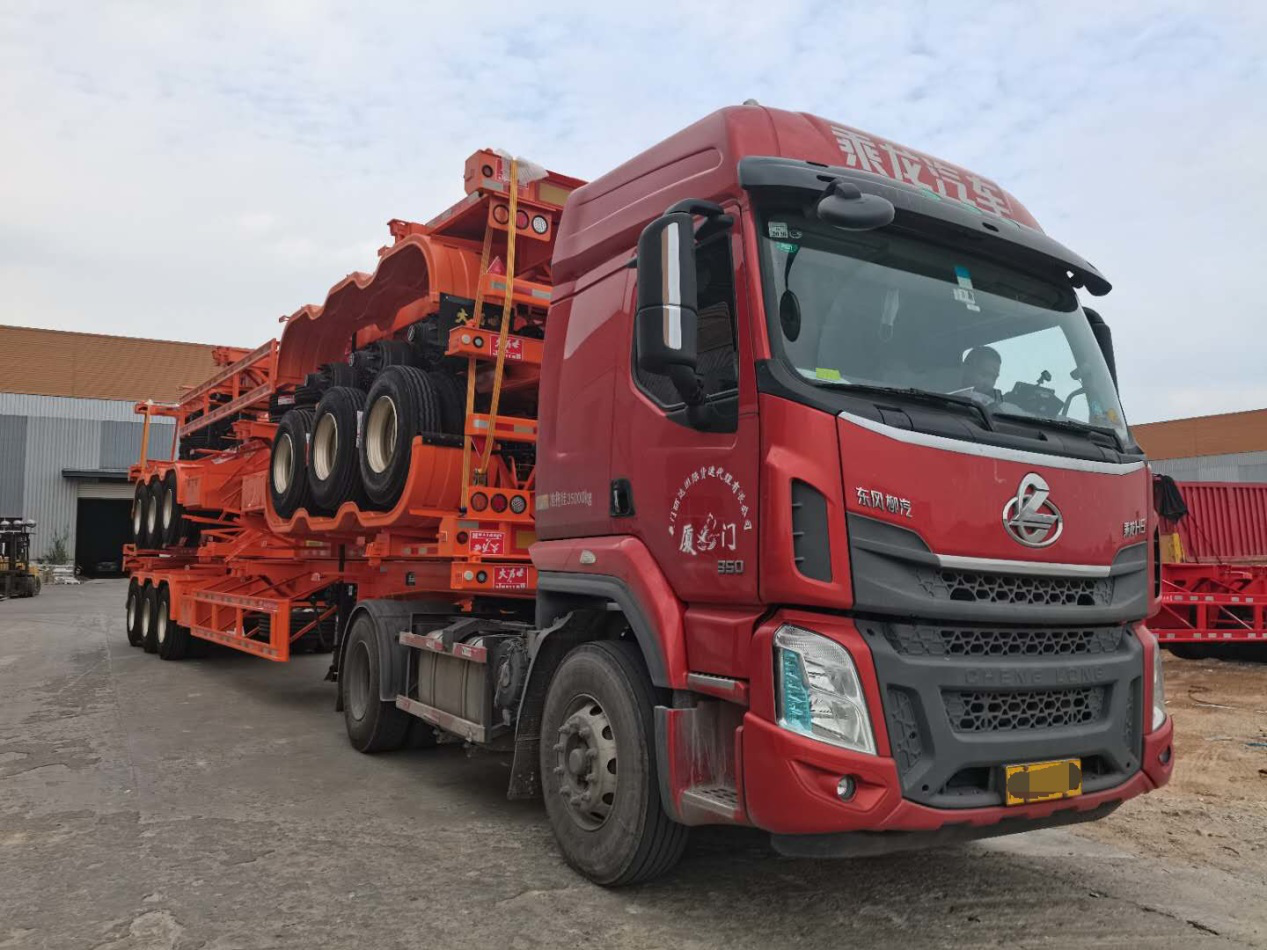
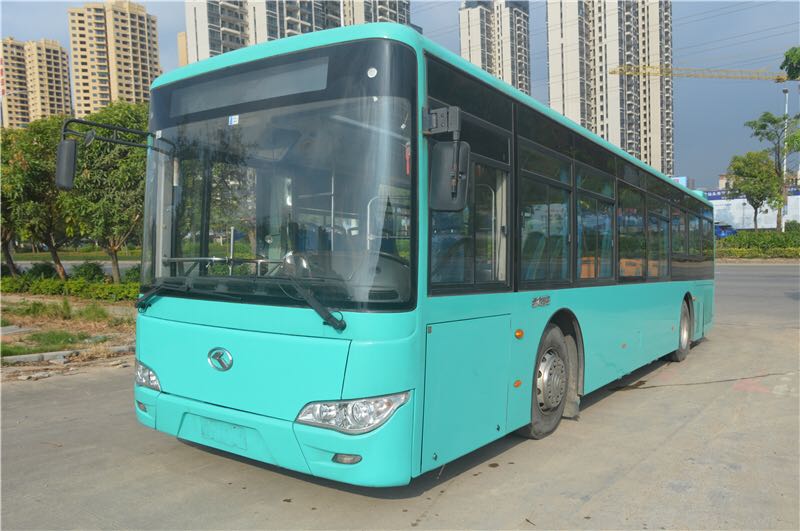
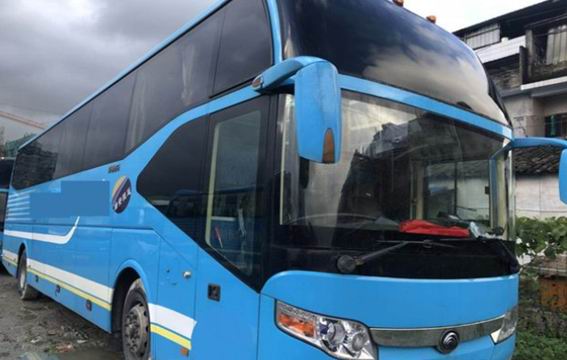
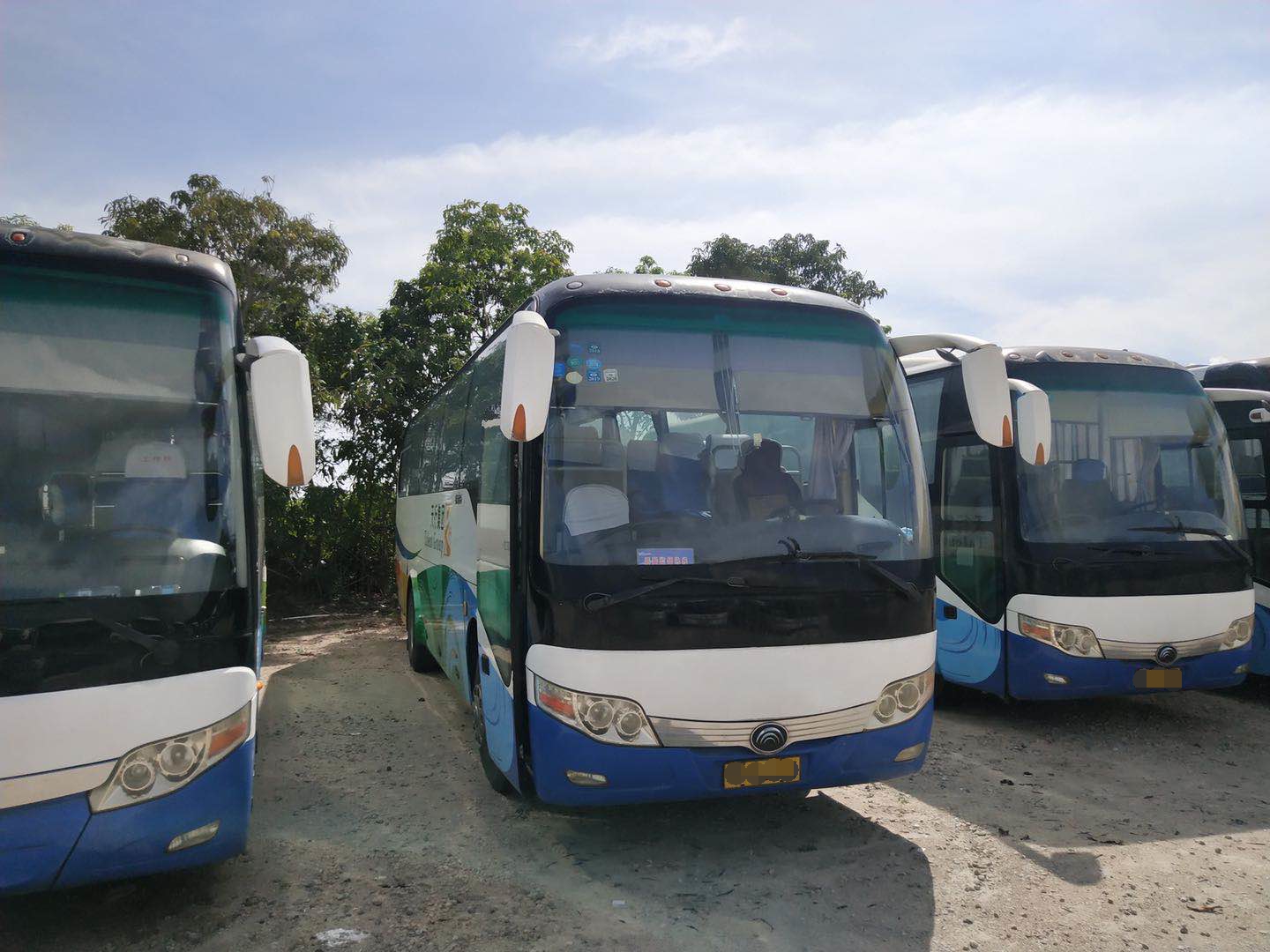
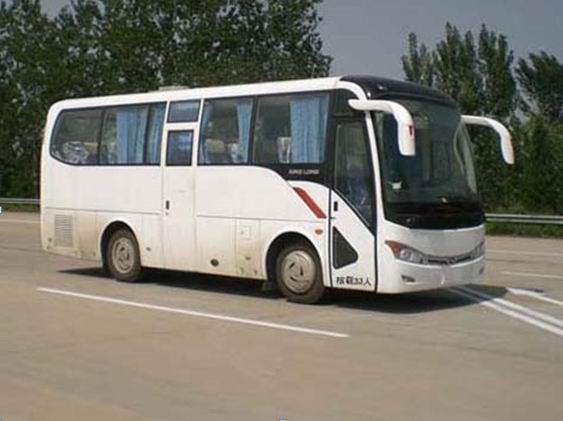
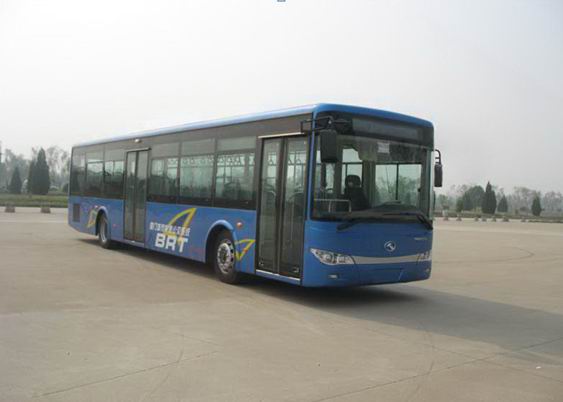
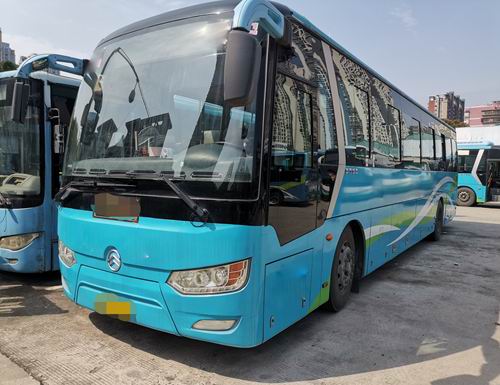
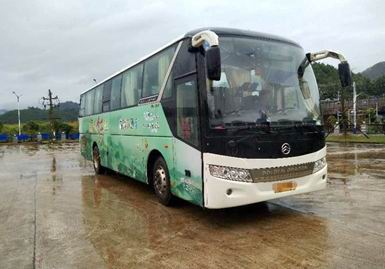
  • Road Transport: Includes passenger vehicles, trucks, buses, taxis, and ride-sharing services. Infrastructure includes highways, bridges, and fueling/charging stations.

  • Rail Transport: Freight railroads, passenger rail (commuter, intercity, high-speed), and associated rail networks.

  • Air Transport: Commercial aviation (passenger & cargo), general aviation, airports, and air traffic control systems.

  • Maritime Transport: Ocean freight shipping (container, bulk, tanker), port operations, and inland waterways.

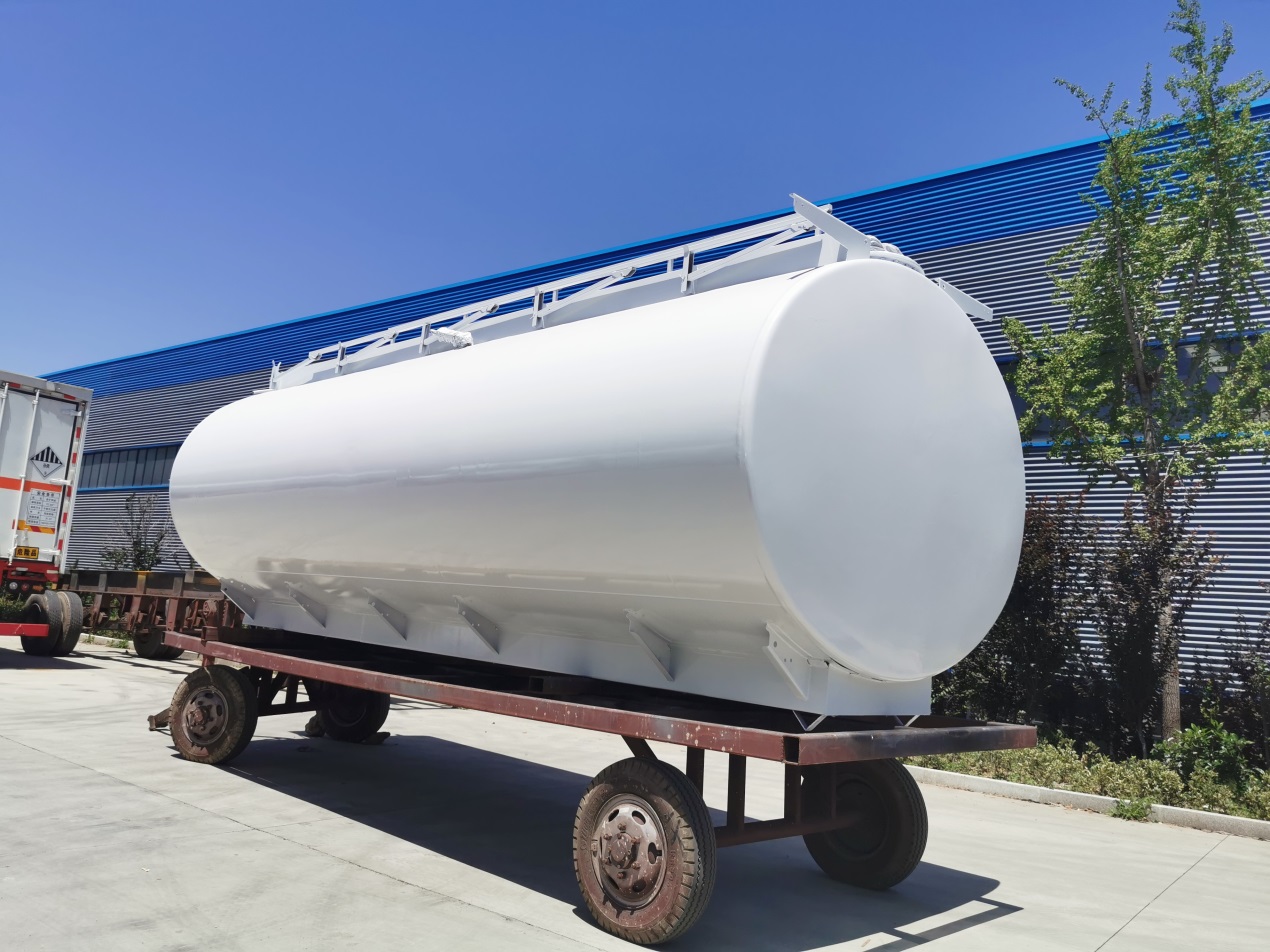
  • Pipeline Transport: Specialized movement of liquids and gases (oil, natural gas).

By Service Type:

  • Passenger Transportation: Mass transit, aviation, ride-hailing, car rental, micromobility (e-scooters, bikes).

  • Freight & Logistics: Trucking, freight rail, air cargo, ocean shipping, third-party logistics, warehousing, and last-mile delivery.

III. Technology & Innovation Trends

  • Electrification & Alternative Fuels: Rapid adoption of electric vehicles (EVs) for road transport and R&D into hydrogen fuel cells for trucks, ships, and aviation (Sustainable Aviation Fuel - SAF).

  • Autonomous & Connected Systems: Development of self-driving trucks, cars, and drones. Integration of Internet of Things (IoT) and Vehicle-to-Everything (V2X) communication for traffic management and safety.

  • Digitalization & Mobility as a Service (MaaS): Platforms integrating multiple transport modes (ride-hail, bike-share, public transit) into a single, on-demand service. AI for dynamic routing, predictive maintenance, and supply chain optimization.

  • Smart Infrastructure: Development of intelligent transportation systems (ITS), smart ports, and digital air traffic management to increase efficiency and capacity.

  • Advanced Logistics Tech: Use of robotics and automation in warehouses, blockchain for supply chain transparency, and AI-driven freight matching platforms.

IV. Global Market Drivers

  • Globalization & E-commerce Growth: Explosive growth in cross-border trade and last-mile delivery demand, driving freight and logistics volumes.

  • Urbanization: Increasing urban population density fuels demand for efficient public transit, micromobility, and congestion solutions.

  • Environmental Regulations & Decarbonization Push: Strict global emissions targets (e.g., IMO 2020, EU Green Deal) are forcing technological shifts and operational changes across all modes.

  • Consumer Demand for Convenience & Speed: Expectations for faster, cheaper, and more transparent delivery (same-day/next-day) and seamless passenger travel experiences.

  • Infrastructure Investment & Modernization: Government spending on upgrading aging roads, bridges, ports, and rail networks, especially in developed economies.

  • Post-Pandemic Rebalancing: Recovery of passenger air travel and business commuting, coupled with sustained growth in freight from shifted consumer spending patterns.

V. Major Players & Value Chain

  • Leaders: A diverse set including freight/logistics giants (UPS, FedEx, Maersk, DHL), passenger carriers (airlines like Delta, rail operators), vehicle manufacturers, and infrastructure operators/owners (toll road companies, port authorities).

  • Value Chain: Asset Owners/Operators (vehicles, vessels, planes, infrastructure) → Transport Service Providers (carriers, freight forwarders, airlines) → Technology & Platform Enablers (booking systems, telematics, MaaS apps) → End Users (Shippers/Businesses and Individual Passengers).

VI. Challenges & Opportunities

  • Challenges:

    • High Capital Intensity & Cyclicality: Massive infrastructure and vehicle costs, with profitability highly sensitive to economic cycles and fuel prices.

    • Regulatory Complexity & Fragmentation: Operating across numerous national and international jurisdictions with varying safety, environmental, and labor laws.

    • Labor Shortages & Workforce Dynamics: Critical shortages of truck drivers, pilots, and maritime officers, alongside unionization and wage pressures.

    • Geopolitical & Supply Chain Volatility: Disruptions from trade disputes, pandemics, and regional conflicts impacting global flow of goods and people.

    • Path to Decarbonization: The immense technical and financial challenge of transitioning entire fleets and infrastructure to low-carbon alternatives.

  • Opportunities:

    • E-logistics & Last-Mile Innovation: Developing autonomous delivery solutions, micro-fulfillment centers, and optimized networks for e-commerce.

    • Data Monetization & Analytics: Leveraging vast operational data to offer value-added services, optimize asset utilization, and sell actionable insights.

    • Sustainable Mobility Solutions: Leading in EV fleets, green corridors for shipping, and integrated public transit systems.

    • Resilient & Regionalized Supply Chains: Providing logistics solutions for companies seeking to nearshore or diversify their manufacturing bases.

    • Experience-Based Passenger Travel: Premium offerings in aviation and rail, and integrated MaaS subscriptions for urban dwellers.

Transportation Product List

Refine your results:
About results

Videos of Transportation

More About Transportation

Related searches of Transportation

Related Blogs of Transportation