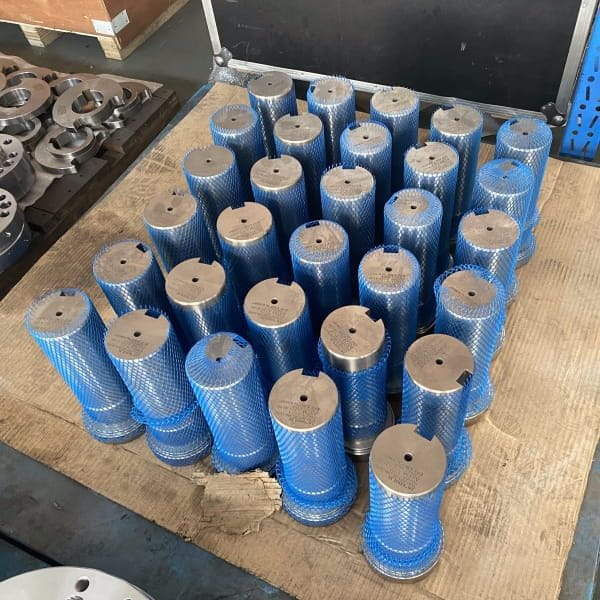
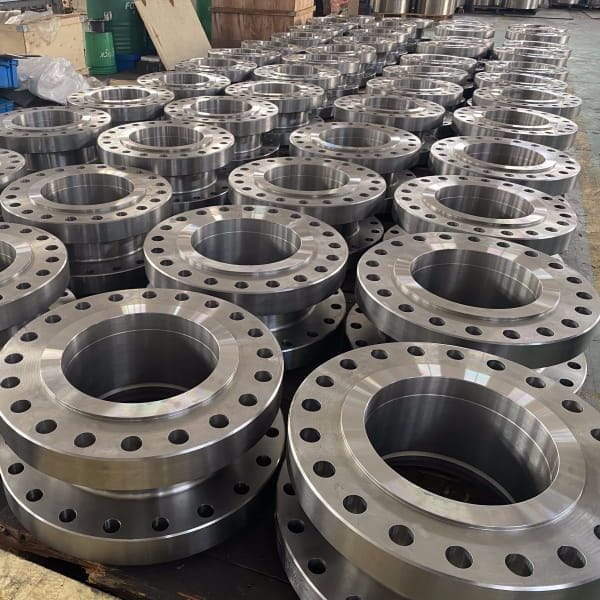
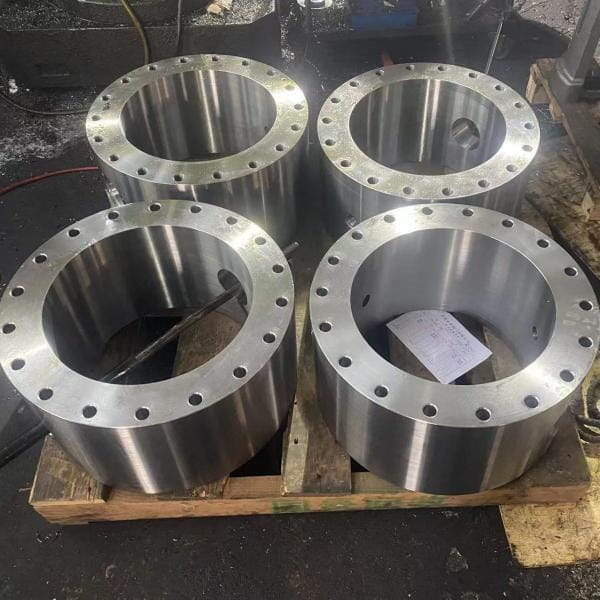
The valve parts industry encompasses the design, manufacturing, and supply of specialized components that constitute functional valve assemblies. This critical supporting industry serves the entire valve ecosystem by providing precision-engineered parts that determine valve performance, reliability, and service life across industrial, energy, and infrastructure applications.
Every industrial valve, whether it is a massive 24-inch gate valve handling crude oil or a small needle valve regulating laboratory gas, relies on a core group of these components working in unison. While valve designs vary drastically based on their application, the fundamental anatomy and the supply chain supporting it remain remarkably consistent.
Structural Breakdown & Product Categories
Industrial valve components are categorized by both their mechanical role within the assembly and their specific product classification.
1. The Pressure-Retaining Boundary
These components form the outer shell of the valve, holding the fluid pressure and preventing leaks to the atmosphere.
- Body (Shell) & Connection Parts: The primary pressure boundary and main framework of the valve. It houses all internal parts, provides the fluid passage, and connects to the piping system via flanged, threaded, or welded ends.
- Bonnet: The cover for the opening in the valve body. It is typically bolted or threaded to the body, allowing access to the internal components for maintenance and repair. Like the body, it is a critical pressure-retaining part.
- Fastening & Security: High-strength bolts, nuts, pins, clips, and locking devices that secure the bonnet to the body and ensure structural integrity under pressure.
2. The Flow Control Elements (The Trim)
The "trim" is a collective term for the interchangeable internal parts that come into direct contact with the process fluid. These parts are directly responsible for stopping, starting, or regulating flow.
Disc (Closure Member): The part that allows, linearizes, or obstructs the flow depending on its position. The geometry changes by valve type:
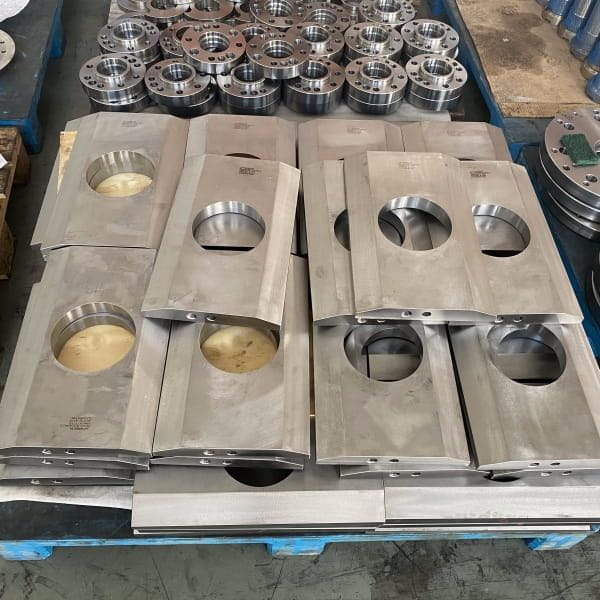
- Gate Valves: A wedge or parallel disc.
- Ball Valves: A spherical ball with a hole (bore) through the center.
- Globe Valves: A plug or tapered disc.
- Butterfly Valves: A circular disk that rotates on an axis.
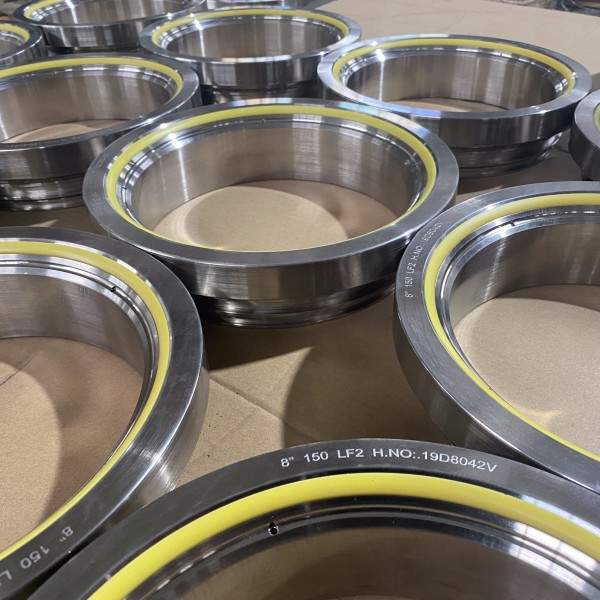
Seat / Seat Rings: The stationary surface against which the disc seals to shut off the flow.
3. Moving, Sealing & Instrumentation Components
These parts transmit external force to the internal closure member while ensuring the fluid stays contained inside the valve system.
- Stem & Shafts: The rod that transmits motion from the handle or actuator to the internal disc. Rising stems move vertically to provide a visual cue of the valve's status, while non-rising stems rotate in place for tight spaces.
- Sealing Components (Stem Packing & Gaskets): Deformable materials placed inside the bonnet's stuffing box (compressed by a gland follower) and between body joints. This category includes gaskets, O-rings, diaphragms, and stem packing made of flexible graphite or PTFE to prevent external leakage.
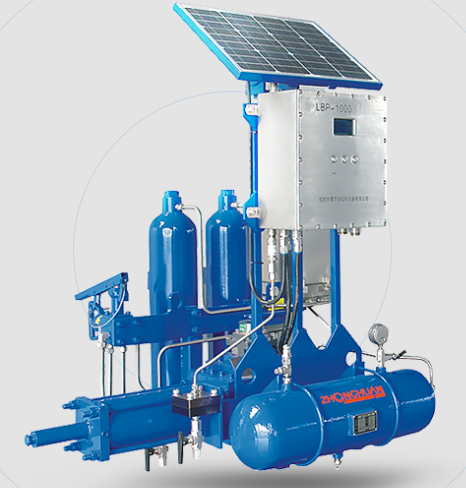
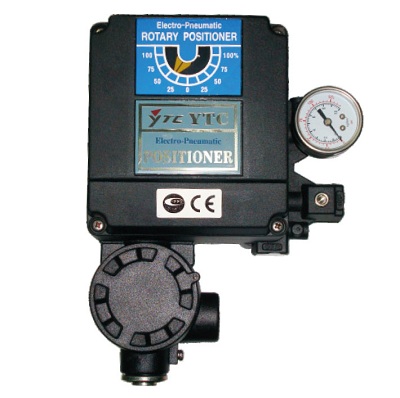
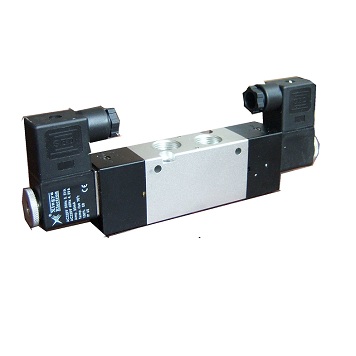
- Instrumentation & Accessories: Advanced components integrated into the valve for precise control and feedback, including positioners, limit switches, and solenoid valves.
4. Actuation and Operation
The components used to physically move the stem and operate the valve assembly.
- Manual Operators: Handwheels or levers used by operators to open or close the valve. Levers are standard for quarter-turn valves, while handwheels handle multi-turn designs.
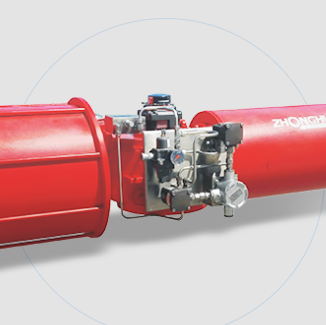
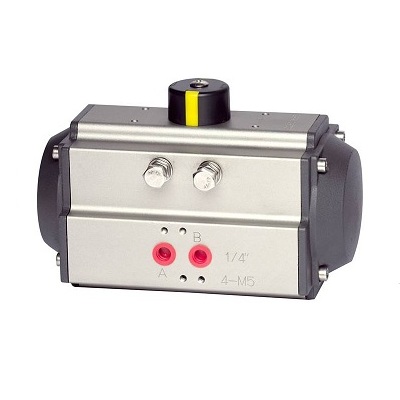
- Actuators & Gear Operators: Mechanical devices used to operate valves remotely or automatically. Actuators can be pneumatic (air-driven), hydraulic (fluid-driven), or electric (motor-driven), often paired with a gearbox to reduce the torque required for large-diameter valves.
Valve Parts Material Classification & Surface Treatments
Selecting the correct material is vital to ensuring component longevity and chemical compatibility with the process fluid.
- Metallic Parts: Industrial standards lean heavily on carbon steel (such as WCB for cast bodies), stainless steel (304, 316), alloy steel, bronze, and brass.
- Non-Metallic Parts: Utilized primarily for tight sealing and lower friction, including PTFE, Nylon, EPDM, Viton, graphite, and technical ceramics.
- Composite Materials: Reinforced polymers and metal-polymer combinations designed to capture the structural benefits of metal with the chemical resistance of plastics.
- Surface Treatments: Critical for wear and corrosion resistance. Processes include hard-facing (e.g., Stellite overlay on valve seats), specialized coatings (Nickel-Phosphorus [Ni-P], Chrome [Cr]), and plating.
Manufacturing Processes of Valve Parts
The production of valve parts requires diverse manufacturing disciplines to balance structural strength with dimensional accuracy:
- Forging & Casting: Primary shaping via investment casting, sand casting, or die forging to create robust bodies, bonnets, and discs.
- Precision Machining: Utilizing CNC turning, milling, and grinding to achieve the exact tolerances required for bubble-tight sealing faces and smooth stem operation.
- Molding & Forming: Injection and compression molding used exclusively for non-metallic seals, seats, and diaphragms.
- Additive Manufacturing: 3D printing of complex geometries and rapid prototypes for custom or low-volume specialized parts.
- Heat Treatment: Quenching, tempering, and annealing to optimize material hardness, tensile strength, and stress relief.
Industry Applications & Market Segmentations
Valve parts are segmented based on their production volume, operating environment, and market placement:
- Standard Replacement Parts: Mass-produced, highly standardized components designed for common industrial valves.
- Custom Engineered Parts: Individually designed components tailored to specific valve models or unique, severe-service operational conditions.
- High-Performance Components: Engineered specifically to withstand extreme temperatures, cryogenic applications, high pressure-drop scenarios, or highly corrosive environments.
- OEM vs. Aftermarket: The market splits between components supplied directly to Original Equipment Manufacturers (OEMs) for new valve assembly, and the aftermarket sector supplying the Maintenance, Repair, and Operations (MRO) segment for field servicing.
Technology & Innovation Trends
The valve parts sector is evolving rapidly through automation, material science, and data integration:
- Advanced Manufacturing: Implementation of robotic machining cells for high-volume precision, laser cladding for rapid wear-resistant surface enhancements, automated quality inspections using coordinate measuring machines (CMM), and digital twin simulation to model stress and flow profiles.
- Material Science Innovations: Development of nanostructured coatings for erosion resistance, high-temperature polymers for deeper sealing capabilities, metal matrix composites, and smart materials with self-adjusting properties.
- Digitalization & IoT Integration: Embedded RFID tagging for lifetime component traceability, internal sensors for real-time condition monitoring, predictive maintenance algorithms to track part wear, and blockchain tracking for certification and quality documentation.
- Sustainability & Circular Economy: A growing focus on the remanufacturing and refurbishment of worn components, designing parts with recyclable materials, and optimizing machining strategies to minimize raw material waste.
Market Drivers for Valve Parts
The global demand for high-quality valve components is propelled by aging industrial infrastructure requiring extensive replacement parts, alongside increasingly stringent fugitive emission regulations that mandate advanced sealing configurations. Furthermore, expansion across the oil & gas, chemical processing, and power generation sectors, coupled with a broader industrial push toward automation and localized supply chains, continues to drive MRO and aftermarket growth.
Major Players & Value Chain
The ecosystem relies on a segmented chain of specialized contributors:
- Component Specialists: Companies focusing on targeted lines, such as Garlock (sealing technology), Crane (flow control items), and Rotork (actuation and gearboxes).
- Material Providers: Companies supplying raw materials, such as Saint-Gobain (high-performance materials) and DuPont (polymers).
- Precision Manufacturers & Regional Hubs: Specialized machining hubs located throughout Switzerland and Germany, supported by major regional production and supply hubs across China, India, and Southeast Asian manufacturing centers.
Key Challenges Facing Manufacturers
- Intense Competition: Persistent margin pressure arising from low-cost manufacturing regions.
- Technical Complexity: Increasingly rigorous material selection demands for severe-service and high-pressure applications.
- Counterfeit Parts: Uncertified components entering the global supply chain, which can severely compromise plant safety and regulatory compliance.
- Material Volatility: Rapidly fluctuating market pricing for specialty alloys, nickel, and high-performance engineered polymers.
- Stringent Certification: Overlapping domestic and global quality requirements that extend verification timelines.
Emerging Sector Opportunities
Smart Valve Components: Integrating micro-sensors and embedded intelligence directly into valve trim for live operational data feedback.
- On-Demand Additive Manufacturing: Utilizing specialized 3D metal printing to produce complex, customized, or obsolete legacy components without expensive tooling.
- Green Energy Infrastructure: Developing high-integrity parts specifically rated for emerging hydrogen transport networks and geothermal power extractions.
- Digital Inventories: Transitioning to just-in-time logistics models backed by comprehensive cloud-hosted digital part catalogs.
- Component Refurbishment: Expanding aftermarket service lifecycles through localized part restoration and specialized hard-facing recoating.