Industry Definition & Scope
The forged steel valves industry involves the design, manufacturing, and distribution of industrial valves produced through forging processes, where steel is shaped under high pressure and temperature to create components with superior mechanical properties. These valves are engineered for demanding applications in high-pressure, high-temperature, and corrosive environments across oil & gas, petrochemical, power generation, and process industries, offering exceptional strength, reliability, and longevity compared to cast alternatives.
Key Product Categories
By Valve Type:
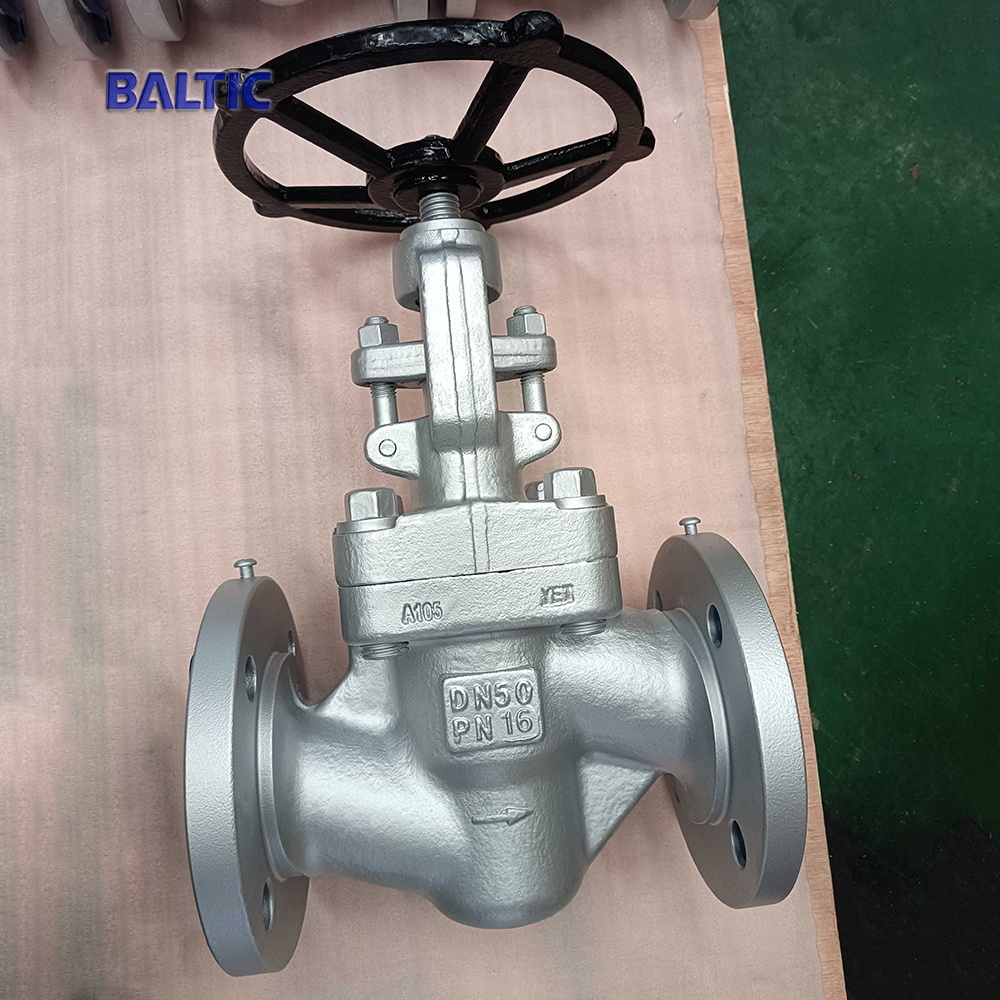
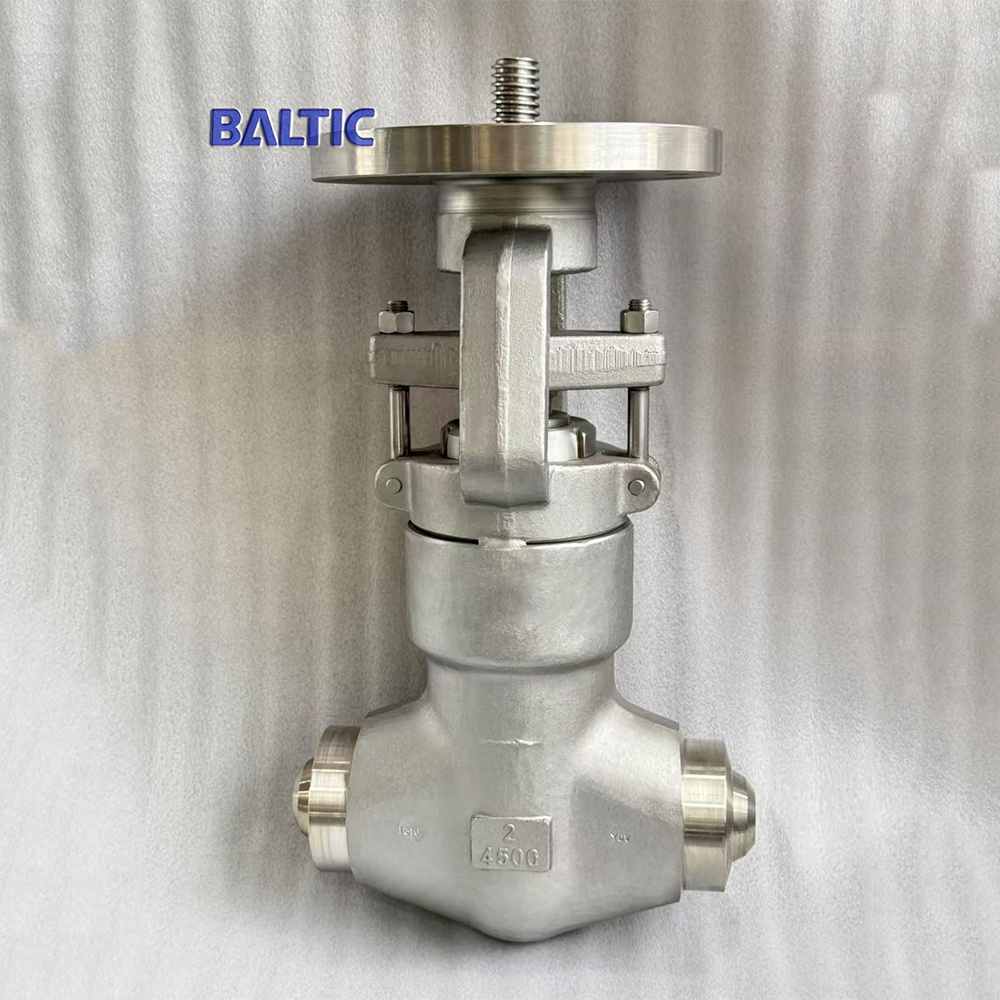
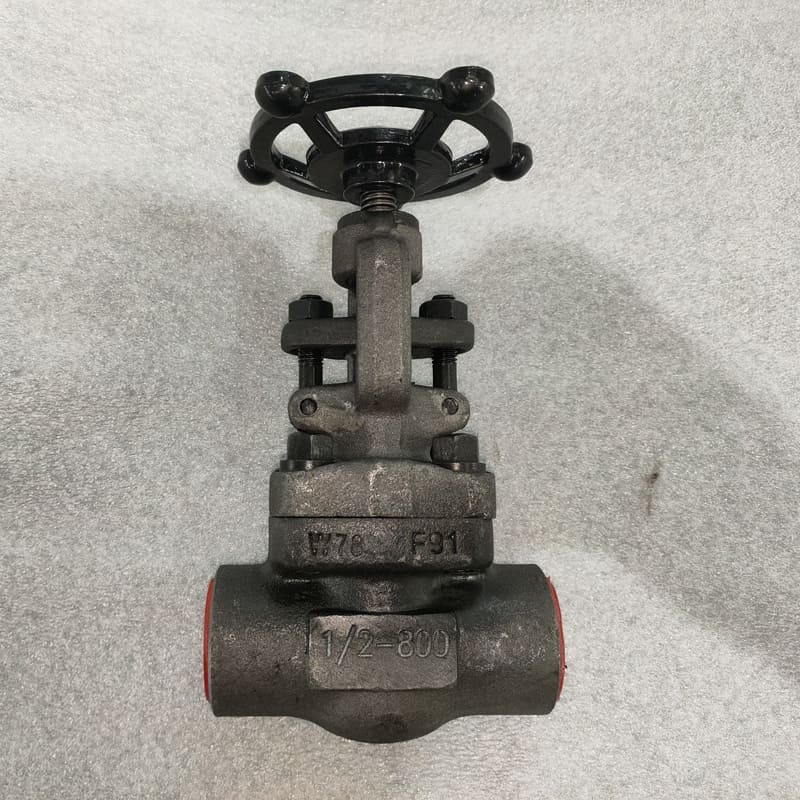
Forged Steel Gate Valves: For isolation services with minimal pressure drop
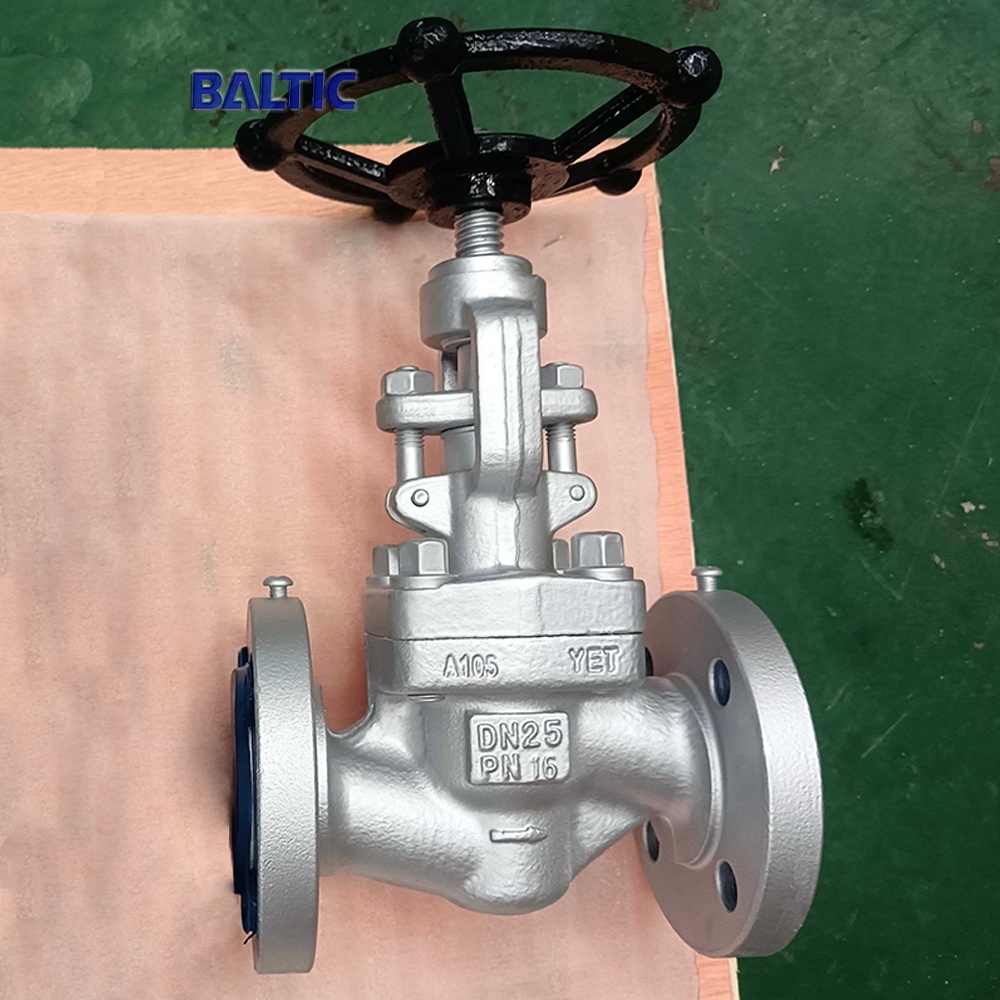
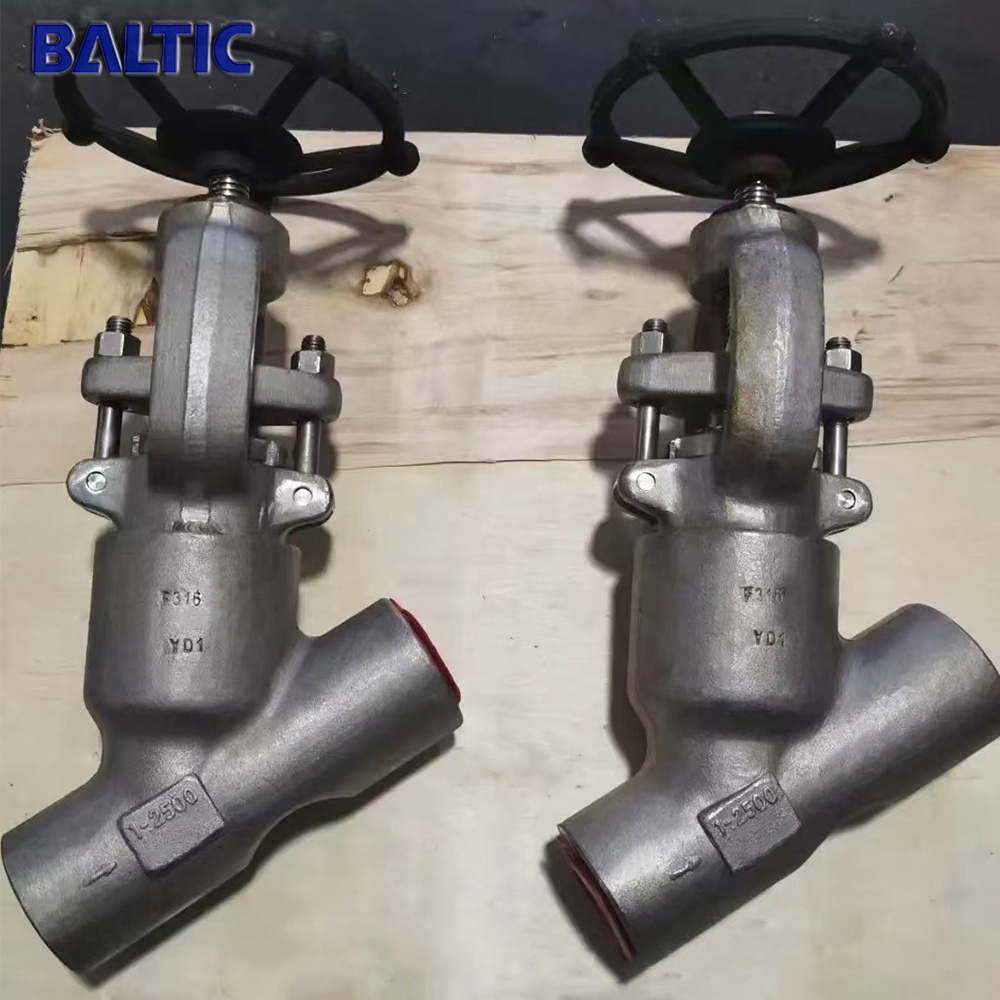
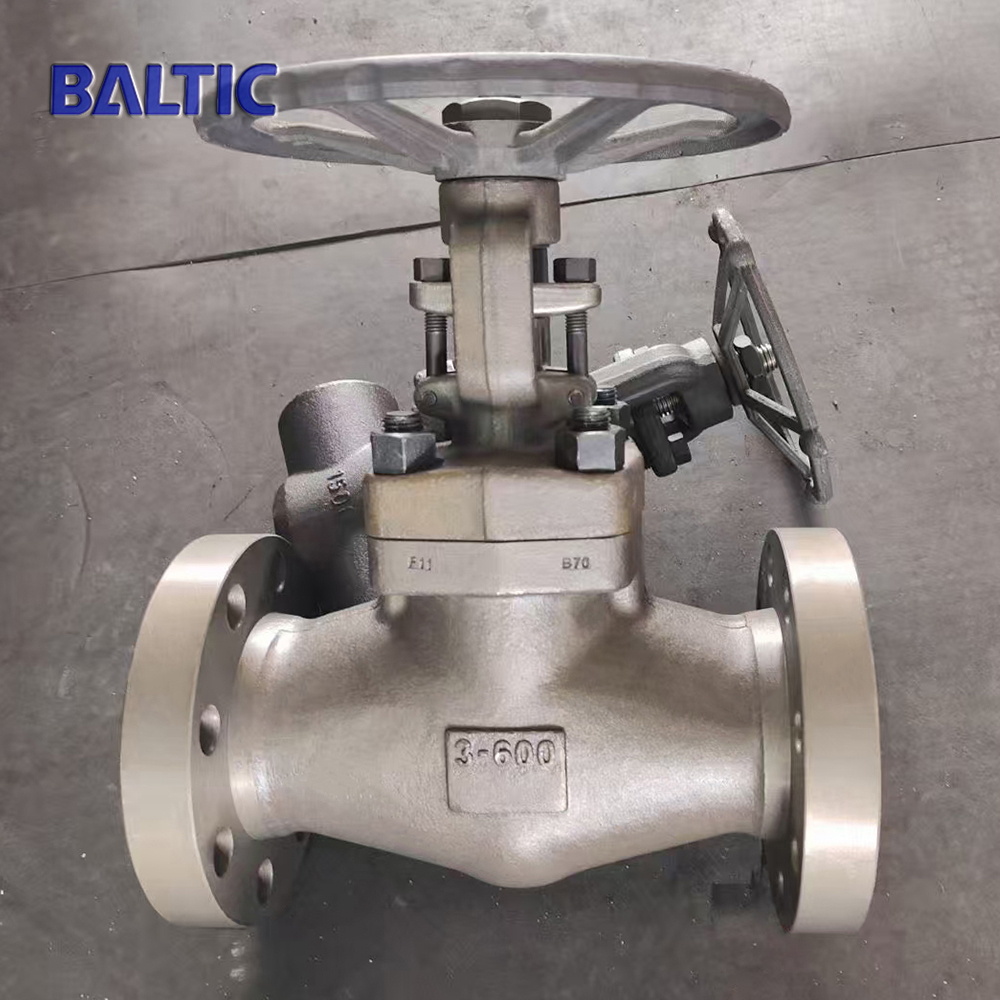
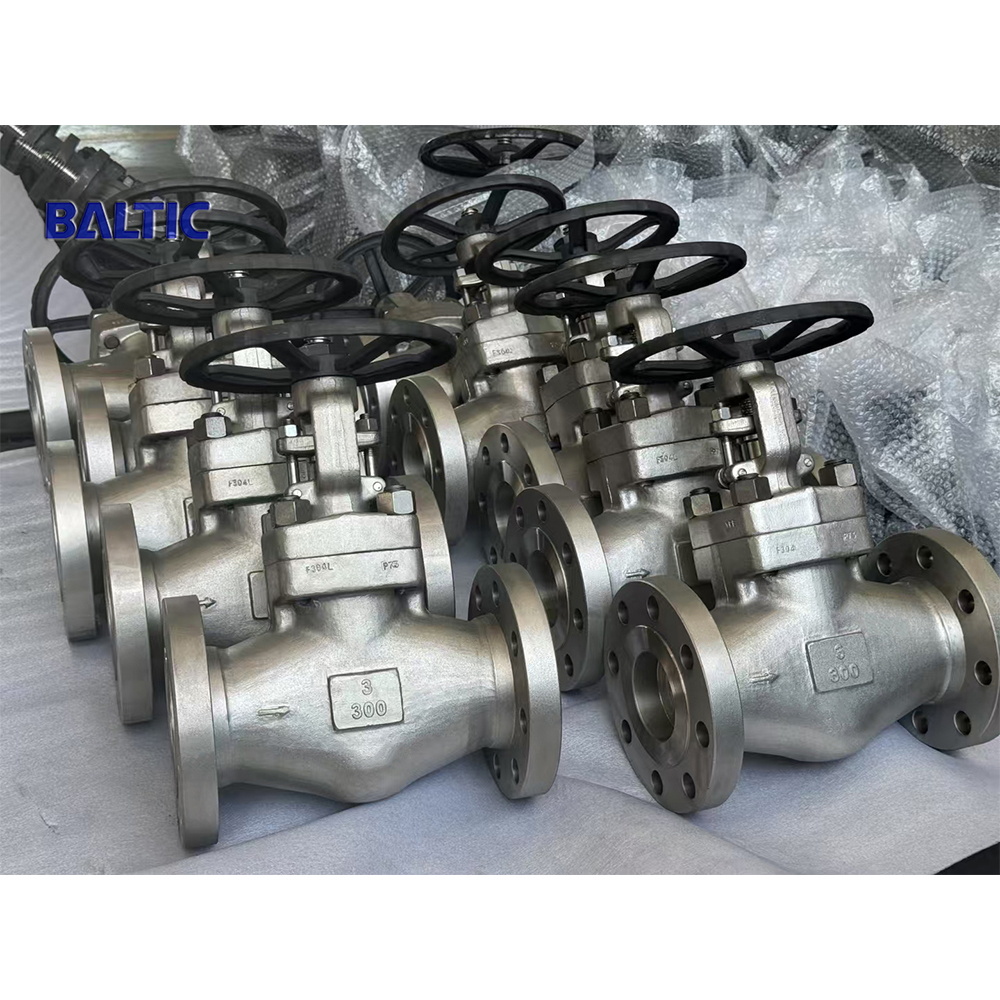
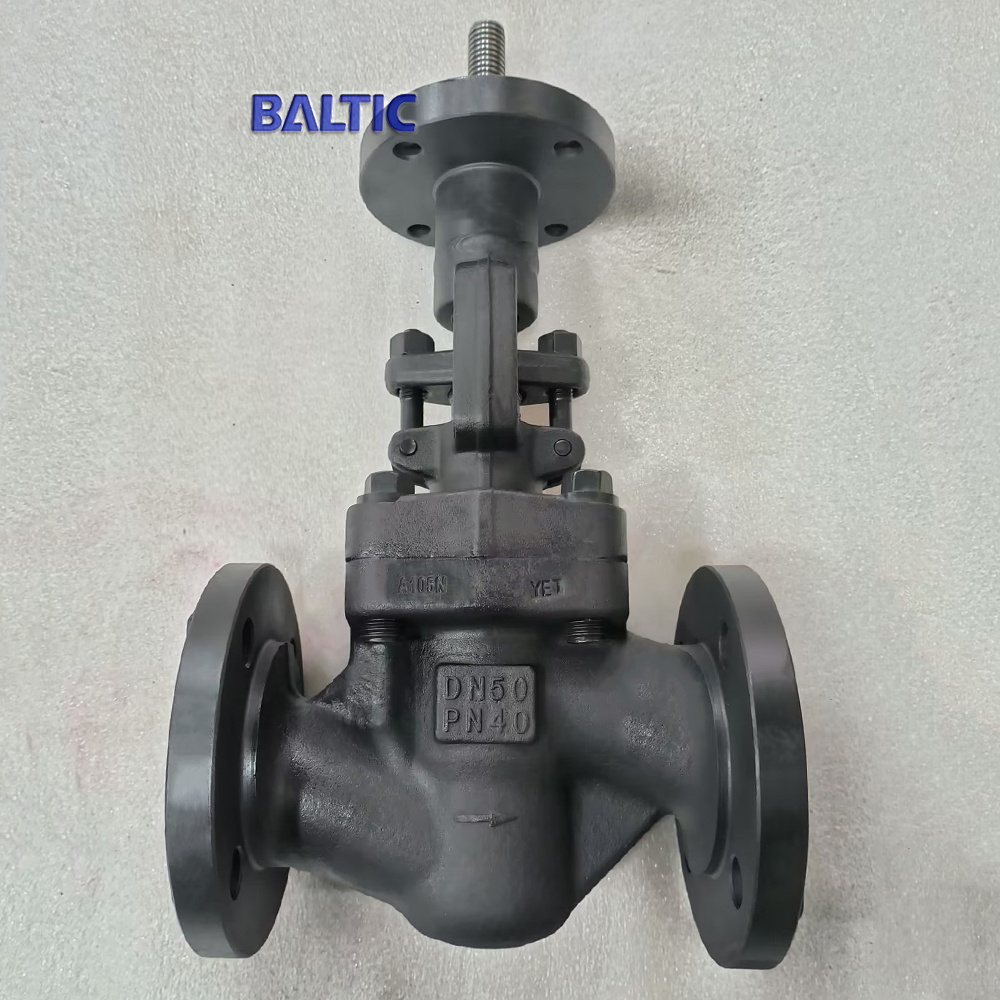
Forged Steel Globe Valves: For throttling and regulating flow
Forged Steel Check Valves: Preventing backflow in piping systems
Forged Steel Ball Valves: Quarter-turn valves for shut-off and control
Forged Steel Needle Valves: For precise flow control in instrumentation
Forged Steel Plug Valves: For on/off and diverting services
By Material Specifications:
Carbon Steel Forged Valves: ASTM A105, A350 LF2 for general service
Alloy Steel Forged Valves: ASTM A182 F11, F22, F91 for high-temperature applications
Stainless Steel Forged Valves: ASTM A182 F304, F316, F321 for corrosive environments
Duplex/Super Duplex: For chloride-rich and offshore applications
Special Alloys: Inconel, Monel, Hastelloy for extreme conditions
By Pressure Class:
Standard Classes: ANSI 150, 300, 600, 900, 1500, 2500
High-Pressure Specials: API 6A, 10,000 psi and above for wellhead services
Nuclear Applications: ASME Section III Class 1, 2, 3
By End Connection:
Socket Weld Ends: For small bore high-pressure piping
Threaded Ends: NPT, BSPT for instrument and utility lines
Butt Weld Ends: For critical high-integrity systems
Flanged Ends: For ease of maintenance and installation
Technology & Innovation Trends
Advanced Forging Technologies:
Closed-die forging for complex geometries and superior grain flow
Isothermal forging for precise dimensional control
Rotary forging for large diameter valve components
Automated forging lines with robotic handling
Material Science Advancements:
Nanostructured steels for enhanced corrosion and erosion resistance
High-temperature alloys for ultra-supercritical power plants
Cryogenic materials for LNG and industrial gas applications
Composite coatings for extended service life
Digital Manufacturing Integration:
Digital twins for forging process optimization
AI-based quality prediction and defect detection
Blockchain for material traceability and certification
IoT-enabled forging presses with real-time monitoring
Sustainable Forging Practices:
Energy-efficient induction heating systems
Recycled steel utilization in forging billets
Near-net-shape forging reducing material waste
Water-based lubricants and eco-friendly quenching media
Global Market Drivers
Expansion of oil & gas exploration in harsh environments (deepwater, Arctic)
Growth in LNG terminals and hydrogen infrastructure development
Power plant upgrades and new nuclear plant construction
Stringent safety and emission regulations in process industries
Replacement of aging valve infrastructure in refineries and chemical plants
Increasing demand for high-integrity valves in pharmaceutical and food processing
Growth in petrochemical capacity additions in Asia and Middle East
Major Players & Value Chain
Global Forging Specialists: Velan, Flowserve, Cameron, KITZ, IMI Critical Engineering
Material Experts: Carpenter Technology, Special Metals, VSMPO-AVISMA
Regional Leaders: China (Jiangsu Sheye, Dazhong Valve), India (L&T, Audco)
Value Chain: Steel mills → billet production → forging → machining → heat treatment → testing → assembly → certification → distribution → end-users
Challenges & Opportunities
Challenges:
High capital investment in forging equipment and tooling
Skilled labor shortage in forging and metallurgical engineering
Competition from cast and fabricated valve alternatives
Raw material price volatility (alloying elements)
Long lead times for custom and specialized valves
Opportunities:
Hydrogen economy valve development and certification
Digital valve services including predictive maintenance
Additive manufacturing for complex forgings and prototypes
Emerging market energy infrastructure projects
Service life extension through advanced coatings and refurbishment
Integration with smart plant management systems