The Agriculture Industry, also known as agribusiness, encompasses the entire spectrum of activities involved in cultivating crops, raising livestock, and producing food, fiber, and other products to sustain and enhance human life. It is a fundamental pillar of the global economy and food security.
Core Sectors:
Crop Production: Cultivation of grains (wheat, corn, rice), oilseeds, fruits, vegetables, nuts, and specialty crops (e.g., coffee, cocoa).
Livestock Production: Rearing of animals for meat (cattle, poultry, swine), dairy, eggs, wool, and leather.
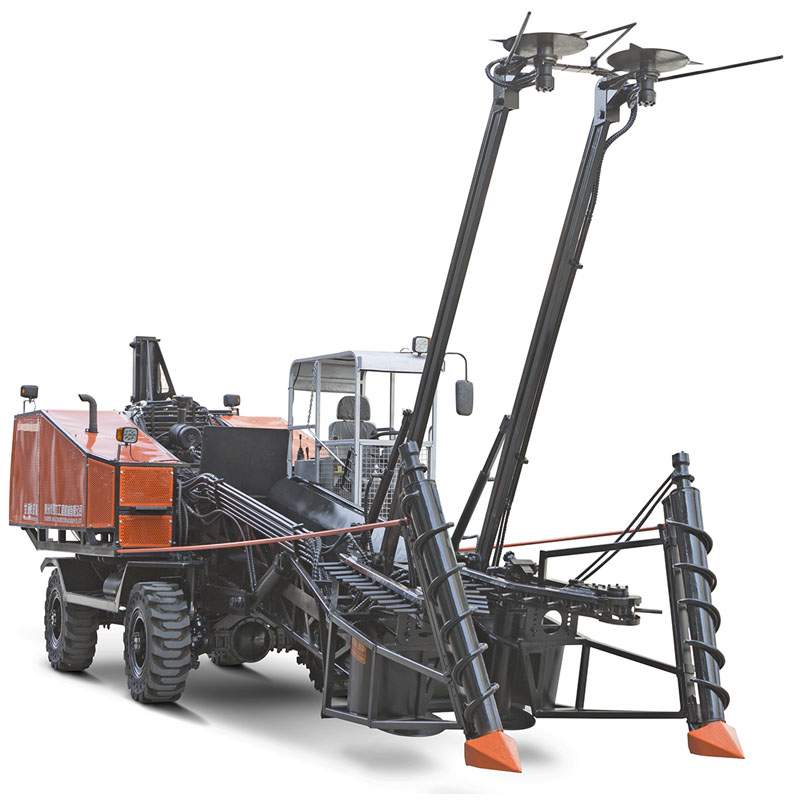
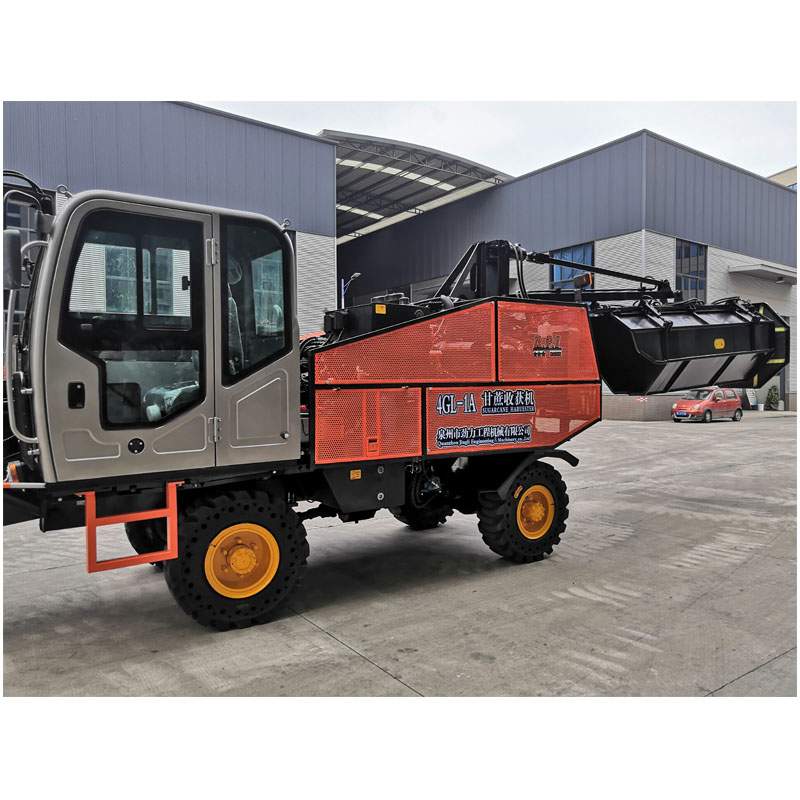
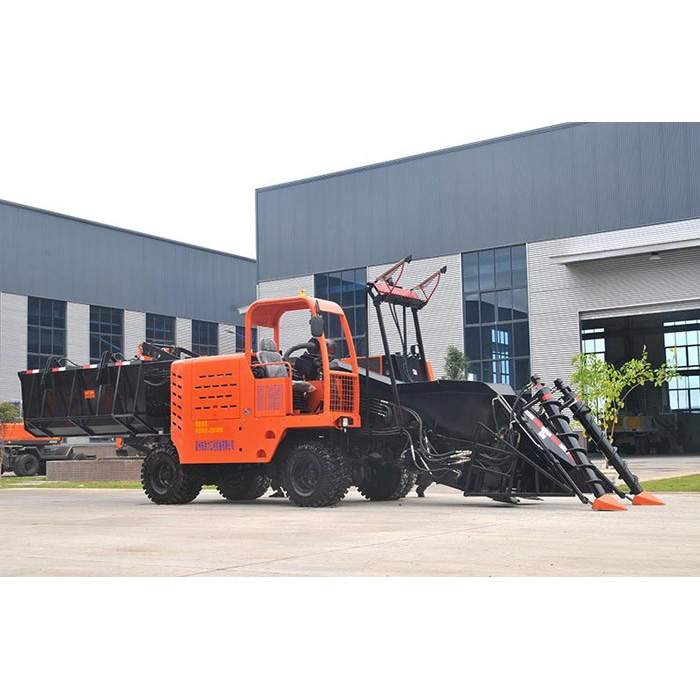
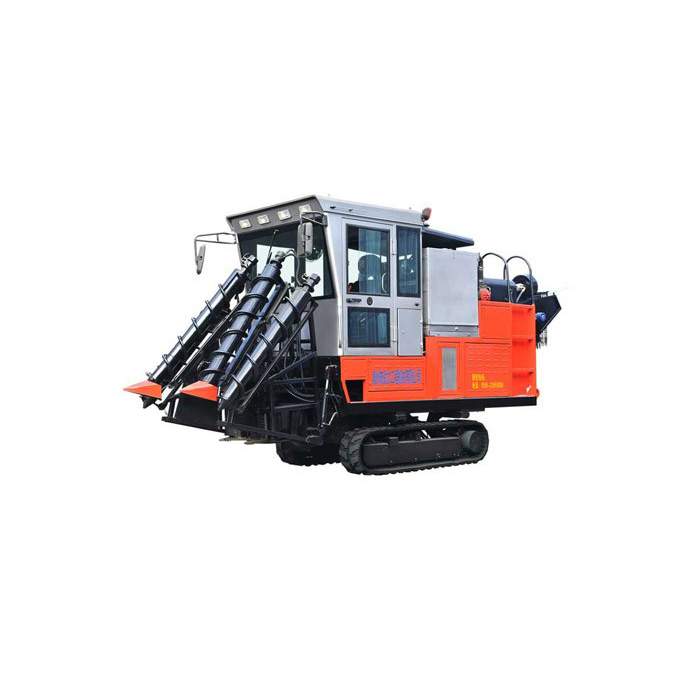
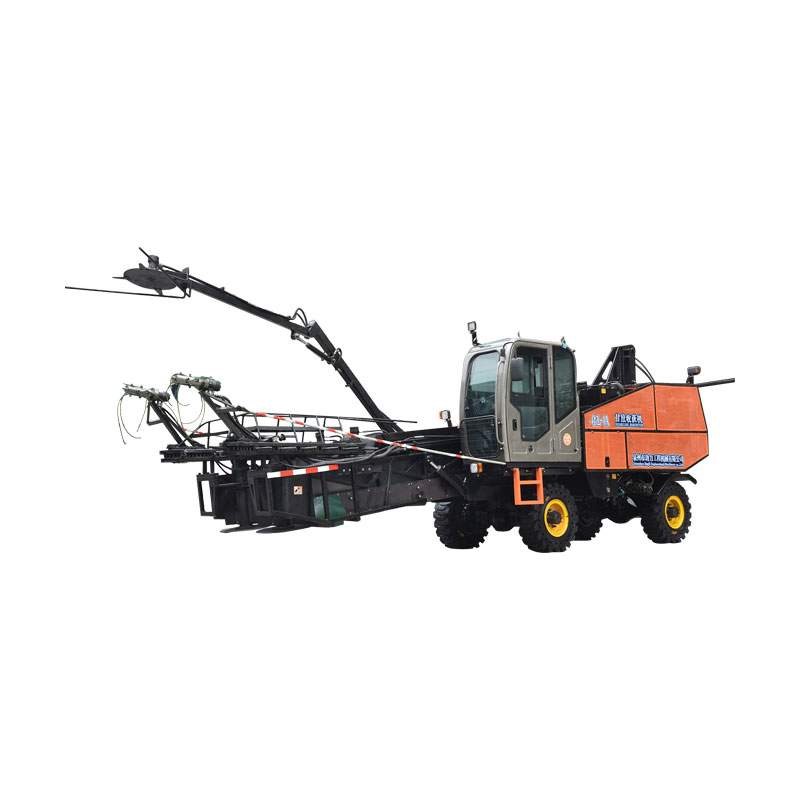
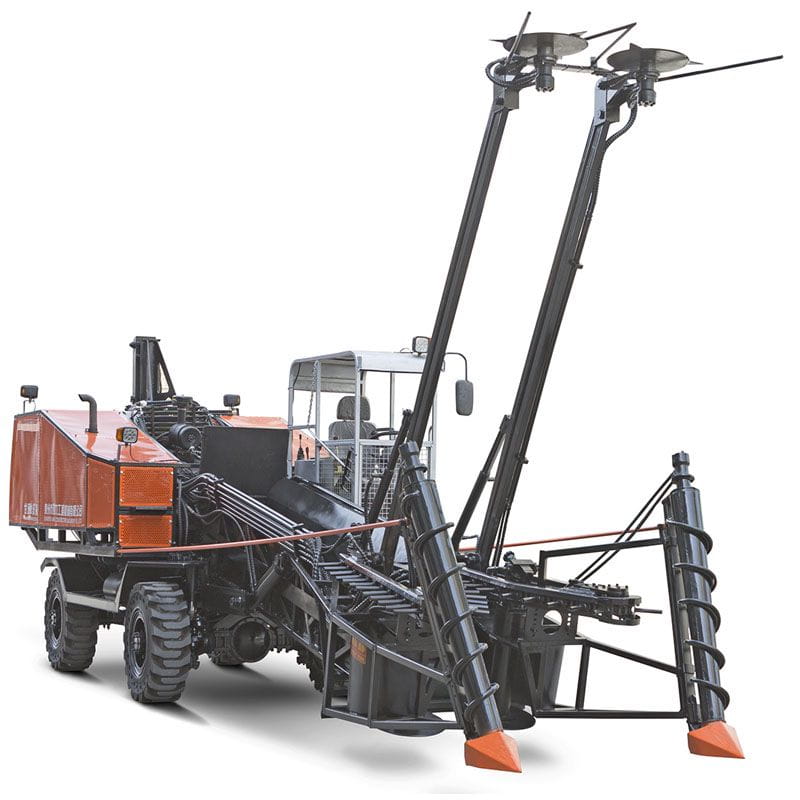
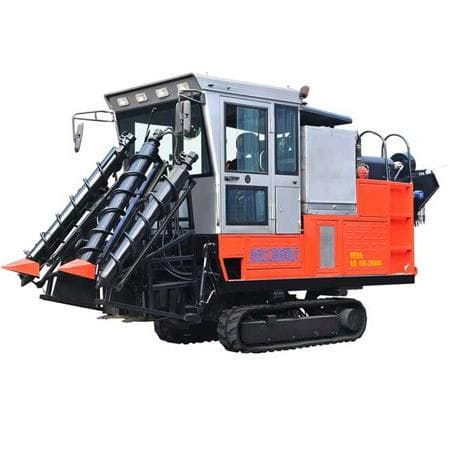
Agricultural Inputs & Supplies: Production and distribution of seeds, fertilizers, pesticides, herbicides, animal feed, vaccines, and farm machinery.
Agri-Services: Activities supporting production, including soil testing, irrigation, pest management, veterinary services, farm labor, and financial services (e.g., crop insurance, loans).
Post-Harvest & Processing: Handling, storage, transportation, processing, packaging, and distribution of raw agricultural commodities into finished goods.
Key Drivers & Modern Trends:
Technology & Precision Agriculture: Utilization of GPS, IoT sensors, drones, data analytics, and automation to optimize inputs, monitor crop/animal health, and improve efficiency.
Biotechnology: Development and use of genetically modified organisms (GMOs), bio-pesticides, and advanced breeding techniques for higher yields and resilience.
Sustainability & Climate-Smart Agriculture: Practices focusing on soil health, water conservation, reducing greenhouse gas emissions, and integrating renewable energy.
Supply Chain Integration & Traceability: Increasing demand for transparency, food safety, and farm-to-table traceability, often enabled by blockchain and other technologies.
Vertical & Controlled Environment Agriculture (CEA): Growing crops in indoor, stacked layers or controlled environments (greenhouses) using hydroponics/aeroponics, enabling local production year-round.
This industry faces critical challenges related to climate change, resource scarcity (water, arable land), population growth, and shifting consumer preferences.