Engineering & Construction Machinery

1. Industry Definition & Scope

The Engineering & Construction Machinery Industry, also known as the Heavy Equipment or Earthmoving Equipment Industry, involves the design, manufacturing, marketing, distribution, financing, and servicing of machinery, equipment, and vehicles used for construction, earthmoving, mining, forestry, material handling, and infrastructure development. It is a capital-intensive, cyclical industry and a critical enabler of global economic development and urbanization.

2. Major Product Categories (By Function)

  • Earthmoving Machinery: For excavating, grading, and moving large quantities of earth and materials.

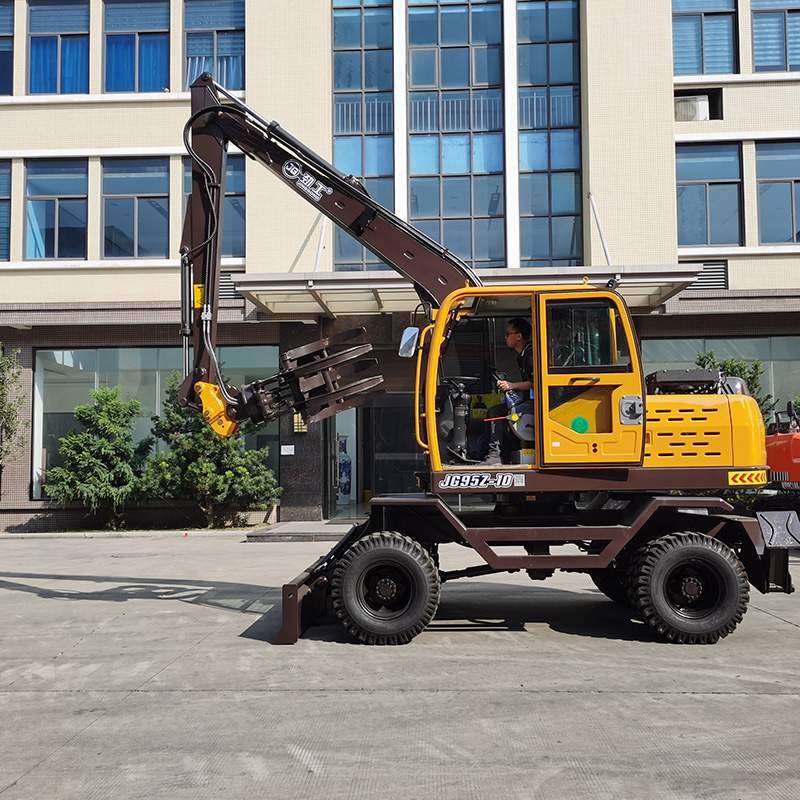
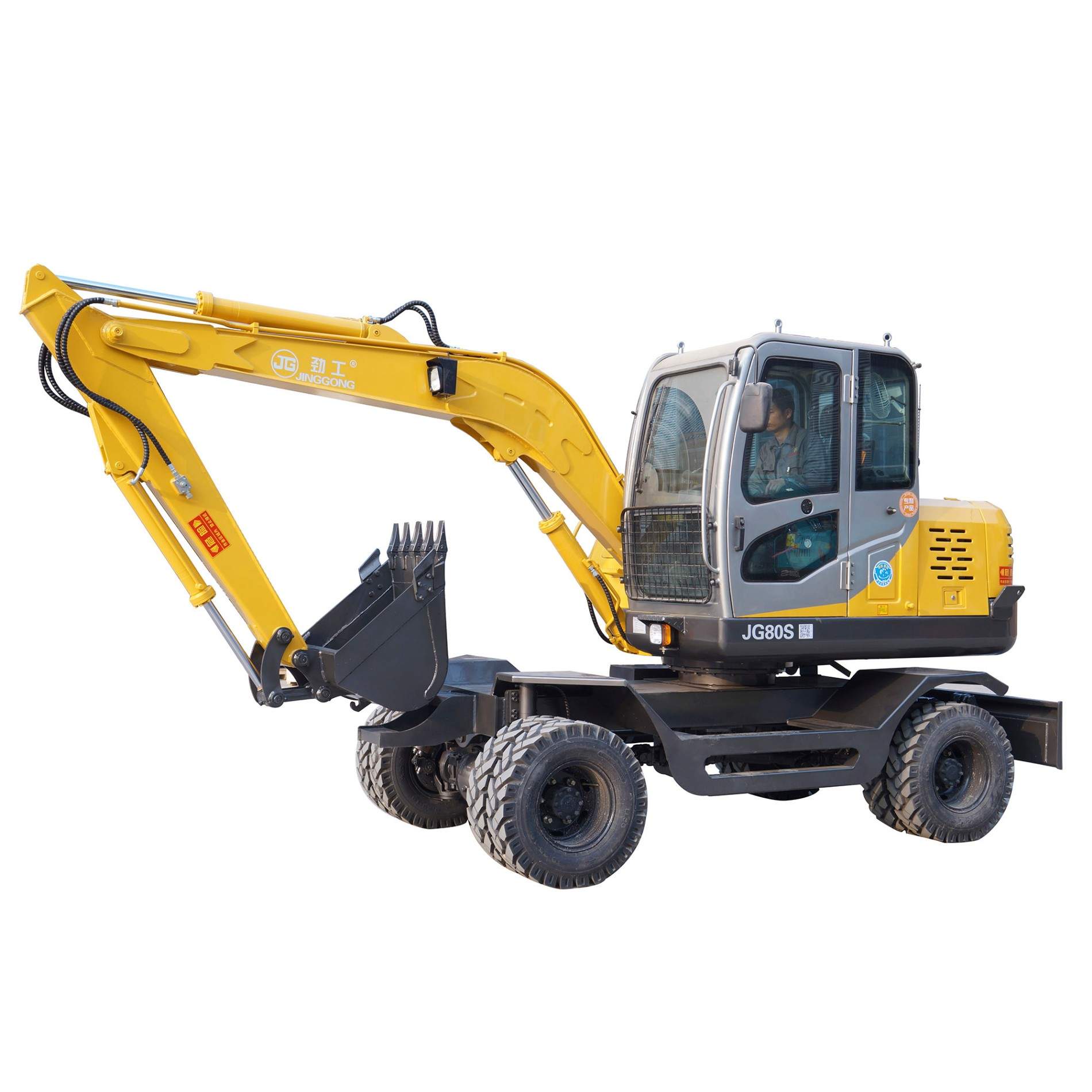
    • Excavators: Crawler, wheeled, mini/compact.

    • Bulldozers: Track-type, wheel-type.

    • Loaders: Wheel loaders, skid-steer loaders, backhoe loaders.

    • Graders/Motor Graders: For fine grading and surface finishing.

  • Lifting & Material Handling Machinery:

    • Cranes: Mobile cranes (all-terrain, truck-mounted), tower cranes, crawler cranes.

    • Forklifts: Warehouse, rough-terrain.

    • Telehandlers.

  • Road Construction & Paving Machinery:

    • Asphalt Pavers, Road Rollers (Compactors), Cold Planers/Milling Machines.

  • Concrete & Quarrying Machinery:

    • Concrete Mixers (Truck-mounted, Volumetric), Concrete Pumps, Crushers, Screeners.

  • Underground & Mining Machinery:

    • Tunnel Boring Machines (TBMs), Mining Shovels, Hydraulic Mining Shovels, Off-Highway Trucks (Haul Trucks).

  • Foundation & Specialized Machinery:

    • Pile Drivers, Drilling Rigs, Compaction Equipment (for soil).

3. Industry Chain Structure

Upstream:

  • Raw Materials: High-strength steel, cast iron, rubber (for tires/tracks), specialized alloys, plastics, glass.

  • Core Components & Systems Suppliers (Tier 1 & 2):

    • Engines & Powertrain: Diesel engines (e.g., Cummins, Caterpillar's own), transmissions, axles, hydraulic pumps/motors/valves (e.g., Bosch Rexroth, Parker Hannifin).

    • Undercarriage & Structures: Tracks, rollers, idlers, frames.

    • Hydraulics & Electronics: Cylinders, hoses, sensors, electronic control units (ECUs), telematics hardware.

    • Tires & Tracks.

Midstream:

  • OEMs (Original Equipment Manufacturers): Design, engineer, and assemble complete machines.

    • Global Giants: Caterpillar (USA), Komatsu (Japan), Volvo CE (Sweden), Liebherr (Germany/Switzerland), Hitachi Construction Machinery (Japan), SANY, XCMG, Zoomlion (China).

  • Dealers & Distributors: A critical, capital-intensive layer responsible for local sales, rental, parts supply, and service (e.g., Caterpillar's global dealer network).

Downstream:

  • End-User Industries & Customers:

    • Construction Contractors: General contractors, road builders, specialty contractors.

    • Mining Companies.

    • Rental Companies: A major and growing customer segment (e.g., United Rentals, Sunbelt Rentals).

    • Government & Public Works Agencies.

    • Forestry & Agriculture Operations.

  • Financing & Insurance: Captive finance arms of OEMs (e.g., Caterpillar Financial) and third-party lenders.

  • Aftermarket Services: Independent repair shops, component remanufacturers, used equipment dealers.

  • Technology & Service Providers: Telematics and fleet management software companies (e.g., Trimble, John Deere's JDLink).

4. Key Market Dynamics & Characteristics

  • Highly Cyclical: Demand is tightly correlated with global economic cycles, commodity prices, interest rates, and government spending on infrastructure.

  • High Capital Intensity & Long Product Lifecycles: Machines are expensive, durable assets with long development and usage cycles (10-20 years).

  • Critical Importance of Distribution & Service (Dealer Network): Product support (parts, service, repair) is as important as the machine itself for customer loyalty and profitability.

  • Total Cost of Ownership (TCO) Focus: Buyers evaluate fuel efficiency, durability, maintenance costs, resale value, and productivity, not just purchase price.

  • Regulatory Pressures: Evolving emissions standards (Tier 4 Final, Stage V) drive significant R&D in engine technology and alternative powertrains.

5. Development Trends

  1. Digitalization, Automation & Connectivity:

    • Telematics & IoT: Remote monitoring of machine health, location, utilization, and fuel consumption.

    • Semi-Autonomous & Autonomous Operation: GPS-guided machine control (grade control, auto-steer) for dozers, excavators. Pilots for fully autonomous haul trucks in mining.

    • Digital Twins & Simulation: Using data to create virtual models of machines and job sites for optimization.

  2. Electrification & Alternative Powertrains:

    • Development of battery-electric machinery for compact equipment, urban construction, and underground mining (zero emissions).

    • Exploration of hydrogen fuel cells for larger equipment.

    • Hybrid systems for improved fuel efficiency.

  3. Sustainability & Efficiency:

    • Machines designed for lower fuel consumption, reduced noise, and easier recycling.

    • Growth of the used and remanufactured equipment market as part of a circular economy.

  4. New Business Models:

    • Growth of the Equipment-as-a-Service (EaaS) and rental market. Pay-per-use models facilitated by telematics.

    • Advanced analytics services sold to customers to optimize fleet operations.

  5. Safety & Operator Assist: Enhanced safety features (360-degree cameras, radar/Object detection, operator fatigue monitoring).

6. Major Challenges & Opportunities

Challenges:

  • Economic Volatility & Cyclical Downturns: Managing massive fixed costs during market contractions.

  • Rising Input Costs: Volatility in steel, energy, and semiconductor prices.

  • Technological Transition Costs: Immense R&D and capital required for electrification and autonomy.

  • Global Supply Chain Complexity & Disruptions.

  • Skilled Technician Shortage: For servicing increasingly complex, high-tech machinery.

Opportunities:

  • Global Infrastructure Investment: Mega-projects (e.g., Belt and Road, US Infrastructure Act) driving long-term demand.

  • Urbanization in Emerging Markets: Continued growth in Asia, Africa, and Latin America.

  • Mining Sector Modernization: Demand for larger, more efficient, and autonomous equipment in mining.

  • Data Monetization: Leveraging machine data to create new revenue streams through predictive maintenance and operational insights.

  • Retrofitting & Upgrading: Upgrading existing fleets with new technology (telematics, efficiency kits) represents a large aftermarket opportunity.

  • Sustainability Mandates: Creating a competitive edge through leading low-emission and electric equipment offerings.

Engineering & Construction Machinery Product List

Refine your results:
About results

Videos of Engineering & Construction Machinery

More About Engineering & Construction Machinery

Related searches of Engineering & Construction Machinery

Related Blogs of Engineering & Construction Machinery