Plastic Furniture Product List
I. Industry Definition & Scope
The plastic furniture industry encompasses the design, manufacturing, and sale of furniture items primarily constructed from synthetic polymer materials. This industry focuses on producing lightweight, durable, and often cost-effective furnishings for residential, commercial, and outdoor applications. It is characterized by high-volume production capabilities and significant versatility in design and application.
II. Key Product Categories
By Primary Material Type:
-
Polypropylene (PP) Furniture: Commonly used for indoor chairs, stools, and storage units.
-
Polyethylene (PE) Furniture: Frequently used for outdoor chairs, tables, and loungers.
-
Polyvinyl Chloride (PVC) Furniture: Often utilized for decorative indoor items and garden furniture.
-
Acrylic Furniture: Used for transparent chairs, tables, and decorative pieces.
-
Recycled Plastic Furniture: Products made from post-consumer or post-industrial recycled plastics.
By Application and Setting:
-
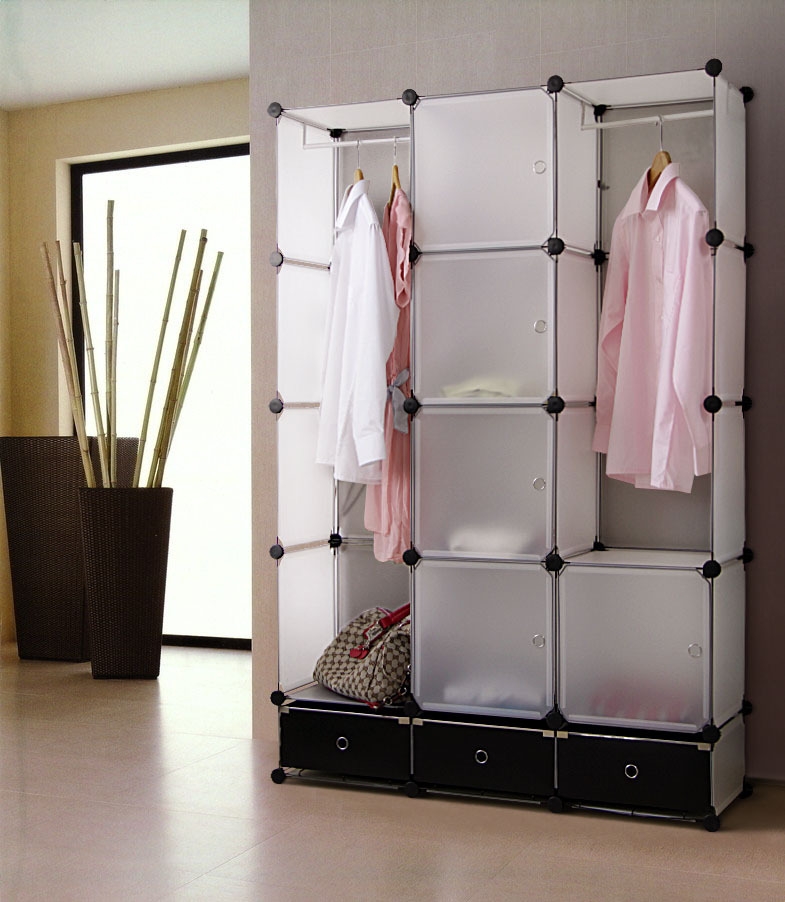
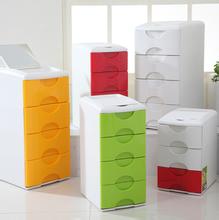
Indoor Residential Furniture: Chairs, tables, storage boxes, and children's furniture.
-
Outdoor & Garden Furniture: Patio sets, loungers, sunbeds, and picnic tables.
-
Commercial & Institutional Furniture: Stackable chairs for events, cafeteria furniture, and outdoor public seating.
-
Contract Furniture: Furnishings for hotels, resorts, and beach clubs.
III. Technology & Innovation Trends
-
Advanced Molding Techniques: Utilization of rotational molding, injection molding, and blow molding for creating complex, durable, and seamless furniture pieces.
-
Material Science Development: Innovation in polymer composites for enhanced UV resistance, colorfastness, and structural strength, particularly for outdoor use.
-
Sustainable Material Integration: Increased use of recycled plastic content and development of bio-based plastics to improve environmental profiles.
-
Modular and Stackable Design: Emphasis on space-saving, lightweight designs that facilitate easy storage, transportation, and reconfiguration.
-
Ergonomic and Aesthetic Enhancement: Application of advanced design software and ergonomic research to improve comfort and visual appeal beyond basic utility.
-
Smart Manufacturing Integration: Adoption of automation and robotics in production lines to increase efficiency and consistency in high-volume output.
IV. Global Market Drivers
-
Cost-Effectiveness and Affordability: Plastic furniture serves as a low-cost alternative to wood, metal, and other traditional materials, driving demand in price-sensitive markets.
-
Durability and Low Maintenance Requirements: Resistance to moisture, corrosion, and insects makes plastic furniture ideal for outdoor and high-use environments.
-
Growth in Hospitality and Tourism Sectors: Expansion of hotels, resorts, and food service establishments fuels demand for durable, weather-resistant commercial furniture.
-
Urbanization and Space Constraints: The compact and lightweight nature of plastic furniture suits small living spaces in urban apartments.
-
Increasing Outdoor Living Trends: Growing consumer interest in patios, balconies, and garden spaces boosts demand for outdoor furniture.
-
Rising Environmental Awareness: Demand for products made from recycled materials encourages industry adoption of circular economy principles.
V. Major Players & Value Chain
-
Leading Manufacturers: Global Diversified Companies: Keter Group, Trex Company, Inc. Regional Manufacturers: Numerous manufacturers in Asia, particularly in China and India. Specialized Brands: Brands focusing on designer or high-end recycled plastic furniture.
-
Industry Value Chain: Raw Material Supply (Petrochemical companies, recycled plastic processors) → Component & Product Manufacturing (Molding factories) → Distribution & Wholesale → Retail (Home improvement stores, garden centers, online platforms, direct sales) → End-User (Households, businesses, institutions).
VI. Challenges & Opportunities
-
Challenges:
-
Environmental Perception and Regulations: Facing scrutiny over plastic waste and environmental impact, potentially leading to stricter regulations on production and recycling.
-
Volatility in Raw Material Costs: Dependence on petrochemical prices makes production costs susceptible to oil market fluctuations.
-
Competition from Alternative Materials: Facing competition from perceived premium materials like wood and metal, especially in indoor furniture segments.
-
Quality and Durability Concerns: Lower-end products may face issues with brittleness, fading, or structural weakness over time, affecting brand reputation.
-
Low-Barrier Market Entry: The industry can attract many small manufacturers, leading to intense price competition and potential quality inconsistencies.
-
-
Opportunities:
-
Circular Economy Leadership: Pioneering closed-loop systems by designing for recyclability and integrating high post-consumer recycled content.
-
Premiumization and Design Innovation: Developing high-design, durable products that challenge perceptions and compete in higher-value market segments.
-
Smart Furniture Integration: Incorporating technology, such as built-in lighting or charging ports, into plastic furniture designs.
-
Expansion in Emerging Markets: Leveraging affordability and durability to capture growing demand in developing economies with rising middle-class populations.
-
B2B and Contract Growth: Expanding offerings tailored to the specific needs of the hospitality, healthcare, and education sectors.
-
.jpg)