Auto & Transportation

Industry Definition & Scope

The Auto & Transportation industry encompasses the design, manufacturing, distribution, sales, maintenance, and operation of vehicles and systems used for moving people and goods. This vast sector includes light vehicles, commercial vehicles, public transit, rail, aviation, maritime, and emerging mobility services. It represents a foundational component of global economic infrastructure, enabling trade, employment, and societal connectivity while undergoing profound technological and environmental transformation.

Key Industry Segments

By Mode & Vehicle Type:

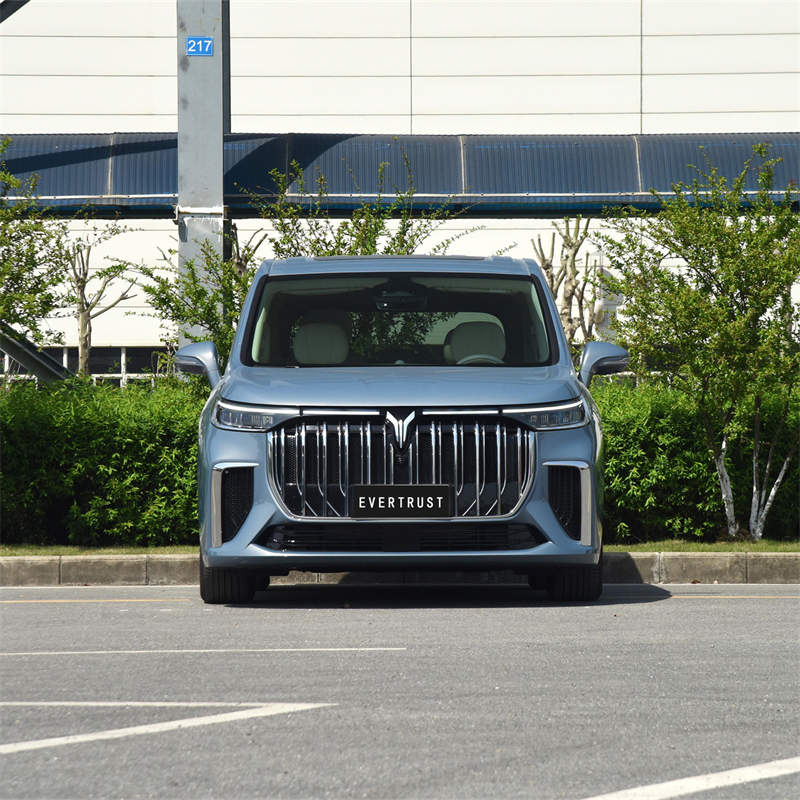
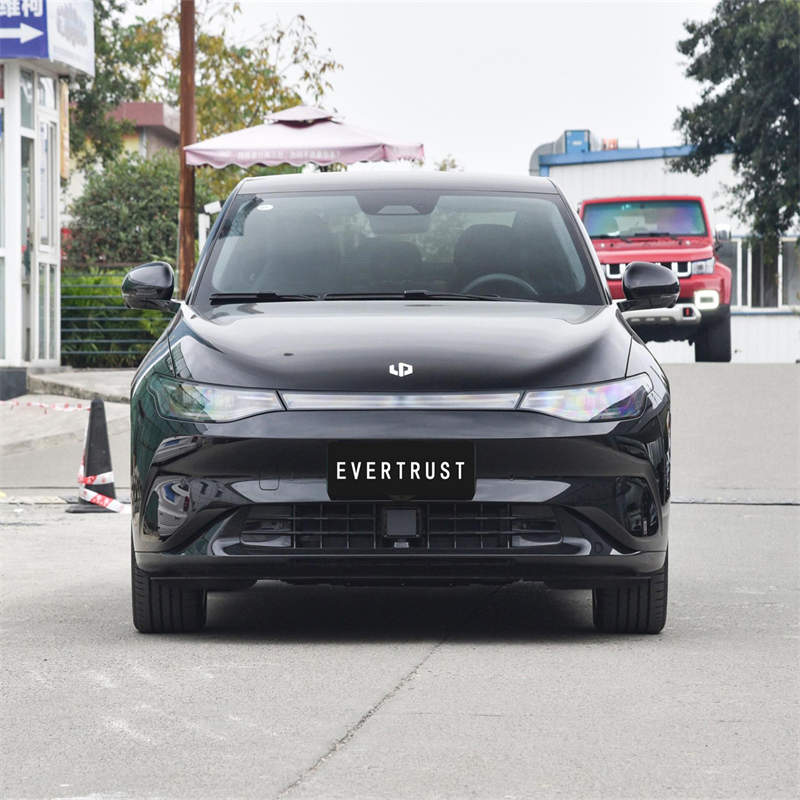
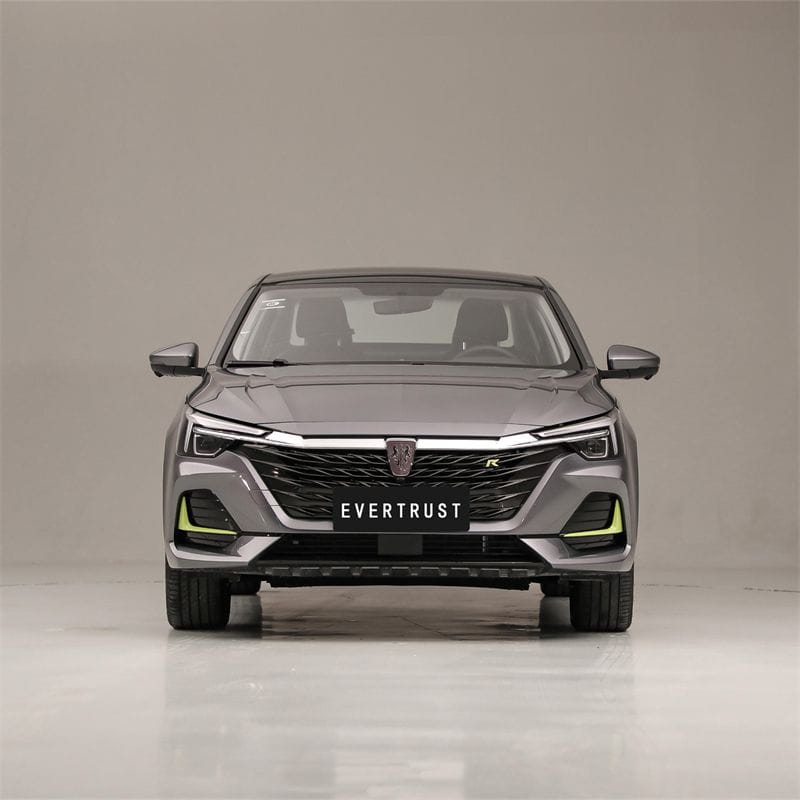
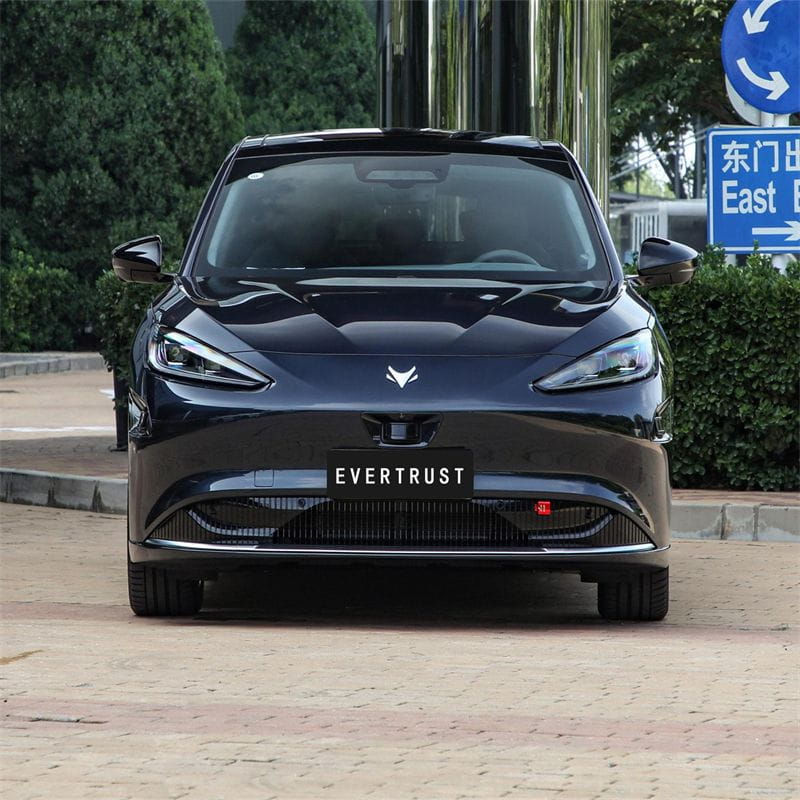
  • Passenger Vehicles: Cars, SUVs, pickup trucks, and motorcycles for personal and family transportation.

  • Commercial Vehicles: Trucks (light, medium, heavy), buses, vans, and trailers for goods and passenger transport.

  • Public Transportation: Buses, trains (commuter, light rail, metro), trams, and ferries operated by public or private entities.

  • Rail Transportation: Freight railroads, passenger rail services, and high-speed rail networks.

  • Aviation: Commercial airlines, cargo carriers, general aviation, and aircraft manufacturing.

  • Maritime & Shipping: Container ships, tankers, bulk carriers, ports, and inland waterway transport.

  • Micromobility & Active Transport: Bicycles, e-scooters, and pedestrian infrastructure.

By Industry Value Chain Stage:

  • Manufacturing (OEMs): Vehicle assembly, component production, and system integration.

  • Sales & Distribution: Dealership networks, fleet sales, and digital retail platforms.

  • Aftermarket & Services: Parts, maintenance, repair, insurance, financing, and vehicle remarketing.

  • Infrastructure & Operations: Roads, rails, ports, airports, charging/refueling networks, and fleet management.

  • Mobility Services: Ride-hailing, car-sharing, vehicle subscription, and mobility-as-a-service (MaaS) platforms.

Technology & Innovation Trends

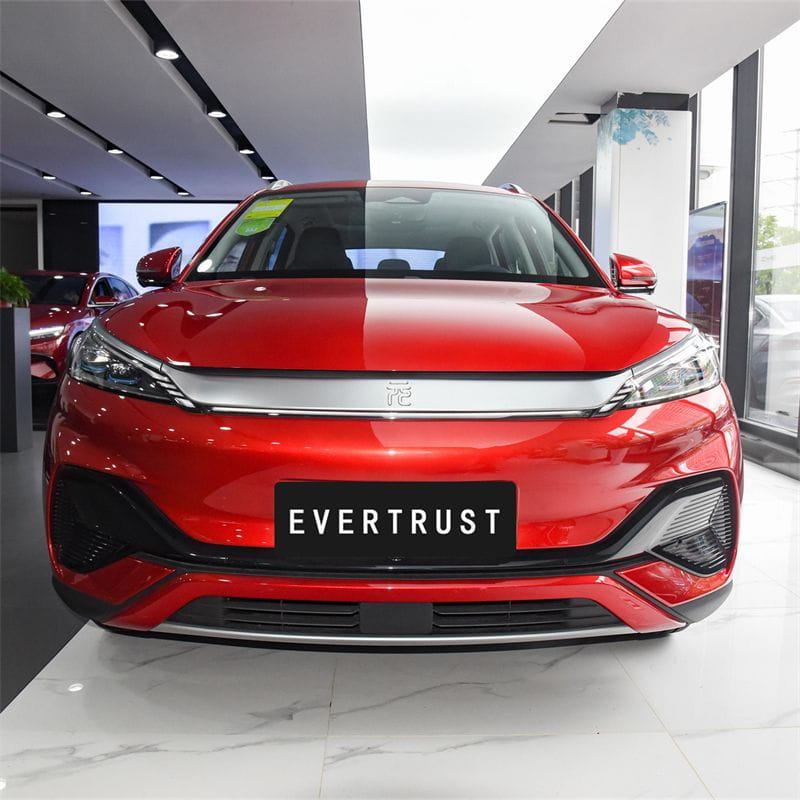
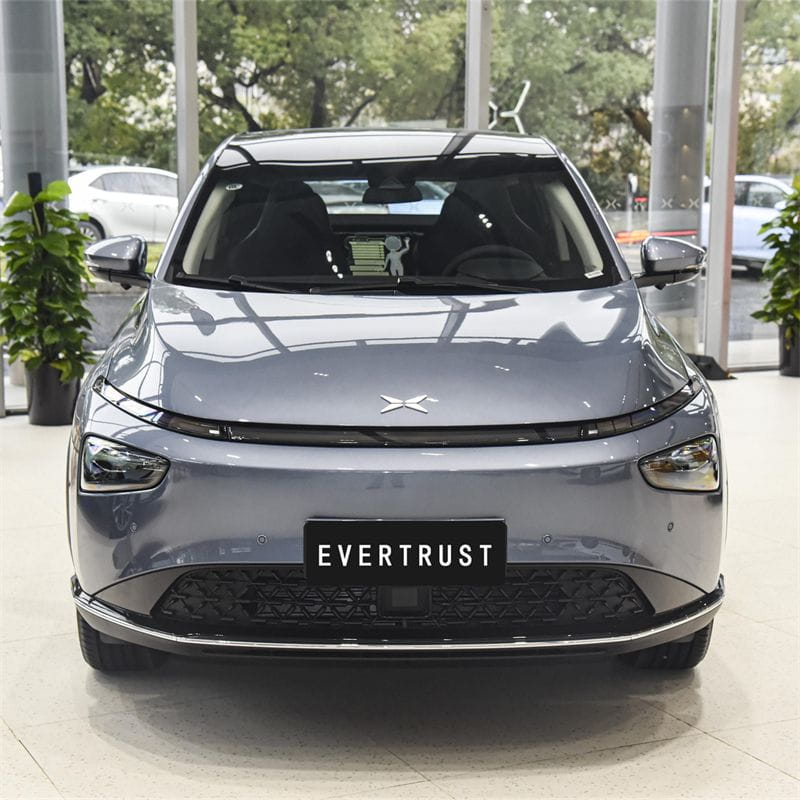
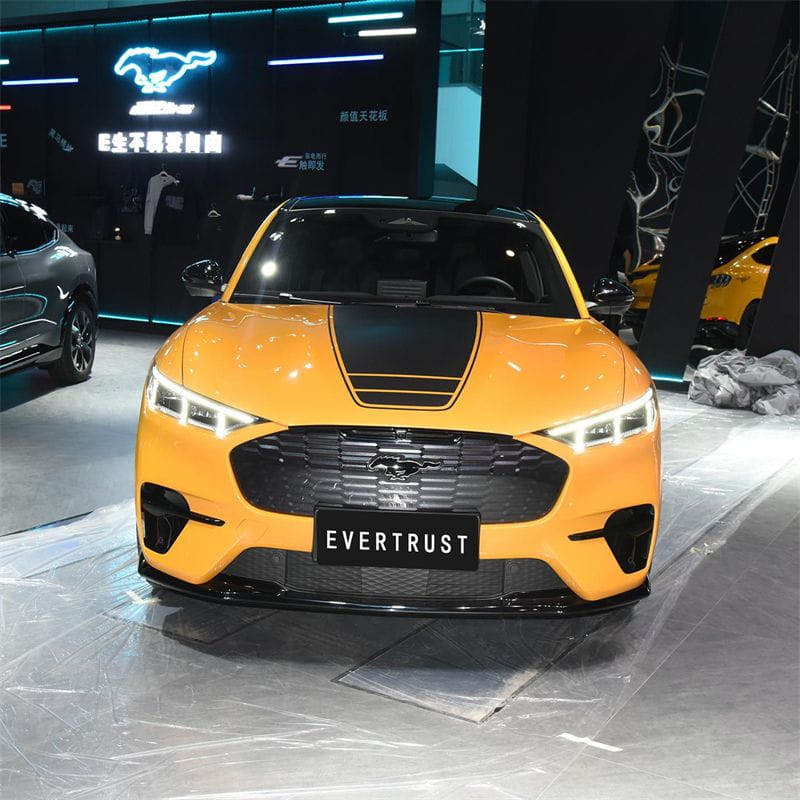
  • Vehicle Electrification: Rapid transition from internal combustion engines to battery electric, plug-in hybrid, and fuel cell vehicles across all vehicle segments.

  • Connectivity & V2X Systems: Embedded telematics, vehicle-to-vehicle, vehicle-to-infrastructure, and vehicle-to-cloud communication enabling enhanced safety, navigation, and services.

  • Advanced Driver Assistance Systems (ADAS): Proliferation of automated features including adaptive cruise control, lane-keeping, automatic emergency braking, and parking assistance.

  • Autonomous Driving Development: Progress toward higher levels of vehicle automation (SAE Levels 3-5) through sensor fusion, AI, and high-definition mapping.

  • Shared & On-Demand Mobility: Growth of fractional ownership models, ride-pooling, and integrated multimodal trip planning applications.

  • Sustainable Materials & Circular Design: Use of recycled materials, bio-based components, and designs facilitating disassembly and remanufacturing.

  • Digital Retail & Customer Experience: Online vehicle configuration, virtual showrooms, transparent pricing, and subscription-based ownership models.

Global Market Drivers

  • Environmental Regulations & Emission Standards: Government policies worldwide (Euro 7, China VI, CAFE) driving electrification and efficiency improvements.

  • Urbanization & Congestion Challenges: Growing city populations increasing demand for efficient public transit and new mobility solutions.

  • Supply Chain Reconfiguration: Reshoring, nearshoring, and regionalization of automotive manufacturing and component sourcing.

  • Rising Consumer Expectations: Demand for connected features, personalized experiences, and flexible ownership models.

  • Infrastructure Investment: Government spending on roads, bridges, rail networks, EV charging, and smart city transportation systems.

  • E-commerce & Logistics Growth: Expansion of last-mile delivery services and demand for commercial vehicles.

  • Safety & Security Mandates: Regulatory requirements for advanced safety systems and cybersecurity protections.

Industry Value Chain

  • Raw Material Suppliers: Steel, aluminum, lithium, cobalt, rubber, plastics, and semiconductor providers.

  • Component & System Suppliers: Tier 1, 2, and 3 suppliers manufacturing parts, electronics, and subsystems.

  • Vehicle Manufacturers (OEMs): Companies designing, engineering, and assembling complete vehicles.

  • Distribution & Retail Networks: Dealers, importers, digital platforms, and fleet management companies.

  • Service & Support Providers: Maintenance networks, parts distributors, financial services, and insurance companies.

  • Infrastructure Operators: Charging networks, toll roads, parking facilities, and logistics hubs.

  • End Users: Individual consumers, commercial fleets, government agencies, and mobility service operators.

Key Industry Challenges

  • Capital Intensity & Transition Costs: Massive investments required for electrification, autonomy, and digital transformation while maintaining legacy businesses.

  • Supply Chain Volatility: Semiconductor shortages, battery material constraints, and logistics disruptions affecting production stability.

  • Regulatory Fragmentation: Differing standards and policies across regions regarding emissions, safety, data privacy, and trade.

  • Technological Disruption: New entrants (tech companies, startups) challenging traditional business models and value chains.

  • Workforce Transformation: Need to retrain employees for new skills in software, electronics, and data analytics.

  • Charging/Fueling Infrastructure Gaps: Insufficient public charging for EVs and hydrogen refueling for FCEVs limiting adoption rates.

  • Data Security & Privacy Concerns: Protection of vehicle data, prevention of cyberattacks, and management of personal information.

Future Outlook

  • EV Dominance Trajectory: Battery electric vehicles projected to become the majority of new light vehicle sales in major markets by the 2030s.

  • Software-Defined Vehicles: Cars evolving into updatable platforms with features and functionality delivered via over-the-air updates.

  • Integrated Mobility Ecosystems: Seamless multimodal transportation combining public transit, shared vehicles, and micromobility through unified digital platforms.

  • Autonomous Vehicle Deployment: Gradual introduction of autonomous trucks, robotaxis, and last-mile delivery vehicles in geofenced areas.

  • Circular Economy Integration: Increased vehicle recycling, component remanufacturing, and battery second-life applications.

  • Decarbonization of Heavy Transport: Development of zero-emission solutions for long-haul trucking, shipping, and aviation through hydrogen, biofuels, and electrification.

  • Smart Infrastructure Convergence: Transportation systems integrating with energy grids, communication networks, and urban management platforms.

Auto & Transportation Product List

Refine your results:
About results

Videos of Auto & Transportation

More About Auto & Transportation

Related searches of Auto & Transportation

Related Blogs of Auto & Transportation