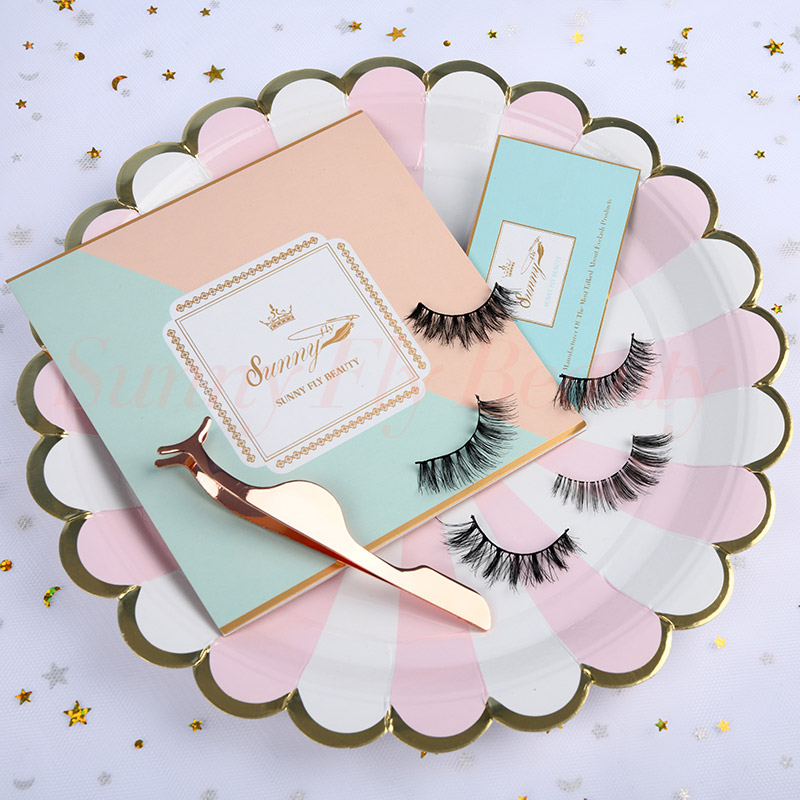
The makeup tools industry encompasses the design, manufacturing, marketing, and distribution of implements used for the application, blending, and removal of cosmetic products. This essential sector bridges cosmetics brands and end-consumers, playing a critical role in beauty routines and professional artistry. Products range from basic disposable items to high-tech, precision-engineered devices and sophisticated cleaning systems.
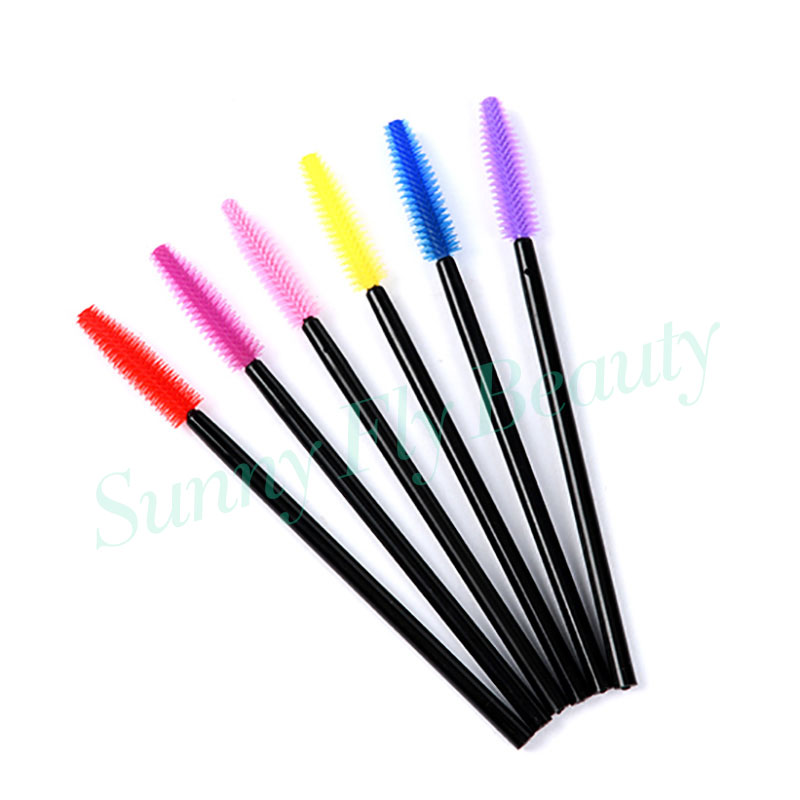
Application Tools: Makeup brushes (for foundation, concealer, powder, blush, eyeshadow, eyeliner, lip color), beauty sponges (blenders), mascara wands, eyelash curlers, and brow brushes/spoolies.
Blending & Shaping Tools: Makeup sponges (damp or dry use), a variety of brush shapes for blending, silicone blenders, and contouring tools.
Removal & Maintenance Tools: Makeup erasers (specialty cloths), brush cleansing mats, silicone cleaning gloves, and brush drying racks.
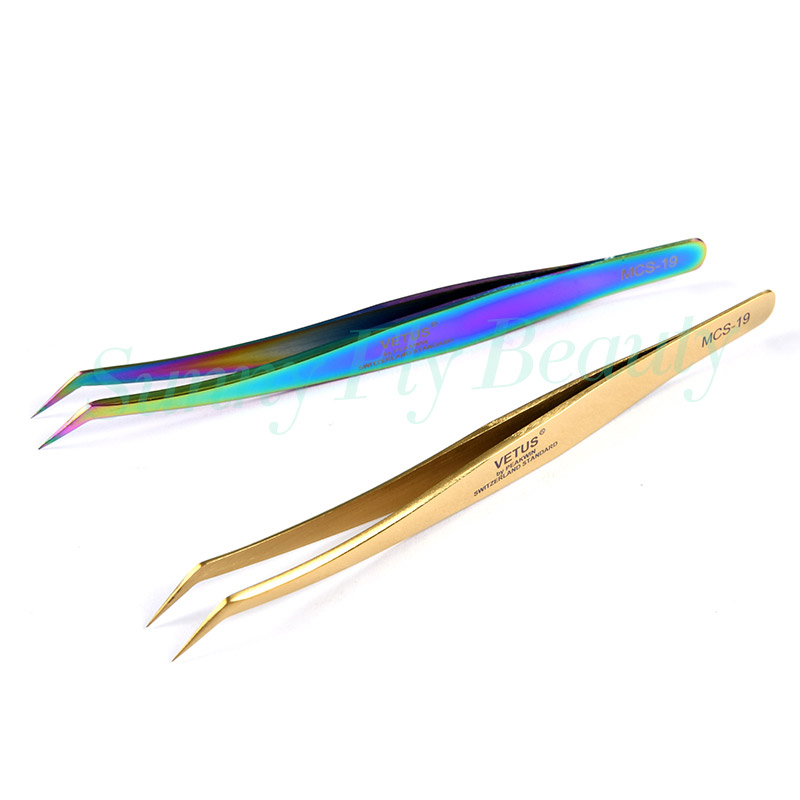
Specialty & Precision Tools: False eyelash applicators, detailed eyeliner brushes, lip definers, micro-precision tweezers, and makeup stamp tools.
Electrical & Tech Tools: Electric facial cleansing brushes, ultrasonic brush cleaners, heated eyelash curlers, and LED makeup mirrors.
Storage & Organization: Brush holders (cups, rolls, cases), makeup bags, train cases, and countertop organizers.
Natural Hair Brushes: Often made from sable, squirrel, goat, or pony hair; prized for specific application properties and softness.
Synthetic Fiber Brushes: Typically made from nylon, taklon, or PBT; versatile, vegan-friendly, and often easier to clean.
Sponge Materials: Latex-free foam (polyurethane), silicone, and konjac (plant-based).
Handles & Construction: Wood, acrylic, aluminum, plastic, and rubberized grips.
Professional Grade: High-performance, durable tools designed for makeup artists (MUA), often sold in sets or as singles.
Consumer Mass-Market: Affordable, widely available tools from drugstore to mid-range brands, often bundled with cosmetics.
Luxury & Designer: High-end tools from prestige beauty brands or fashion houses, focusing on aesthetics, packaging, and premium materials.
Direct-to-Consumer (DTC) Specialists: Brands focused exclusively on tools, selling primarily online with strong educational content.
Smart & Connected Tools: Brushes with motion sensors pairing with apps to teach technique, smart mirrors with tutorials and shade-matching.
Antibacterial & Hygienic Materials: Brushes and sponges infused with antimicrobial agents (e.g., silver ions), self-cleaning claims, and non-porous silicone alternatives to traditional sponges.
Advanced Synthetic Fibers: Development of multi-length, multi-diameter, and uniquely shaped synthetic filaments that mimic or surpass the performance of natural hair.
Ergonomic & Inclusive Design: Tools designed for users with arthritis or limited mobility, and brushes designed for diverse face shapes and features.
Sustainable Materials & Processes: Use of recycled plastics, FSC-certified wood, biodegradable sponges, and refillable brush heads to reduce waste.
Precision Manufacturing: Laser-cutting of sponge shapes, computer-controlled tufting of brushes for perfect symmetry and density.
Explosion of Social Media Beauty Culture: Tutorials on YouTube, Instagram, and TikTok drive demand for specific, high-performance tools to achieve showcased looks.
Rise of Cosmetic Consumption: Increasing global makeup product sales directly fuel demand for application tools.
Focus on Skincare-Makeup Hybrids ("Skincare-Makeup"): Demand for tools that can seamlessly apply serum-foundations and cream-based products without absorbing product.
Professionalization of the Consumer: Amateur users seeking professional-quality results, investing in better tools.
Hygiene Awareness: Post-pandemic focus on clean tools, boosting sales of cleaning accessories and disposable/sanitary options.
Male Grooming Market Growth: Expanding range of tools marketed for men's beard care, foundation, and concealer application.
Raw Material Suppliers: Providers of synthetic fibers, natural hair, wood, plastics, metals, and packaging.
Original Equipment Manufacturers (OEMs): Factories, predominantly in Asia (China, Korea), that manufacture tools for brands.
Brands & Marketers: Cosmetic companies with tool lines (e.g., MAC, Sigma) and dedicated tool brands (e.g., Real Techniques, e.l.f., Artis).
Distributors & Retailers: Beauty supply stores, online marketplaces (Amazon, Sephora, Ulta), department stores, and direct-to-consumer websites.
End Users: Professional makeup artists (salon, film, fashion) and retail consumers.
Counterfeiting & IP Protection: Widespread issue of fake branded brushes and tools, especially online, eroding brand value and consumer trust.
Supply Chain Complexity: Reliance on raw materials with volatile prices and potential ethical concerns (natural hair sourcing).
Product Differentiation: Difficulty in standing out in a crowded market with functionally similar products, leading to heavy reliance on marketing and packaging.
Consumer Education Gap: Many users do not know how to properly use, clean, or care for tools, leading to poor performance and shortened product life.
Sustainability vs. Performance: Balancing consumer demand for eco-friendly materials with the high performance and durability expectations of tools.
Fast-Fashion Beauty Pressure: The rapid trend cycle demands quick tool innovation and production, challenging traditional R&D timelines.
Hyper-Personalization: Tools tailored to individual skin types, tones, and application preferences, possibly through AI-driven recommendations or custom manufacturing.
Biometric Integration: Tools that can assess skin condition (hydration, texture) and recommend products or techniques.
Closed-Loop Systems: Growth of brand-led recycling programs for worn-out tools and packaging.
Augmented Reality (AR) Dominance: Virtual try-on for tools, showing how a brush would apply a specific product on the user's own face.
Blurring Lines with Skincare Devices: Further convergence between makeup application tools and handheld skincare devices (for massage, product infusion).
Focus on Multi-Functional Tools: Continued innovation in products that serve multiple purposes to simplify routines and appeal to minimalist consumers.