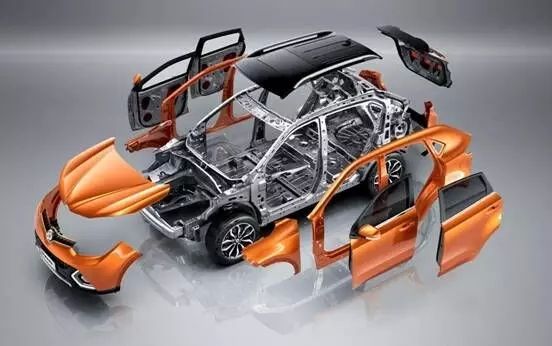
Industry Definition & Scope
The automobile industry encompasses the design, development, manufacturing, marketing, sale, and servicing of motor vehicles, primarily passenger cars, trucks, buses, and commercial vehicles. It is one of the world's largest and most complex economic sectors, integrating advanced engineering, global supply chains, consumer finance, and aftermarket services. The industry is undergoing a fundamental transformation driven by electrification, connectivity, and new mobility paradigms.
Key Segments & Product Categories
By Vehicle Type:
-
Passenger Vehicles: Sedans, hatchbacks, SUVs (Sport Utility Vehicles), crossovers, MPVs (Multi-Purpose Vehicles), and sports cars designed for personal transportation.
-
Light Commercial Vehicles: Pickup trucks, vans, and small trucks used for goods delivery and commercial services.
-
Heavy Commercial Vehicles: Trucks (rigid, articulated), buses (transit, coach), and specialized vehicles for construction, mining, and logistics.
-
Electric Vehicles (EVs): Battery Electric Vehicles (BEVs), Plug-in Hybrid Electric Vehicles (PHEVs), and increasingly, Fuel Cell Electric Vehicles (FCEVs).
By Powertrain Technology:
-
Internal Combustion Engine Vehicles: Powered by gasoline (petrol), diesel, or alternative fuels (CNG, LPG, biofuels).
-
Hybrid Electric Vehicles: Combine an ICE with an electric motor and battery (HEVs, PHEVs).
-
Battery Electric Vehicles: Powered entirely by electricity stored in onboard batteries.
-
Fuel Cell Vehicles: Generate electricity through a chemical reaction between hydrogen and oxygen.
By Market Positioning:
-
Economy/Mass Market: Affordable vehicles focused on practicality and value.
-
Premium/Luxury: High-end vehicles emphasizing performance, technology, comfort, and brand prestige.
-
Performance/Sports: Vehicles optimized for driving dynamics, speed, and handling.
-
Commercial/Fleet: Vehicles designed for durability, total cost of ownership, and business operations.
Technology & Innovation Trends
-
Vehicle Electrification: Rapid transition from ICE to electric powertrains, driven by regulations and consumer demand. Advancements in battery energy density, charging speed, and cost reduction.
-
Connectivity & V2X: Vehicles equipped with cellular, Wi-Fi, and dedicated short-range communications enabling vehicle-to-everything connectivity (vehicle-to-vehicle, vehicle-to-infrastructure, vehicle-to-cloud).
-
Advanced Driver-Assistance Systems (ADAS): Proliferation of features like adaptive cruise control, lane-keeping assist, automatic emergency braking, and parking assist as stepping stones towards higher automation.
-
Automated Driving/Autonomy: Development of SAE Level 2+ to Level 4 automated driving systems, involving complex sensor suites (LiDAR, radar, cameras) and AI-driven software.
-
Shared Mobility & Services: Growth of car-sharing, ride-hailing, and subscription models, changing traditional ownership patterns.
-
Digital Customer Experience: End-to-end digital retailing, over-the-air software updates, and personalized in-vehicle services and infotainment.
Global Market Drivers
-
Stringent Emission & Fuel Economy Regulations: Global policies (e.g., Euro 7, China's CAFC/NEV mandate, US CAFE standards) forcing technological shifts, especially towards electrification.
-
Consumer Demand for Technology & Sustainability: Growing buyer preference for connected features, safety tech, and environmentally friendly vehicles.
-
Rising Urbanization & Congestion: Driving demand for compact vehicles, EVs, and new mobility solutions in megacities.
-
Geopolitical & Supply Chain Reconfiguration: Efforts to localize battery and EV supply chains, and navigate trade policies.
-
Economic Growth in Emerging Markets: Expanding middle class in Asia, Latin America, and Africa driving volume growth.
-
Corporate Fleet Electrification: Major corporations committing to transition their fleets to EVs, creating significant B2B demand.
Industry Value Chain
-
Research & Development: Huge investments in vehicle/platform design, powertrain technology, electronics, and software.
-
Suppliers (Tiers 1, 2, 3): A vast ecosystem providing everything from raw materials (steel, aluminum, lithium) to complex subsystems (powertrains, seats, electronics, batteries).
-
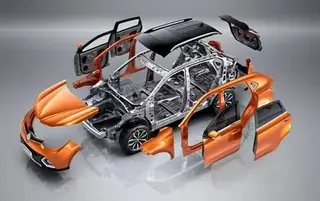
Vehicle Manufacturing (OEMs - Original Equipment Manufacturers): Companies that design, assemble, and brand vehicles.
-
Distribution & Retail: Dealer networks, importers, and increasingly, direct-to-consumer online sales channels.
-
Financing & Insurance: Auto loans, leases, and insurance products critical for vehicle acquisition.
-
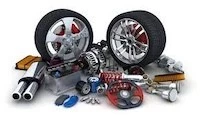
Aftermarket & Services: Parts, accessories, maintenance, repair, and vehicle servicing over the lifecycle.
Key Industry Challenges
-
Colossal Capital Intensity & Thin Margins: Extremely high costs for R&D, tooling, and manufacturing facilities, with cyclical profitability.
-
Disruptive Technological Transition: Managing the parallel development of ICE, hybrid, and EV architectures while funding the electric future.
-
Battery Supply Chain & Raw Material Security: Securing access to lithium, cobalt, nickel, and rare earth elements amid geopolitical competition and ethical sourcing concerns.
-
Software & Electronics Dominance: Transitioning from a hardware-centric to a software-defined industry, requiring new competencies and facing cybersecurity threats.
-
Regulatory Fragmentation: Navigating differing and evolving regulations on safety, emissions, data, and trade across global markets.
-
New Competitive Landscape: Competition from tech companies (e.g., in software, autonomous driving) and new EV-focused entrants.
Future Outlook
The industry is being reshaped into a broader "mobility" ecosystem focused on services, software, and sustainability.
-
Dominance of BEVs: Expected to become the dominant powertrain in most major markets by the 2030s, with ICE production in steep decline.
-
Vehicle as a Software Platform: Cars will become updatable platforms for services, entertainment, and functionality, with revenue streams shifting towards software and subscriptions.
-
Consolidation & Alliances: Increased partnerships between OEMs, tech firms, and battery suppliers to share the immense costs and risks of transformation.
-
Circular Economy & Sustainable Manufacturing: Intensive focus on recycling (especially batteries), using renewable energy in production, and incorporating recycled/renewable materials.
-
Integration with Energy Grids: EVs becoming distributed energy assets for smart grid storage and management (V2G - vehicle-to-grid).
-
Redefined Ownership & Usage Models: Blend of private ownership, subscription, and on-demand shared use within integrated mobility platforms.