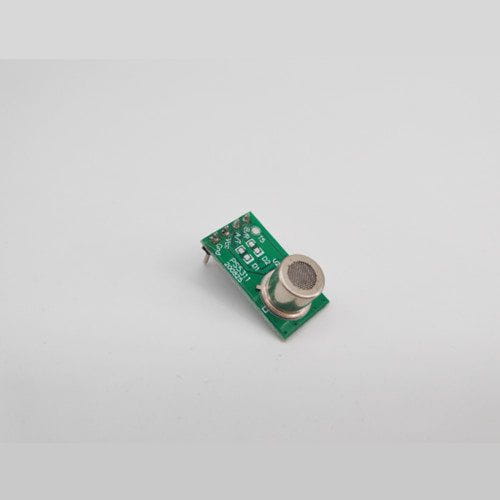
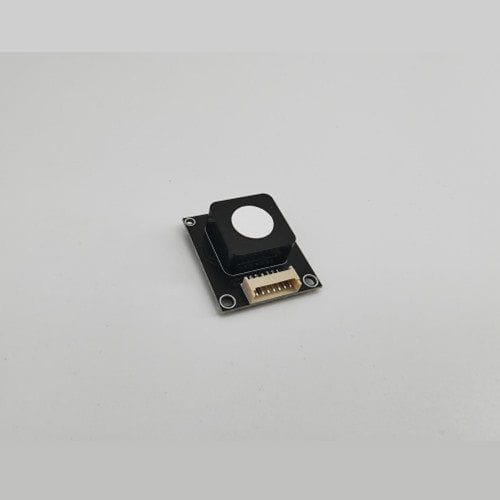
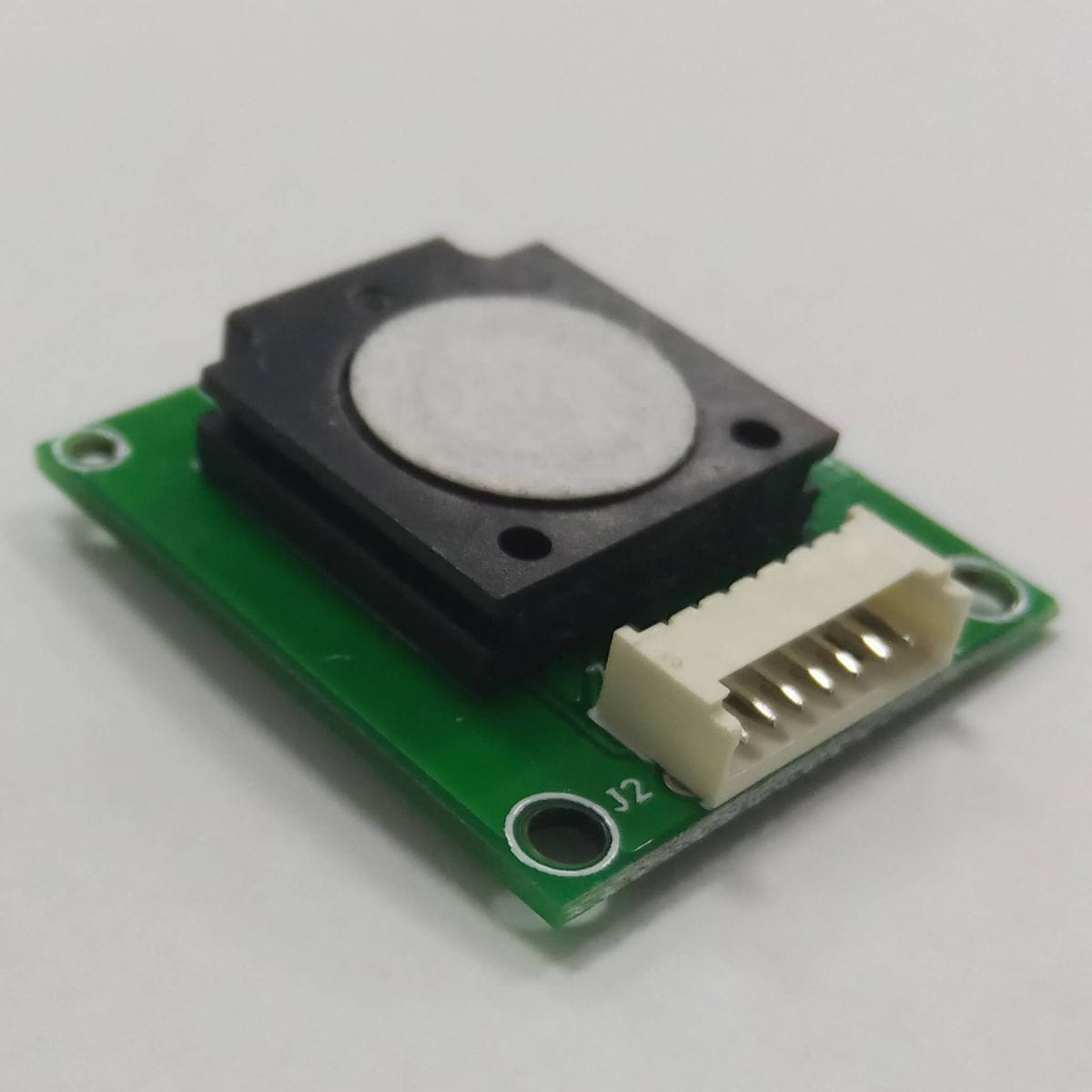
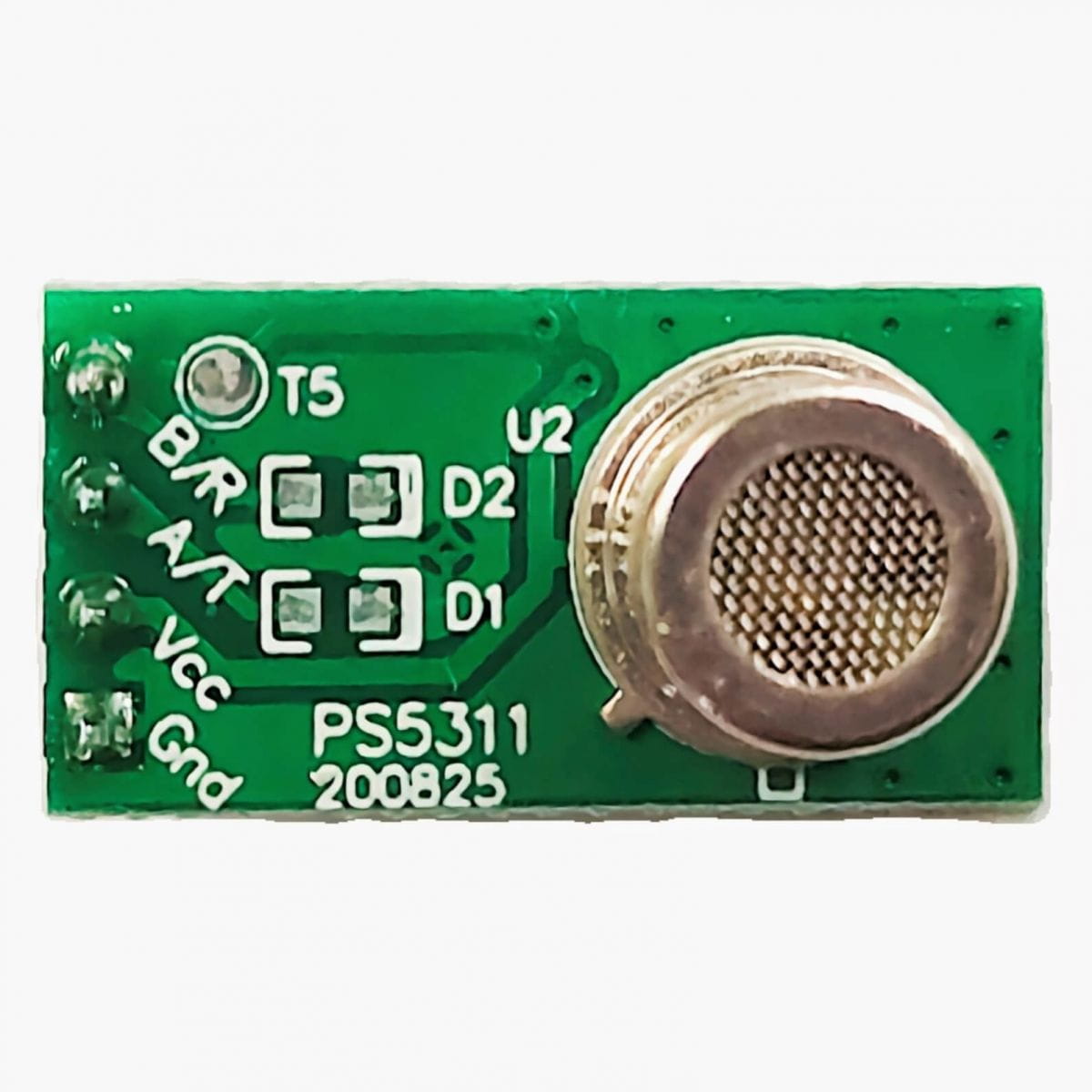
Gas sensors are devices designed to detect and measure the presence and concentration of specific gases in the surrounding air. They play a critical role in safety systems by monitoring combustible, flammable, and toxic gases, as well as tracking oxygen and carbon dioxide levels. With growing emphasis on environmental protection and workplace safety, gas sensors have become essential across industries such as manufacturing, energy, and environmental monitoring. They help prevent accidents, control pollution, and ensure safe working conditions.
As a leading online marketplace for gas sensors in China, CNMFRS.com connects global buyers with reliable Chinese manufacturers and suppliers, offering high-quality products that meet international standards for accuracy, durability, and performance.
A gas sensor is a specialized device designed to detect and measure the presence or concentration of gases in the surrounding environment. These sensors are crucial in ensuring safety, monitoring air quality, and supporting industrial processes. They work by detecting changes in physical or chemical properties when exposed to specific target gases, converting these changes into measurable electrical signals such as voltage, current, or resistance.
Gas sensors operate based on the interaction between the target gas and a sensing element within the device. The exact detection mechanism varies depending on the sensor type, but the underlying process is largely similar across technologies. The main steps include:
Gas Exposure: The target gas reaches the sensor through diffusion or controlled airflow.
Interaction with Sensing Element: The gas interacts with a chemical, thermal, or optical sensing material. This may cause a change in resistance, voltage, current, light absorption, or temperature.
Signal Generation: The physical or chemical interaction generates a measurable signal.
Signal Conversion: The sensor or its supporting electronics convert this change into a usable electrical output.
Output Processing: The signal is processed by a monitoring system, controller, or display to provide real-time information about gas presence and concentration.
The detection technology can vary widely. For example, electrochemical sensors react chemically with the gas to produce a current proportional to the gas concentration. Infrared sensors measure gas concentration by detecting light absorption at specific wavelengths. Semiconductor sensors detect changes in resistance due to gas interaction with a metal oxide surface. Despite these differences, all gas sensors share the core principle of translating gas interactions into quantifiable signals.
Gas sensors are typically designed to detect specific categories of gases, which can be broadly divided into four main types:
Combustible Gases: These include methane, propane, butane, and hydrogen. Detecting combustible gases is vital in preventing fire and explosion hazards in industrial, residential, and energy applications.
Toxic Gases: Toxic gases such as carbon monoxide (CO), hydrogen sulfide (H₂S), ammonia (NH₃), and nitrogen dioxide (NO₂) pose significant health risks. Gas sensors help monitor exposure levels to protect workers and the public.
Oxygen (O₂) Monitoring: Sensors measuring oxygen levels ensure proper ventilation and detect potentially dangerous oxygen-deficient or oxygen-enriched environments.
Air-Quality-Related Gases: This category includes carbon dioxide (CO₂) and volatile organic compounds (VOCs), which are commonly monitored in indoor air quality applications, agriculture, and controlled-atmosphere storage.
Gas sensors have a broad range of applications across industries, reflecting their importance in safety, health, and environmental monitoring.
Gas detection systems in factories, refineries, and chemical plants protect workers from exposure to combustible and toxic gases. Sensors detect leaks, monitor ventilation systems, and trigger alarms when dangerous concentrations are detected.
In offices, homes, and public spaces, sensors measure levels of CO₂ and VOCs to maintain safe and healthy air quality, optimizing ventilation and reducing health risks.
Gas sensors are critical in medical diagnostics, anesthesia monitoring, and respiratory support devices. They measure oxygen, carbon dioxide, and other gases to ensure accurate treatment and patient safety.
Sensors monitor atmospheric pollution, track industrial emissions, and assess environmental contamination in urban and rural areas.
Controlled-atmosphere packaging and greenhouses rely on sensors to monitor CO₂, O₂, and other gases to optimize plant growth and preserve food quality.
Gas sensors provide precise measurements for laboratory studies, chemical testing, and scientific experiments requiring accurate gas detection.
At the core, a gas sensor provides reliable detection and measurement, allowing timely action in potentially hazardous situations. By monitoring gas concentrations, these sensors prevent accidents, ensure regulatory compliance, improve environmental safety, and contribute to energy efficiency. Their versatility makes them indispensable tools across diverse industries, from industrial safety and environmental monitoring to medical and agricultural applications.
Gas sensors are essential devices that convert the interaction of gases with sensing elements into measurable signals, ensuring accurate detection of combustible, toxic, oxygen, and air-quality-related gases. By providing real-time monitoring, they protect human health, maintain safety, and support efficient operations in a wide range of applications. As technology advances, gas sensors continue to evolve, offering higher precision, faster response times, and integration with smart monitoring systems, making them critical components for modern safety and environmental management solutions.