Ball Valves

Ball valves are essential for reliable on/off fluid control in pipelines handling liquids, gases, and corrosive media. Known for their quarter-turn operation, tight sealing performance, and long service life, they are widely used in oil and gas, petrochemical, power generation, water treatment, and general industrial systems.

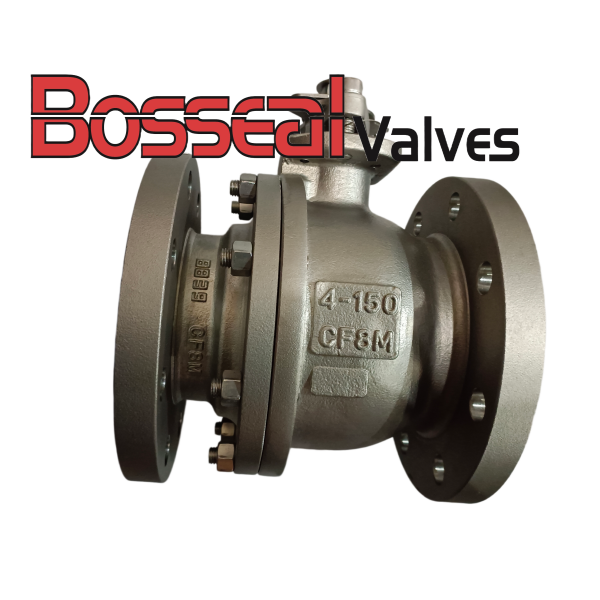
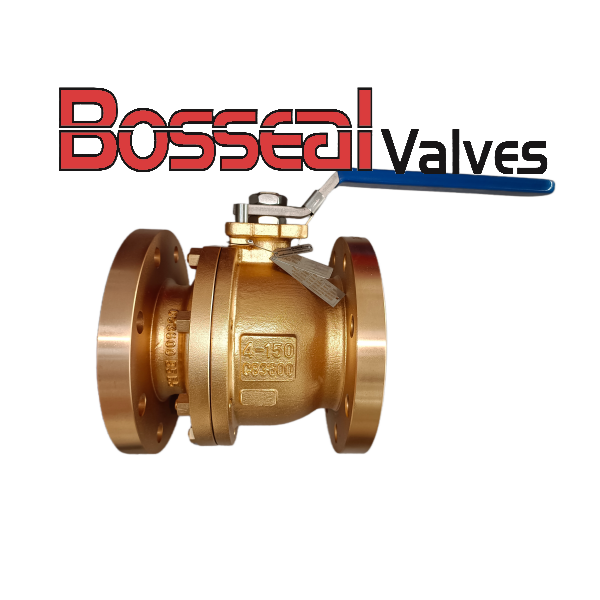
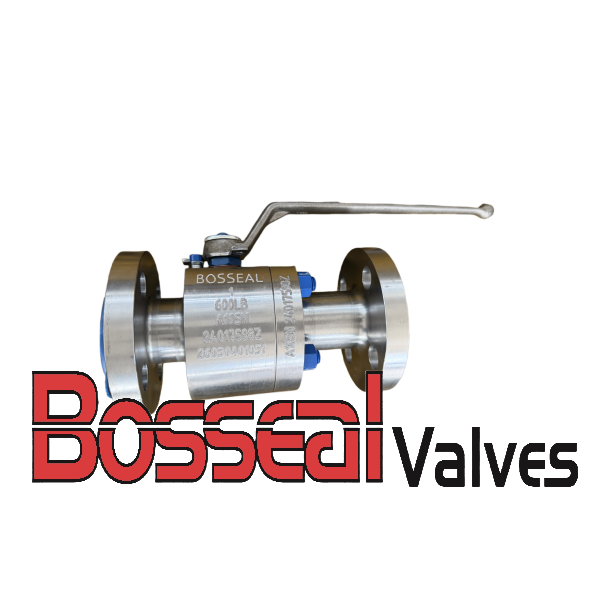
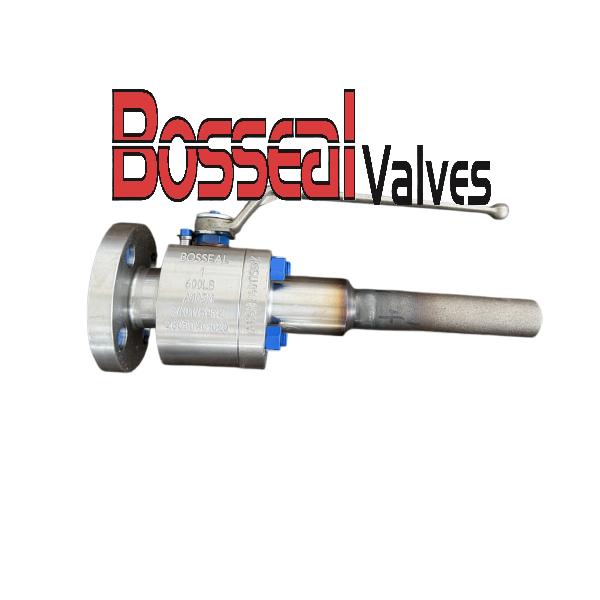
Through CNMFRS.com, buyers can access a wide range of valve configurations, including floating, trunnion-mounted, full bore, reduced bore, and multi-port designs, available in materials such as stainless steel, carbon steel, and specialty alloys.

As a leading ball valve online marketplace in China, CNMFRS.com connects global buyers with trusted Chinese manufacturers and suppliers of high-quality ball valves for diverse industrial applications.

Explore our comprehensive range of ball valves, offered in multiple types, standards, materials, sizes, pressure ratings, actuator configurations, seat materials, and stem sealing options for diverse industrial applications.

Ball Valves Product List

Refine your results:
About results

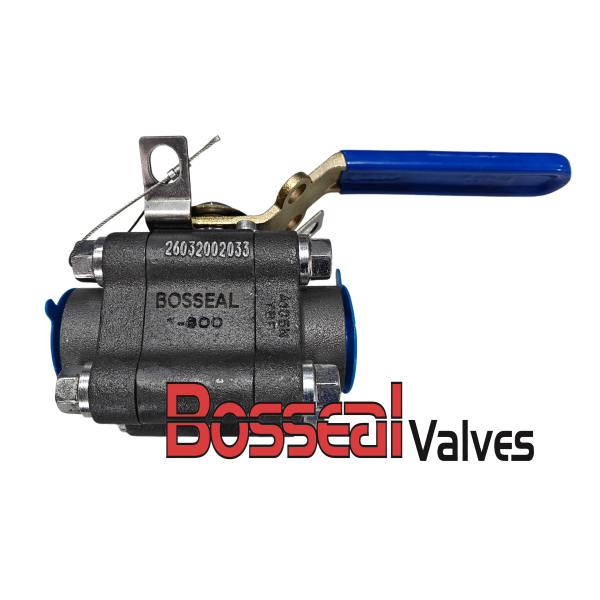
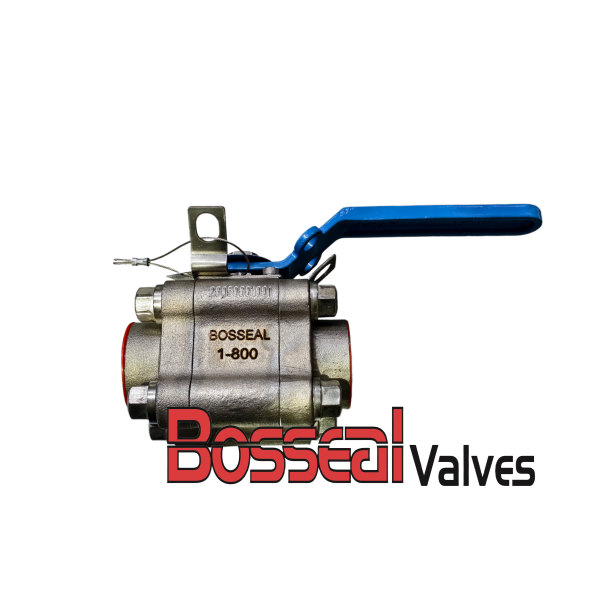
Ball valves are quarter-turn valves that utilize a hollow, pivoting spherical ball to control the flow of liquids, gases, or corrosive media. When the ball's bore aligns with the pipeline, fluid flows freely; a 90° rotation blocks the passage, providing fast, reliable, and leak-proof shutoff. Known for their durability, tight sealing, and quick operation, ball valves are essential components across energy, chemical, water management, and general manufacturing sectors.

Key Product Categories of Ball Valve

1. By Design Configuration

  • Floating Ball Valves: The ball is free-floating, pushed against the downstream seat by line pressure. Ideal for low- to medium-pressure applications.
  • Trunnion-Mounted Ball Valves: Ball supported by trunnions; suitable for large diameters and high-pressure systems.
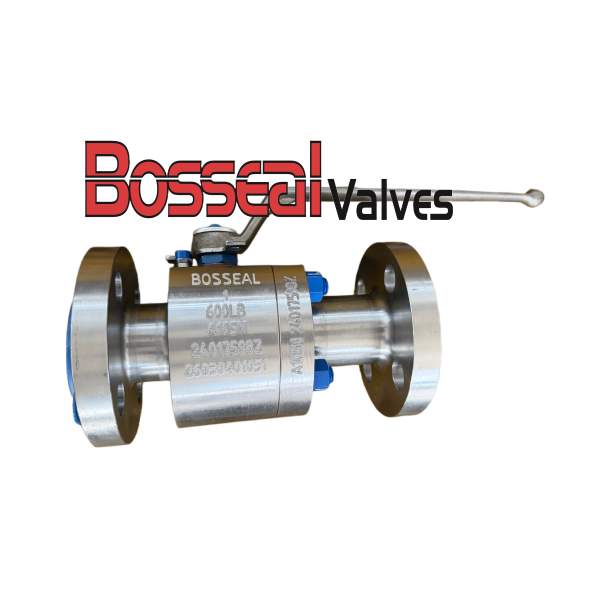
  • Full Bore / Full Port: Bore matches pipeline size; minimal pressure drop, suitable for pigging operations.
  • Reduced Bore / Standard Port: Smaller bore; economical and sufficient when full flow is unnecessary.
  • V-Port Ball Valves: V-shaped ball opening for flow control or throttling applications.
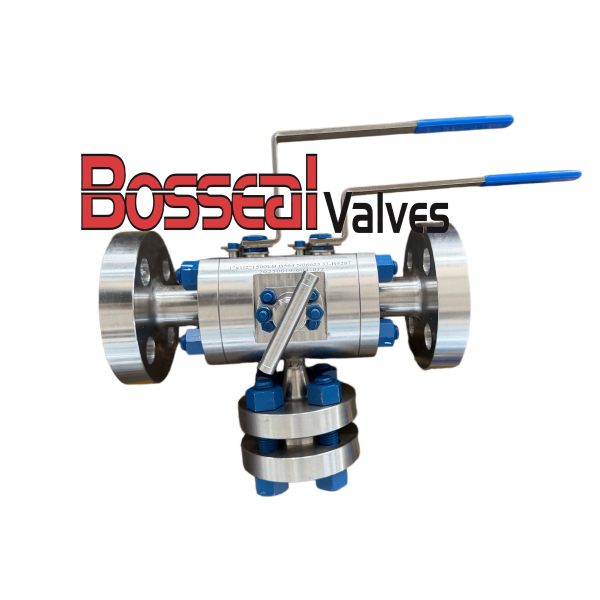
  • Multi-Port Ball Valves: 3-way or 4-way designs for mixing, diverting, or complex piping layouts.
  • Top-Entry Valves: Maintenance-friendly design with removable bonnet.
  • Side-Entry / Split-Body Valves: Three-piece construction for easy servicing.
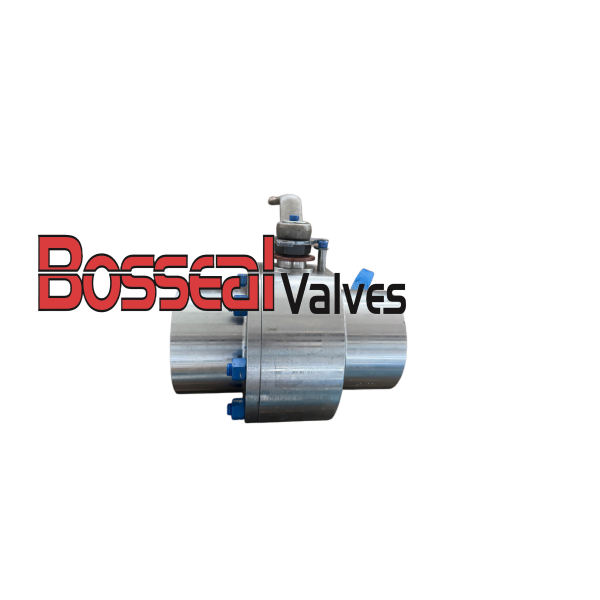
  • Fully Welded Valves: Permanent pipeline installation with maximum integrity.

2. By Material Construction

  • Body Materials: Stainless steel (304/316/316L, CF8/CF8M), carbon steel (WCB/A105), brass, bronze, alloy steel, Inconel, Hastelloy, duplex/super duplex, PVC, CPVC.
  • Ball Materials: Stainless steel, chrome-plated steel, Monel, ceramic-coated, PFA-lined, or alloyed metals for abrasion resistance.
  • Seat Materials: PTFE, RPTFE, PEEK, Nylon, Delrin, reinforced plastics, or metal-to-metal (e.g., Stellite) for extreme pressures and temperatures.
  • Seal Materials: Viton, EPDM, Buna-N, Kalrez for chemical compatibility.
  • Coatings & Linings: Fluoropolymer, rubber, or special anti-corrosion coatings.

3. By Application Specifications

  • Standard Pressure: ANSI Class 150-600, PN10-PN100.
  • High-Pressure: ANSI Class 900-2500, nuclear applications.
  • Cryogenic Service: Specially designed for extremely low-temperature fluids such as LNG or liquid nitrogen (-196°C), featuring extended stems.
  • High-Temperature: Metal-seated valves for >400°C service in petrochemical and power systems.
  • Sanitary / Hygienic: Tri-clamp, polished finishes for food, beverage, and pharmaceutical processes.
  • Fire-Safe: API 607/ISO 10497 certified with secondary metal seals.

4. By Actuation & Control

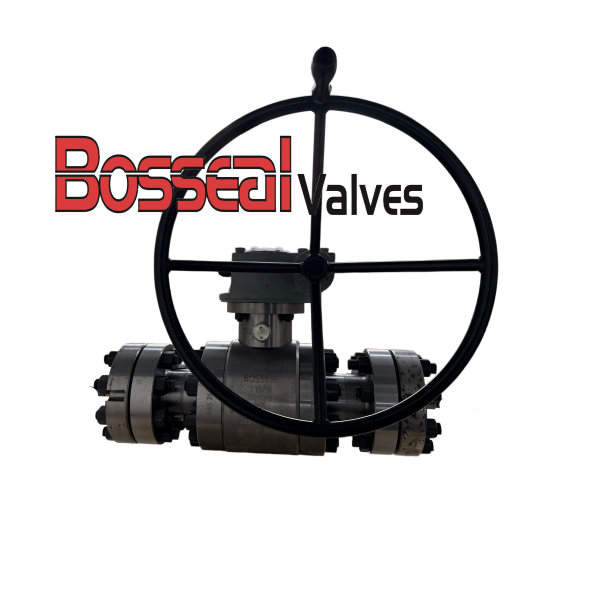
  • Manual: Lever, gear-operated, pneumatic/hydraulic actuators.
  • Automated: Electric, pneumatic, hydraulic actuation.
  • Smart Valves: IoT-enabled with sensors for position, torque, and temperature monitoring.
  • Control Valves: V-port or characterized ball for precise flow regulation.

Industrial Applications for Ball Valves

Ball valves are extensively used across multiple industries:

  • Oil & Gas: Pipeline isolation, refineries, gas distribution, crude oil transfer.
  • Petrochemical & Chemical: Handling corrosive fluids, solvents, acids, and storage tanks.
  • Power Generation: Steam, cooling water, boiler feed, and turbine systems.
  • Water & Wastewater Treatment: Distribution networks, pumping stations, and treatment plants.
  • Cryogenic & LNG: Ultra-low temperature storage and transport of liquefied gases.
  • Food, Beverage & Pharmaceutical: Hygienic valves for sanitary and low-temperature processes.
  • Marine & Shipbuilding: Fuel lines, ballast systems, and seawater cooling circuits.
  • HVAC & Building Services: Heating, ventilation, and cooling system flow control.

Advantages of Ball Valves

Fast quarter-turn operation for rapid isolation.

Tight sealing and leak prevention, even under high pressure.

Long service life with minimal maintenance.

Compact design and low torque requirement.

Compatibility with manual, pneumatic, or electric actuators for automation.

Wide temperature and pressure adaptability (high-temperature steam to cryogenic media).

Resistant to chemical corrosion and abrasive media.

Maintenance & Lifecycle of Ball Valves

Regular inspection of stem packing and seals ensures reliable performance.

Periodic lubrication of the stem reduces operational torque.

Ball and seat replacements extend service life in abrasive or high-temperature applications.

Compatible with automation systems for predictive maintenance and remote operation.

Ball Valve Standards & Certifications

Ball valves are designed and tested according to international standards:

  • API 6D / API 608 – Pipeline and industrial valve standards
  • ASME B16.34 – Pressure-temperature ratings
  • ISO 17292 – Metal ball valves
  • EN 1983 / EN 12266 – European standards for pressure and testing
  • NACE MR0175 / MR0103 – Corrosion-resistant applications for oil & gas
  • ISO 15848-1 – Fugitive emission standards for low-emission designs

These certifications ensure valves meet rigorous performance, safety, and reliability requirements.

Ball Valve Technology & Innovation Trends

  • Digital Integration: WirelessHART/ISA100 compatible smart positioners, predictive maintenance via vibration/torque analytics, digital twins for performance simulation.
  • Advanced Materials: Nanocomposite seats for extended cycle life, cryogenic coatings for LNG/hydrogen, corrosion-resistant alloys for offshore service.
  • Manufacturing Excellence: Robotic welding, CNC machining with AI-powered quality inspection, additive manufacturing for prototypes and spare parts.
  • Sustainability Focus: Low-emission designs, energy-efficient actuation systems, recyclable materials and packaging.

Global Market Drivers & Value Chain

Market Drivers:

  • Energy infrastructure expansion (oil & gas pipelines, LNG terminals, hydrogen systems)
  • Water and wastewater treatment plant construction worldwide
  • Industrial automation and IIoT adoption
  • Replacement demand in aging petrochemical and power facilities
  • Stringent environmental regulations on emissions
  • Growth in pharmaceutical, food & beverage processing

Major Players:

  • Global Leaders: Emerson (Fisher), Flowserve, Cameron (Schlumberger), KITZ, IMI PLC, Velan
  • Specialty Manufacturers: Apollo Valves, Swagelok, Parker Hannifin, Bray International
  • Regional Champions: Dazhong Valve (China), L&T Valves (India), Valvitalia (Italy)
  • Value Chain: Raw material suppliers → component manufacturers → valve assembly → testing/certification → distribution network → system integrators → end users

Ball Valve Challenges & Opportunities

Challenges

Opportunities

Intense price competition from commoditized products

Digital valve services and performance contracts

Raw material cost volatility (special alloys, polymers)

Hydrogen economy valve development and certification

Technical skill shortage in valve engineering

Water conservation and smart water network solutions

Counterfeit products in emerging markets

Aftermarket services (repair, refurbishment, retrofitting)


Growth in Asia-Pacific infrastructure projects

CNMFRS.com B2B Sourcing Advantages

As a leading industrial B2B platform in China, CNMFRS connects buyers with verified manufacturers of ball valves:

  • Supplier comparison: Access multiple manufacturers with verified credentials.
  • Technical specification matching: Find valves based on size, pressure, temperature, and material.
  • Bulk procurement: Efficient sourcing for large-scale projects.
  • Global supply chain support: Streamlined logistics, export, and delivery options.
  • Project-specific solutions: Tailored recommendations for industrial systems, petrochemical plants, water networks, and more.

CNMFRS provides a centralized, reliable, and cost-effective sourcing hub for industrial ball valves, helping buyers secure the right solution for any operational scale or complexity.

Videos of Ball Valves

More About Ball Valves

What are the key standards and certifications for industrial ball valves?

Adherence to standards ensures performance, safety, and interchangeability.

  • Design & Pressure Ratings: ASME B16.34 (fundamental design), API 6D (specifically for pipeline and industrial ball valves), ISO 17292 (international metal ball valve standard).

  • Fire Safety: API 607 / ISO 10497 (Fire Test for Soft-Seated Quarter-Turn Valves). Certifies that the valve will not externally leak for a specified time during a fire after the soft seats have burned away.

  • End Connections: ASME B16.5 (Flanged), ASME B16.11 (Threaded/Socket Weld).

  • Face-to-Face Dimensions: ASME B16.10 / ISO 5752 (ensures valves from different manufacturers are dimensionally interchangeable in a pipeline).

  • Industry-Specific: 3-A Sanitary Standard (for food, beverage, pharmaceuticals), ATEX / IECEx (for valves used in explosive atmospheres).

What does "blow-out proof stem" mean, and why is it important?

A blow-out proof stem is a critical safety feature. It means the valve stem is designed so that it cannot be ejected from the valve body by internal pressure, even if the packing gland is fully removed. This is typically achieved by an enlarged stem diameter or a shoulder/step on the stem that is captured inside the valve body.
Importance: It prevents catastrophic failure and ensures operator safety. If high internal pressure could force the stem out, it would create a dangerous, uncontrolled release of process fluid. Most modern industrial ball valve standards (like API 6D) require this feature.

What are the main types of ball valve seat materials, and how do I choose?

The seat material is critical for sealing, temperature resistance, and chemical compatibility.

  • PTFE (Teflon): Most common. Offers excellent chemical resistance and low friction but is limited by temperature (typically -50°C to 200°C / -58°F to 392°F) and can be prone to cold flow (deformation under load).

  • Reinforced PTFE (e.g., Glass-filled, Carbon-filled): Improves mechanical strength, reduces cold flow, and slightly increases temperature limits.

  • PEEK (Polyether Ether Ketone): A high-performance thermoplastic with excellent chemical and thermal resistance (up to 260°C / 500°F), superior to PTFE in harsh conditions.

  • Metal Seats (e.g., Stainless Steel, Inconel): Used for extreme temperatures (cryogenic or high-heat), abrasive slurries, or where fire-safe certification is required (after a soft seat burns away, metal seats provide a secondary seal).
    Selection Guide: Match seat material to the fluid's chemical compatibility, continuous operating temperature, pressure, and any required certifications (FDA, USP Class VI for sanitary applications).

Related searches of Ball Valves

Related Blogs of Ball Valves