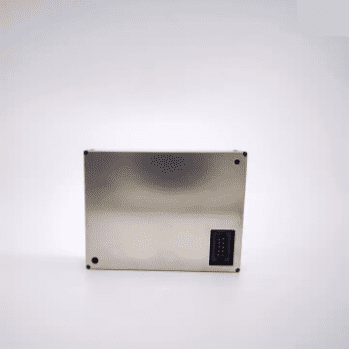
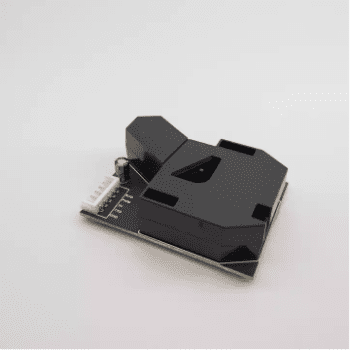
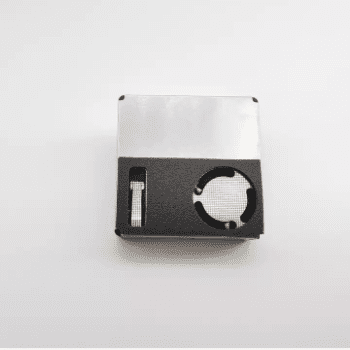
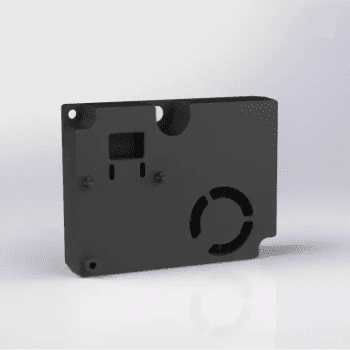
Dust Sensors

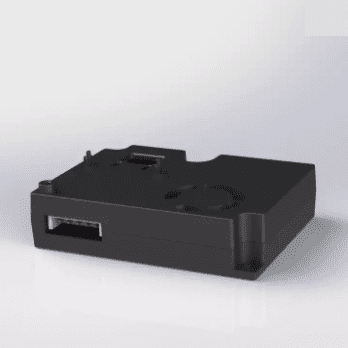
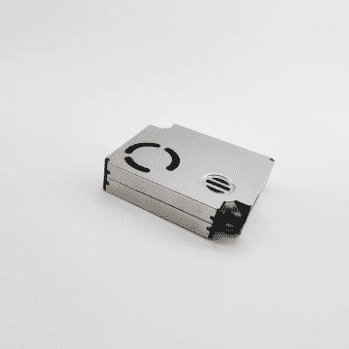
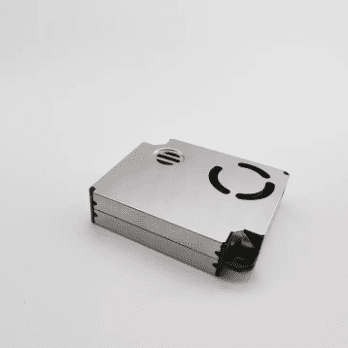
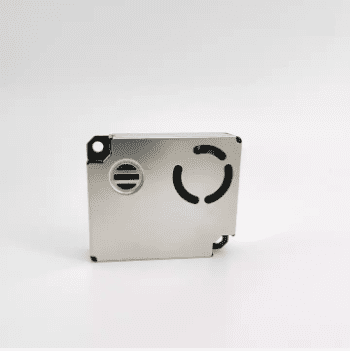
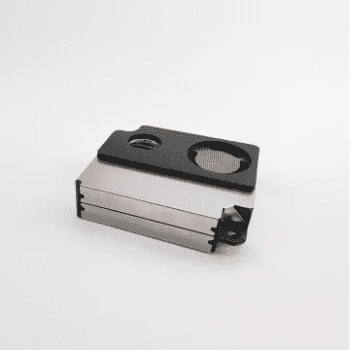
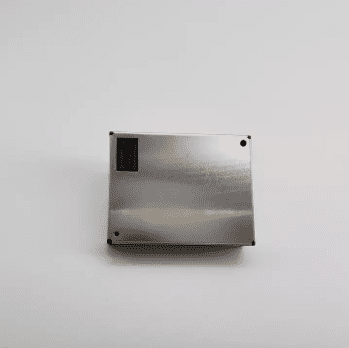
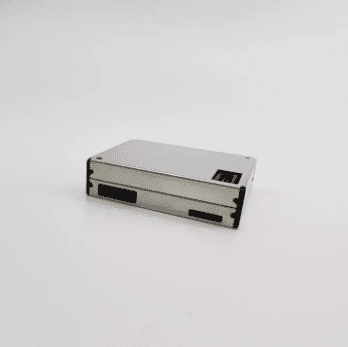
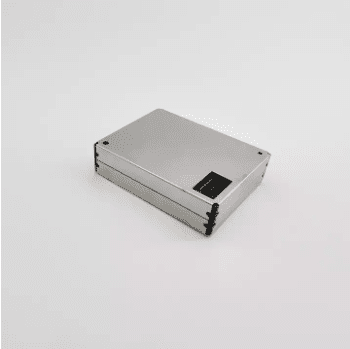
A dust sensor is a device used to measure the concentration of airborne particles and monitor real-time air quality. By detecting dust, smoke, and particulate matter such as PM2.5 and PM10, dust sensors help assess environmental conditions and support efforts to improve air quality. Advanced sensing technologies, including laser scattering and inductive electrification, can also assist in identifying pollution sources and monitoring industrial emissions. Dust sensors are widely used in environmental monitoring, smart buildings, HVAC systems, air purifiers, industrial facilities, and workplace safety applications.

As a leading dust sensor online B2B marketplace, CNMFRS.com connects global buyers with reliable Chinese suppliers specializing in dust sensors, laser dust sensors, particulate matter sensors, air quality monitoring devices, and related environmental sensing technologies. The platform helps businesses source high-quality products from trusted manufacturers at competitive prices.

Dust Sensors Product List

Refine your results:
About results

What Are Dust Sensors?

A dust sensor is an advanced electronic device designed to detect and measure the concentration of airborne particulate matter (PM) such as dust, smoke, pollen, and aerosols. These sensors provide real-time air quality data, enabling individuals, businesses, and industries to monitor environmental conditions, automate ventilation systems, enhance industrial safety, and control pollution levels. By continuously measuring particulate matter in the air, dust sensors play a crucial role in maintaining healthy living and working environments.

Dust sensors are employed across a wide range of applications, from residential and commercial spaces to industrial facilities and environmental monitoring stations. In homes and offices, they help improve indoor air quality by providing data to air purifiers, HVAC systems, and smart home devices. In industrial settings, dust sensors are used to monitor airborne particles in manufacturing plants, construction sites, or mines, ensuring that workers are not exposed to harmful levels of dust. Environmental agencies also rely on dust sensors to track air pollution and support public health initiatives.

Types of Dust Sensors

Dust sensors are classified primarily based on the technology they use to detect particles in the air:

Infrared Dust Sensors

These sensors use infrared LEDs and photodiodes to detect larger airborne particles. They are cost-effective and suitable for basic air quality monitoring. Infrared sensors perform well for detecting coarse particles but may struggle with very fine particles below 2.5 micrometers (PM2.5), limiting their precision for monitoring fine particulate pollution. Despite this limitation, they are widely used in consumer air purifiers, HVAC systems, and low-cost air quality monitoring devices.

Laser Dust Sensors

Laser dust sensors use highly focused laser beams to detect airborne particles with superior accuracy. They can measure a range of particle sizes, including PM1, PM2.5, and PM10, simultaneously, offering real-time detection of even the smallest particles. Laser sensors are particularly suitable for industrial monitoring, laboratory environments, smart cities, and professional air quality applications. By providing precise, continuous data, these sensors allow for proactive air filtration and pollution management strategies.

Functions and Applications of Dust Sensors

Dust sensors serve multiple critical functions across residential, commercial, and industrial domains:

Monitoring Indoor Air Quality

Dust sensors track particulate matter levels in real-time, helping homeowners and building managers maintain a clean and healthy indoor environment. When dust levels rise, sensors can trigger air purifiers, ventilation systems, or HVAC adjustments automatically.

Industrial Safety and Workplace Health

In factories, mines, or construction sites, dust sensors help protect workers by measuring dust concentrations in the air. Alerts can be generated when particle levels exceed safety thresholds, allowing for timely mitigation measures, such as deploying extraction systems or personal protective equipment.

Environmental Pollution Assessment

Dust sensors provide valuable data for environmental monitoring. Governments and organizations use them to track urban air quality, measure the impact of construction or traffic, and enforce environmental regulations.

Automated Air Treatment Systems

Many modern air purifiers and filtration units rely on dust sensors to operate efficiently. Sensors detect particulate matter, allowing the device to adjust airflow, fan speed, or purification intensity automatically.

Healthcare and Laboratory Applications

Dust sensors are used in hospitals, laboratories, and cleanroom environments to maintain strict air quality standards. They ensure that sensitive processes or patients are not exposed to harmful particulate matter.

Smart Home and IoT Integration

Integrated into smart home ecosystems, dust sensors enable automation and remote monitoring of indoor air quality, providing alerts and insights via apps or connected devices.

Advantages of Dust Sensors

Dust sensors offer several benefits that make them indispensable in modern air quality management:

Real-Time Data

Continuous monitoring allows for immediate response to changing air conditions.

Improved Health and Safety

By detecting harmful particulate matter, dust sensors reduce exposure risks and support a healthier environment.

Automation and Efficiency

Sensors can control devices automatically, reducing energy consumption while maintaining optimal air quality.

Versatile Applications

Suitable for homes, offices, industries, laboratories, and environmental monitoring.

Support for Regulatory Compliance

In industrial and public settings, dust sensors help organizations meet air quality standards and environmental regulations.

Conclusion

Dust sensors are essential tools for understanding and controlling air quality in diverse environments. From residential spaces seeking cleaner air to industrial sites needing stringent safety measures, these devices provide accurate, real-time detection of airborne particulate matter. With technological advances such as laser-based sensing, modern dust sensors offer unmatched precision and reliability. They not only improve health and safety but also enable automation, efficiency, and environmental sustainability. By integrating dust sensors into homes, workplaces, and cities, we can better manage air pollution, enhance quality of life, and create safer, cleaner environments for all.

Videos of Dust Sensors

More About Dust Sensors

Related searches of Dust Sensors

Related Blogs of Dust Sensors