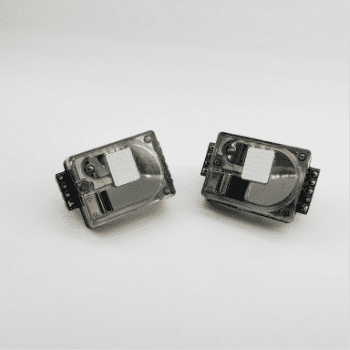
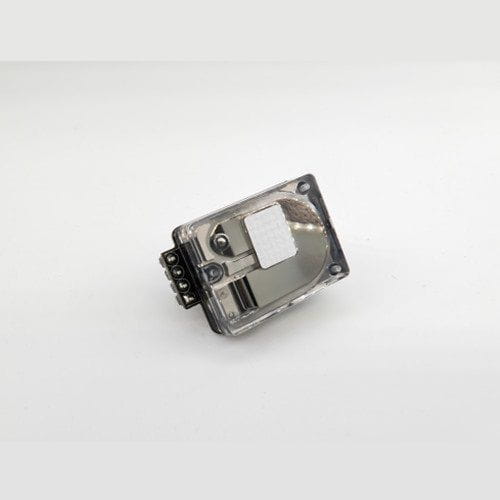
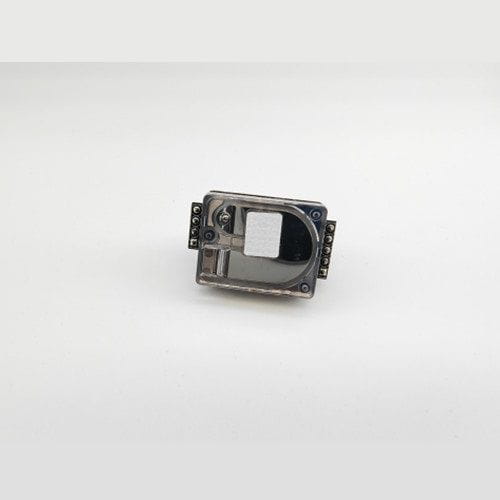
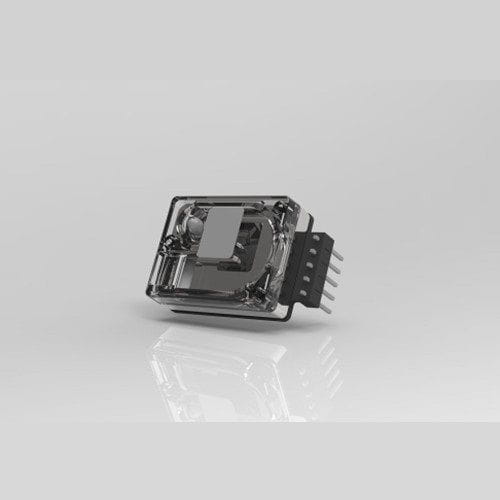
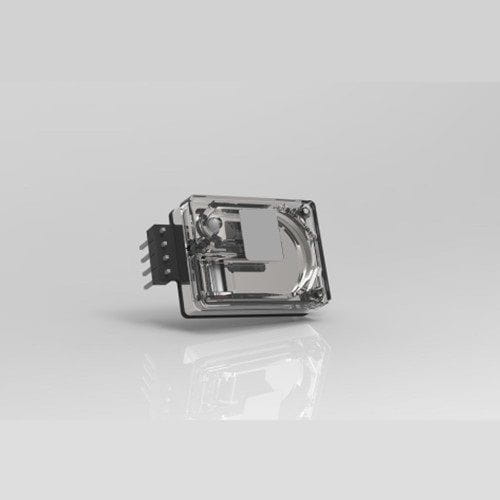
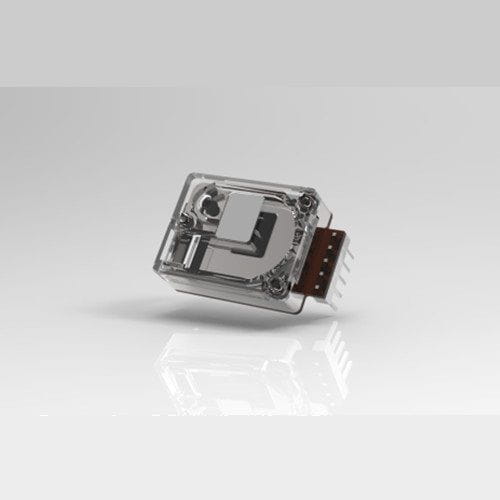
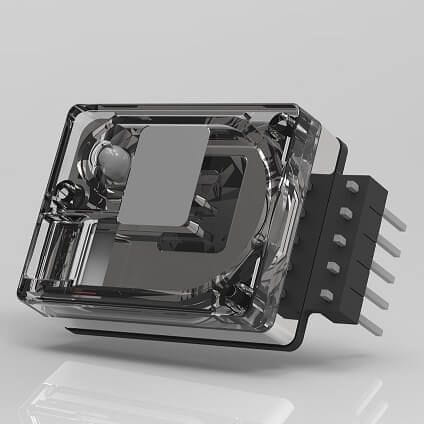
CO2 Sensors

Carbon Dioxide (CO₂) sensors play a vital role in modern environmental monitoring and smart building management systems. These sensors help improve indoor air quality, energy efficiency, occupant comfort, and safety across HVAC, consumer electronics, industrial, and medical applications. The most widely used CO₂ sensing technologies include Non-Dispersive Infrared (NDIR) sensors and chemical gas sensors, both of which provide accurate and reliable carbon dioxide measurements. Monitoring CO₂ concentrations is essential for maintaining healthy indoor environments, optimizing ventilation performance, and reducing energy consumption.

As a leading CO₂ sensors online B2B marketplace, CNMFRS.com connects global buyers with reliable Chinese suppliers specializing in high-quality CO₂ sensors, gas detection technologies, and advanced air quality monitoring solutions for diverse commercial and industrial applications.

CO2 Sensors Product List

Refine your results:
About results

What Are Carbon Dioxide (CO₂) Sensors?

A carbon dioxide sensor is an electronic device designed to detect and measure the concentration of carbon dioxide gas in the surrounding environment. These sensors continuously monitor CO₂ levels and convert gas concentration data into electrical signals that can be displayed, recorded, or transmitted to control systems.

CO₂ sensors are widely used in applications such as:

  • HVAC and building automation systems
  • Smart homes
  • Offices and commercial buildings
  • Schools and universities
  • Hospitals and healthcare facilities
  • Industrial manufacturing plants
  • Greenhouses and agricultural facilities
  • Environmental monitoring stations

By providing accurate information about carbon dioxide concentrations, these sensors help maintain healthy indoor environments and improve overall air quality management.

How Do CO₂ Sensors Work?

Several technologies are available for measuring carbon dioxide concentrations, with Non-Dispersive Infrared (NDIR) sensors being the most widely used solution. Electrochemical sensing technology is also employed in certain specialized applications.

Non-Dispersive Infrared (NDIR) Technology

NDIR technology has become the industry standard for CO₂ detection due to its high accuracy, reliability, and long-term stability.

NDIR sensors operate based on the principle that carbon dioxide molecules absorb infrared light at specific wavelengths. The sensor contains an infrared light source and a detector positioned across a measurement chamber. As air passes through the chamber, CO₂ molecules absorb part of the infrared energy.

The sensor measures the amount of absorbed infrared light and calculates the corresponding CO₂ concentration. Higher concentrations of carbon dioxide result in greater absorption of infrared radiation.

Advantages of NDIR sensors include:

  • High measurement accuracy
  • Excellent long-term stability
  • Fast response times
  • Wide measurement ranges
  • Low maintenance requirements
  • Minimal interference from other gases

Modern NDIR sensors can accurately measure carbon dioxide concentrations from a few hundred parts per million (ppm) up to 100% volume, making them suitable for a wide range of applications.

Electrochemical CO₂ Sensors

Electrochemical sensors detect carbon dioxide through chemical reactions that generate electrical signals proportional to gas concentration.

These sensors are often compact and energy-efficient, making them suitable for portable devices and specialized monitoring systems. However, they generally have shorter lifespans and narrower measurement ranges than NDIR sensors.

Why Monitoring CO₂ with Sensors Matters

Monitoring carbon dioxide levels is essential for maintaining healthy indoor environments and optimizing building performance.

Improving Indoor Air Quality

Indoor spaces with inadequate ventilation often experience elevated CO₂ concentrations. Since humans continuously exhale carbon dioxide, occupancy levels can quickly influence indoor air quality.

A properly functioning CO₂ monitoring system helps identify ventilation deficiencies before they negatively affect occupants.

Enhancing Cognitive Performance

Research has shown that elevated CO₂ levels can significantly impact concentration, decision-making, and cognitive function.

For example:

CO₂ levels above 1000 ppm may reduce cognitive performance by approximately 15%.

Levels around 2500 ppm can reduce cognitive effectiveness by up to 50%.

These reductions can directly affect productivity in offices, schools, conference rooms, and other occupied spaces.

Supporting Health and Comfort

Although carbon dioxide itself is generally not toxic at typical indoor concentrations, elevated levels often indicate poor ventilation and the potential accumulation of other airborne contaminants.

Maintaining appropriate CO₂ levels contributes to:

  • Improved comfort
  • Reduced fatigue
  • Better concentration
  • Enhanced occupant satisfaction
  • Healthier indoor environments

Energy Efficiency Benefits

CO₂ sensors play a crucial role in demand-controlled ventilation (DCV) systems.

Instead of operating ventilation systems at maximum capacity continuously, DCV systems adjust airflow based on actual occupancy and measured CO₂ levels.

This approach can:

  • Reduce HVAC energy consumption
  • Lower operating costs
  • Improve system efficiency
  • Extend equipment lifespan

Many facilities achieve energy savings of 5% to 15% through intelligent CO₂-based ventilation control.

Regulatory Compliance

Building codes and indoor air quality standards increasingly require proper ventilation and air quality monitoring.

CO₂ sensors help facilities comply with:

  • Commercial building regulations
  • Green building certifications
  • Occupational health requirements
  • Educational facility standards
  • Healthcare ventilation guidelines

Key Components of a CO₂ Sensor System

A complete carbon dioxide monitoring solution consists of several integrated components working together to ensure accurate and reliable measurements.

Sensing Element

The sensing element is the core component responsible for detecting carbon dioxide concentrations. This may be an NDIR sensor module or an electrochemical sensing cell.

Signal Processing Circuitry

Raw sensor signals must be processed and converted into meaningful CO₂ concentration values.

Signal processing electronics perform:

  • Data conversion
  • Calibration adjustments
  • Noise reduction
  • Output signal generation

Temperature Compensation

Environmental temperature variations can affect sensor performance.

Temperature compensation circuits continuously adjust measurements to maintain accuracy under changing conditions.

Humidity Compensation

Humidity can also influence sensor readings. Advanced CO₂ sensors incorporate humidity compensation algorithms to improve measurement reliability.

Communication Interfaces

Modern sensors often include various communication options, such as:

  • Analog voltage outputs
  • Analog current outputs
  • Digital I²C interfaces
  • UART communication
  • RS-485 connectivity
  • Wireless communication protocols

These interfaces enable seamless integration with building automation and monitoring systems.

Power Management Systems

Efficient power management is particularly important for portable and battery-operated devices.

Power management circuits help:

  • Reduce energy consumption
  • Extend battery life
  • Maintain stable operation
  • Support wireless monitoring applications

Applications of CO₂ Sensors

The versatility of carbon dioxide sensors has led to their adoption across numerous industries.

Smart Buildings and HVAC Systems

CO₂ sensors help optimize ventilation, improve occupant comfort, and reduce energy costs in commercial and residential buildings.

Educational Facilities

Schools and universities use CO₂ monitoring to maintain healthy learning environments and improve student performance.

Healthcare Facilities

Hospitals rely on air quality monitoring systems to maintain proper ventilation and ensure patient safety.

Industrial Applications

Manufacturing facilities monitor CO₂ concentrations to support worker safety and process control.

Agriculture and Greenhouses

CO₂ monitoring helps optimize plant growth by maintaining ideal environmental conditions.

Smart Homes

Modern smart home systems use CO₂ sensors to automatically manage indoor air quality and ventilation.

Conclusion

Carbon dioxide sensors are essential tools for monitoring indoor air quality, improving energy efficiency, and creating healthier living and working environments. Utilizing advanced technologies such as NDIR and electrochemical sensing, these devices provide accurate, real-time measurements of CO₂ concentrations across a wide range of applications. As smart buildings, IoT systems, and environmental regulations continue to evolve, the demand for reliable CO₂ monitoring solutions will continue to grow. By helping optimize ventilation, enhance occupant comfort, and support regulatory compliance, CO₂ sensors play a critical role in modern air quality management and sustainable building operation.

Videos of CO2 Sensors

More About CO2 Sensors

Related searches of CO2 Sensors

Related Blogs of CO2 Sensors