Beauty & Personal Care

I. Industry Definition & Scope

The Beauty & Personal Care industry encompasses a wide range of products and services used for personal hygiene, grooming, and enhancement of physical appearance. It is a dynamic, fast-paced sector driven by innovation, aspiration, self-expression, and evolving cultural ideals. The scope spans mass-market consumables to prestige luxury goods, and includes both product manufacturing (cosmetics, skincare, fragrance, haircare) and service provision (salons, spas, clinics).

II. Key Product Categories

By Product Type:

  • Skincare: Cleansers, moisturizers, serums, sunscreens, anti-aging treatments, masks, and acne care.

  • Haircare: Shampoos, conditioners, styling products, colorants, and treatments.

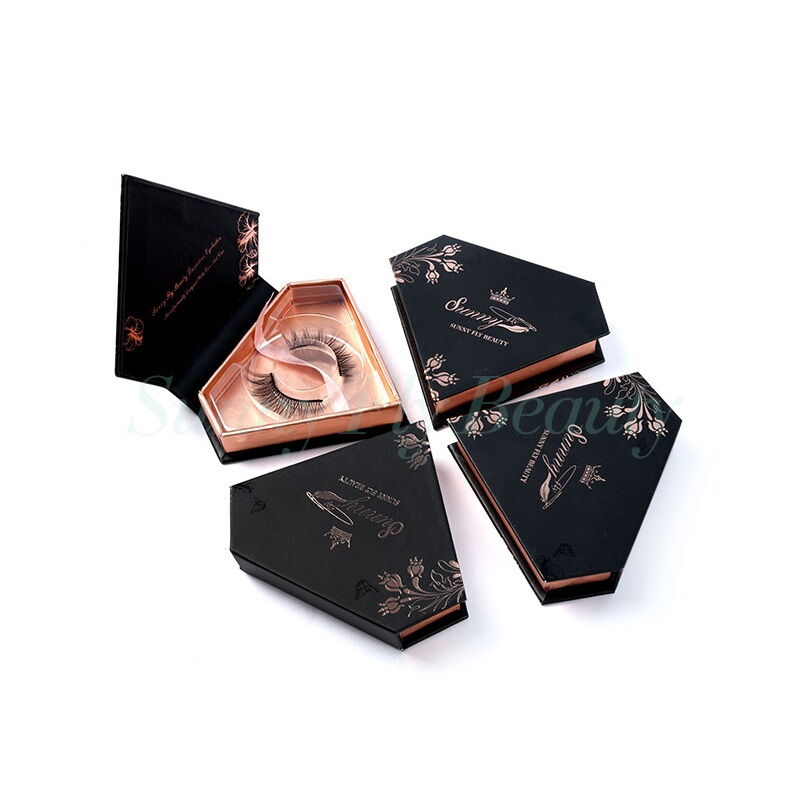
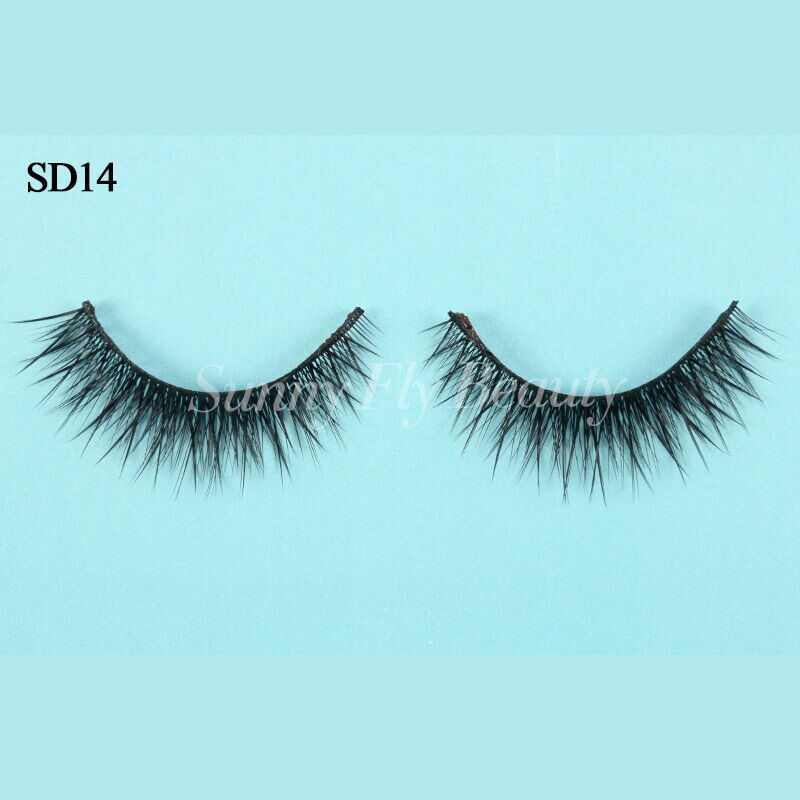
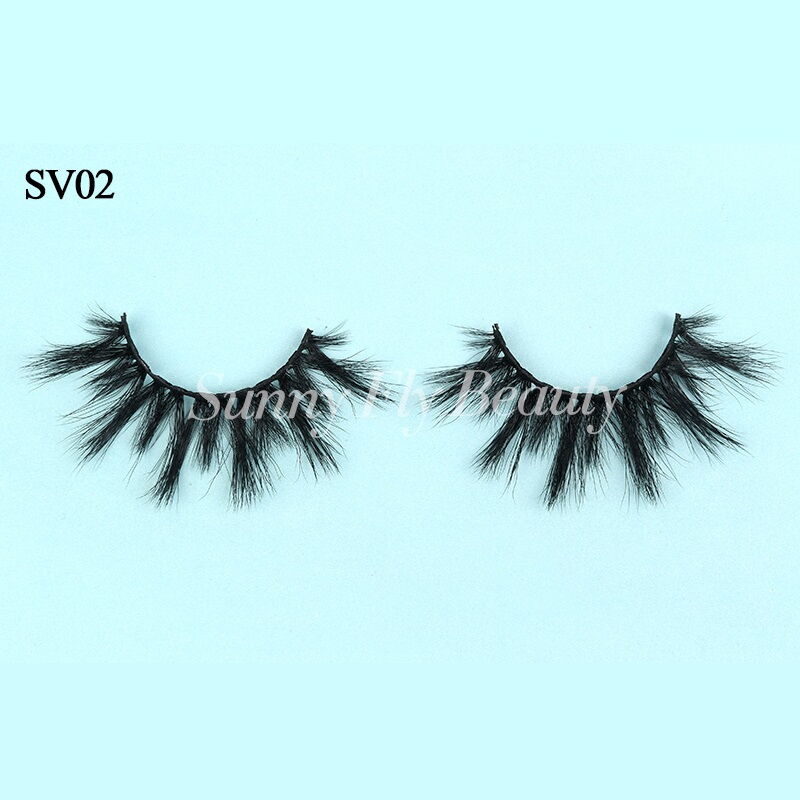
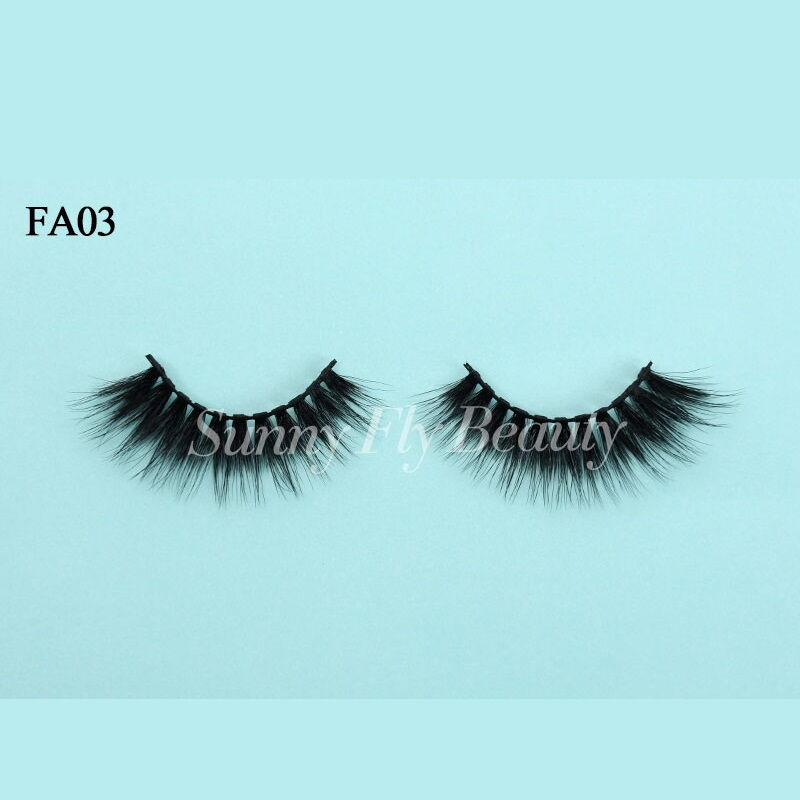
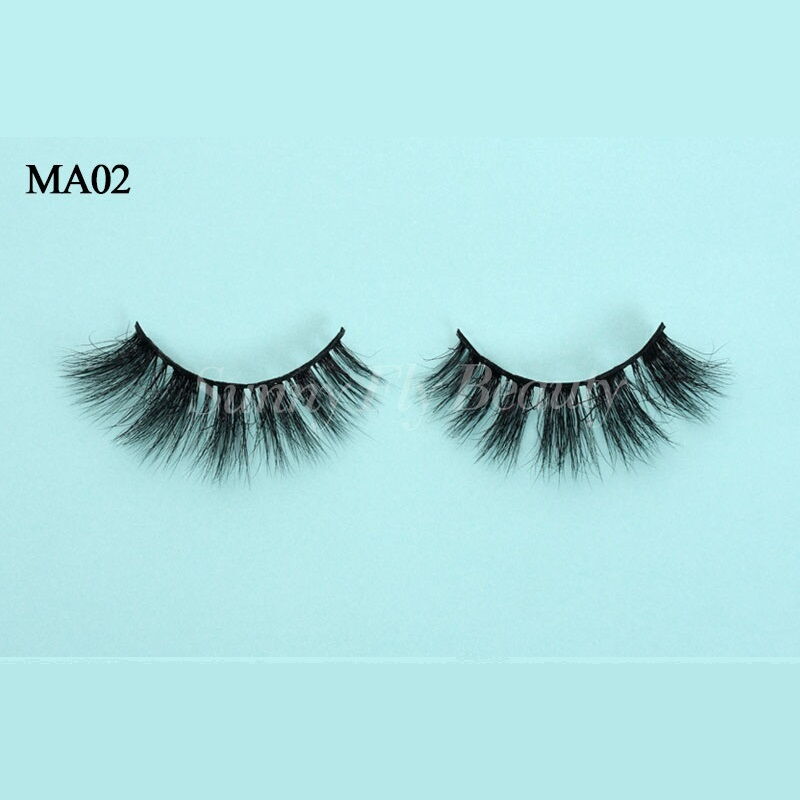
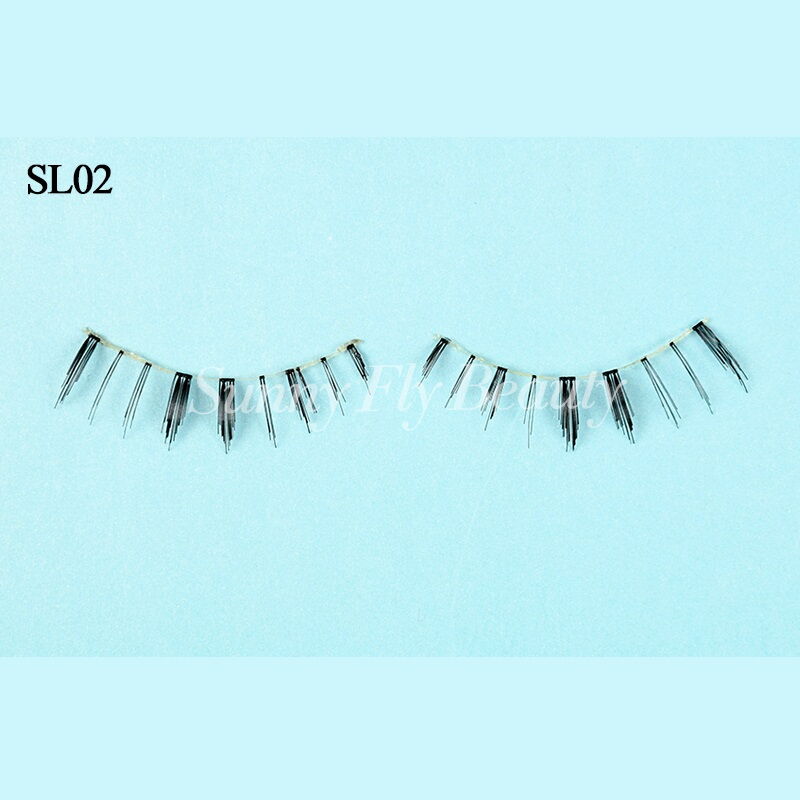
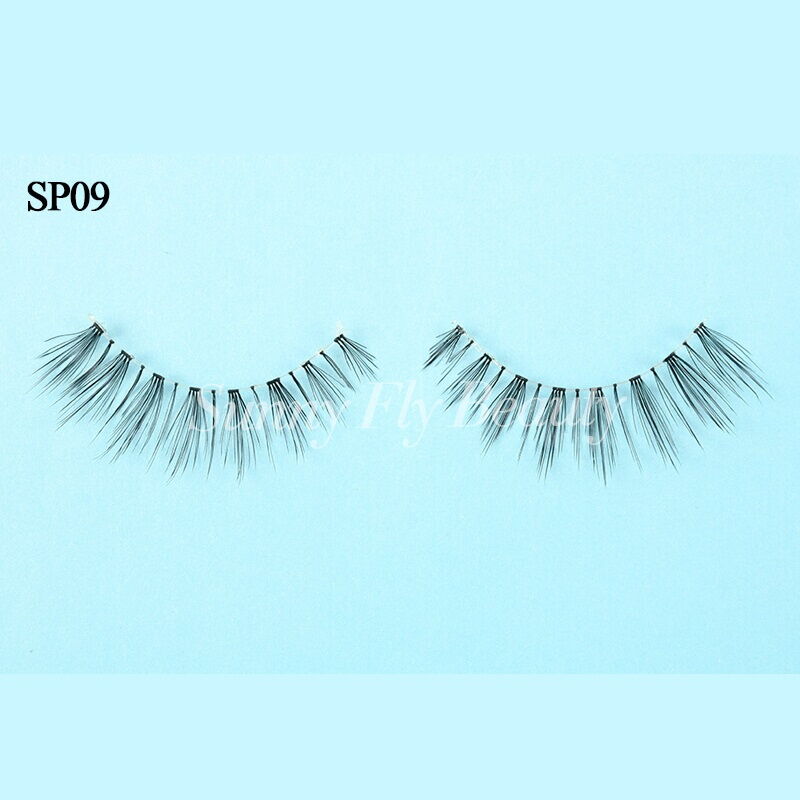
  • Color Cosmetics: Makeup for face, eyes, lips, and nails (foundation, lipstick, mascara, eyeshadow).

  • Fragrances: Perfumes, colognes, body mists, and scented personal care products.

  • Personal Hygiene: Soaps, shower gels, deodorants, oral care, shaving products.

  • Specialty & Professional: Salon-grade products, dermocosmetics (prescription or clinical skincare), men's grooming, and products for specific ethnicities.

By Price & Distribution Tier:

  • Mass/Prestige-Mass: Sold in drugstores, supermarkets, and mass retailers.

  • Prestige/Luxury: Sold in department stores, brand boutiques, and specialty retailers.

  • Professional: Sold through licensed professionals in salons and clinics.

  • Direct-to-Consumer (DTC)/Indie: Sold primarily online, often by independent brands.

III. Technology & Innovation Trends

  • Tech-Enabled Personalization & Diagnostics: Use of AI-powered skin analysis apps, at-home diagnostic devices, and DNA/ microbiome testing to recommend hyper-personalized product regimens.

  • "Skinimalism" & Multifunctional Products: Consumer demand for simplified routines and products that combine multiple benefits (e.g., makeup with skincare ingredients, SPF-infused moisturizers).

  • Sustainability & "Clean" Formulations: Intense focus on ingredient transparency, vegan/cruelty-free claims, sustainable sourcing, biodegradable packaging, and refillable systems.

  • Inclusive Beauty & Expanded Shade Ranges: Major push for broader foundation and concealer ranges across all skin tones, plus products designed for diverse hair textures and specific ethnic needs.

  • Digital & Social-First Discovery: TikTok, Instagram, and live-streaming shopping as primary channels for trendsetting, product discovery, and influencer-driven launches.

  • Biotech & Advanced Actives: Incorporation of lab-engineered ingredients, peptides, probiotics, and CBD into formulations for enhanced efficacy.

  • Beauty-Tech Devices: Growth of at-home devices for skincare (LED masks, microcurrent tools, cleansing brushes) and haircare (scalp massagers, hair growth lasers).

IV. Global Market Drivers

  • Social Media & Influencer Culture: Platforms drive rapid trend cycles, viral product launches, and create instant global demand. Authenticity and peer reviews are highly influential.

  • Self-Care & Wellness Integration: Beauty is increasingly viewed as an integral part of holistic health and mental well-being, driving demand for products with therapeutic or sensory benefits.

  • Rising Disposable Income in Emerging Markets: Growth of middle-class consumers in Asia-Pacific, Latin America, and the Middle East is a primary engine for global expansion, with strong cultural emphasis on grooming.

  • Aging Populations in Developed Markets: Demand for anti-aging skincare solutions and premium products that promise efficacy remains robust in mature markets.

  • E-commerce & Omnichannel Retail: The shift to online shopping is dominant, with seamless integration between social media, brand websites, and physical retail experiences (click-and-collect, in-store tech).

  • Gender Fluidity & Men's Grooming Expansion: Breaking traditional gender norms, with increased male participation in skincare and cosmetics, creating a high-growth segment.

V. Major Players & Value Chain

  • Leaders: Global Conglomerates: L'Oréal, Estée Lauder Companies, Procter & Gamble, Unilever, Shiseido, Coty. Prestige Standalones: LVMH (Perfumes & Cosmetics), Chanel, Dior. DTC/Indie Disruptors: Glossier, Fenty Beauty, The Ordinary, Drunk Elephant.

  • Value Chain: R&D & Raw Material Sourcing → Contract Manufacturing/In-house Production → Branding & Marketing → Distribution (Mass retailers, Prestige channels, E-commerce, Professional) → Consumer/Service Provision.

VI. Challenges & Opportunities

  • Challenges:

    • Extremely Short Product Lifecycles & Fad Risk: The pace of trend turnover is relentless, making inventory forecasting difficult and increasing the risk of markdowns.

    • Intense Competition & Market Saturation: An influx of new indie brands and private-label lines creates a crowded marketplace, pressuring margins.

    • Supply Chain Complexity & Ingredient Scarcity: Reliance on global sourcing for both natural and synthetic ingredients makes brands vulnerable to disruptions and price volatility.

    • Regulatory Scrutiny & "Greenwashing" Claims: Increasing regulatory pressure on marketing claims (e.g., "natural," "clinical results") and a skeptical consumer base demanding proof of sustainability claims.

    • Counterfeiting & Diversion: Prestige brands are highly vulnerable to counterfeit products and unauthorized sales channels (the "gray market"), damaging brand equity.

  • Opportunities:

    • Personalization at Scale: Leveraging data and technology to offer truly bespoke product formulations (custom-blended foundation, serums) and subscription models.

    • Holistic Wellness Platforms: Expanding from topical products into ingestible beauty (nutraceuticals), mental wellness apps, and services that address beauty from the inside out.

    • Augmented Reality (AR) & Virtual Try-On: Advanced AR technology for virtual makeup, hair color, and skincare simulations, enhancing online shopping confidence and engagement.

    • Growth in Emerging Categories: High-potential segments include microbiome-friendly skincare, scalp health, precision beauty devices, and gender-neutral fragrance.

    • Building Community & Content: Successful brands are evolving into media and community platforms, fostering deep loyalty through user-generated content, tutorials, and interactive brand experiences.

Beauty & Personal Care Product List

Filter by supplier:
Refine your results:
About results

Videos of Beauty & Personal Care

More About Beauty & Personal Care

Related searches of Beauty & Personal Care

Related Blogs of Beauty & Personal Care