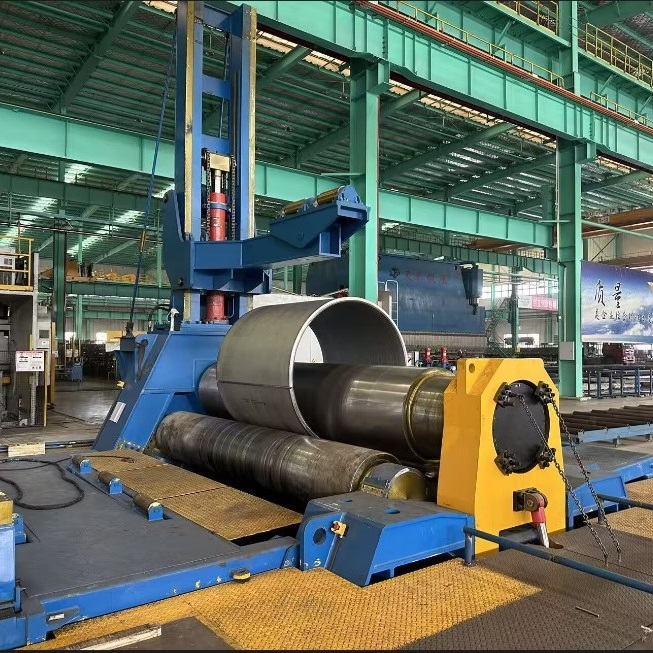
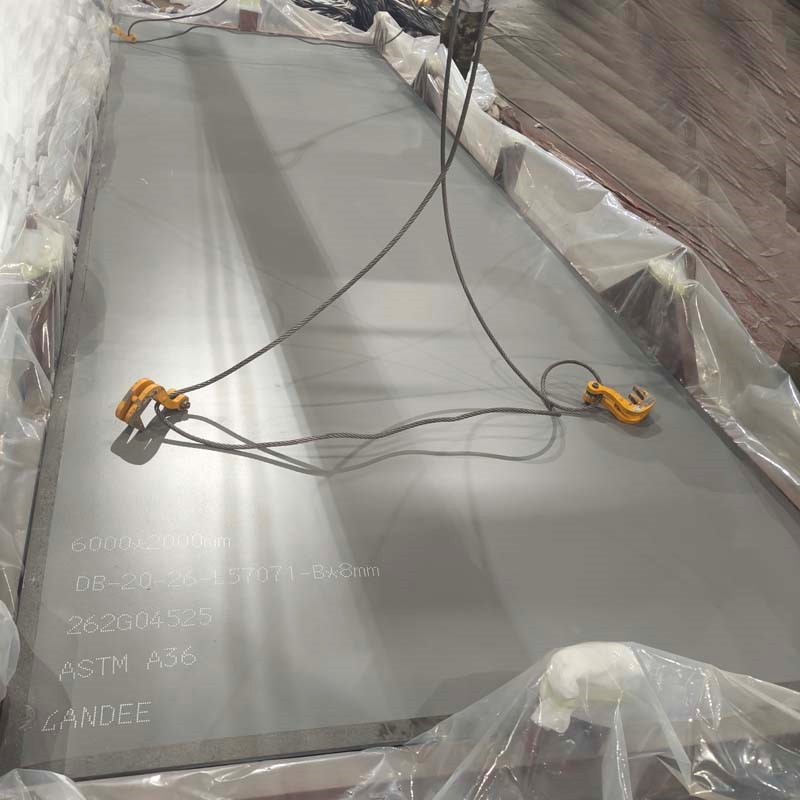
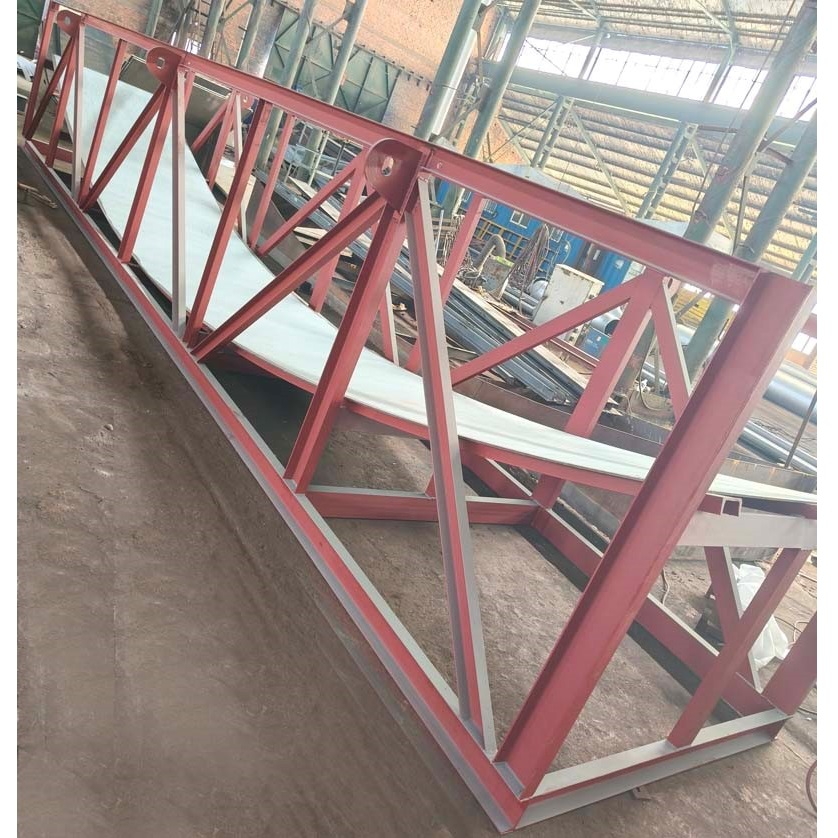
The Minerals & Metallurgy industry encompasses the exploration, extraction, processing, refining, and production of metallic and non-metallic minerals, as well as the primary manufacturing of basic metals and alloys. This sector forms the foundation of industrial civilization, supplying essential raw materials for construction, manufacturing, energy, and technology. Its scope spans from mining operations to complex metallurgical plants.
Metallic Minerals & Primary Metal Products:
Ferrous Metals: Iron ore, steel, stainless steel, ferroalloys.
Non-Ferrous Metals: Aluminum, copper, zinc, lead, nickel, tin.
Precious Metals: Gold, silver, platinum group metals.
Minor & Special Metals: Lithium, cobalt, rare earth elements, titanium.
Non-Metallic Minerals & Processed Materials:
Industrial Minerals: Silica sand, limestone, gypsum, phosphate, potash.
Construction Aggregates: Crushed stone, sand, gravel.
Refractory & Ceramic Materials: Magnesite, bauxite, kaolin.
Energy Minerals: Uranium (for nuclear fuel).
Automation and Digitalization: Deployment of autonomous haulage systems, remote-controlled drilling, and digital twin technology for mine planning and optimization. Use of AI and big data for predictive maintenance and resource modeling.
Advanced Processing and Refining: Development of hydrometallurgical and bioleaching techniques for lower-grade ores, and novel smelting technologies for improved energy efficiency and reduced emissions.
Sustainable Mining Practices: Implementation of water recycling systems, dry stacking of tailings, and in-situ leaching to minimize environmental footprint. Electrification of mining equipment.
Circular Economy Integration: Enhanced recycling of scrap metals (especially steel, aluminum, copper) and recovery of valuable elements from industrial waste and end-of-life products.
Advanced Materials Development: Production of high-purity metals, metal powders for additive manufacturing (3D printing), and specialized alloys for aerospace, electronics, and renewable energy applications.
Infrastructure Development and Urbanization: Large-scale construction projects in emerging economies drive massive demand for steel, cement, and construction aggregates.
Energy Transition and Electrification: Growth in renewable energy (solar, wind), electric vehicles, and grid storage creates surging demand for critical minerals like copper, lithium, cobalt, nickel, and rare earths.
Technological Advancement: Proliferation of consumer electronics, 5G networks, and advanced manufacturing increases demand for specialty metals and high-purity materials.
Geopolitical Factors and Supply Security: National policies focusing on securing supply chains for strategic minerals, leading to investment in domestic resources and strategic stockpiling.
Global Economic Growth Cycles: Industrial production levels directly correlate with demand for base metals like steel, aluminum, and copper.
Environmental Regulations: Stricter emissions standards push the industry towards cleaner production technologies and higher-quality raw material inputs.
Leading Companies: Diversified Miners: BHP, Rio Tinto, Glencore, Vale. Steel Producers: ArcelorMittal, China Baowu Steel Group, Nippon Steel. Aluminum Producers: Chinalco, Rusal, Alcoa. Specialty & Chemical Companies: Albemarle (lithium), Freeport-McMoRan (copper).
Industry Value Chain: Exploration & Resource Assessment → Mining & Extraction → Mineral Processing & Beneficiation → Metallurgical Processing & Refining → Primary Metal Forming (ingots, slabs) → Distribution to Downstream Manufacturers.
Challenges:
Capital Intensity and Cyclical Volatility: Extremely high upfront investment requirements combined with severe price cyclicality tied to global economic conditions.
Declining Ore Grades and Resource Depletion: Accessing new deposits often involves higher costs, greater technical complexity, and more remote or politically challenging locations.
Stringent Environmental and Social Governance: Increasing scrutiny on carbon footprint, water usage, biodiversity impact, and community relations requires substantial operational and capital adjustments.
Energy Intensity and Decarbonization Pressure: Smelting and refining are highly energy-intensive, facing immense pressure to transition to low-carbon energy sources.
Geopolitical and Regulatory Risks: Operations are subject to resource nationalism, export restrictions, and changing tax regimes in host countries.
Opportunities:
Critical Minerals for the Energy Transition: Leading suppliers of battery metals and rare earths are positioned for sustained growth driven by decarbonization policies.
Premium Green Metals Market: Developing certified low-carbon aluminum, green steel, and responsibly sourced metals to meet demand from sustainability-conscious end-users.
Technology-Enabled Productivity Gains: Leveraging automation, data analytics, and new extraction technologies to improve safety, lower costs, and extend mine life.
Urban Mining and Advanced Recycling: Building large-scale, efficient recycling ecosystems to recover metals from end-of-life vehicles, electronics, and infrastructure.
Vertical Integration and Downstream Partnerships: Moving further down the value chain into production of semi-finished or specialized products to capture more value.
Copyright © 2015-2026 China Manufacturers, CNMFRS.COM, All rights reserved.
谷歌优化(Google SEO)