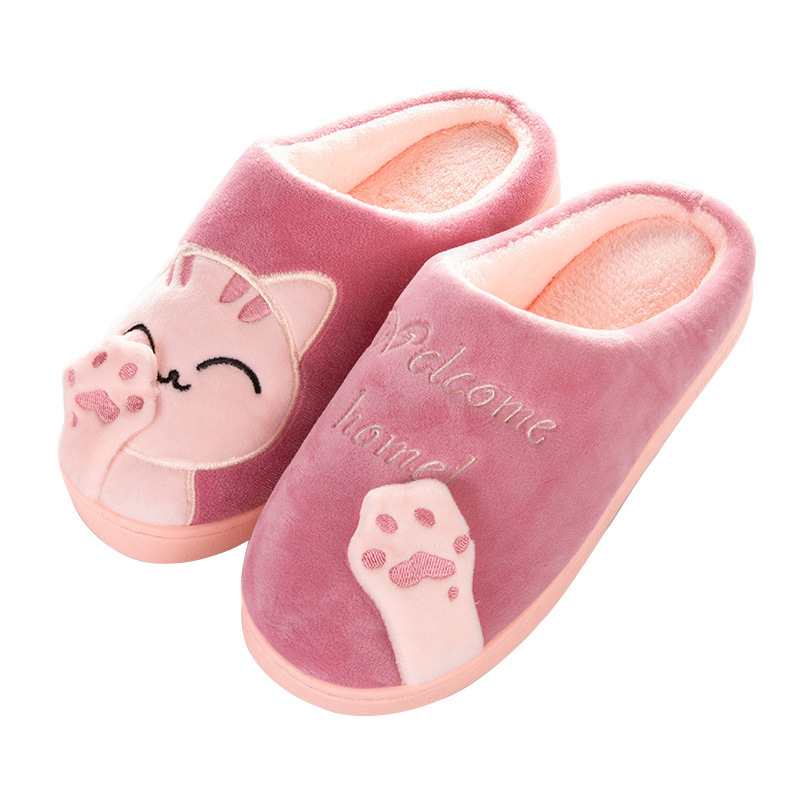
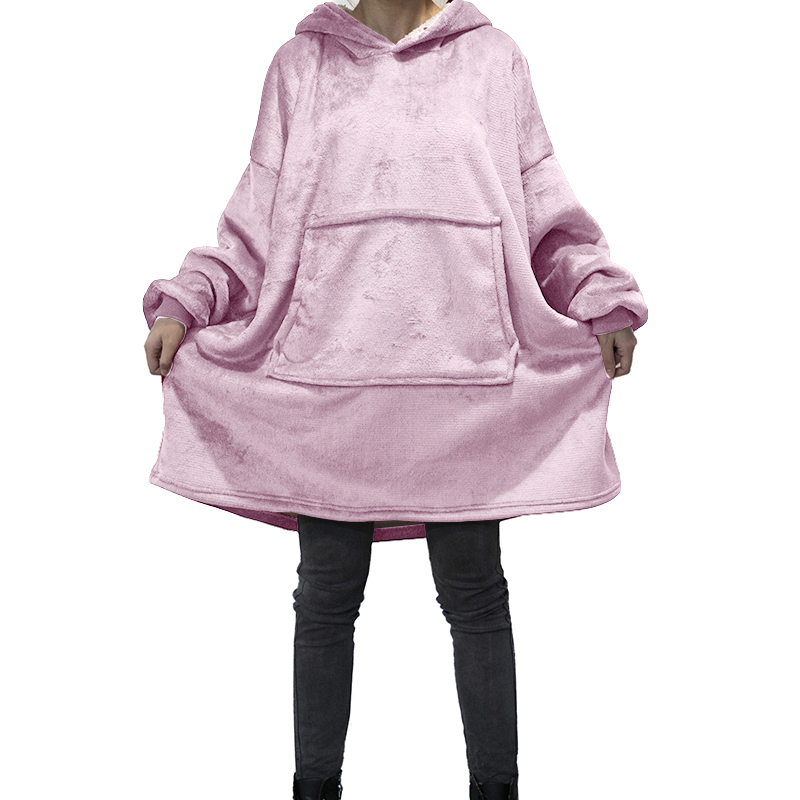
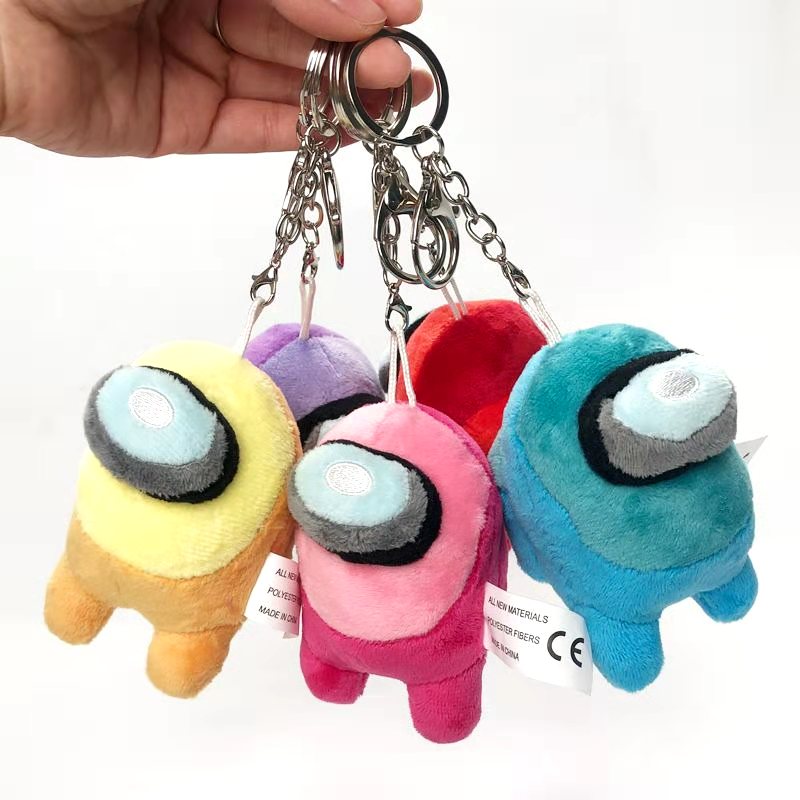
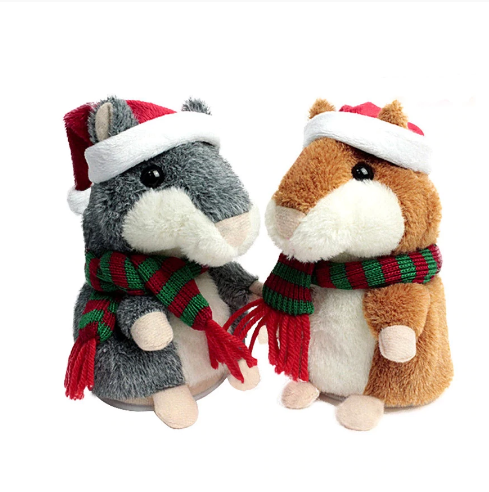
The Holiday Gifts Industry is a specialized, seasonal segment of the broader consumer goods and retail sector, dedicated to the design, production, marketing, and sale of products intended for gifting during specific cultural, religious, and national holidays. It is a highly time-sensitive, emotionally-driven, and marketing-intensive industry that serves as a critical sales period for retailers and brands across multiple product categories.
Major Western Holidays:
Christmas (December 25th): The largest gift-giving season globally.
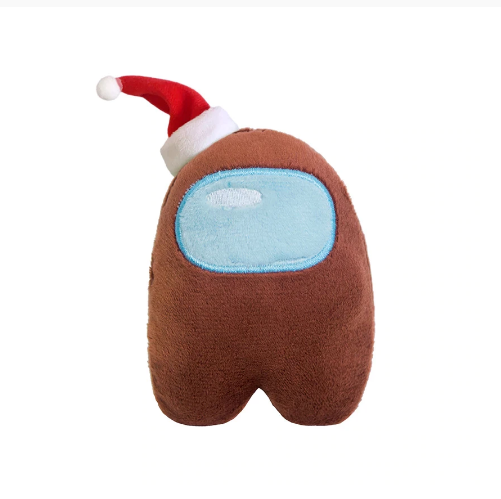
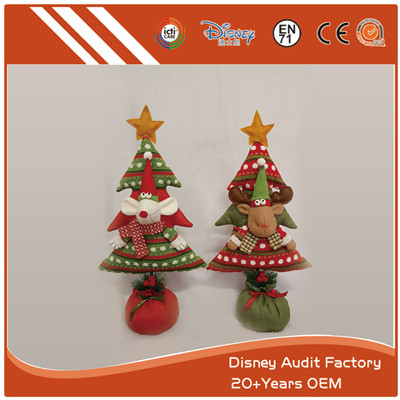
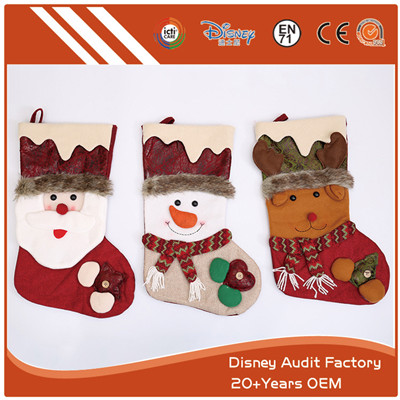
Products: Decorated trees, ornaments, lights, toys, electronics, apparel, gourmet food/baskets, gift cards, Christmas stockings.
Valentine's Day (February 14th): Focuses on romantic gifts.
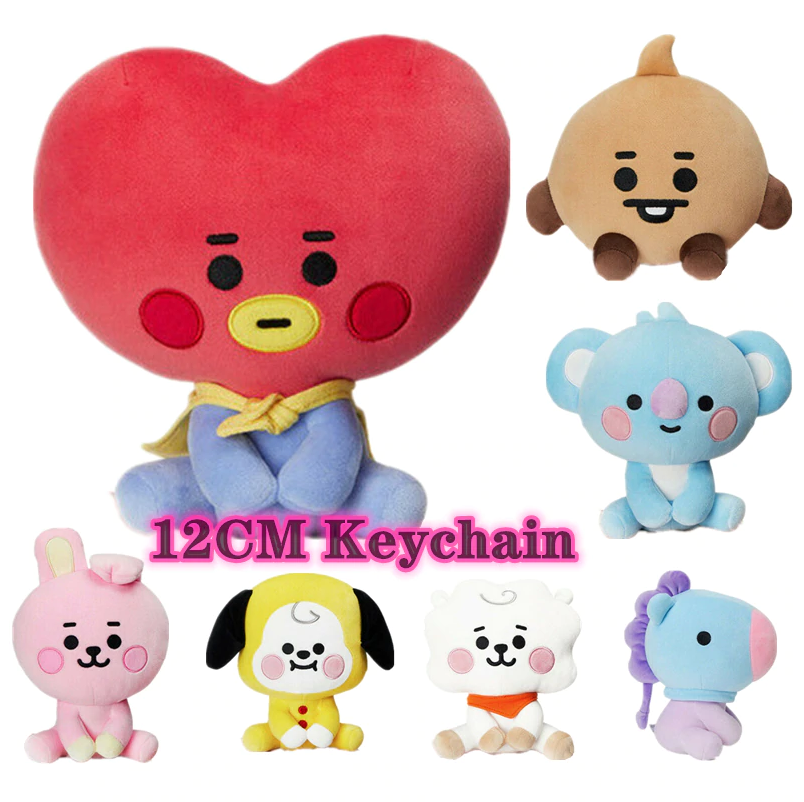
Products: Flowers (especially roses), chocolates, jewelry, greeting cards, romantic experiences, plush toys.
Easter (Spring): Often involves children and family.
Products: Chocolate eggs/bunnies, Easter baskets, stuffed animals, spring-themed decor, candy.
Halloween (October 31st): Focus on costumes and treats.
Products: Costumes, candy, decorations, party supplies.
Major Chinese Holidays:
Chinese New Year / Spring Festival (Lunar Calendar): The most important gifting season in China.
Products: "Hongbao" (red envelopes) with money, premium food/snack gift boxes (nuts, candies), alcohol (baijiu, wine), tea, health supplements, festive decor.
Mid-Autumn Festival (Lunar Calendar):
Products: Mooncake gift boxes in various flavors and premium packaging.
Lantern Festival, Dragon Boat Festival:
Products: Specialized food gifts (sweet rice balls, zongzi) and themed items.
Other Global & Cultural Holidays:
Diwali (India): Gifts of sweets, dry fruits, decorative items, gold.
Eid al-Fitr (Muslim World): Gifts of clothes, sweets, money (Eidi).
Mother's Day / Father's Day: Personalized and sentimental gifts.
Year-End/New Year (Global): Corporate gifts, calendars, diaries, premium items.
Upstream:
Raw Material Suppliers: Providers of paper/cardboard (for packaging), plastics, textiles, metals (for jewelry), cocoa/sugar (for confectionery), etc.
Manufacturers & OEMs/ODMs: Factories producing toys, electronics, apparel, food items, decorations, and packaging. Major global production hubs (e.g., China, Southeast Asia) are crucial.
Artists & Designers: Creators of unique, artisanal, or licensed (character/IP) gift items.
Midstream:
Brand Owners & Licensors: Companies like Hallmark (cards), LEGO (toys), Godiva (chocolates), and Disney (character merchandise). They own the products/brands that become holiday staples.
Importers, Distributors & Wholesalers: Manage logistics, warehousing, and B2B sales to get products to retailers in time for the season.
Packaging Specialists: Companies focused on designing and producing festive, attractive gift boxes, wrapping paper, ribbons, and bags.
Downstream:
Retail Channels:
Mass Merchandisers & Department Stores: Walmart, Target, Macy's – key for volume sales.
Specialty Gift & Holiday Stores: Temporary pop-ups (e.g., Spirit Halloween) or year-round shops.
E-commerce Giants: Amazon, Alibaba's Tmall – increasingly dominant, especially for convenience and assortment.
Supermarkets & Pharmacies: For last-minute gifts, cards, candy, and flowers.
Corporate Gifting & Promotional Sector: B2B companies that curate and distribute gifts from businesses to employees and clients.
End Consumers: Individuals and families purchasing gifts for loved ones, colleagues, and friends.
Extreme Seasonality & Compressed Timeline: The entire year's planning and production culminate in a short, intense sales window (e.g., Q4 for Christmas). Inventory forecasting is high-risk.
Emotional & Social Driver: Purchases are driven by tradition, love, obligation, and social norms, not just need. Gifts carry symbolic meaning.
Marketing & "Gift-Giving Guide" Culture: Heavy reliance on advertising, catalogs, curated gift guides, and influencer recommendations to inspire and guide purchases.
Price Elasticity & Promotions: Black Friday, Cyber Monday, and pre-holiday sales are pivotal events. Consumers are deal-sensitive but also willing to splurge on "perfect" gifts.
The Experience Gifting Trend: Growing demand for gifting experiences (travel, spa days, classes, concert tickets) over physical items.
Personalization & Customization:
Growth of gifts with engraved names, monograms, custom messages, or photo integration, enabled by digital printing and on-demand manufacturing.
E-commerce & Omnichannel Dominance:
Rise of "click-and-collect," last-minute delivery guarantees, and gift-wrapping services online. Social commerce (gift ideas on Instagram/Pinterest) drives discovery.
Sustainability & Conscious Gifting:
Demand for eco-friendly materials, minimal/plastic-free packaging, ethically sourced products, and gifts that support social causes. "Experiences" are also seen as sustainable.
Subscription & Curation Models:
Popularity of gift subscription boxes (for food, beauty, books) and curated gift sets selected by experts or algorithms.
Blurring of Retail & Entertainment:
Retail as an experience with in-store events, Santa visits, and immersive holiday displays to drive foot traffic and emotional engagement.
Challenges:
Supply Chain Volatility: Ensuring timely production and delivery amid global logistics disruptions is the perennial top challenge.
Intense Competition & Price Wars: Saturation in many categories leads to margin pressure, especially for undifferentiated products.
Changing Consumer Values: Younger generations may prioritize experiences, sustainability, or opt-out of traditional gift-giving, challenging established models.
Inventory Risk & Markdowns: Overstock leads to deep post-holiday discounts, eroding profits.
Opportunities:
Data-Driven Personalization: Using customer data to suggest highly relevant gifts, improving conversion and customer satisfaction.
Niche & DTC (Direct-to-Consumer) Brands: Artisanal, local, or mission-driven brands can capture market share by telling compelling stories and offering unique products.
Technology Integration: Augmented Reality (AR) for "trying on" gifts virtually, blockchain for verifying authenticity of luxury/premium gifts.
Corporate Gifting as a Service: Providing fully managed, scalable, and personalized corporate gifting solutions is a high-growth B2B opportunity.
Globalization of Holidays: Western holidays (Christmas, Valentine's Day) gaining popularity in Asia, and vice-versa (Chinese New Year gifts in Western countries), creating new cross-cultural markets.