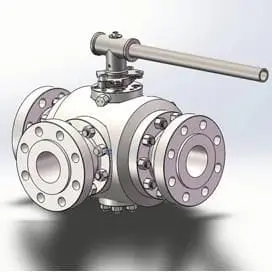
Manual valves are essential components used for direct human-operated control of fluid flow in pipelines carrying water, oil, gas, steam, and various industrial media. Operated through handwheels, levers, or gears without external power, they provide reliable on/off isolation and, in some cases, basic throttling control. Known for their simple structure, operational reliability, and cost-effectiveness, they are widely used in oil and gas, petrochemical, power generation, water treatment, and general industrial systems.
CNMFRS.com offers a comprehensive selection of manual valve solutions designed for different operating conditions and system requirements. The range includes manual gate valves, globe valves, ball valves, butterfly valves, plug valves, and diaphragm valves, supported by various actuation mechanisms such as handwheel, lever, and gear-operated designs. These valves are available in materials such as stainless steel, carbon steel, ductile iron, and alloy-based materials, with flexible configurations for pressure ratings, end connections, and sealing options to ensure dependable performance across diverse applications.
As a leading manual valves online marketplace in China, CNMFRS.com connects global buyers with trusted Chinese manufacturers and suppliers offering high-quality manual valves engineered for safe operation, long service life, and consistent industrial performance.
Explore our comprehensive range of manual valves, available in multiple types, materials, sizes, pressure ratings, actuation methods, and configuration options to meet the requirements of diverse industrial fluid control systems.
Manual Valves Product List
Manual valves are fundamental flow control devices operated by direct human intervention rather than electrical, pneumatic, or hydraulic actuators. They are designed to start, stop, regulate, or isolate fluid flow in piping systems using mechanical force applied through a handwheel, lever, gear mechanism, or similar manual operator. Due to their simplicity, reliability, and cost-effectiveness, manual valves remain one of the most widely used valve categories across industrial, commercial, and residential applications.
Operating Principle of Manual Valves
Manual valves operate through mechanical motion transmitted from an operator to the valve’s internal closing element:
- Turning a handwheel rotates a threaded stem or gear mechanism
- Moving a lever directly shifts the valve position (common in ball and plug valves)
- Rotational or linear motion adjusts the flow passage inside the valve body
This motion changes the flow area inside the valve, thereby controlling pressure drop and flow rate.
Main Components of Manual Valves
Although designs vary, most manual valves share a common structural framework:
- Valve body: Pressure-containing housing that directs flow
- Bonnet: Seals the valve and supports internal components
- Stem: Transmits manual force to the closure element
- Handwheel or lever: Provides operator control input
- Disc/plug/ball/gate: Controls opening and closing of flow passage
- Seat: Provides sealing surface for tight shutoff
- Packing system: Prevents leakage along the stem
- Gaskets and seals: Ensure pressure integrity and leak prevention
These components work together to ensure controlled and safe operation.
Types of Manual Valves
Manual valves are available in multiple designs, each suited for specific flow control requirements:
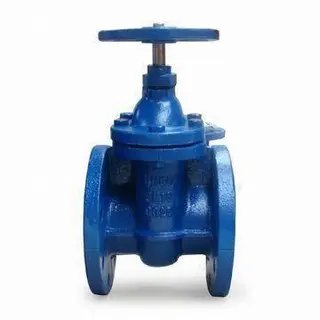
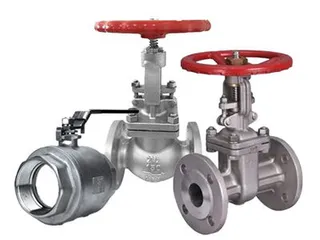
- Gate Valves: Used primarily for full open or full close service. They provide minimal pressure drop when fully open but are not suitable for throttling.
- Globe Valves: Designed for precise flow regulation and throttling. The internal disc moves perpendicular to flow, allowing fine control.
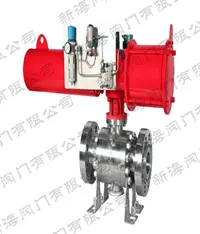
- Ball Valves: Use a rotating ball with a bore through it. A 90° turn provides quick on/off operation with tight sealing.
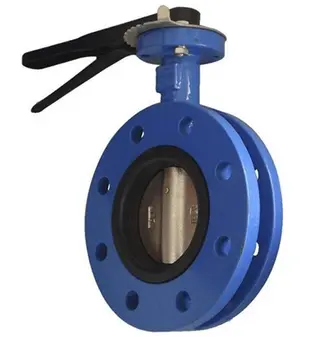
- Butterfly Valves: Compact valves that use a rotating disc for flow control, commonly used in large-diameter pipelines.
- Plug Valves: Use a cylindrical or tapered plug to control flow, suitable for quick operation and moderate throttling.
- Needle Valves: Designed for fine, precise flow control in instrumentation and low-flow systems.
Materials Used in Manual Valves
Material selection depends on pressure, temperature, and fluid characteristics:
- Brass: Common in plumbing and water systems
- Cast iron: Used in water distribution and HVAC systems
- Carbon steel: Suitable for general industrial applications
- Stainless steel: Ideal for corrosive, hygienic, or high-performance systems
- Alloy steels: Used in high-temperature and high-pressure environments
- Plastic (PVC, CPVC, PTFE): Used in chemical and low-pressure systems
Proper material selection ensures long-term durability and safe operation.
Applications of Manual Valves
Manual valves are used across a broad range of industries:
- Residential plumbing systems
- Water supply and distribution networks
- HVAC systems (heating and cooling circuits)
- Oil and gas pipelines (non-automated sections)
- Chemical processing plants (isolation points)
- Fire protection systems
- Power plants and boiler systems
- Irrigation and agricultural systems
Their versatility makes them essential in both simple and complex installations.
Advantages of Manual Valves
Manual valves offer several key benefits:
- No external power required
- Simple and reliable operation
- Low installation and maintenance cost
- High durability and long service life
- Easy to operate and repair
- Suitable for emergency isolation
- Wide range of sizes and materials available
These advantages make them the default choice for many basic flow control tasks.
Limitations of Manual Valves
Despite their reliability, manual valves have some limitations:
- Require physical operator presence
- Not suitable for automated or remote control systems
- Slower response compared to actuated valves
- Operator fatigue in large or high-pressure systems
- Limited precision in some throttling applications (depending on type)
For automated systems, they are often supplemented with electric or pneumatic valves.
Manual valves remain one of the most essential components in fluid control systems due to their simplicity, robustness, and versatility. They provide reliable isolation and flow regulation across a wide range of industries without the need for external power or complex control systems. While they lack automation capability, their durability, cost-effectiveness, and ease of maintenance ensure they continue to play a critical role in modern piping and process infrastructure.