
Guide to Valve Applications in the Oil and Gas Industry
The oil and gas industry occupies a critical position in global economic development. Its production processes are complex, encompassing extraction, transportation, refining, and distribution. Within these processes, valves are indispensable core components. Valves not only regulate the flow of fluids and gases but also directly affect production safety, operational efficiency, and environmental protection. This article provides a detailed explanation of the fundamental functions of valves, the challenges faced by the industry, technological innovations, and applications across upstream, midstream, and downstream operations, helping readers gain a comprehensive understanding of valve applications in the oil and gas sector.
Fundamental Role of Valves in the Oil and Gas Industry
Valves are not merely mechanical devices for controlling fluid flow; they are critical equipment ensuring production safety and operational efficiency in the oil and gas industry. This section introduces valves from two perspectives: core functions and their role in safeguarding safety and efficiency.
1. Core Functions of Valves
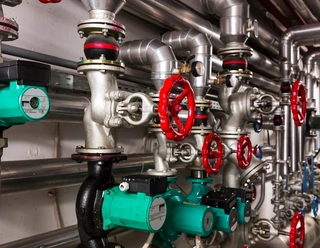
In oil and gas operations, the primary function of valves is to regulate and manage the flow of fluids and gases. Whether dealing with crude oil, natural gas, or refined products, transportation through pipelines is essential. Valves control flow and pressure by opening, closing, or partially opening, ensuring each stage of production operates according to design specifications. Valves are indispensable in extraction, pipeline transportation, refining, and distribution stages.
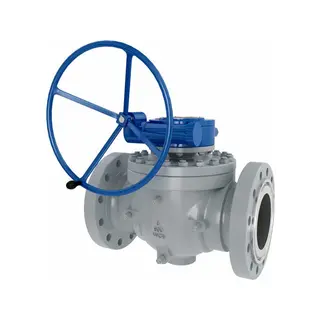
Common types of valves include gate valves, ball valves, globe valves, and butterfly valves. Each valve type has a unique design and structure, suitable for different operating conditions and functional requirements. For instance, gate valves are ideal for fully open or fully closed operations, ball valves offer superior sealing performance, globe valves are suitable for flow regulation, and butterfly valves are effective for controlling flow in large-diameter pipelines.
2. Valves as Guardians of Safety and Efficiency
Valves are not just mechanical devices; they are protectors of safety and efficiency. In oil and gas facilities, valves must operate reliably in high-pressure, high-temperature, and corrosive environments over extended periods. Valve failure can lead to medium leakage, fires, explosions, and other severe accidents. Therefore, reliability and sealing performance are directly linked to personnel safety, equipment protection, and environmental security.
Furthermore, precise valve control optimizes production processes. Control valves can automatically adjust flow and pressure according to system demands, reducing energy waste and improving overall operational efficiency. In pipeline systems, valves also perform specialized functions such as isolation, backflow prevention, and pressure relief, ensuring stable and safe pipeline operation.
Major Challenges for Valves in the Oil and Gas Industry
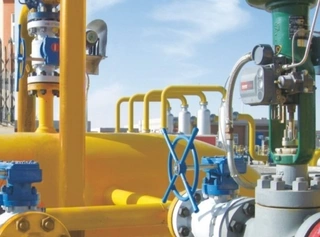
The unique operating conditions of the oil and gas industry present significant challenges for valve applications. These challenges include harsh working environments, high-pressure and high-temperature conditions, corrosion and erosion issues, and increasingly stringent safety and environmental requirements. Understanding these challenges is crucial for making informed decisions in valve selection and application.
1. Harsh Operating Environments
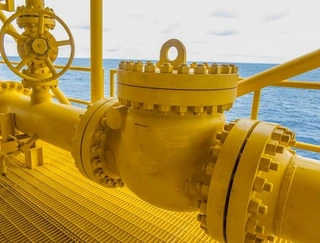
Oil and gas facilities are often located in remote or extreme environments. Offshore platforms must withstand seawater corrosion and high humidity; desert regions face extreme heat and sandstorms; and Arctic areas contend with freezing temperatures and ice coverage. Such extreme conditions demand high performance from valve materials, structures, and designs. Valves must maintain optimal functionality under extreme temperatures, corrosive substances, and high pressures without failure.
2. High-Pressure and High-Temperature Conditions
High pressure is common in the oil and gas industry. From underground extraction to long-distance pipeline transport, the medium is typically under significant pressure. Valves must endure high pressures while maintaining perfect sealing to prevent leaks and potential explosions. In certain refining processes, valves also face high-temperature conditions. Inadequate material selection or design can lead to seal failure, structural deformation, or even rupture.
3. Corrosion and Erosion Challenges
Crude oil and natural gas often contain corrosive elements such as hydrogen sulfide and carbon dioxide, which chemically attack valve materials. Additionally, solid particles in the medium can cause erosive wear at high flow velocities, gradually damaging internal valve components. Corrosion and erosion reduce structural strength, compromise sealing performance, and may ultimately cause malfunction or leakage. Selecting appropriate materials and surface treatment technologies is therefore essential.
4. Safety and Environmental Requirements
Safety is paramount in the oil and gas sector. Valve failure can result in gas leaks, fires, explosions, and environmental hazards. With increasingly stringent environmental regulations, minimizing leaks and emissions has become an important industry goal. Valve design, manufacturing, installation, and maintenance must meet strict safety standards, ensuring timely response during abnormal conditions to prevent accident escalation.
Valve Types and Functions in Oil and Gas Pipeline Systems
In oil and gas pipeline systems, different types of valves serve distinct functional roles. Isolation valves cut off flow, control valves regulate flow and pressure precisely, check valves prevent backflow, pressure relief valves automatically release excess pressure, and emergency shut-off valves quickly stop flow in hazardous situations. Understanding each valve’s characteristics and applicable scenarios is fundamental for proper selection.
1. Isolation Valves
Isolation valves act as “gatekeepers” in pipeline systems. During maintenance or emergencies, they can cut off flow in specific pipeline sections, protecting other parts of the system and ensuring personnel safety. Common types include gate valves, ball valves, and butterfly valves, providing reliable closure to prevent fluid leakage. Their quick-closing capability is critical during accident response.
2. Control Valves
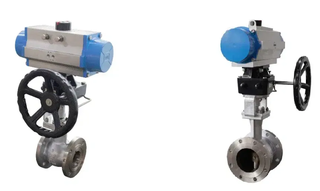
Control valves, equipped with advanced actuators, can precisely adjust flow and pressure. In oil and gas pipelines, control valves optimize transport efficiency, maintaining medium flow at appropriate speed and pressure. Automatic adjustment enables adaptation to varying production loads, reducing energy consumption and enhancing overall pipeline efficiency. In refining operations, control valves are central to optimizing operating parameters and boosting productivity.
3. Check Valves
Check valves prevent backflow. Reverse flow can damage equipment, cause contamination, or result in abnormal pressures. By allowing flow in only one direction, check valves maintain system integrity. They are particularly important in long-distance pipelines and pump station systems for protecting critical equipment.
4. Pressure Relief Valves
Pressure relief valves are safety devices in pipeline systems. When pressure exceeds set limits, they open automatically to release excess pressure, preventing pipeline rupture or explosion. These valves are crucial in high-pressure environments, protecting pipelines, equipment, and surroundings, serving as the last line of defense against catastrophic accidents.
5. Emergency Shut-Off Valves
Emergency shut-off valves (ESVs) can automatically close under critical conditions to quickly stop flow. They are typically integrated with sensors and control systems, closing within seconds upon detecting leaks, fire, or other hazards, preventing accident escalation. ESVs are widely used at wellheads, key pipeline nodes, and storage and transportation facilities, ensuring the safety of personnel, equipment, and the environment.
Valve Applications Across the Oil and Gas Supply Chain
The oil and gas supply chain comprises upstream extraction, midstream transportation, and downstream refining and distribution. Each stage has specific valve requirements: upstream emphasizes high pressure and corrosion resistance, midstream focuses on long-distance operational reliability, and downstream prioritizes precise control and sanitary standards.
1. Upstream Operations
Upstream operations involve surface extraction of oil and gas. Wellhead and gathering systems rely on valves to control crude oil and gas flow toward initial processing facilities. Wellhead valves must withstand high pressures and corrosive media while ensuring excellent sealing. Valves in gathering systems regulate flow, distribute medium, and maintain stability and system safety. Harsh upstream environments demand high reliability and long service life.
2. Midstream Transportation
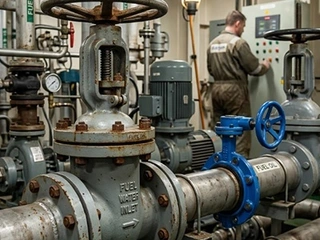
Midstream operations involve long-distance transport and distribution. Valves regulate flow and maintain pressure across pipeline networks spanning diverse terrains and climates. Pump stations, compressor stations, and metering stations rely heavily on valves for control and isolation. Reliable valve operation directly impacts transportation efficiency and safety.
3. Downstream Refining and Distribution
Downstream processes convert oil into fuels and refined products. Valves participate in various refining operations, including distillation, catalytic processing, and hydrogenation. Control valves play a central role in optimizing operations and improving efficiency. During product transfer and distribution, valves control loading, storage, and transport, ensuring product quality and supply security. Precision control and sanitary standards are especially critical in downstream applications.
Valves and Sustainable Development
As the global energy industry transitions toward sustainability, valves increasingly contribute to environmental protection and energy efficiency. By preventing leaks, optimizing operation, and using eco-friendly materials with recycling potential, valve technology supports the sector’s green transformation.
1. Leak Prevention and Environmental Risk Reduction
Effective valve design and regular maintenance prevent leaks, reducing environmental risks. Smart valves enable real-time monitoring, identifying potential leaks early and accelerating emergency response. Undetected minor leaks can lead to severe soil and water contamination over time. High-precision sensors and automated monitoring help promptly detect and mitigate leak points, minimizing environmental impact.
2. Energy Saving and Efficiency Optimization
Optimizing valve operation improves energy efficiency. Control valves maintain flow and pressure with minimal energy use, avoiding unnecessary waste. In large pipeline systems, optimizing valve control strategies significantly reduces pump and compressor energy consumption. Low-resistance valve designs further minimize pressure loss during transport, lowering overall operational costs.
3. Eco-Friendly Materials and Recycling
Applying eco-friendly materials, recycling valve components, and proper disposal enhance manufacturing and operational sustainability. Manufacturers consider material recyclability and minimize hazardous substances in design and production. Recycling and reusing obsolete valves also reduces resource consumption and waste generation.
Selecting Suitable Valves for Oil and Gas Applications
After understanding valve types, challenges, applications, and technology trends, selecting the right valve for specific projects is essential. Selection decisions should consider process environment, testing and certification requirements, maintenance convenience, and supplier support.
1. Selecting Valve Types Based on Process Conditions
Choosing appropriate valves is critical for safe and efficient operation. Decisions affect performance significantly. Selection should consider medium characteristics, pressure rating, temperature range, and flow requirements. Valves unsuitable for operating conditions compromise efficiency and safety.
2. Focus on Testing and Certification
Testing and certification ensure quality. Users should prioritize valves compliant with API, ISO, and other international standards, reviewing manufacturer test reports and certifications. For critical applications, such as high-pressure pipelines and emergency shut-off systems, selecting rigorously validated high-reliability valves is essential.
3. Maintenance Convenience and Supplier Support
Valve maintenance impacts long-term operational costs. Modular designs, standardized spare parts, and robust supplier support are important considerations. Facilities in remote areas particularly require reliable supplier networks to ensure timely access to parts and technical service.
Conclusion
Valves play an irreplaceable role in the oil and gas industry. From upstream extraction to downstream distribution, from pipeline transport to refining processes, valves are integral to ensuring safe and efficient fluid control. Facing challenges such as harsh environments, high-pressure conditions, and corrosive media, the valve industry continuously enhances performance through material innovation, smart technologies, and predictive maintenance. As the global energy sector transitions toward sustainability, valves increasingly contribute to environmental protection and energy efficiency. For industry professionals, understanding valve functions, challenges, and development trends supports informed decisions, safeguards production, improves operational efficiency, and promotes healthy industry development.
Send your message to this supplier
Related Articles from the Supplier
Guide to Valve Performance and Selection
- Oct 10, 2025
Guide to Valve Electric Actuator Selection
- Nov 05, 2025
Guide to Valve Stem Packing Materials
- Feb 11, 2026
Guide to Industrial Valve Pressure Testing
- Jan 14, 2026
Related Articles from China Manufacturers
Related Products Mentioned in the Article

Zhejiang Kosen Valve Co., Ltd.
- https://www.kosenvalve.com/
- Business Type: Industry & Trading, Manufacturer,
Supplier Website
Source: https://www.kosenvalve.com/media-hub/guide-to-valve-applications-in-the-oil-and-gas-industry.html