
Complete Guide to Three-Way Plug Valve
In industrial pipeline systems, fluid control is often not limited to simple start and stop operations. In many applications, the system must also redirect flow direction, distribute a single fluid stream into two different pipelines, or mix two separate media into one stream. If conventional globe valves or gate valves are used for these functions, multiple valves and extensive piping arrangements are required. This not only increases system complexity but also takes up additional installation space and introduces more potential leakage points.
The three-way plug valve is designed specifically to address these challenges. It integrates three flow ports within a compact valve body. By rotating the internal plug, operators can switch, distribute, or mix flow paths between different pipelines. In this way, a single valve can replace multiple conventional valves, simplifying piping layout, reducing connection points, and enabling more efficient flow direction control.
This article provides a detailed explanation of the working principle, structural types, key advantages, application industries, selection criteria, and installation guidelines of three-way plug valves, helping readers fully understand this type of multi-port flow control valve and make proper selection decisions.
What Is a Three-Way Plug Valve?
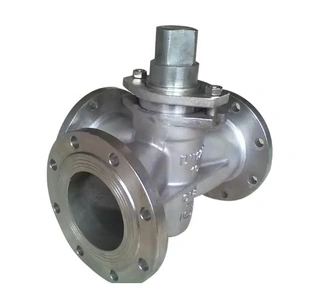
A three-way plug valve is a type of flow control valve used in industrial piping systems. It consists of a valve body with three connection ports and an internal rotatable plug. The plug is typically designed in a tapered or cylindrical shape and contains specifically engineered flow passages inside.
By rotating the plug, the flow path between different ports can be changed. This allows the valve to redirect flow, combine flow streams, or isolate different pipeline sections within a single compact unit.
The design purpose of a three-way plug valve is to solve practical engineering challenges where a system requires not only simple on-off control, but also flow diversion, mixing, or multi-line switching. Compared with installing multiple standard valves, a three-way plug valve provides a more compact and efficient solution while maintaining reliable performance.
Three-way plug valves are widely used across industries such as oil and gas, chemical processing, food and beverage, pharmaceuticals, power generation, and water treatment. They are suitable for handling a wide range of media, including water, air, steam, oil, and gases in various pipeline and storage systems.
Working Principle of Three-Way Plug Valve
The working principle of a three-way plug valve is based on the rotational movement of the internal plug. The valve body is equipped with three ports, where two are typically connected to inlet and outlet pipelines, and the third may serve as a bypass or discharge line depending on system design.
The internal plug is machined with specific flow channel configurations. When the plug is rotated to different positions, these internal passages align with different ports, thereby changing the flow direction inside the valve.
Through plug rotation, the valve can achieve several functional operations:
- Changing the connection state between different ports by opening or closing flow paths
- Diverting a single inlet flow into two separate outlet lines
- Combining two inlet flows into a single outlet stream
- Isolating one port while allowing other ports to remain in operation
Depending on the structural design, the plug typically rotates either 90° or 180° to complete flow switching. Some valves are operated manually using a handle or lever, while larger or more complex systems may use gear operators or automated actuators to achieve more precise flow control.
Main Types of Three-Way Plug Valves
Based on internal flow passage design, three-way plug valves are generally classified into two common types: T-port configuration and L-port configuration. The difference in internal flow geometry directly determines how the valve behaves in a piping system.
1. T-Port Plug Valve
The T-port plug valve is equipped with a T-shaped internal flow passage. This design allows multiple flow connection modes within the same valve.
It can:
- Split a single inlet stream into two separate outlet lines
- Combine two inlet streams into a single outlet line
In certain rotational positions, allow all three ports to be interconnected simultaneously depending on design configuration
Because of these characteristics, T-port plug valves are commonly used in applications such as:
- Flow distribution systems
- Fluid blending or mixing processes
- Complex pipeline switching and multi-directional flow control systems
2. L-Port Plug Valve
The L-port plug valve features an L-shaped internal flow passage. This configuration allows only two ports to be connected at any given time, while the third port remains isolated.
Its primary function is to switch flow between two different pipeline directions without allowing cross-mixing of media.
Typical applications include:
- Switching flow between two separate pipeline routes
- Bypass line control systems
- Applications where simultaneous three-port communication is not required
The selection between T-port and L-port configurations should be based on actual process requirements. Flow diagrams provided by manufacturers are typically used to determine port connectivity under different plug positions.
Key Advantages of Three-Way Plug Valves
Three-way plug valves offer several significant advantages compared to conventional single-function valves. These advantages are mainly reflected in system design, operational efficiency, and maintenance performance.
1. Reduced System Complexity and Fewer Leakage Points
A single three-way plug valve can replace multiple traditional shut-off valves. By reducing the number of valves, pipe fittings, and flange connections, the overall number of potential leakage points in the system is significantly reduced. This contributes to improved long-term system reliability and safety.
2. Space-Saving Design
In industrial piping layouts, installation space is often limited. By replacing multiple valves with a single three-way plug valve, overall system footprint is reduced. This advantage is particularly important in skid-mounted systems, compact equipment packages, and confined mechanical rooms.
3. Simplified Automation Control
With fewer individual valves to control, system automation becomes more efficient. A single actuator can manage multiple flow paths through one valve body, enabling centralized and simplified flow control operations in automated systems.
4. Easier Maintenance
Reducing the total number of valves in a system directly reduces maintenance workload. In many designs, three-way plug valves also support in-line maintenance, allowing inspection or lubrication without complete removal from the pipeline.
5. Good Sealing Performance
Due to the precision fit between the plug and valve body, sealing performance is generally reliable. The valve structure allows stable isolation between different flow paths and minimizes internal leakage under normal operating conditions.
Typical Applications for Three-way Plug Valves
Three-way plug valves are widely used across multiple industrial sectors due to their flexibility in flow control.
1. Chemical and Petrochemical Industry
In chemical processing systems, three-way plug valves are used for mixing, separation, and flow switching of different chemical media. Their design helps reduce dead zones and minimizes the risk of cross-contamination between fluids. For corrosive applications, PTFE-lined or stainless steel materials are commonly selected.
2. Water Treatment Systems
In water treatment facilities, three-way plug valves are used to direct water flow between filtration units, storage tanks, and bypass lines. Depending on system requirements, materials such as ductile iron, bronze, or corrosion-resistant alloys may be used to ensure long service life.
3. HVAC and Building Automation Systems
In heating, ventilation, and air conditioning systems, multi-port valves are used to control the distribution of hot and cold water between different zones. A single three-way plug valve can replace multiple shut-off valves, reducing system complexity and actuator requirements while improving energy control efficiency.
4. Food and Beverage Industry
Sanitary-grade three-way plug valves are widely used for product flow switching and CIP (clean-in-place) systems. Fast switching capability helps reduce downtime between production batches, while hygienic design ensures compliance with industry standards.
5. Oil and Gas Industry
High-pressure three-way plug valves are commonly used in oil and gas pipeline systems. These valves are designed to withstand high operating pressures while maintaining reliable flow control and operational safety under demanding conditions.
How to Select a Suitable Three-Way Plug Valve?
Proper selection of a three-way plug valve is essential to ensure safe and efficient system operation. Selection should be based on process conditions, system design, and operational requirements.
1. Media Characteristics
Valve material selection must match the chemical properties of the medium to ensure durability and safety:
Corrosive media: PTFE-lined or stainless steel valves
Water or air systems: ductile iron or bronze valves
Food and beverage applications: sanitary-grade materials
Chemical processing: high corrosion-resistant alloys
2. Operating Pressure and Temperature
It is necessary to ensure that the selected valve is rated for the expected system pressure and temperature. High-pressure plug valves are typically used in oil and gas applications, while medium-pressure valves are commonly used in HVAC and water systems. Operating beyond design limits may lead to failure or system safety risks.
3. Flow Passage Type
Selection between T-port and L-port depends on whether the system requires flow diversion, mixing, or simple switching between two flow paths.
4. Valve Size
Proper sizing must match pipeline conditions. Undersized valves may restrict flow and increase wear, while oversized valves may increase cost and reduce control accuracy.
5. Actuation Method
Depending on system requirements, different actuation methods can be selected:
Manual operation (lever or handwheel): simple systems
Gear-operated: larger valves requiring mechanical advantage
Electric or pneumatic actuators: automated or remote-controlled systems
For automation systems, electric or pneumatic actuators are commonly used. For basic applications, manual operation is typically sufficient.
6. Three-Way vs. Four-Way Plug Valves
In addition to three-way plug valves, four-way plug valves are also available in the market. Four-way designs offer more flow path combinations but come with increased structural complexity and higher cost. Selection should be based on system flexibility requirements and cost-performance balance.
Installation Method of Three-Way Plug Valve
Although installation is relatively straightforward, proper procedures must be followed to ensure correct operation.
1. Pre-Installation Preparation
Confirm valve type, size, and material suitability
Check plug rotation for smooth operation
Prepare required tools and sealing materials
2. Installation Steps
Select installation location with sufficient operating space
Clean pipeline thoroughly to remove debris, welding slag, or contaminants
Connect valve ports correctly:
Inlet pipeline to inlet port
Outlet pipeline to outlet port
Drain or bypass line to third port
Tighten flange bolts evenly according to specified torque values to avoid deformation
Perform functional testing to ensure correct switching and no leakage
3. Installation Notes
Select valve body materials (brass, bronze, cast iron, stainless steel, or plastic) based on medium and environmental conditions
Ensure installation follows flow direction markings on valve body
For insulated systems, thermal insulation design should include the valve section
Conclusion
A three-way plug valve is a multi-port flow control solution capable of directing fluid flow between three different paths within a compact structure. It replaces multiple conventional valves and significantly reduces system complexity while improving operational efficiency.
Its main advantages include reduced system complexity, fewer leakage points, space savings, simplified automation, easy maintenance, and reliable sealing performance.
When selecting a three-way plug valve, key factors include application conditions, flow requirements, material compatibility, valve size, operating pressure and temperature, and actuation method. Proper selection ensures stable long-term operation and cost-effective system design. Whether used for chemical flow switching, bypass control, or multi-fluid mixing applications, the three-way plug valve provides a reliable and efficient solution for modern industrial pipeline systems.
Send your message to this supplier
Related Articles from the Supplier
Complete Guide to Three-Way Plug Valve
- May 29, 2026
Complete Guide to Safety Valve Selection
- Feb 12, 2026

A Complete Guide to Diaphragm Valve Maintenance
- Jan 06, 2026
Related Articles from China Manufacturers
Complete Guide to Selecting Three-Way Ball Valves
- Mar 23, 2026
Complete Guide to Forging Die Design
- Apr 03, 2026

Complete Guide to Infrared Sensors
- Aug 21, 2024


Complete Guide to Diesel Generator Wiring
- Sep 12, 2025
Complete Guide to Diesel Generator Testing
- Oct 15, 2025
Complete Guide to Diesel Generator Sets Voltage
- Oct 27, 2025
Related Products Mentioned in the Article

Zhejiang Kosen Valve Co., Ltd.
- https://www.kosenvalve.com/
- Business Type: Industry & Trading, Manufacturer,
Supplier Website
Source: https://www.kosenvalve.com/media-hub/complete-guide-to-three-way-plug-valve.html