
A Complete Guide to Metal Seated Plug Valves
In industrial piping systems, the selection of valves directly affects the safety, reliability, and economic efficiency of equipment operation. As a type of quarter-turn valve that uses metal as its sealing surface, the metal seated plug valve has become widely used in industries such as oil and gas, chemical processing, and power generation due to its excellent resistance to high temperature, high pressure, and corrosive media. This article provides a comprehensive overview of metal seated plug valves, including their design principles, working mechanisms, application fields, comparison with soft-seated plug valves, service life, and maintenance methods, helping readers gain a deeper understanding of this critical industrial component.
What Is a Metal Seated Plug Valve?
A metal seated plug valve is a type of valve that controls the flow of pipeline media through a tapered or cylindrical plug. Its defining feature is that the sealing surfaces are made of metal, enabling reliable sealing performance even under demanding operating conditions where leakage control is critical. As a quarter-turn valve, it operates by rotating the plug 90 degrees to open or close fluid flow.
Metal seated plug valves are essential components in various industrial applications, providing dependable flow control and shut-off functions. In industries such as oil and gas, chemical processing, and power generation, these valves are widely used because they maintain stable performance under high temperature, high pressure, and corrosive environments.
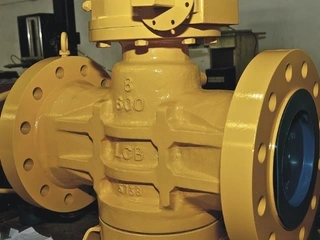
Structural Composition of Metal Seated Plug Valves
The core design of a metal seated plug valve consists of a cylindrical or tapered plug that rotates within the valve body. The plug contains one or more flow passages. When these passages align with the inlet and outlet ports of the valve, the medium is allowed to flow through.
The metal seat refers to the fact that the valve seat is made of metal, providing excellent resistance to high temperature, high pressure, and corrosive media. The valve body is typically constructed from materials such as cast iron, carbon steel, or stainless steel depending on the application requirements. The plug is precision-machined to ensure tight sealing with the metal seat.
Some metal seated plug valves are equipped with lubrication systems to reduce friction during operation and enhance sealing performance, particularly in high-pressure applications.
Working Principle of Metal Seated Plug Valves
The working principle of a metal seated plug valve is relatively simple. When the valve is in the open position, the internal passage of the plug aligns with the pipeline inlet and outlet, allowing fluid to pass through with minimal resistance. The smooth internal surface of the plug, combined with the precision-machined metal seat, results in a low pressure drop, which is important for efficient fluid transport.
When the valve needs to be closed, the plug is rotated 90 degrees (quarter-turn). During this rotation, the solid portion of the plug gradually blocks the flow passage, effectively shutting off the medium. The metal-to-metal contact between the plug and seat creates a tight seal that prevents leakage. Even under high pressure and high temperature conditions, this sealing mechanism remains highly reliable.
Key Advantages of Metal Seated Plug Valves
Metal seated plug valves offer several significant advantages:
- Durability: Metal seats can withstand harsh operating conditions, including high temperatures, abrasive media, and corrosive chemicals. This makes them suitable for industries such as oil and gas, petrochemical processing, power generation, and water treatment.
- Excellent sealing performance: The metal-to-metal sealing design provides reliable shut-off capability, effectively minimizing leakage risk and ensuring system safety and operational efficiency.
- Simple structure: The valve design is relatively simple, making installation, operation, and maintenance easier, which reduces overall cost and technical complexity.
- Balanced flow characteristics: Compared with ball valves and gate valves, metal seated plug valves offer a balanced combination of sealing performance, durability, and flow characteristics. Ball valves are known for quick operation and low friction but may not perform as well under high temperature or abrasive conditions. Gate valves are commonly used in large-diameter pipelines but tend to have higher pressure drops in the fully open position. Metal seated plug valves therefore provide a more balanced overall performance.
Applications of Metal Seated Plug Valves
Metal seated plug valves are widely used across multiple industrial sectors. Different industries impose different performance requirements, and these valves meet those demands due to their high temperature resistance, high pressure capability, and corrosion resistance.
1. Oil and Gas Industry
In the oil and gas industry, metal seated plug valves are commonly used in pipelines, refineries, and offshore platforms. They are capable of handling high-pressure and high-temperature media such as crude oil, natural gas, and refined products. In natural gas transmission systems, they are used for flow regulation and pipeline isolation during maintenance or emergency shutdowns.
2. Chemical Industry
In the chemical industry, these valves are used to handle corrosive and hazardous media. The metal seat provides strong resistance to chemical corrosion, ensuring stable long-term operation. For example, in acid and alkali production systems, metal seated plug valves are used to control highly corrosive fluids.
3. Power Generation Industry
In power plants, metal seated plug valves are widely used in steam systems, cooling water systems, and boiler feedwater systems. They can withstand high-temperature, high-pressure steam conditions, ensuring stable and safe plant operation.
4. Other Industrial Applications
Beyond major industries, metal seated plug valves are also used in water treatment, pharmaceuticals, and food processing. They are available in both small laboratory-scale configurations and large industrial pipeline sizes, offering flexible application solutions.
Metal Seated Plug Valves vs. Soft-Seated Plug Valves
Although both belong to the plug valve family, differences in sealing materials lead to significant variations in performance, application conditions, maintenance requirements, and cost.
1. Core Differences
Metal seated plug valves use metal sealing surfaces, making them suitable for high temperature, high pressure, and abrasive conditions. They offer strong structural stability and wear resistance, maintaining sealing performance even under extreme conditions.
Soft-seated plug valves use elastomeric materials such as rubber, PTFE, or similar polymers. These valves provide excellent sealing performance under low temperature and low pressure conditions, especially in applications where leakage control is critical and the media is relatively clean.
2. Performance Under Different Conditions
- High-temperature environments: Metal seated plug valves perform significantly better. Soft sealing materials tend to degrade at elevated temperatures—rubber may lose elasticity above 150°C, while PTFE may creep or deform under high heat and pressure. Metal seats, however, can operate reliably at temperatures well above 500°C, making them suitable for steam and power systems.
- High-pressure conditions: Metal seated plug valves are more reliable under high pressure. Soft materials may be extruded or damaged under pressure, leading to leakage. Therefore, metal-seated designs are commonly used in oil and gas pipeline systems.
- Abrasive media: Metal seats offer superior wear resistance, while soft seals are more easily eroded by particulate matter, resulting in reduced service life and higher maintenance frequency.
- Ultra-tight sealing requirements: Soft-seated valves provide better sealing performance due to their elasticity, achieving near-zero leakage. They are therefore preferred in applications where leakage sensitivity is extremely high.
3. Maintenance and Service Life
Metal seated plug valves generally require less frequent maintenance due to their durable construction. Some lubricated API plug valve designs require periodic lubrication to maintain smooth operation.
Soft-seated plug valves require more frequent inspection and replacement of sealing components due to material aging and wear. In harsh environments, metal seated plug valves typically offer a significantly longer service life, while soft-seated valves perform best only under ideal conditions.
4. Cost Analysis
Soft-seated plug valves generally have lower initial purchase costs due to simpler materials and manufacturing processes. Metal seated plug valves, however, have higher upfront costs but often result in lower total lifecycle costs in demanding applications due to reduced maintenance, fewer replacements, and less downtime.
5. Special Structural Applications
In pressure-balanced plug valves, the design reduces operating torque by balancing pressure across the plug. In high-temperature and high-pressure environments, metal seated structures are often preferred to ensure both reliable sealing and structural stability.
Service Life and Influencing Factors of Metal Seated Plug Valves
Although metal seated plug valves generally outperform soft-seated valves in harsh environments, their actual service life is not fixed. It depends on material quality, operating conditions, maintenance practices, and installation quality.
1. Metal Seated Plug Valve Service Life
Service life is a critical concern for both suppliers and end users. Under normal operating conditions with proper maintenance, high-quality metal seated plug valves typically last between 10 and 20 years.
In relatively clean and mild environments such as water treatment systems, the service life may approach the upper range. However, in offshore oil and gas platforms, exposure to high pressure, seawater corrosion, and abrasive particles may significantly reduce service life.
2. Key Factors Affecting Service Life
- Material quality: High-quality materials such as stainless steel, alloy steel, or corrosion-resistant alloys significantly extend valve life. In highly corrosive chemical environments, high-alloy materials provide better resistance and maintain structural integrity over time.
- Operating conditions: Pressure, temperature, and media characteristics greatly influence performance. High pressure increases mechanical stress, temperature fluctuations affect sealing integrity, and abrasive media accelerate wear.
- Maintenance and lubrication: Regular inspection helps identify early signs of wear or corrosion, while proper lubrication reduces friction and wear. For API lubricated plug valves, correct lubrication practices are essential to prevent increased torque and premature failure.
- Installation quality: Improper installation can lead to uneven stress distribution, resulting in abnormal wear of the seat and plug. Proper alignment and pipeline support are essential for long-term performance.
3. Practical Case Studies
In one chemical plant, standard stainless steel metal seated plug valves failed within months due to exposure to strong acidic media. After switching to high-nickel alloy materials and improving maintenance practices, the service life was extended to over 10 years.
In another oil pipeline system, improper installation caused uneven stress in pressure-balanced plug valves, leading to premature wear and replacement every 2–3 years. After correcting installation and implementing routine maintenance, service life increased to 8–10 years.
4. Recommendations for Extending Service Life
To improve service life, the following measures are recommended:
Proper selection based on operating conditions, material compatibility, and pressure rating
Standardized maintenance with regular inspection, lubrication, and part replacement
Professional training for operators to ensure correct handling and avoid operational damage
Conclusion
Metal seated plug valves play a vital role in oil and gas, chemical processing, power generation, and many other industrial sectors due to their excellent durability, reliable sealing performance, and balanced flow characteristics. Compared with soft-seated plug valves, they perform significantly better in high-temperature, high-pressure, and abrasive conditions. Although their initial cost is higher, they often provide lower total lifecycle costs.
Proper selection, correct installation, regular maintenance, and skilled operation are essential to ensuring long-term stable performance. By choosing appropriate materials, implementing maintenance programs, and training operators, the service life of metal seated plug valves can be effectively extended, operational costs reduced, and the safety and efficiency of industrial systems significantly improved.
Send your message to this supplier
Related Articles from the Supplier
A Complete Guide to Metal Seated Plug Valves
- Jun 03, 2026
A Complete Guide to Diaphragm Valve Maintenance
- Jan 06, 2026
A Complete Guide to Mechanical Steam Traps
- Jan 08, 2026
A Complete Guide to Fire-Safe Ball Valves
- Mar 30, 2026
A Complete Guide to Through Conduit Gate Valves
- Apr 23, 2026
A Complete Guide to Magnetic Drive Pumps
- Apr 25, 2026
A Complete Guide to Balanced Bellows Safety Valve
- May 21, 2026
Related Articles from China Manufacturers
A Complete Guide to Metal Seated Butterfly Valves
- Feb 09, 2026

A Complete Guide to Forging Process of Bearing Rings
- Jun 25, 2025

A Complete Guide to Car Door Lock Cylinders
- Aug 02, 2024
Related Products Mentioned in the Article

Zhejiang Kosen Valve Co., Ltd.
- https://www.kosenvalve.com/
- Business Type: Industry & Trading, Manufacturer,
Supplier Website
Source: https://www.kosenvalve.com/media-hub/a-complete-guide-to-metal-seated-plug-valves.html