
A Complete Guide to Through Conduit Gate Valves
A through conduit gate valve, also known as a full-bore gate valve, is a valve device widely used in pipeline systems. Its appearance is not complex, but it plays a stable and critical role in actual operation, especially suitable for working conditions that require complete shutoff of the medium and ensuring an unobstructed flow passage.
The main function of this type of valve is to control the on-off of the medium in the pipeline, while protecting the pipeline from the effects of pressure fluctuations and medium accumulation. In long-distance transmission pipelines or systems with frequent temperature changes, the performance of through conduit gate valves is particularly outstanding. With seasonal changes and the progress of maintenance work, a deeper understanding of the structural characteristics and performance advantages of this type of valve helps improve the operational reliability and working efficiency of the entire pipeline system.
Working Principle of Through Conduit Gate Valves
The working principle of a through conduit gate valve is relatively simple. There is a gate inside the valve, and this gate moves up and down in a straight line between two seats, thereby realizing the opening and closing of the valve.
When the valve is fully open, the gate aligns with the flow passage, and there is no obstruction inside the pipeline. The medium can pass through directly, achieving true full-bore flow. This design brings several obvious advantages: first, it reduces the resistance when the fluid passes through the valve and decreases turbulence; second, it reduces the impact on downstream equipment; third, it helps maintain a stable flow state.
When the valve is closed, the gate descends and blocks the fluid passage, achieving complete shutoff of the medium. It is worth noting that when the gate moves within the guiding structure, it does not generate friction along the direction of medium flow, which effectively reduces wear on the sealing surface and extends the service life of the valve. In addition, since there is no throttling area inside the valve, the pressure drop is low, which can significantly improve the overall operating efficiency in long-distance transmission systems.
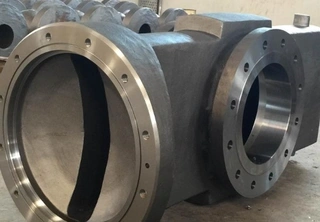
Structure and Components of Through Conduit Gate Valves
A through conduit gate valve mainly consists of the following core components:
- Valve Body: This is the main pressure-bearing component of the valve. It not only provides structural strength but also connects the pipeline. Since through conduit gate valves are often used in high-pressure and high-temperature environments, the valve body is usually made of materials that can withstand harsh conditions.
- Bonnet: Used to protect the internal components of the valve and forms a sealed space with the valve body to prevent the medium from leaking from the top of the valve.
- Gate: This is the key component that controls the on-off of the fluid. It achieves opening or closing through up-and-down movement and ensures good sealing performance.
- Stem: Connects the gate and the driving device (such as a handwheel or electric actuator), transmits the operating force to the gate, and ensures the stability of movement and sealing reliability.
Main Types of Through Conduit Gate Valves
According to different structural characteristics, through conduit gate valves can be divided into several forms:
- Rising Stem and Non-Rising Stem: In a rising stem through conduit gate valve, the stem rises when the valve is opened, allowing operators to visually judge the opening and closing status, but it requires a larger installation space. In a non-rising stem design, the stem position remains unchanged during opening and closing, making it suitable for installation environments with limited space.
- Slab Gate Valve and Wedge Gate Valve: A slab gate valve achieves sealing by the gate sliding between two seats and is suitable for media containing particles. A wedge gate valve achieves sealing through a wedge-shaped structure and is more suitable for high-pressure and high-temperature working environments.
Sealing Performance of Through Conduit Gate Valves
Sealing performance is an important indicator for evaluating valve quality, and through conduit gate valves perform excellently in this regard.
First, it has bidirectional sealing capability. No matter how the flow direction of the medium changes, the valve can achieve reliable tight shutoff. This is particularly important when isolating pipeline sections or carrying out maintenance operations, as it can ensure the safety of operators.
Second, when the valve is in the open state, the valve seat avoids the flow passage and does not directly contact the flowing medium, thereby avoiding damage to the sealing surface caused by fluid erosion or particle impact. This design effectively protects the sealing surface and extends its service life. It is particularly beneficial in high-pressure environments and also reduces the risk of leakage caused by sealing surface damage.
In addition, since the valve cavity has the same diameter as the pipeline, the pipeline pig can pass smoothly during pigging operations without obstruction. This improves the efficiency of pipeline inspection and cleaning and reduces downtime.
Material Selection and Connection Methods
Material Selection: Since through conduit gate valves are often used in high-pressure, high-temperature, and corrosive environments, the manufacturing materials need to have good strength, corrosion resistance, and durability. Stainless steel and various alloy steels are common choices, which can ensure long-term stable operation of the valve under harsh working conditions. In some specific applications, elastomers or fiber materials may also be used as sealing elements to further improve sealing performance.
Connection Methods: Through conduit gate valves usually adopt flange connection or welded connection. Flange connection uses bolts to connect the valve and the pipeline, making installation and disassembly more convenient, and is suitable for occasions that require frequent maintenance. Welded connection provides higher connection strength and sealing performance, and is suitable for high-pressure, high-temperature, or working conditions with extremely high leakage requirements, but it is relatively complex in later maintenance and replacement. These connection methods usually follow relevant standards, such as ASME B16.5 (flanges) and ASME B16.25 (welded ends), to ensure the safety and reliability of the system.
Application Fields of Through Conduit Gate Valves
Through conduit gate valves are widely used in multiple industrial fields:
- Oil and Gas Industry: Its full-bore design and piggable feature make it an ideal choice for long-distance pipelines and can meet the needs of long-distance transportation.
- Petrochemical Industry: It can withstand high-temperature fluids and maintain stable performance, suitable for various chemical processes.
- Mining Industry: Its wear resistance makes it suitable for handling slurry media containing solid particles.
- Water Treatment and Utilities: Used in key flow control links to ensure the normal operation of the system.
In practical applications, through conduit gate valves are usually installed in long-distance transmission pipelines, product transportation systems, and isolation positions at key nodes, especially suitable for large-diameter and high-pressure conditions. Its internal structure will not twist or deform under stress, and it can still maintain good sealing performance even after being in a static state for a long time.
Comparison Between Through Conduit Gate Valves and Other Valves
Compared with Ball Valves: Ball valves also have good flow capacity, but there may be problems of medium retention. The full-bore design of through conduit gate valves reduces the possibility of medium accumulation in local areas and lowers operational risks.
Compared with Wedge Gate Valves: The sealing performance of wedge gate valves under bidirectional pressure conditions is relatively limited. Through conduit gate valves achieve reliable bidirectional sealing while maintaining an unobstructed flow path and avoid complex rotating structures.
Performance in Environments with Temperature Changes
In environments with large temperature changes, through conduit gate valves also show high reliability. Its full-bore structure reduces the possibility of medium accumulation in local areas and lowers the operational risk caused by fluid retention. At the same time, lower turbulence also reduces the stress impact on internal components.
In addition, this type of valve is not prone to forming pressure retention zones and can maintain stable operation during alternating cold and hot conditions. Due to its robust overall structure and low maintenance requirements, once put into use, it can usually maintain a good working state for a long time, thereby reducing operation and maintenance workload.
Common Problems and Handling Methods
- Stem Leakage: Usually caused by wear or aging of sealing components and can be solved by adjusting or replacing packing.
- Valve Seat Sealing Failure: May be caused by component misalignment or damage to the sealing surface and requires inspection and replacement of sealing components.
- Bonnet Leakage: Check whether the sealing gasket is intact and replace it if necessary.
- Difficult Operation or Inability to Fully Open/Close: Usually caused by insufficient lubrication or foreign matter entering the valve cavity and should be resolved by cleaning and lubrication.
- Abnormal Noise or Abnormal Pressure Drop: The cause of the fault needs to be eliminated in time through system inspection.
For these problems, measures such as adjusting packing, replacing sealing components, cleaning internal impurities, checking actuators, and recalibrating components should be taken.
Routine Maintenance and Care
In order to ensure the long-term stable operation of through conduit gate valves, regular maintenance is crucial. Daily maintenance mainly includes the following aspects:
- Lubrication: Regular lubrication of the stem and gate can reduce friction, prevent sticking, and ensure smooth operation of the valve.
- Cleaning: Timely removal of impurities inside the valve helps avoid operation obstruction or component damage.
- Inspection: Through regular inspection, wear, leakage, or abnormal conditions can be detected early, thereby avoiding more serious failures.
In addition, strictly following the maintenance specifications provided by the manufacturer is also an important guarantee for extending the service life of the valve. In high-load operation or occasions with high reliability requirements, through conduit gate valves provide stable protection for the system by reducing flow passage restrictions, avoiding medium retention, and lowering operational risks.
Conclusion
From the perspective of actual operation, the advantages of through conduit gate valves are reflected in their simple and reliable structural design. Its full-bore flow passage ensures smooth passage of the medium, bidirectional sealing capability ensures system safety, and fewer internal moving parts reduce the probability of failure.
In working conditions that require efficient operation and rapid response, this type of valve can reduce uncertain factors and improve the stability and continuity of the overall system. At the same time, during equipment inspection and maintenance, the relatively clean internal structure also helps to quickly judge the operating status and formulate subsequent maintenance plans.
Whether achieving reliable shutoff under high-pressure conditions or maintaining smooth flow during transportation, through conduit gate valves can provide stable performance and meet the dual requirements of safety and efficiency under complex working conditions. For personnel engaged in pipeline system design, installation, and maintenance, a deep understanding of the working principle, structural characteristics, and performance advantages of through conduit gate valves helps make more reasonable choices in practical applications, thereby improving the operating efficiency and safety of the entire system.
Send your message to this supplier
Related Articles from the Supplier
A Complete Guide to Through Conduit Gate Valves
- Apr 23, 2026
A Complete Guide to Diaphragm Valve Maintenance
- Jan 06, 2026
A Complete Guide to Mechanical Steam Traps
- Jan 08, 2026
A Complete Guide to Fire-Safe Ball Valves
- Mar 30, 2026
A Complete Guide to Magnetic Drive Pumps
- Apr 25, 2026
A Complete Guide to Balanced Bellows Safety Valve
- May 21, 2026
A Complete Guide to Metal Seated Plug Valves
- Jun 03, 2026
Related Articles from China Manufacturers


A Complete Guide to Forging Process of Bearing Rings
- Jun 25, 2025

A Complete Guide to Car Door Lock Cylinders
- Aug 02, 2024


Related Products Mentioned in the Article



Zhejiang Kosen Valve Co., Ltd.
- https://www.kosenvalve.com/
- Business Type: Industry & Trading, Manufacturer,
Supplier Website
Source: https://www.kosenvalve.com/media-hub/a-complete-guide-to-through-conduit-gate-valves.html