
A Complete Guide to Electric Metal Seated Butterfly Valves for Harsh Operating Conditions
Introduction
Electric metal seated butterfly valves have become a critical component in modern industrial flow control systems. As industries continue to seek automated, reliable, and energy-efficient solutions, the demand for electrically actuated butterfly valves—particularly those designed with durable metal seats—has grown significantly. These valves are engineered to perform under severe service conditions, including extreme temperatures, high pressure, abrasive media, and continuous cycling operations. Their combination of robust mechanical design and intelligent electric actuation makes them a preferred solution for power plants, petrochemical complexes, metallurgy processes, marine systems, and various heavy-duty applications.
At their core, electric butterfly valves operate using a quarter-turn mechanism. The electric actuator rotates a disc within the valve body, allowing precise control of fluid flow. When combined with a metal seat, the valve achieves a significantly enhanced level of sealing performance, resistance to wear, and operational reliability in demanding environments. Hard-sealed configurations allow these valves to withstand temperatures up to approximately 425°C and pressures reaching 40 bar—far exceeding the capabilities of soft-seated alternatives. As a result, metal seated butterfly valves have emerged as an essential solution wherever elevated temperature, pressure, or corrosive media present operational challenges.
This article explores the structural characteristics, design advantages, applications, recent technological developments, and market relevance of electric metal seated butterfly valves. With a focus on industrial use cases, performance expectations, and technological advantages, it offers an in-depth view into why this type of valve has become indispensable to modern engineering systems.
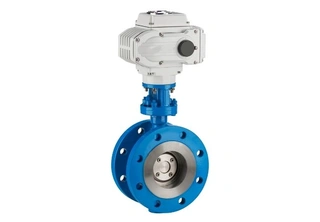
Understanding the Electric Butterfly Valve
What Is an Electric Butterfly Valve?
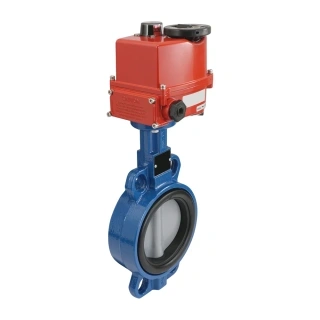
An electric butterfly valve is an automated quarter-turn flow control device that relies on an electric motor actuator to perform disc rotation. Unlike manual or pneumatic variants, electric butterfly valves are powered by electrical energy, enabling operators to automate fluid regulation, integrate valves into digital control systems, and achieve highly accurate positioning for throttling services.
The structure of a typical electric butterfly valve includes:
- Valve Body – Usually made from carbon steel, stainless steel, or alloy materials.
- Disc – The rotating element that modulates flow.
- Seat – The sealing surface ensuring shutoff.
- Stem/Shaft – Connects the disc to the actuator.
- Electric Actuator – Drives the disc rotation automatically.
Electric actuators can be equipped with intelligent control modules, positioners, torque limiters, heating devices, and communication protocols such as Modbus, HART, or PROFIBUS. This makes electric butterfly valves ideal for smart plant operations, remote monitoring, and integration within SCADA or PLC systems.
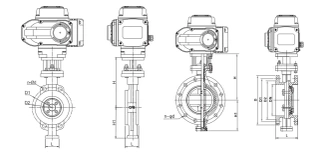
From Soft-Seal to Hard-Seal: Why Metal Seats?
Traditional butterfly valves often rely on soft seats made from materials like EPDM, PTFE, or NBR. While suitable for low-temperature and low-pressure applications, soft seats degrade rapidly under extreme conditions.
Metal seated butterfly valves replace the soft elastomer with an engineered stainless-steel seat. These valves offer:
- High-temperature resistance
- Long operational life
- Improved resistance to abrasion and corrosion
- Suitability for steam, flue gas, oils, and chemical media
- Stable performance at high pressure
- Two-way sealing capability
The combination of an electric actuator with a metal seated butterfly valve results in a high-performance automated control solution, especially valuable in demanding environments where reliability and longevity are essential.
Key Features of Electric Metal Seated Butterfly Valves
1. Stainless Steel Metal Sealing Structure
One of the defining characteristics of modern electric metal seated butterfly valves is their innovative sealing design. The sealing surfaces typically consist of stainless-steel alloys such as SS316, 304, or hardened materials like 17-4PH. The metal sealing structure offers exceptional performance across a wide temperature range and maintains integrity even under thermal shock or fluctuating pressures.
Metal seals combine:
- Elasticity (owing to engineered geometry)
- Rigidity (due to hardened seat materials)
- Deformation resistance
- Wear resistance
This hybrid approach ensures that valves maintain bubble-tight or near-zero leakage levels even after prolonged use in harsh settings.
2. High-Strength Quilted Frame Disc Design
Large-diameter metal seated butterfly valves often utilize a quilted frame or rib-reinforced disc. This design is essential for providing:
- Structural strength during high-pressure operation
- Reduced disc deflection under load
- Increased flow area
- Lower flow resistance
- Enhanced stability during throttling
The reinforced disc structure ensures the valve can handle rapid cycling without fatigue, making it ideal for power and chemical plants that require continuous, reliable operation.
3. Bi-Directional Sealing Performance
One of the standout features of wafer-type metal seated butterfly valves is their bi-directional sealing capability. Unlike valves that seal effectively only in one flow direction, these designs maintain consistent sealing performance regardless of how the valve is installed.
Bi-directional sealing offers:
- Flexibility in pipeline installation
- Reduced engineering constraints
- Operational safety during pressure reversals
- Stable performance during transient flow conditions
This feature is particularly valuable in fluid systems where flow direction may vary, such as heat exchangers, recirculation loops, or pump discharge lines.
4. Resistant to High Temperature (Up to 425°C)
Electric metal seated butterfly valves maintain reliable sealing and mechanical stability at temperatures far beyond the limits of soft-seated valves. The metal-to-metal interface prevents deformation and breakdown at elevated temperatures commonly found in:
- Steam distribution systems
- Thermal oil networks
- Power plant boiler operations
- Petrochemical cracking units
- High-temperature flue gas pipelines
5. Designed for High Pressure (Up to 40 Bar)
In addition to temperature resilience, metal seated butterfly valves are engineered for high pressure applications. Reinforced bodies, thickened discs, and precision-machined seats ensure operational integrity even at elevated pressures.
This makes them suitable for:
- High-pressure pump discharge systems
- Oil & gas transmission lines
- High-pressure steam networks
- Industrial gas pipelines
6. Advanced Electric Actuation Systems
Electric actuators used in metal seated butterfly valves feature cutting-edge automation technologies, including:
- Intelligent control modules
- Digital communication interfaces
- Torque monitoring systems
- Position feedback sensors
- Manual override capabilities
- Explosion-proof configurations (Ex d, Ex e)
- Weatherproof housings suitable for outdoor or corrosive environments
These options allow the valve to integrate seamlessly into modern industrial automation systems and provide remote or fully automated control.
7. Flexible Installation and Maintenance
Electric metal seated butterfly valves are known for their ease of installation and straightforward maintenance processes. Key advantages include:
- Wafer or lug style ensures easy alignment between flanges
- Lightweight relative to gate or globe valves of similar size
- Minimal space requirements
- Lower overall cost of ownership
- Reduced downtime due to long service life and simple maintenance
Applications Across Major Industries
Electric metal seated butterfly valves are widely adopted across industries that require high performance, safety, and reliability. Their ability to withstand harsh operating conditions makes them suitable for a variety of challenging environments.
1. Power Generation Industry
Power plants—whether coal-fired, biomass, nuclear, or combined-cycle—use these valves extensively in:
- Boiler feedwater systems
- Steam pipelines
- Condensate systems
- Cooling water circulation
- Air and flue gas control systems
In thermal power stations, metal seated butterfly valves play a crucial role in managing high-temperature steam and ensuring efficient heat transfer processes.
2. Petrochemical and Chemical Processing
Petrochemical plants rely on metal seated valves for:
- Cracking furnaces
- Process gas pipelines
- High-temperature chemical reactors
- Storage and handling of aggressive fluids
- Aromatics processing units
- Distillation columns
These environments often involve corrosive media and extreme temperatures—conditions where metal seated butterfly valves thrive.
3. Oil & Gas Sector
In upstream, midstream, and downstream operations, electric metal seated butterfly valves are used for:
- Separators and fractionation towers
- Gas dehydration systems
- Pipeline isolation
- Fire safety systems
- Offshore platform valve networks
The availability of explosion-proof actuators also makes them suitable for hazardous zones classified under ATEX, IECEx, or API standards.
4. Metallurgy and Steel Manufacturing
Metal processing industries require valves capable of handling:
- High-temperature off-gas
- Dust-laden airflows
- Abrasive slurries
- Cooling water systems
Electric metal seated butterfly valves support automated temperature control, gas distribution, and fume extraction systems.
5. Marine and Shipbuilding
In marine environments, these valves are used for:
- Engine cooling systems
- Ballast water handling
- Firefighting networks
- Fuel oil lines
- High-temperature exhaust gas management
Their corrosion-resistant metal seats offer long service life, even in saline environments.
6. HVAC and Industrial Ventilation Systems
Although less common, some industrial HVAC systems using high-temperature or abrasive airflows deploy metal seated butterfly valves for regulating flow.
Technological Enhancements in Modern Electric Metal Seated Butterfly Valves
Recent innovations have improved performance, reliability, and compatibility with digital automation networks.
1. Smart Actuation Technologies
Modern electric actuators now integrate:
- Intelligent motor control units
- Self-diagnostic functions
- Auto-calibration features
- Cloud-connectivity for predictive maintenance
These capabilities enhance reliability and reduce maintenance costs.
2. Enhanced Surface Treatments
Valve manufacturers increasingly use surface treatment technologies such as:
- Stellite alloy overlays
- HVOF (High Velocity Oxygen Fuel) coatings
- Nitriding and hard-facing processes
- Ceramic-metal composite coatings
These methods improve sealing performance and abrasion resistance.
3. Improved Disc and Seat Design Geometry
Finite element analysis (FEA) and computational fluid dynamics (CFD) help engineering teams refine valve geometry, optimizing:
- Flow coefficients (Cv)
- Turbulence reduction
- Pressure drop characteristics
- Leak-proof sealing mechanisms
4. Integration with Industrial Software Platforms
Valves can now connect to:
- DCS systems
- PLC automation networks
- SCADA platforms
- Asset management software
This digital integration supports remote monitoring and helps predict wear or failure before it occurs.
Market Demand and Industry Relevance
The growing adoption of electric metal seated butterfly valves aligns with several global industrial trends, including:
1. Increasing Automation in Industrial Plants
Electric actuation supports:
- Remote operation
- Energy efficiency
- Reduced manual labor costs
- Higher accuracy in flow control
2. Rising Need for High-Temperature Flow Control
As industries push processes to higher efficiency levels, the need for high-temperature valves has grown, particularly in sectors such as:
- Petrochemical cracking
- Refining
- Steel production
- Power generation
3. Shift to Long-Life Industrial Components
Companies are increasingly prioritizing:
- Reduced maintenance downtime
- Durable metal seated valves
- Lower total cost of ownership (TCO)
4. Urbanization and Infrastructure Expansion
Large-scale industrial projects across Asia, Africa, and the Middle East continue to drive market growth, as these regions build new:
- Power stations
- Petrochemical plants
- Industrial manufacturing zones
- Water and wastewater treatment facilities
Challenges in Adopting Electric Metal Seated Butterfly Valves
Despite their advantages, several challenges must be considered.
1. Higher Upfront Cost
Compared to soft-seated or manual valves, electric metal seated butterfly valves have:
- Higher manufacturing costs
- More complex actuators
- Increased engineering requirements
However, the long-term benefits often outweigh the initial investment.
2. Need for Skilled Installation and Setup
Installing electric actuators requires expertise in:
- Electrical wiring
- Calibration
- Automation network integration
Proper installation is essential for achieving optimal performance.
3. Maintenance of Electric Components
While mechanical parts are highly durable, electric actuators require:
- Periodic testing
- Electrical connection checks
- Environmental protection for outdoor installations
4. Material Selection Challenges
For specific corrosive or abrasive media, engineers must choose:
- The appropriate stainless steel grade
- Coatings for seats and discs
- Shaft material combinations
- Protective linings for valve interior
Selecting incorrect materials may compromise performance.
Conclusion
Electric metal seated butterfly valves have become indispensable in industries demanding reliable, high-temperature, and high-pressure flow control. Their advanced metal sealing structure, strong disc design, bi-directional sealing performance, and intelligent electric actuation make them an ideal choice for harsh operating conditions such as power generation, petrochemical processing, oil and gas operations, marine systems, and heavy industrial applications.
With continuous advancements in materials, coatings, actuation intelligence, and digital automation, electric metal seated butterfly valves play a pivotal role in ensuring safe, efficient, and automated fluid management. Their strong performance and long-term durability make them a preferred solution in modern industrial engineering.
Send your message to this supplier
Related Articles from the Supplier

What Are the Applications of a Globe Control Valve?
- May 14, 2024
How Does a Globe Control Valve Work?
- Jun 15, 2024
What is a Ball Valve?
- Apr 26, 2024
Related Articles from China Manufacturers




Related Products Mentioned in the Article

Supplier Website
Source: https://china-control-valves.com/news/a-complete-guide-to-electric-metal-seated-butterfly-valves-for-harsh-operating-conditions.html