
Brass Ball Valves vs. Stainless Steel Ball Valves
Whether in residential plumbing, industrial applications, or HVAC systems, the material of a ball valve directly affects equipment performance, service life, and overall cost. Among common valve materials, brass ball valves and stainless steel ball valves are two of the most widely used options. Each material offers distinct characteristics, suitable applications, and limitations. Understanding the differences between them can help users avoid system failures, reduce expenses, and improve operational efficiency. This article provides a comprehensive comparison of brass and stainless steel ball valves, beginning with fundamental concepts and gradually exploring their key distinctions to guide readers in making informed selections based on specific needs.
What Is a Ball Valve?
Before comparing brass and stainless steel ball valves, it is essential to understand the basic working principle and structural characteristics of ball valves. As a common fluid control device, the ball valve is widely used in residential, commercial, and industrial settings due to its compact structure, simple operation, and reliable sealing.
A ball valve is a shut-off device used to control the flow of liquid or gas in a pipeline. It employs a spherical component with a central bore to regulate flow. When the bore aligns with the pipeline, the valve is fully open, allowing fluid or gas to pass freely. Rotating the ball 90 degrees positions the bore perpendicular to the flow, blocking the passage and achieving complete shut-off. This quarter-turn design enables rapid and efficient operation. Ball valves maintain good sealing even after long periods of inactivity. Compared to gate or globe valves, ball valves require lower operating torque, are easier to open and close manually, and exhibit superior wear resistance.
An Introduction to Brass Ball Valves
Brass ball valves are among the most common types of valves used in residential piping and light commercial applications. Made primarily from a copper-zinc alloy, they strike a balance between cost, machinability, and corrosion resistance. To fully understand the applications of brass ball valves, it is useful to examine their material composition, primary advantages, and inherent limitations.
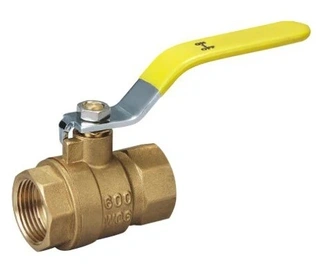
1. Material & Characteristics of Brass Ball Valve
Brass ball valves are composed of a copper-zinc alloy, offering moderate strength, flexibility, and corrosion resistance. They are widely used in residential plumbing, light commercial installations, and some low-pressure industrial systems. Brass is relatively soft and lightweight, making installation easier in tight or hard-to-reach spaces. Brass valves are easy to machine, provide smooth threading, maintain stable sealing performance, and are cost-effective, offering a high value-to-price ratio.
2. Main Advantages of Brass Ball Valves
Brass ball valves offer several practical advantages:
- Wide applicability: They can handle water, air, gases, and some oils.
- Ease of installation and maintenance: Brass is easy to cut, thread, and connect, and most installers are familiar with working with brass valves.
- Variety of options: Available in full-bore, reduced-bore, threaded, or welded configurations, brass valves can meet diverse system requirements.
- Affordability: They are cost-effective, especially in projects requiring a large number of valves.
- Precision and reliability: Brass can be machined into accurate components, ensuring stable quality and reliable sealing.
3. Brass Ball Valve Limitations and Use Restrictions
Brass ball valves are not suitable for all environments. Extreme pressure, high temperatures, or highly corrosive chemicals can affect their performance. Copper may corrode over time when exposed to highly chlorinated or acidic liquids, potentially causing leaks or failures. Some brass alloys contain trace amounts of lead; for potable water systems, only certified lead-free products should be used. In certain water conditions, dezincification may occur, where zinc leaches from the alloy, weakening the material. Brass valves generally operate at temperatures below 93°C and are unsuitable for extreme conditions.
Basics of Stainless Steel Ball Valves
In contrast, stainless steel ball valves dominate high-demand industrial applications due to their excellent corrosion resistance and mechanical strength. Made from iron-based alloys with chromium and other elements, stainless steel forms a dense chromium oxide layer on the surface, providing outstanding rust resistance. The following section examines stainless steel ball valves’ material composition, advantages, and precautions.
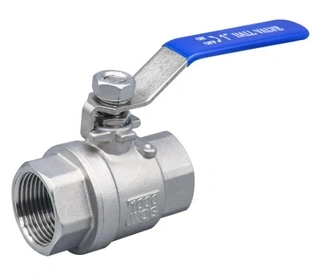
1. Material & Characteristics of Stainless Steel Ball Valve
Stainless steel ball valves consist of iron-based alloys containing chromium. Chromium forms a protective surface layer that prevents rust and corrosion. This inherent resistance to harsh environments makes stainless steel valves ideal for demanding applications. Although stainless steel valves generally cost more than brass, their strength, reliability, and longevity often justify the higher price, particularly in systems exposed to chemicals, humidity, or high pressure.
2. Main Advantages of Stainless Steel Ball Valves
Stainless steel ball valves offer numerous benefits:
- Superior corrosion resistance: They withstand seawater, acidic solutions, and industrial chemicals. Grade 316 stainless steel is especially effective in marine environments.
- High-pressure and high-temperature suitability: Suitable for steam lines, industrial gas systems, and hot water pipelines, stainless steel valves maintain strength and sealing above 204°C.
- Chemical compatibility: Resistant to most chemicals, they are ideal for chemical plants, food and beverage systems, and pharmaceutical facilities.
- Long service life: Resistant to cracking and corrosion, stainless steel valves endure years of operation without significant wear, making them suitable for difficult-to-maintain locations.
- Durability: High hardness and strength allow them to withstand impact, pressure fluctuations, and vibration, making them appropriate for heavy industrial environments.
3. Stainless Steel Ball Valve Limitations and Considerations
Stainless steel ball valves have some considerations:
- Higher cost: Initial investment exceeds that of brass valves due to material and processing difficulty.
- Weight: Heavier than brass, requiring attention to support in weight-sensitive installations.
- Low thermal conductivity: Less efficient than brass in heat transfer applications.
- Potential magnetism: Certain stainless steel grades may be magnetic, unsuitable for applications sensitive to magnetic interference.
- Processing difficulty: Cutting and connecting stainless steel may require specialized tools and expertise, increasing installation complexity and labor cost.
Core Differences Between Brass and Stainless Steel Ball Valves
Having examined the characteristics of both valve types, a direct comparison is helpful. Brass and stainless steel ball valves differ significantly in corrosion resistance, strength, temperature tolerance, chemical compatibility, cost, and machinability.
1. Corrosion Resistance
Brass offers moderate corrosion resistance in typical environments, performing well in water and air. However, it may corrode over time in saltwater or acidic solutions. Stainless steel, particularly 316 grade with molybdenum, exhibits superior corrosion resistance, performing well in harsh industrial or marine environments.
2. Strength and Durability
Brass is softer and wears faster under heavy loads, with limited mechanical strength. Stainless steel is harder and stronger, capable of withstanding high pressure and mechanical stress, suitable for industrial applications with vibration. Stainless steel maintains performance longer under harsh conditions, whereas brass can serve long-term in non-corrosive environments with proper maintenance.
3. Temperature Resistance
Brass ball valves generally withstand up to 93°C, while stainless steel valves tolerate temperatures above 204°C, suitable for steam systems and high-temperature industrial processes.
4. Chemical Compatibility
Brass may react with acids and ammonia, limiting its use with some chemicals. Stainless steel is compatible with a wider range of media, including industrial chemicals and corrosive solutions.
5. Cost and Economy
Brass valves are inexpensive and suitable for budget-conscious projects, especially when many valves are needed. Stainless steel requires higher upfront investment but offers longer lifespan and lower maintenance, potentially reducing long-term operational costs in harsh environments.
6. Installation and Machinability
Brass is easy to cut, thread, and install, requiring no special tools. Stainless steel is harder to machine and may need specialized tools and skills, increasing installation complexity and labor.
Practical Applications and Selection Guidelines
Understanding these performance differences helps determine which valve is suitable for a given application. Residential systems prioritize cost and convenience, whereas industrial systems focus on corrosion resistance and mechanical strength.
1. Typical Applications of Brass Ball Valves
Brass ball valves are widely used in residential plumbing, HVAC, irrigation systems, air compressor lines, and light commercial applications. These scenarios involve water, air, or non-corrosive gases at moderate pressures and temperatures, well within brass valve performance limits.
2. Typical Applications of Stainless Steel Ball Valves
Stainless steel ball valves are used in industrial processes, chemical plants, marine environments, oil and gas pipelines, food and beverage manufacturing, pharmaceutical systems, and fire protection systems. These environments demand high cleanliness, reliability, corrosion resistance, and the ability to withstand high pressures, high temperatures, and corrosive media.
3. When to Choose Brass Ball Valves
Brass valves are appropriate when:
The medium is water, air, or non-corrosive gas.
The environment is residential or light commercial.
Budget constraints exist.
High pressure or extreme temperature resistance is not required.
Water sources lack aggressive chemical treatment.
Space constraints favor lightweight, easy-to-operate valves.
4. When to Choose Stainless Steel Ball Valves
Stainless steel valves are preferred when:
High corrosion or chemical resistance is required.
The system involves high-pressure or high-temperature fluids.
Industrial, marine, or chemical environments apply.
Sanitary or food-grade standards are needed.
Longer lifespan and low maintenance are desired.
The system is subject to vibration or impact.
Common Corrosion Issues and Prevention
Regardless of valve type, corrosion may occur under certain conditions. Understanding the causes and manifestations of corrosion helps make better selections and implement preventive measures.
1. Corrosion in Brass Valves
Brass valves may experience:
Dezincification: Zinc leaches from the alloy in certain water conditions, weakening material strength.
Stress corrosion cracking: Occurs in the presence of chemicals like ammonia.
Galvanic corrosion: When copper contacts a more noble metal like stainless steel in a moist environment, accelerating corrosion.
2. Corrosion in Stainless Steel Valves
Stainless steel valves can face:
Pitting corrosion: Small, deep holes caused by chlorides or stagnant water.
Crevice corrosion: Occurs in oxygen-deprived narrow spaces.
Intergranular corrosion: Caused by improper heat treatment affecting material structure.
Stress corrosion cracking: Rare but possible in chloride-containing environments.
Selecting 316-grade stainless steel enhances resistance to multiple corrosion types.
Conclusion
Both brass and stainless steel ball valves provide reliable fluid control, but each suits different applications. Brass valves are economical, easy to install, and suitable for water, air, and non-corrosive media systems, making them ideal for residential and light commercial projects. Stainless steel valves offer excellent corrosion resistance and mechanical performance, ideal for high-temperature, high-pressure, or harsh industrial environments. While initial investment is higher, stainless steel valves’ long-term reliability and low maintenance can reduce overall operational costs.
The final choice should consider the type of medium, pressure, temperature range, and environmental conditions. For general piping and HVAC systems, brass valves provide sufficient performance and good cost-effectiveness. For corrosive substances, high-pressure or high-temperature systems, or applications requiring strict hygiene standards, stainless steel valves are the safer choice. Matching valve material with system requirements ensures safe, efficient operation and optimal value.
Send your message to this supplier
Related Articles from the Supplier
Related Articles from China Manufacturers

Advantages of Forged Brass Fittings
- May 25, 2024

Basic Knowledge of Brass (Part One)
- Nov 10, 2017
-150x145.webp)
Basic Knowledge of Brass (Part Two)
- Nov 24, 2017

Basic Knowledge of Brass (Part Three)
- Jan 30, 2018
.jpg)
Bronze Valve VS Brass Valve
- Apr 24, 2019
Related Products Mentioned in the Article

Zhejiang Kosen Valve Co., Ltd.
- https://www.kosenvalve.com/
- Business Type: Industry & Trading, Manufacturer,
Supplier Website
Source: https://www.kosenvalve.com/media-hub/brass-ball-valves-vs-stainless-steel-ball-valves.html