
Performance and Applications of Aluminum Bronze Valves
In harsh working conditions such as oil platforms, ship seawater systems, and chemical installations, the selection of valve materials directly affects equipment safety and maintenance costs. Aluminum bronze valves, with their unique material properties, have become indispensable key components in these fields. This article provides a detailed introduction to the material composition, performance characteristics, application fields, and selection considerations of aluminum bronze valves to help engineering and technical personnel gain a comprehensive understanding of this high-performance alloy material.
What Are Aluminum Bronze Valves?
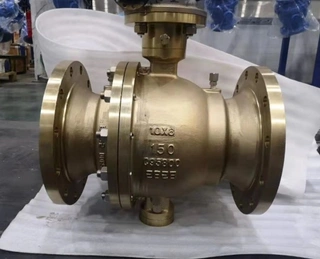
Aluminum bronze valves are industrial valves manufactured from aluminum bronze alloy. Aluminum bronze is a copper-based alloy, mainly composed of copper and aluminum, with aluminum content typically ranging from 5% to 11% by weight, while the remainder is mainly copper. To improve material performance, industrial-grade aluminum bronze may also contain alloying elements such as iron, nickel, manganese, and silicon.
This alloy material is also known as nickel aluminum bronze, commonly abbreviated as NAB (Nickel Aluminum Bronze). In terms of material specifications, the common international standard for aluminum bronze valves is ASTM B148 C95800, and AB2 specification is also used. Their performance is similar to C95500 and C95400 specifications. These standards ensure that the material has good castability, moderate bearing material characteristics, good machinability, and relatively high tensile strength.
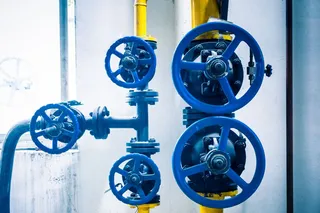
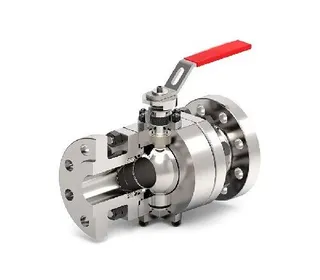
From a structural perspective, aluminum bronze valves are typically designed in ball, disc, or globe-type configurations. They are driven by external handles, valve stems, or actuators to achieve opening and closing control. Their structure includes solid discs, wedge structures, or two-piece split designs. The working principle is that the closure element (disc or gate) slides into the pipe opening to block the fluid passage.
Core Performance Advantages of Aluminum Bronze Valves
The reason why aluminum bronze valves can maintain long-term stable operation under harsh working conditions lies in the multiple excellent properties of the material itself. Specifically, the core performance advantages are mainly reflected in the following aspects.
1. Excellent Corrosion Resistance
The most prominent feature of aluminum bronze valves is their excellent corrosion resistance, which is mainly derived from the protective mechanism formed on the material surface. Aluminum reacts with oxygen in the air to form a dense and strong aluminum oxide protective film on the valve surface. This protective film has the following characteristics:
- Self-healing capability: Even if the oxide film is damaged in low-oxygen media, it can still self-repair and maintain continuous protection.
- Strong adhesion: The oxide film can adhere tightly to the substrate surface and is not easy to peel off.
- Excellent barrier performance: It effectively blocks the erosion of acidic or saline liquids and has good resistance to liquid penetration.
- High hardness protection: Since the film layer contains aluminum oxide components, it has relatively high hardness, improving the material’s erosion and wear resistance.
In seawater environments, the corrosion resistance of aluminum bronze is particularly outstanding. Compared with ordinary brass or bronze valves, aluminum bronze has significantly improved resistance to pitting and crevice corrosion in chloride-containing environments. This makes aluminum bronze valves the preferred material for offshore platforms and coastal facilities.
2. Excellent Mechanical Properties
Aluminum bronze alloys have relatively high strength and hardness while maintaining good toughness and fatigue resistance. Specific mechanical property indicators include:
- Tensile strength: Usually reaches 600–800 MPa
- Yield strength: 250–400 MPa
- Hardness: Up to 150–200 HB
These performance indicators enable aluminum bronze valves to withstand high working pressure and temperature conditions, making them suitable for harsh working environments such as high-pressure steam and seawater cooling systems. The material also has good plasticity and machinability, with a solid and durable structure that can operate under long-term heavy load conditions without cracking easily.
3. Unique Bio-inhibition Characteristics
The copper component in aluminum bronze alloys has natural biological inhibition properties, which can effectively suppress the adhesion and reproduction of marine organisms, including algae, lichens, barnacles, and mussels. This characteristic is particularly important in marine engineering applications, allowing aluminum bronze to have advantages over stainless steel or other non-copper alloy materials, reducing maintenance costs and performance degradation caused by biofouling.
4. Good Comprehensive Process Performance
Aluminum bronze materials have good casting, welding, and machining properties. In manufacturing processes, aluminum bronze valves can be produced by sand casting, precision casting, or forging processes, followed by machining and heat treatment to optimize performance. This good process adaptability allows aluminum bronze valves to be manufactured into various shapes, and the cost is relatively low, meeting different engineering requirements.
5. Non-sparking Safety Characteristics
Aluminum bronze has non-sparking properties, making it particularly suitable for flammable and explosive environments such as oil and gas extraction and chemical production, improving safety in industrial sites.
Typical Application Fields of Aluminum Bronze Valves
Aluminum bronze valves are widely used in industrial systems with high requirements for corrosion resistance, safety, and long-term reliability. First, in the field of marine engineering, aluminum bronze valves are key equipment in seawater cooling systems, ballast water systems, fire water systems, and offshore drilling platform pipeline control, and can effectively resist seawater chloride corrosion and biofouling. Second, in the shipbuilding industry, aluminum bronze valves are commonly used in ship power systems, bilge drainage systems, and seawater circulation systems to ensure stable fluid control during navigation. In addition, in the petroleum, chemical, and natural gas industries, aluminum bronze valves are suitable for fluid regulation and shut-off control in sulfur-containing media, humid environments, and flammable and explosive areas. Meanwhile, in the power industry, aluminum bronze valves are also commonly used in cooling water circulation systems and auxiliary pipeline systems, especially suitable for seawater intake and discharge control scenarios in coastal power plants. Overall, aluminum bronze valves have become an important fluid control solution in marine and heavy corrosion industrial environments due to their excellent corrosion resistance and safety characteristics.
Material and Selection for Aluminum Bronze Valves
After understanding the performance advantages and application fields of aluminum bronze valves, how to correctly select this material in practical engineering becomes the key to ensuring long-term reliable operation of equipment. Different working conditions have different requirements for material composition and performance. Therefore, mastering the material specifications and selection guidelines of aluminum bronze valves is particularly important for engineering and technical personnel.
1. Common Material Grades
- ASTM B148 C95800: American standard, the most commonly used aluminum bronze valve material, has excellent seawater corrosion resistance, can effectively resist cavitation and erosion, and has good pressure sealing performance and weldability.
- CuAl10Fe5Ni5: European standard grade.
- C95500/C95400: Similar performance, suitable for different working conditions.
- AB2 specification: Common substitute specification.
There are differences in aluminum content and trace element ratios among different grades to adapt to different usage requirements. For example, adding nickel can further improve material strength without reducing ductility, toughness, and corrosion resistance; iron plays the role of refining grains and improving tensile strength.
2. Selection Precautions
When selecting aluminum bronze valves, the following factors must be comprehensively considered:
- Medium characteristics: Confirm the corrosiveness, temperature, pressure, and whether the medium contains solid particles.
- Environmental conditions: Especially consider biological attachment factors in marine environments.
- Temperature limits: The main disadvantage of aluminum bronze is poor high-temperature resistance, so the operating temperature range must be confirmed.
- Pressure rating: Select the appropriate valve pressure class according to the system pressure.
- Size specifications: Determine the valve size according to pipeline dimensions and flow requirements.
- Structural form: Select ball valves, globe valves, gate valves, and other types according to control requirements.
Maintenance and Usage for Aluminum Bronze Valves
Although aluminum bronze valves have the characteristic of low maintenance requirements, proper use and maintenance can still significantly extend service life:
1. Installation Precautions
- Avoid galvanic corrosion: Pay attention to avoid direct contact with dissimilar metals during installation to prevent galvanic corrosion.
- Proper connection: Ensure correct flange or threaded connections to avoid installation stress.
- Correct direction: For directional valves, ensure correct installation orientation.
2. Operation and Maintenance
- Regular inspection: It is recommended to perform regular inspection and cleaning to ensure the equipment remains in optimal operating condition.
- Surface protection: Regularly check and clean the surface oxide film to ensure long-lasting protective effect.
- Standard operation: Avoid rapid opening and closing to prevent water hammer impact from damaging the valve.
3. Usage Limitations
- Avoid strong acids and alkalis: Avoid long-term use in strong acid and strong alkali environments to prevent preferential dissolution of aluminum.
- Temperature control: Pay attention to ensure that the operating temperature does not exceed the allowable range of the material.
- Medium compatibility: In special chemical media, material compatibility must be confirmed.
Economic Analysis of Aluminum Bronze Valves
From a life-cycle cost perspective, aluminum bronze valves have significant economic advantages:
- Initial cost is moderate: Compared with duplex stainless steel, super duplex stainless steel, and Monel alloys, the material cost of aluminum bronze is relatively lower.
- Low maintenance cost: Excellent corrosion resistance and biofouling resistance reduce maintenance frequency and expenses.
- Long service life: Under suitable working conditions, the service life of aluminum bronze valves can reach several decades.
- High reliability: Reduces unexpected shutdown losses caused by corrosion.
Conclusion
Aluminum bronze valves, with their excellent corrosion resistance, mechanical strength, unique bio-inhibition characteristics, and good economic performance, have become indispensable key equipment in marine engineering, petrochemical, power, shipbuilding, and other fields. Especially in seawater environments and highly corrosive working conditions, aluminum bronze valves demonstrate irreplaceable advantages.
With the deepening development of marine resources and the improvement of environmental protection requirements, the application prospects of aluminum bronze valves will be broader. When selecting valves, engineering and technical personnel should fully understand their material characteristics and application scope, reasonably select material grades and structural forms, and follow correct installation and maintenance specifications to fully utilize the performance advantages of aluminum bronze valves and ensure safe, efficient, and long-term stable operation of industrial systems.
For engineering projects that require reliable fluid control solutions in harsh corrosive environments, aluminum bronze valves are undoubtedly a high-quality choice worthy of priority consideration.
Send your message to this supplier
Related Articles from the Supplier
A Guide to Valve Sealing Performance and Standards
- Aug 28, 2025
What Influence Valve Sealing Performance?
- Apr 18, 2025

What Affect the Sealing Performance of Your Gaskets?
- May 15, 2025
Related Articles from China Manufacturers

Related Products Mentioned in the Article

Supplier Website
Source: https://www.valvepackingsealkits.com/news/performance-and-applications-of-aluminum-bronze-valves.html