
Y-Type Globe Valve: Structure, Principle & Installation
In industrial piping systems, valve selection directly affects operational efficiency, safety, and overall cost-effectiveness. As an optimized version of the conventional globe valve, the Y-type globe valve features a unique inclined body design that significantly reduces flow resistance and pressure loss while maintaining reliable shut-off performance. It has become a preferred solution in industries such as oil and gas, chemical processing, power generation, and marine engineering, where both tight sealing and efficient fluid flow are essential. This article provides a comprehensive overview of the Y-type globe valve, including its structure, operating principle, performance advantages, applications, selection criteria, installation requirements, operation, and maintenance.
Basic Structure & Working Principle of Y-Type Globe Valve
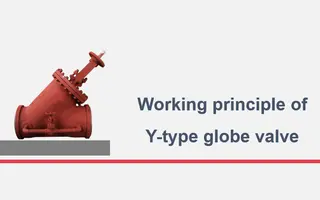
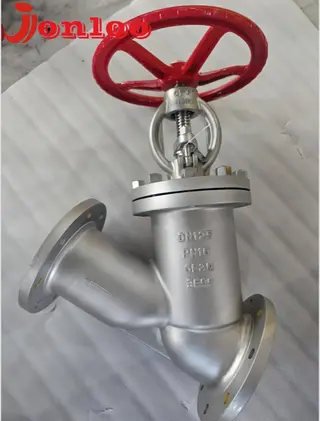
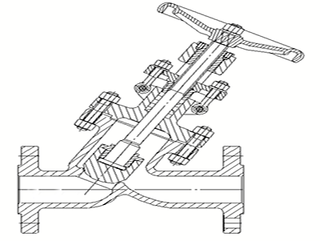
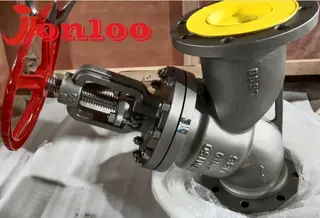
The defining feature of a Y-type globe valve is its Y-shaped internal flow passage. Unlike conventional globe valves, where the stem is positioned perpendicular to the flow path, the stem of a Y-type globe valve is arranged at an angle of approximately 45 degrees to the pipeline axis. This inclined configuration creates a smoother flow path and minimizes resistance as the fluid passes through the valve.
1. What Is a Y-Type Globe Valve?
A Y-type globe valve is an improved form of the traditional globe valve widely used in industrial piping systems. Its key characteristic is the Y-shaped valve body design, in which the stem and flow passage are arranged at an inclined angle rather than at a 90-degree relationship. This geometry allows the process medium to flow through the valve more smoothly with reduced turbulence.
The valve mainly consists of a valve body, bonnet, stem, disc, seat, and handwheel or actuator. When the handwheel is turned, the stem moves vertically. As the stem rises, the disc lifts away from the seat, allowing the medium to pass through the valve. When the stem descends, the disc presses firmly against the seat, sealing the valve and stopping the flow. This configuration combines the dependable sealing performance of a globe valve with enhanced hydraulic efficiency.

2. Y-Type Globe Valve vs. Conventional Globe Valves
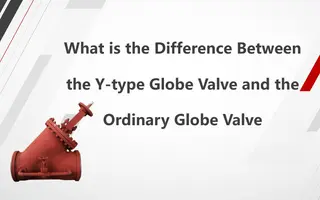
Traditional globe valves generally employ a T-pattern body in which the fluid must change direction sharply as it flows through the valve. Although this design offers excellent shut-off capability, the abrupt change in flow direction creates significant turbulence, resulting in energy loss and pressure drop.
By contrast, a Y-type globe valve positions the stem and seat at an angle of approximately 45 degrees. When fully open, the flow path becomes much closer to a straight line, reducing sudden directional changes. This optimized geometry provides several direct benefits, including substantially lower flow resistance, improved system efficiency, reduced pressure loss, and less internal erosion. The smoother flow also minimizes wear on internal components, helping extend the service life of the valve.

3. Importance of Correct Flow Direction
The proper flow direction for a Y-type globe valve is with the medium entering beneath the valve disc and exiting through the inclined outlet. This arrangement creates a smoother flow path, reduces turbulence and pressure loss, and helps maintain reliable sealing performance.
When the medium enters below the disc, fluid pressure assists in pressing the disc against the seat, creating a tighter seal while reducing the load on the stem packing. This lowers the risk of leakage and minimizes premature wear caused by improper force distribution. If the valve is installed in the wrong direction, adverse forces may act on the sealing surfaces, increasing the likelihood of leakage and component failure.
The importance of correct flow direction becomes even more critical in high-temperature and high-pressure steam systems. Proper installation helps prevent back pressure from damaging the sealing surfaces and ensures safe, stable long-term operation. During installation, engineers typically verify the flow direction by checking the cast flow arrow on the valve body or referring to engineering drawings.
Performance Advantages and Application Areas
The primary advantages of Y-type globe valves are their low pressure loss and dependable sealing capability. These characteristics make them suitable for oil and gas pipelines, steam power plants, chemical processing facilities, cooling water systems, ships, and offshore engineering projects.
1. Low Pressure Loss
One of the most significant advantages of the Y-type globe valve is its ability to minimize pressure drop. Compared with conventional T-pattern globe valves, its optimized flow path can reduce pressure loss by nearly half. Traditional globe valves force the fluid to make sharp directional changes, generating turbulence and wasting energy. The Y-shaped configuration minimizes these abrupt turns, allowing fluid to flow more smoothly through the valve.
In systems where flow efficiency is a priority, this reduced pressure drop translates into lower energy consumption, decreased operating costs, and improved overall system performance.
2. Reliable Sealing Performance
Y-type globe valves provide excellent shut-off performance. With the correct flow orientation, system pressure assists in pressing the disc firmly against the seat, creating a more effective seal. Compared with conventional globe valves, this design also offers superior throttling characteristics and improved flow control.
The inclined body guides the medium smoothly from the inlet to the outlet, reducing turbulence and pressure loss associated with sudden changes in flow direction. As a result, energy consumption decreases while operators gain more stable and precise flow regulation.
3. Major Application Industries
Thanks to their low pressure drop, high efficiency, and excellent throttling capability, Y-type globe valves are widely used across numerous industries.
- Oil and Gas Pipelines: In long-distance transmission systems, minimizing pressure loss is essential for maintaining transport efficiency and reducing energy consumption. Y-type globe valves help optimize pipeline performance.
- Steam Power Plants: Steam applications typically involve elevated temperatures and pressures that demand reliable sealing and operational stability. Properly installed Y-type globe valves prevent back pressure from damaging sealing surfaces and ensure safe long-term operation.
- Chemical Processing Systems: Many chemical processes require precise flow regulation. Y-type globe valves provide stable throttling performance to meet demanding process control requirements.
- Cooling Water Circuits: In cooling systems requiring consistent flow management, the smooth flow characteristics of Y-type globe valves contribute to reliable and stable operation.
- Marine and Offshore Engineering: Marine Y-type globe valves are commonly used in fuel oil, seawater, steam, and other critical piping systems. Their corrosion resistance and dependable operation make them suitable for prolonged service in harsh offshore environments.
4. Special Advantages in Marine Applications
Y-type globe valves are especially valued in shipbuilding and offshore engineering because of their structural advantages. Their Y-pattern flow path and optimized disc configuration provide excellent sealing performance, reducing the risk of media leakage and enhancing both operational safety and environmental protection.
They also offer superior pressure control under high-pressure conditions, making them ideal for marine propulsion systems, steam systems, and hydraulic circuits. In addition, their relatively simple internal mechanism contains fewer moving parts, resulting in reduced maintenance requirements—an important benefit in confined shipboard environments where maintenance costs are high.
Marine Y-type globe valves are typically manufactured from corrosion-resistant materials capable of withstanding seawater, salt spray, and other aggressive marine conditions for extended periods. Consequently, they provide exceptional durability and long-term reliability while supporting continuous automated process control in modern industrial systems.

Key Considerations for Y-Type Globe Valve Selection
Understanding the advantages of Y-type globe valves is only part of the process. Proper valve selection requires careful evaluation of four major factors: material selection, valve size, actuation method, and suitability for the intended operating conditions.
1. Material Selection
The valve body and sealing materials should be selected according to the chemical properties of the process medium, operating temperature, and pressure rating. Common body materials include cast iron, stainless steel, and brass.
For corrosive media or demanding service conditions, corrosion-resistant materials should be prioritized to improve service life and operational reliability. This consideration is particularly important in marine environments where valves are continuously exposed to seawater and salt-laden atmospheres.
2. Determining Valve Size
Valve size should be selected based on system flow requirements, operating pressure, and process conditions. Oversized or undersized valves can negatively affect system efficiency and flow control accuracy. Proper sizing ensures optimal performance under actual operating conditions.
3. Selecting the Actuation Method
Depending on automation requirements, Y-type globe valves may be equipped with manual, electric, or pneumatic actuators. Manual operation is appropriate for applications requiring infrequent operation without remote control, while electric and pneumatic actuators are preferred in highly automated systems.
4. Evaluating Operating Conditions
Engineers should assess installation space, connection standards, and operating requirements to ensure compatibility with the overall piping system. In specialized applications such as marine installations, compact layouts and pipeline compatibility deserve additional attention.
Installation Guidelines for Y-Type Globe Valve
Correct installation is essential for ensuring long-term, reliable operation of Y-type globe valves.
1. Confirm the Flow Direction
The flow direction marked on the valve body must match the actual direction of medium flow within the pipeline. Proper orientation is one of the most critical installation requirements for achieving optimal sealing performance and minimum pressure loss.
2. Select an Appropriate Installation Position
Y-type globe valves are commonly installed in horizontal pipelines but may also be installed in vertical pipelines when permitted by process requirements. Sufficient space should always be reserved for valve operation, inspection, and maintenance.
3. Clean the Pipeline Before Installation
Before installation, the pipeline should be thoroughly cleaned to remove welding slag, metal chips, rust, and other contaminants. Foreign materials entering the valve may damage sealing surfaces or interfere with normal operation.
4. Connection Precautions
Valve connections should be secure and leak-free while avoiding excessive tightening that could damage sealing surfaces or connecting components. Proper installation ensures the integrity of the entire piping system.
5. Special Considerations for Marine Installations
Shipboard spaces are often limited, requiring careful planning of valve positioning, connection methods, and compatibility with existing piping. Installation may therefore be more complicated than with standard valves and demands experienced personnel to avoid layout conflicts.
Operation and Maintenance of Y-Type Globe Valve
Proper daily operation and routine maintenance are essential for extending the service life of Y-type globe valves.
1. Daily Operating Practices
Valves should always be opened and closed smoothly. Manual valves should be operated by turning the handwheel gradually, while electric or pneumatic actuators should be controlled according to recommended operating speeds to prevent impact damage to internal components.
Because friction occurs between sealing surfaces during opening and closing, excessive cycling should be avoided. Frequent operation accelerates wear and reduces sealing performance over time.
The valve should also be periodically checked to ensure it is either fully open or fully closed. Prolonged operation in a partially open position may reduce efficiency and increase internal wear.
2. Maintenance Procedures
Routine inspections should include the valve body, stem, sealing surfaces, and other critical components for signs of wear, corrosion, or abnormal conditions.
Manual valves require periodic lubrication of the stem and threaded portions to reduce friction and ensure smooth operation. For electrically or pneumatically actuated valves, actuator performance and lubrication should also be inspected to maintain reliable control.
If leakage or degraded sealing performance is detected, worn seals should be replaced promptly to restore proper operation and extend the service life of the valve.
3. Protective Measures
Where valves are exposed to vibration, mechanical shock, or external forces, additional protective measures such as supports or vibration isolation devices should be installed to minimize damage.
4. Emergency Response
If leakage occurs, the valve should be taken out of service immediately. The upstream and downstream isolation points should be closed, and system pressure safely relieved before repair or component replacement is carried out.
In emergency shut-off situations, operators should avoid applying excessive force that could damage the stem, sealing surfaces, or actuator. Smooth and controlled closure helps protect both personnel and equipment.
Limitations and Practical Considerations
Although Y-type globe valves offer many performance advantages, they also have certain limitations. These include relatively higher procurement costs, increased inspection requirements in harsh environments, possible long-term wear of sealing components, and more complex installation procedures compared with conventional valves.
1. Cost Considerations
Because of their more sophisticated design and manufacturing requirements, Y-type globe valves generally cost more than standard globe valves. The higher initial investment should be weighed against their performance benefits and long-term operating savings.
2. Maintenance Requirements
Despite their relatively simple maintenance needs, valves operating in seawater or salt-rich environments require more frequent inspections to prevent corrosion and deposits from affecting performance. A well-planned maintenance schedule is essential for long-term reliability.
3. Component Wear
Even though Y-type globe valves are designed for durability, continuous exposure to corrosive marine environments can accelerate wear on sealing surfaces, stems, and other key components. Regular inspections help identify wear before premature failure occurs.
4. Installation Complexity
The confined spaces typical of marine installations require careful planning of valve placement and piping compatibility. Consequently, installation may be more demanding than that of conventional valves and requires experienced technicians.
Conclusion
With their distinctive Y-pattern body design, low flow resistance, and outstanding sealing performance, Y-type globe valves are widely used in oil and gas, chemical processing, power generation, steam systems, and numerous other industrial applications for shut-off and flow regulation.
Compared with conventional globe valves, the approximately 45-degree inclined arrangement of the stem and seat creates a flow path that is much closer to a straight line when the valve is open. This significantly reduces flow resistance and improves overall system efficiency. Correct installation in the specified flow direction is essential to maintain sealing performance and maximize service life.
Successful long-term operation depends on proper valve selection, installation, operation, and maintenance. Choosing suitable materials, sizes, and actuators, ensuring correct installation orientation, following recommended operating practices, performing regular inspections, and promptly addressing abnormal conditions all contribute to safe, stable, and reliable performance.
In marine and offshore applications, the corrosion resistance and reliability of Y-type globe valves make them particularly valuable. At the same time, users should carefully consider factors such as procurement cost, maintenance planning, and installation complexity. Through sound engineering selection, correct installation, and systematic maintenance, Y-type globe valves can deliver optimal performance and provide dependable protection for industrial piping systems across a wide range of operating conditions.
Send your message to this supplier
Related Articles from the Supplier

Cleaning and Maintenance Process of Y-Type Strainers
- Feb 13, 2025
Complete Installation Guide for Y-Type Strainers
- Nov 06, 2025
Related Articles from China Manufacturers
Working Principle of Y-type Globe Valve
- Jul 05, 2024
The Introduction of Y-Type Globe Valve
- Dec 13, 2025
Ultra-High-Pressure Y-Type Self-Sealing Globe Valves
- Jan 06, 2025
Extra High Pressure Y-type Globe Valves
- Nov 16, 2021
Related Products Mentioned in the Article

Zhejiang Kosen Valve Co., Ltd.
- https://www.kosenvalve.com/
- Business Type: Industry & Trading, Manufacturer,
Supplier Website
Source: https://www.kosenvalve.com/media-hub/y-type-globe-valve-structure-principle-installation.html