
Y-Type Globe Valve Selection, Installation & Maintenance
In industrial piping systems, valve selection directly affects the operational efficiency and safety performance of the entire system. As a specialized type of valve, the Y-type globe valve has been widely applied in fields such as petrochemical, power, pharmaceutical, and HVAC due to its unique structural design and excellent operational characteristics. This article provides a detailed introduction to Y-type globe valves from the aspects of basic principles, selection points, installation standards, and operation and maintenance, helping engineers and technical personnel better understand and use this important equipment.
Basic Working Principle of Y-Type Globe Valve
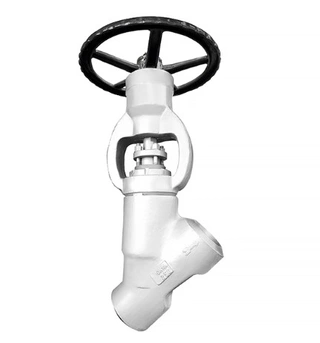
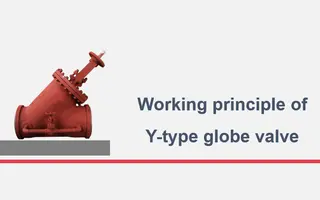
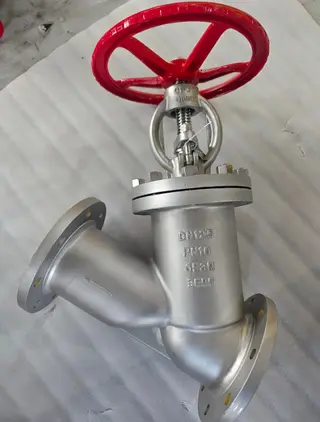
The core working principle of a Y-type globe valve is that the valve stem drives the disc (plug) to move vertically along the centerline of the valve seat to achieve control of fluid flow or flow regulation. When the valve opens, the stem rises, and the disc moves away from the seat, allowing fluid to pass through the Y-shaped oblique flow channel inside the valve body; when the valve closes, the stem presses the disc down, making it fit tightly with the sealing surface of the seat to cut off the flow of the medium.
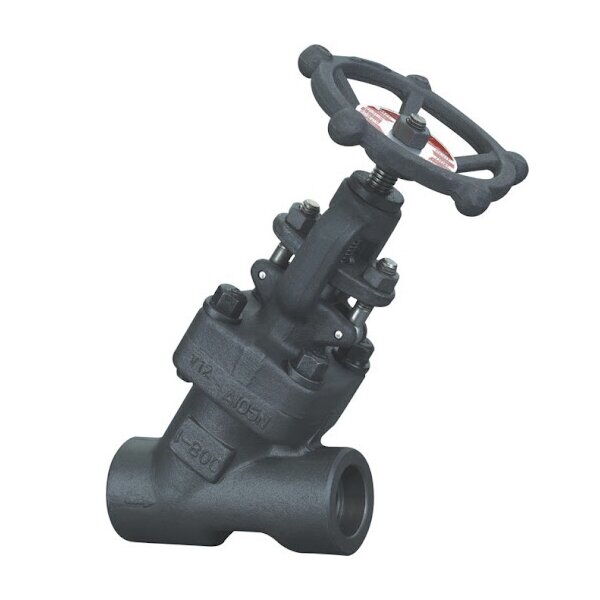
Compared with traditional globe valves, the most significant feature of the Y-type globe valve is that the valve body flow path is designed at a 45° or 60° oblique angle relative to the main flow path. This inclined structure allows the fluid to pass through the valve with almost no change in flow direction, requiring only one smooth turn of approximately 90°, thereby significantly reducing flow resistance.
Structural Advantages of Y-Type Globe Valve
The unique geometry of the Y-type globe valve, where the valve body, stem, and seat form approximately a 45° angle, brings the following technical advantages:
- Optimized Flow Performance: The internal flow path of a traditional T-type globe valve is S-shaped, requiring the fluid to change direction twice, resulting in significant pressure loss. The Y-type design features a straighter path, reducing pressure drop by nearly half, with flow resistance coefficients typically between 0.5–1.2, which is about 30%–50% lower than straight-through globe valves.
- Reduced Wear: Due to the smoother flow path, turbulence generated by the fluid is significantly reduced, which not only lowers energy loss but also decreases erosion and wear on internal valve components, helping to extend the valve’s service life.
- Self-Cleaning Function: The smooth channel of the Y-type body reduces the formation of dead zones, making it difficult for suspended particles to deposit inside the valve, which is especially suitable for pipeline systems with coking or solid particles.
Key Considerations for Selecting Y-Type Globe Valves
After understanding the working principle and structural characteristics of Y-type globe valves, the key issue in practical engineering is how to correctly select a suitable model. Improper selection not only affects system performance but may also lead to premature valve failure or safety hazards.
1. Material Selection
The selection of valve body and sealing materials should be determined according to the chemical properties, temperature, and pressure of the transported medium:
- Valve Body Material: Common materials include cast iron, carbon steel (WCB), stainless steel (304/316, CF8M), and alloy steel (WC6/WC9). For corrosive media, corrosion-resistant materials such as stainless steel or Hastelloy should be chosen; for high-temperature conditions, special materials such as chromium-molybdenum steel should be considered.
- Sealing Material: Sealing surfaces may use hard alloy overlays, PTFE soft seals, or graphite packing. For high differential pressure conditions, hard alloy seals provide better wear and erosion resistance.
- Special Conditions: In low-temperature environments (-196°C), austenitic stainless steel with cryogenic treatment should be used; for media containing particles, Y-type globe valves with oblique sealing surfaces are preferred.
2. Specification Determination
- Nominal Diameter: Select the appropriate valve size according to the system’s flow and pressure requirements. Generally, Y-type globe valves are most advantageous for pipelines smaller than DN100, and the valve bore should match the pipe diameter.
- Pressure Rating: The working pressure rating of the valve should be slightly higher than the actual operating pressure of the pipeline system. Y-type globe valves are available in a wide range of pressure ratings, from low pressure to Class 1500 (PN260).
- Temperature Range: Select the valve type according to the medium temperature. Ordinary carbon steel valves typically operate between -29°C and 425°C, while special materials can extend the range to -196°C to 550°C.
3. Actuation Method Selection
Depending on automation control requirements, Y-type globe valves can be equipped with different actuation methods:
- Manual Operation: Suitable for infrequent operation and applications not requiring remote control, usually equipped with a handwheel or gearbox.
- Electric Actuator: Suitable for systems requiring remote control and automated adjustment, enabling precise position control.
- Pneumatic Actuator: Offers fast response, suitable for conditions requiring frequent operation or rapid shutoff. Due to the smooth and low-resistance flow path of Y-type valves, the disc experiences less hydraulic resistance and can operate quickly under pneumatic drive.
Installation Standards for Y-Type Globe Valves
After selecting the valve, proper installation is key to ensuring normal operation. Even the most suitable valve model can fail if installed incorrectly, leading to sealing failure, difficult operation, or even equipment damage.
1. Flow Direction Requirement
The flow direction of a Y-type globe valve is critical. The valve must be installed so that the direction mark matches the flow of the medium in the pipeline. Correct flow direction allows the fluid to enter from below the disc and exit through the inclined outlet.
The correct flow direction ensures:
Pressure acts on the disc and seat, helping achieve a tight seal.
Stem packing is protected from excessive stress, reducing the risk of leakage.
In steam systems, following the correct flow direction prevents backpressure damage to the sealing surface, ensuring safety.
Before installation, carefully check the flow arrow cast on the valve body or refer to the installation drawings to confirm the correct direction.
2. Installation Position and Space
- Pipeline Orientation: Y-type valves are usually installed on horizontal pipelines but can be installed on vertical pipelines if required. For vertical installation, special attention must be paid to actuator placement to ensure ease of operation and maintenance.
- Operation Space: Ensure adequate space for opening, closing, and routine inspection and maintenance. The handwheel rotation radius and actuator height are key factors for maintenance convenience.
- Pipeline Cleaning: Before installation, thoroughly clean the pipeline system to remove debris, welding slag, and other foreign materials to avoid affecting valve sealing and operation.
3. Connection and Fixation
Valves can be connected by flange, butt weld, socket weld, or threaded connection. During connection, attention should be paid to:
Ensuring flange specifications match, including bolt hole spacing and sealing face type, conforming to relevant standards (e.g., GB/T12221).
Avoiding leaks caused by improper connection.
Not over-tightening to prevent damage to valve sealing surfaces and connection components.
Operation and Maintenance of Y-Type Globe Valves
Proper installation lays the foundation for normal operation, while correct daily operation and regular maintenance are key to extending service life and ensuring system stability.
1. Correct Operation Method
- Opening and Closing: When opening or closing the valve, rotate the handwheel or actuator slowly to avoid damaging internal components. Rapid operation may cause water hammer, impacting the pipeline system.
- Operation Frequency Control: Y-type globe valves have a limited number of cycles. Frequent operation may lead to seal surface wear. Operate reasonably according to working conditions.
- Status Inspection: Regularly check valve positions to ensure fully open or fully closed, avoiding partially open/closed states that affect efficiency and increase seal wear.
2. Regular Maintenance Points
- Component Inspection: Periodically inspect all valve components, especially the sealing surface and stem, for wear, corrosion, or other abnormalities. Replace seals promptly if sealing performance decreases.
- Lubrication Maintenance: For manual valves, regularly lubricate stems and threaded parts to reduce friction and ensure smooth operation. For electric or pneumatic actuators, regularly check operating status and lubrication.
- Protective Measures: In environments subject to external impacts or vibrations, install supports or damping devices to protect the valve from damage.
3. Emergency Handling
- Leakage Treatment: If leakage occurs, stop using the valve immediately, close upstream and downstream pipelines, release system pressure, and then perform maintenance or replacement. Never perform repairs under pressure.
- Emergency Shutdown: In cases requiring rapid closure, avoid excessive force to prevent valve damage; operate slowly and steadily to ensure complete closure.
Industrial Application Advantages of Y-Type Globe Valves
Through scientific operation and systematic maintenance, Y-type globe valves can fully demonstrate their technical advantages in various industrial scenarios. The following analyzes their core value in practical applications:
1. Flow Performance Advantage
Compared with traditional globe valves, the smooth oblique flow channel of the Y-type valve reduces pressure loss while achieving higher flow efficiency. In steam, water supply, and other industrial fluid systems, the Y-type design helps maintain stable flow, improving overall energy efficiency and maintaining downstream pressure stability.
This smooth operation makes Y-type valves particularly suitable for oil and gas pipelines, steam power plants, and cooling circuits, where energy saving and precise flow regulation are required. Selecting the correct design and flow direction allows engineers to maximize flow capacity while reducing operating costs.
2. Automation System Compatibility
In modern industrial plants, many valves are equipped with pneumatic actuators or integrated into automated systems. The smoother flow and lower resistance in Y-type valves reduce hydraulic resistance on the disc, allowing rapid operation under pneumatic actuators. Lower turbulence also reduces vibration and mechanical stress, improving durability during repeated automated cycles.
3. Durability and Reliability
Steam, water, or gas in industrial fluid systems generates continuous turbulence inside valves. Traditional S-shaped flow paths increase local velocity variations, accelerating wear on the seat and disc. Y-type valves have smoother internal channels, allowing uniform flow and reducing erosion on sealing surfaces, decreasing component wear, lowering maintenance frequency, and extending service life.
In chemical processes, HVAC systems, and other industrial applications, maintenance costs often account for a significant portion of lifecycle expenses, so naturally reducing wear is highly attractive for long-term operation.
Limitations of Y-Type Globe Valves
Despite numerous advantages, Y-type globe valves also have limitations in certain applications:
- Throttling Accuracy: Traditional S-shaped globe valves are suitable for precise throttling due to predictable flow characteristics. Y-type valves prioritize smooth flow, slightly sacrificing throttling precision.
- Applicable Diameter Limits: Y-type valves are usually suitable for small- to medium-diameter pipelines and moderate conditions. In ultra-high-pressure or high-temperature applications (e.g., large high-pressure valve systems), traditional forged valves may still be preferable. For pipelines larger than DN100, other valve types should be considered.
- Structural Length: Compared with gate and butterfly valves, Y-type valves have a longer structural length, which may require special consideration in limited spaces.
Conclusion
With its unique 45° angled design, the Y-type globe valve demonstrates significant advantages in reducing pressure drop, improving flow efficiency, and extending service life, making it an ideal choice for cutting off and regulating fluids in industrial piping systems. Correct selection, standardized installation, and regular maintenance are key to ensuring long-term stable operation.
In practical engineering applications, technical personnel should fully consider medium characteristics, operating conditions, and automation requirements when selecting materials, specifications, and actuation methods for Y-type valves. At the same time, strictly follow installation standards to ensure correct flow direction, reliable connection, and convenient maintenance. Through scientific selection and proper management, Y-type globe valves can provide safe, efficient, and reliable fluid control solutions for industrial piping systems.
Send your message to this supplier
Related Articles from the Supplier
Related Articles from China Manufacturers
The Introduction of Y-Type Globe Valve
- Dec 13, 2025
Working Principle of Y-type Globe Valve
- Jul 05, 2024
Extra High Pressure Y-type Globe Valves
- Nov 16, 2021
Ultra-High-Pressure Y-Type Self-Sealing Globe Valves
- Jan 06, 2025
Y-Type vs. T-Type Strainers
- Jul 11, 2025
Related Products Mentioned in the Article


Supplier Website
Source: https://www.valvepackingsealkits.com/news/y-type-globe-valve-selection-installation-maintenance.html