
An Introduction to Containerized Diesel Generator Sets
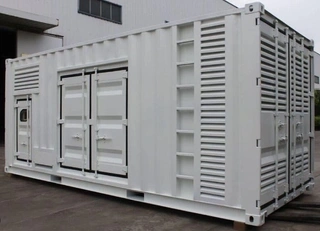
A containerized diesel generator set is a highly integrated and engineered power generation solution that combines all essential components, including the diesel engine, alternator, control system, fuel tank, cooling system, and exhaust system, within a standard ISO shipping container or a specially customized enclosure. This innovative design transforms traditional generator systems into compact, transportable, and fully protected units that can be deployed rapidly in a wide range of environments.
Unlike conventional open-frame or canopy-type generators, containerized units leverage the inherent strength and durability of shipping containers. The enclosure not only acts as a structural frame but also provides comprehensive protection against environmental and operational hazards. These include extreme weather conditions such as heavy rain, snow, and high winds, as well as exposure to dust, sand, debris, and corrosive atmospheres. Additionally, the enclosed design offers enhanced resistance to physical damage and unauthorized access.
The concept of a plug-and-play power system is central to containerized diesel generator sets. Once delivered to a site, the unit typically requires only minimal setup, such as electrical connection, grounding, and fuel supply, before it becomes operational. This significantly reduces installation time, labor costs, and infrastructure requirements. As a result, containerized generators are increasingly favored in industries where rapid deployment, reliability, and mobility are critical.
Why Choose Containerized Diesel Generator Sets?
The growing adoption of containerized diesel generator sets across industries is driven by their ability to address several limitations associated with traditional generator installations. These advantages can be examined in greater detail across five key dimensions.
1. Transportation Efficiency and Deployment Flexibility
One of the most significant advantages of containerized generator sets is their compatibility with global transportation standards. Designed according to ISO container dimensions—typically 20-foot and 40-foot formats—these units can be handled using standard logistics infrastructure. They can be transported seamlessly via trucks, rail systems, and marine vessels without requiring specialized equipment or handling procedures.
This standardization greatly simplifies logistics planning, particularly for international projects or operations in remote locations. For example, in large-scale construction projects that move from one phase or location to another, the generator can be easily relocated alongside other equipment. Similarly, for temporary installations such as festivals, exhibitions, or emergency relief operations, the ability to quickly deploy and redeploy power systems is invaluable.
Furthermore, containerized units are often designed with lifting points, forklift pockets, and reinforced structural frames, ensuring safe handling during loading, unloading, and installation.
2. Exceptional Protection and Durability
The enclosure of a containerized diesel generator set is engineered to provide a high level of protection against environmental and mechanical stress. Typically constructed from high-strength steel, the container is treated with advanced anti-corrosion coatings such as galvanization or specialized paint systems. In particularly harsh environments—such as offshore platforms or coastal regions—stainless steel or enhanced protective coatings may be used.
This robust construction ensures that internal components remain shielded from moisture, dust ingress, salt spray, and chemical exposure. As a result, the generator maintains stable performance even in challenging conditions, reducing the risk of downtime and extending its operational lifespan.
In addition to environmental protection, the container structure also enhances physical security. Reinforced doors, tamper-resistant locks, and fully enclosed designs help prevent theft, vandalism, and unauthorized access. This is particularly important for installations in remote or unattended locations.
3. Advanced Noise Reduction Capabilities
Noise pollution is a critical concern in many generator applications, especially in urban or sensitive environments. Containerized diesel generator sets are designed with integrated acoustic treatment systems that significantly reduce operational noise levels.
The interior of the container is typically lined with multi-layer sound-absorbing materials, such as acoustic foam, perforated panels, and mineral wool. In addition, airflow paths for intake and exhaust are carefully engineered to minimize noise transmission while maintaining adequate ventilation.
As a result, these generators can achieve noise levels in the range of 65 to 75 decibels at a specified distance, depending on the design and configuration. This level of noise is comparable to normal conversation, making the units suitable for use in residential areas, hospitals, schools, and commercial districts where strict noise regulations apply.
4. Integrated Design and Scalability
Containerized generator sets are designed as fully self-contained systems, integrating all major subsystems within a single enclosure. This includes fuel storage, control panels, exhaust systems, and sometimes even auxiliary equipment such as switchgear and transformers.
This high level of integration simplifies installation and operation, as there is no need for extensive on-site assembly or additional infrastructure. The system can operate independently once connected to the load and fuel supply.
Moreover, containerized generators offer excellent scalability. Multiple units can be connected in parallel to form a power plant capable of meeting higher demand. This modular approach allows users to expand capacity as needed without replacing existing equipment.
Customization options further enhance flexibility. Users can specify larger fuel tanks for extended runtime, advanced filtration systems for harsh environments, remote monitoring and control systems for operational efficiency, and hybrid configurations that integrate renewable energy sources.
5. Safety and Environmental Protection
Safety is a fundamental consideration in the design of containerized diesel generator sets. Many units are equipped with bunded (double-wall) base frames that provide secondary containment for fuel and oil. This design prevents leaks from contaminating the surrounding environment and complies with environmental protection regulations.
Fire safety features, such as fire detection and suppression systems, can also be integrated into the container. Ventilation systems are designed to prevent the accumulation of hazardous gases, while exhaust systems ensure safe discharge of emissions.
Additionally, the enclosed structure reduces the risk of accidental contact with moving or high-temperature components, enhancing operator safety.
Applications of Containerized Diesel Generator Sets
The versatility of containerized diesel generator sets allows them to be used across a wide range of industries and applications.
1. Emergency Backup Power Systems
In critical facilities such as hospitals, data centers, manufacturing plants, and telecommunications infrastructure, uninterrupted power supply is essential. Containerized generators serve as reliable backup systems that can automatically start within seconds of a power outage.
When integrated with an Automatic Transfer Switch (ATS), the generator can seamlessly take over the load from the grid, ensuring continuous operation of critical systems. High-capacity fuel tanks enable extended runtime, making these units suitable for prolonged outages.
2. Marine and Offshore Applications
Marine environments present unique challenges, including high humidity, salt corrosion, and constant vibration. Containerized generators designed for these applications are built to meet stringent standards set by classification societies such as CCS and DNV.
These units are commonly used on ships, offshore drilling platforms, and wind energy installations, providing both primary and auxiliary power. Their robust construction ensures reliable performance under extreme conditions.
3. Construction and Mining Operations
Construction sites and mining operations often take place in remote areas where grid power is unavailable or unreliable. Containerized diesel generator sets provide a dependable source of electricity for heavy machinery, lighting, and support systems.
Their rugged design allows them to operate in dusty, high-temperature, and physically demanding environments. The ability to relocate the generator as the project progresses further enhances operational efficiency.
4. Events and Temporary Power Supply
Large-scale events such as concerts, sports competitions, and exhibitions require temporary but reliable power solutions. Containerized generators can be quickly transported to the site, installed with minimal setup, and removed after the event.
Their quiet operation and compact footprint make them particularly suitable for use in urban environments.
5. Disaster Recovery and Emergency Response
In the aftermath of natural disasters such as earthquakes, hurricanes, or floods, power infrastructure is often severely damaged. Containerized diesel generator sets play a critical role in restoring essential services.
They can be rapidly deployed to provide power for emergency shelters, medical facilities, communication systems, and rescue operations, supporting recovery efforts and saving lives.
Structural Design and Technical Features
Understanding the internal structure of containerized diesel generator sets highlights the level of engineering involved in their design.
1. Enclosure System
The container serves as a multifunctional system that integrates structural support, environmental protection, ventilation, and noise control. High-strength steel construction, combined with corrosion-resistant treatments, ensures durability.
Ventilation openings are equipped with louvers and filters to prevent the ingress of dust and water while maintaining airflow. Acoustic insulation materials reduce noise transmission.
2. Base Frame and Load-Bearing Structure
The base frame is designed to support the weight of all internal components and withstand dynamic loads during transportation. It is typically constructed from heavy-duty steel and includes mounting points for secure installation.
The design ensures compatibility with standard container handling equipment.
3. Ventilation and Cooling System
Efficient cooling is essential for maintaining engine performance and preventing overheating. Containerized generators use a combination of forced ventilation and radiator-based cooling systems.
Airflow is carefully managed to ensure that fresh air is drawn into the container while hot air is expelled effectively. This maintains optimal operating temperatures under various environmental conditions.
4. Maintenance Accessibility
Despite the enclosed design, containerized generators are engineered for ease of maintenance. Access doors, removable panels, and internal lighting allow technicians to perform inspections, servicing, and repairs without difficulty.
5. Weight Specifications and Transportation Considerations
The weight of containerized diesel generator sets varies depending on power rating and configuration. Typical ranges include:
500–800 kVA (20-foot container): 10–15 tons
1000–1500 kVA (40-foot container): 18–25 tons
Above 2000 kVA: 28–35 tons
Proper planning is required to ensure safe transportation and installation. This includes assessing road conditions, selecting appropriate lifting equipment, and preparing the installation site.
How to Select the Right Generator Set?
Selecting the appropriate containerized diesel generator set requires careful evaluation of several factors.
- Load Calculation: Determine the total power demand, including peak loads and motor starting requirements. A safety margin of approximately 25% should be included to ensure reliable operation.
- Environmental Conditions: Choose a design that matches the operating environment, considering factors such as temperature, humidity, and exposure to corrosive elements.
- Noise Requirements: Select a soundproof model if the generator will be used in noise-sensitive areas.
- Fuel Capacity: Ensure that the fuel system can support the required runtime, especially for applications requiring continuous operation.
- Manufacturer Selection: Choose a reputable manufacturer with proven experience, strong after-sales support, and compliance with relevant standards.
Installation and Maintenance Considerations
Proper installation and maintenance are essential for ensuring optimal performance.
- Site Preparation: Install the generator on a stable, level surface with adequate ventilation and space for maintenance.
- Electrical Connections: Ensure that all electrical work is performed by qualified professionals and complies with safety standards.
- Fuel and Cooling Systems: Regularly inspect and maintain these systems to ensure reliable operation.
- Routine Maintenance: Follow the manufacturer’s recommended maintenance schedule to extend the lifespan of the equipment and minimize downtime.
Conclusion
Containerized diesel generator sets represent a modern, efficient, and reliable solution for both backup and primary power applications. Their integrated design, robust protection, ease of transport, and scalability make them an ideal choice for a wide range of industries.
Whether used to support critical infrastructure, power remote operations, or provide emergency electricity during disasters, these systems deliver consistent performance and operational flexibility. By selecting the right configuration and ensuring proper installation and maintenance, users can maximize the benefits of this advanced power solution and achieve long-term reliability and efficiency.
Send your message to this supplier
Related Articles from the Supplier
An Introduction to Alternators in Generator Sets
- May 22, 2026

Related Articles from China Manufacturers

An Introduction to the Digital Two Way Radios
- May 16, 2017
An Introduction to Flange Joints
- Aug 19, 2020

An Introduction to 23mn Steel Pipe
- Aug 29, 2020
An Introduction to Coated Steel Pipes
- Jan 06, 2021

An Introduction to Vacuum Packaging for Food
- Mar 03, 2021
An Introduction to the Welding Neck Flange
- Jun 03, 2017
Related Products Mentioned in the Article


Supplier Website
Source: https://genset-generator-suppliers.com/news/an-introduction-to-containerized-diesel-generator-sets.html