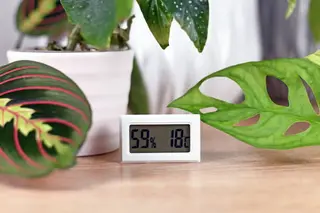
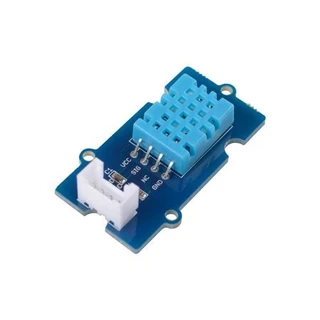
A temperature sensor is a device that measures heat or cold in solids, liquids, or gases and converts thermal changes into electrical signals for monitoring and control systems. These signals are used in displays, automation equipment, and industrial controllers to ensure accurate temperature regulation and process stability.
Temperature sensors are widely applied in HVAC systems, industrial automation, energy management, food processing, medical devices, and environmental monitoring. They may use thermocouple, RTD, or semiconductor technologies depending on required accuracy and application conditions.
As a leading temperature sensor online marketplace in China, CNMFRS.com connects global buyers with reliable Chinese manufacturers and suppliers, offering diverse, high-quality sensing solutions to support efficient sourcing and customized industrial needs worldwide.
Temperature Sensors Product List
What is a Temperature Sensor?
A temperature sensor is a precision instrument designed to measure and monitor temperature by converting thermal energy into an electrical signal. It plays a critical role in industrial automation, process control, energy systems, and scientific applications where accurate temperature data is essential for safety, efficiency, and performance optimization.
The two most commonly used technologies in temperature sensing are thermocouples and Resistance Temperature Detectors (RTDs). A thermocouple is constructed from two dissimilar metal wires joined at one end. When the junction experiences a temperature change, it generates a small electrical voltage that corresponds directly to the temperature level. This self-powered principle makes thermocouples highly suitable for high-temperature and rugged industrial environments.
An RTD (Resistance Temperature Detector), on the other hand, operates based on the predictable change in electrical resistance of a metal element—typically platinum—as temperature varies. RTDs are known for their excellent accuracy, long-term stability, and nearly linear output characteristics, making them ideal for applications that require precise and repeatable measurements.
Types of Temperature Sensors
Temperature sensors are available in several forms to meet different application requirements:
RTD Sensors
RTD sensors are widely used in industrial and laboratory environments where high accuracy and stability are required. They deliver reliable performance across a wide temperature range and are especially valued in process control systems.
Infrared Temperature Sensors
Infrared sensors measure temperature without physical contact by detecting thermal radiation emitted from an object. These sensors are ideal for moving objects, hazardous environments, or applications where direct contact measurement is not possible.
Applications of Temperature Sensors
Temperature sensors are used across nearly every industry due to their versatility and importance in process monitoring. Their primary function is to measure temperature in machinery, environments, and production systems, ensuring stable and safe operation.
In industrial settings, temperature sensors help monitor equipment performance, detect overheating, and prevent system failures. They are also widely used in HVAC systems to regulate heating, ventilation, and air conditioning for comfortable and energy-efficient indoor environments.
In the medical field, temperature sensors are essential for patient monitoring devices, laboratory equipment, and medical storage systems such as refrigerators for vaccines and pharmaceuticals. In the automotive industry, they support engine control systems, exhaust monitoring, and battery temperature regulation in electric vehicles.
Additionally, they are extensively used in refrigeration systems, food processing, aerospace engineering, and environmental monitoring. Their ability to provide accurate thermal data makes them indispensable in both critical and everyday applications.
Key Benefits of Temperature Sensors
1. High Reliability and Cost Efficiency
Temperature sensing technology is well-developed and highly reliable. Modern sensors offer excellent accuracy at relatively low cost, making them a practical choice for a wide range of industrial and commercial applications.
2. Fast Response and Real-Time Monitoring
Temperature sensors continuously monitor environmental and system conditions, allowing for rapid detection of temperature changes. When integrated into automated systems, they enable immediate adjustments without manual intervention, improving safety and efficiency.
3. Excellent Linearity and Low Hysteresis
High-quality temperature sensors provide strong linearity, meaning their output closely matches actual temperature changes. This simplifies calibration and improves measurement accuracy. Low hysteresis ensures minimal delay between temperature changes and sensor response, enabling real-time and highly responsive monitoring.
In modern industrial systems, temperature sensors are essential components that enhance process control, improve energy efficiency, and ensure operational safety across a wide range of applications.