
How to Choose the Right Y Type Strainer for Industrial Applications
Introduction
In modern industrial systems, maintaining fluid purity is essential for ensuring reliable operation, reducing maintenance costs, and extending equipment life. Whether handling water, steam, oil, gas, chemicals, or compressed air, contaminants such as rust, scale, welding slag, dirt, and other debris can significantly affect the performance of critical equipment. One of the most effective and economical solutions for removing these unwanted particles is the Y Type Strainer.
Y type strainers are widely used across industries including oil and gas, petrochemical processing, power generation, water treatment, HVAC systems, marine engineering, pharmaceutical manufacturing, and food processing. Their compact design, excellent filtration capability, and easy maintenance make them a preferred choice for protecting downstream equipment.
Selecting the correct Y strainer is not simply a matter of choosing a size. Engineers must consider factors such as fluid characteristics, operating pressure, temperature, filtration requirements, material compatibility, maintenance accessibility, and industry standards. This article explores the fundamentals of Y type strainers, available designs, selection criteria, maintenance practices, and future trends to help operators choose the most suitable solution for their applications.
Understanding Y Type Strainers
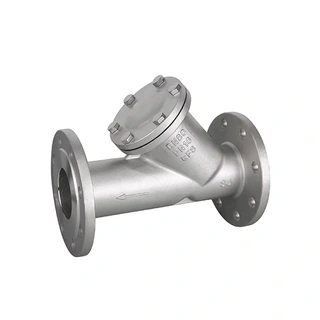
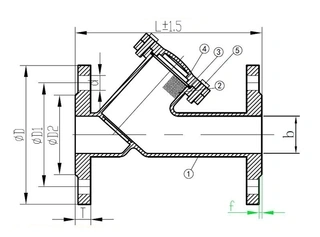
A Y type strainer is a mechanical filtration device installed in pipelines to remove solid particles from flowing liquids, gases, or steam. Its distinctive Y-shaped body houses a removable screen or mesh element that captures debris while allowing clean media to pass through.
The angled branch of the strainer contains the filtration element. As fluid flows through the strainer, contaminants become trapped within the screen, preventing them from reaching sensitive downstream equipment such as:
- Pumps
- Control valves
- Pressure regulators
- Flow meters
- Heat exchangers
- Compressors
- Turbines
- Instrumentation devices
Without proper filtration, these components may experience excessive wear, clogging, erosion, or complete failure.
The simplicity of the Y strainer design makes it one of the most cost-effective filtration solutions available for industrial piping systems.
Why Filtration Matters in Industrial Systems
Contaminants are introduced into pipeline systems from numerous sources, including:
- Pipe scale and rust
- Welding slag
- Construction debris
- Corrosion products
- Sand and sediment
- Process residues
- Foreign particles from storage tanks
Even small particles can cause significant operational problems.
Potential consequences include:
Equipment Damage
Hard particles can erode pump impellers, valve seats, and turbine blades, resulting in expensive repairs.
Reduced Efficiency
Deposits can restrict flow and reduce heat transfer efficiency in heat exchangers and boilers.
Instrument Failure
Sensitive measuring instruments can become clogged or damaged by contaminants.
Product Quality Issues
In pharmaceutical, food, and chemical industries, contamination can compromise product purity.
Increased Downtime
Unexpected shutdowns for cleaning and repairs can significantly increase operational costs.
Installing a properly selected Y type strainer minimizes these risks and improves overall system reliability.
Different Types of Y Type Strainers
Industrial applications require different filtration solutions. Manufacturers offer several Y strainer variations designed for specific operating conditions.
Standard Cast Y Strainers
Cast Y strainers are among the most common designs used in industrial facilities.
They are manufactured from materials such as:
- Cast iron
- Ductile iron
- Carbon steel
- Stainless steel
- Alloy steel
- Bronze
These strainers provide reliable filtration for general service applications involving water, steam, oil, and gas.
Advantages include:
- Cost-effectiveness
- High durability
- Easy installation
- Wide availability
Fabricated Y Strainers
Fabricated Y strainers are custom-built from plate and pipe materials rather than castings.
They are often selected for:
- Large diameter pipelines
- High-pressure services
- Specialized industrial processes
- Custom connection requirements
Benefits include:
- Flexible dimensions
- Enhanced strength
- Special material options
- Custom screen configurations
Fabricated designs are frequently found in refinery and petrochemical applications.
Perforated Screen Y Strainers
These strainers utilize perforated metal screens with precisely sized holes.
They are ideal for removing larger particles and debris while maintaining low pressure loss.
Common applications include:
- Cooling water systems
- Irrigation systems
- Industrial water treatment
- Pump protection
Perforated screens offer excellent strength and long service life.
Wire Mesh Y Strainers
Wire mesh screens provide finer filtration than perforated screens.
They are capable of capturing smaller particles and are often used in:
- Instrument protection
- Chemical processing
- Pharmaceutical production
- Fine filtration systems
Various mesh sizes allow operators to achieve specific filtration requirements.
Magnetic Y Type Strainers
Magnetic strainers incorporate high-strength permanent magnets inside the screen chamber.
These magnets attract and capture ferrous particles such as:
- Iron filings
- Rust particles
- Steel fragments
Industries benefiting from magnetic strainers include:
- Lubrication systems
- Hydraulic systems
- Metal processing
- Power generation
Magnetic filtration provides an additional layer of protection beyond conventional screening.
Self-Cleaning Y Strainers
Self-cleaning strainers are designed for applications with high contaminant loads.
These units feature automatic cleaning mechanisms such as:
- Backwashing systems
- Rotating brushes
- Scraper assemblies
Advantages include:
- Reduced maintenance
- Continuous operation
- Lower labor requirements
- Improved process efficiency
They are widely used in:
- Oil and gas production
- Water treatment facilities
- Power plants
- Mining operations
Key Factors When Choosing a Y Type Strainer
Selecting the right Y strainer requires careful evaluation of several critical factors.
Fluid Type
The nature of the process fluid directly affects strainer selection.
Common media include:
- Water
- Steam
- Natural gas
- Petroleum products
- Chemicals
- Compressed air
- Food-grade fluids
Each fluid presents unique challenges related to corrosion, viscosity, temperature, and contamination levels.
Material compatibility must always be verified before installation.
Operating Pressure
Pressure rating is one of the most important considerations.
The selected strainer must safely withstand maximum system pressure.
Common pressure classes include:
- Class 150
- Class 300
- Class 600
- Class 900
- Class 1500
- Class 2500
High-pressure applications often require forged steel or alloy steel strainers designed according to ASME and API standards.
Operating Temperature
Temperature significantly influences material performance.
Applications may range from:
- Cryogenic temperatures below -196°C
- Ambient conditions
- High-temperature steam exceeding 500°C
The strainer body, gasket, and screen materials must maintain structural integrity throughout the operating range.
Filtration Requirement
Determining the required filtration level is essential.
Fine filtration captures smaller particles but may increase pressure drop.
Typical filtration options include:
|
Screen Type |
Particle Size |
|
Coarse |
Above 1000 microns |
|
Medium |
250-1000 microns |
|
Fine |
50-250 microns |
|
Ultra Fine |
Below 50 microns |
Engineers should balance filtration efficiency with acceptable pressure loss.
Flow Rate
The strainer must accommodate system flow without creating excessive restriction.
Undersized strainers can cause:
- High pressure drop
- Reduced efficiency
- Increased maintenance frequency
Manufacturers provide flow coefficients and pressure-loss charts to assist proper sizing.
Material Selection of Y Type Strainer
Choosing the right construction material ensures long-term reliability.
Common materials include:
Cast Iron
Suitable for low-pressure water services.
Ductile Iron
Provides improved strength and impact resistance.
Carbon Steel
Ideal for oil, gas, and steam applications.
Stainless Steel
Offers superior corrosion resistance.
Duplex Stainless Steel
Excellent for seawater and aggressive environments.
Bronze
Widely used in marine and potable water systems.
Importance of Screen Selection
The screen is the heart of every Y strainer.
Selecting the appropriate screen involves evaluating:
- Particle size
- Contaminant type
- Flow characteristics
- Cleaning frequency
Common screen materials include:
- Stainless Steel 304
- Stainless Steel 316
- Duplex Stainless Steel
- Monel
- Hastelloy
Proper screen selection maximizes filtration performance while minimizing maintenance requirements.
Installation Best Practices
Even the highest-quality Y strainer can underperform if improperly installed.
Key installation guidelines include:
Correct Flow Direction
Always install the strainer according to the flow arrow marked on the body.
Proper Orientation
For liquid applications, the screen chamber should generally point downward.
For steam and gas service, alternative orientations may be recommended.
Adequate Clearance
Provide sufficient space around the blow-off plug and cover for maintenance access.
Pressure Monitoring
Install pressure gauges upstream and downstream to monitor pressure differential and identify screen blockage.
Drain Connections
Consider adding drain valves for easier cleaning and maintenance.
Maintenance of Y Strainers in Compressed Air Systems
Compressed air systems often contain contaminants including:
- Rust particles
- Pipe scale
- Moisture residues
- Compressor wear debris
Regular maintenance is essential for reliable performance.
Routine Inspection
Inspect the strainer periodically for:
- Corrosion
- Leaks
- Mechanical damage
- Excessive pressure drop
Visual inspections help identify potential problems before they become serious failures.
Screen Cleaning Procedure
Step 1: Isolate the System
Shut off the compressed air supply and safely relieve system pressure.
Step 2: Remove the Strainer
Disconnect the strainer carefully while preventing debris from entering the pipeline.
Step 3: Open the Cover
Remove the cap or cover according to manufacturer instructions.
Step 4: Extract the Screen
Carefully remove the filtration element.
Step 5: Clean the Screen
Use:
- Soft brushes
- Compressed air
- Approved cleaning solvents
Avoid damaging the mesh during cleaning.
Step 6: Inspect the Screen
Check for:
- Tears
- Deformation
- Corrosion
- Excessive wear
Replace damaged screens immediately.
Step 7: Reassemble
Install the cleaned or replacement screen and reassemble the strainer.
Step 8: Restore Operation
Gradually repressurize the system and inspect for leaks.
Common Problems and Troubleshooting
Excessive Pressure Drop
Possible causes:
- Clogged screen
- Undersized strainer
- Excessive contaminant loading
Solutions:
- Clean screen
- Increase maintenance frequency
- Upgrade strainer size
- Leakage
Possible causes:
- Damaged gasket
- Loose cover bolts
- Corroded housing
Solutions:
- Replace gaskets
- Retighten fasteners
- Repair or replace components
- Frequent Clogging
Possible causes:
- High contamination levels
- Incorrect screen selection
Solutions:
- Install larger screen area
- Consider self-cleaning models
- Improve upstream cleaning practices
Industry Applications of Y Type Strainers
Oil and Gas Industry
Y strainers protect:
- Control valves
- Compressors
- Pumps
- Flow meters
They are critical for maintaining production reliability.
Power Generation
Power plants use Y strainers in:
- Boiler feedwater systems
- Steam lines
- Cooling circuits
- Turbine protection systems
Reliable filtration improves plant efficiency and equipment lifespan.
Chemical Processing
Chemical facilities require precise filtration to prevent contamination and equipment damage.
Corrosion-resistant materials are often essential.
Water Treatment
Applications include:
- Pump protection
- Membrane pre-filtration
- Distribution systems
Strainers help maintain water quality and system efficiency.
HVAC Systems
Y strainers remove debris from chilled water and heating systems, preventing equipment fouling and improving energy efficiency.
Marine Applications
Ships and offshore platforms utilize Y strainers in:
- Seawater cooling systems
- Ballast systems
- Fuel lines
Corrosion-resistant alloys are commonly selected.
Future Trends in Y Strainer Technology
As industrial processes become increasingly automated, Y strainer technology continues to evolve.
Emerging trends include:
Smart Monitoring
Sensors continuously monitor pressure differential and provide predictive maintenance alerts.
Advanced Materials
New alloys and composite materials offer improved corrosion resistance and longer service life.
Automated Cleaning
Enhanced self-cleaning mechanisms reduce manual intervention and maintenance costs.
Digital Integration
Industrial Internet of Things (IIoT) platforms enable real-time monitoring and performance analysis.
Sustainable Design
Manufacturers are developing energy-efficient filtration solutions that reduce waste and improve operational sustainability.
Conclusion
Choosing the right Y Type Strainer is essential for protecting critical industrial equipment, maintaining process efficiency, and reducing operational costs. Factors such as fluid characteristics, operating conditions, filtration requirements, material compatibility, and maintenance accessibility must all be carefully evaluated during the selection process.
From standard cast designs and fabricated units to magnetic and self-cleaning models, modern Y strainers offer solutions for virtually every industrial application. Proper installation, regular inspection, and routine maintenance further ensure long-term reliability and optimal filtration performance.
As industries continue to pursue higher efficiency, automation, and sustainability, Y type strainers will remain a vital component in fluid handling systems worldwide, providing dependable protection against contamination while supporting safe and efficient operations across countless industrial sectors.
Send your message to this supplier
Related Articles from the Supplier
How to Choose the Right Strainer Material?
- Sep 16, 2024
How to Choose The Right Material for Valves
- Oct 18, 2024


Plug Valve vs. Ball Valve: How to Choose?
- Aug 26, 2025
How to Keep Newly Purchased Valves?
- Apr 23, 2021
Related Articles from China Manufacturers

How to choose the right diaper for your baby
- Feb 15, 2019

How to choose the right toys for your pet?
- Oct 12, 2021
How to Choose the Right Safe Lock
- Jul 11, 2024
How to Choose the Right Lock for Your Cabinet Doors
- Jul 27, 2024
How to Choose the Right Storage Tank Level Gauge
- May 19, 2026
Related Products Mentioned in the Article

Supplier Website
Source: https://www.weldonvalves.com/news/how-to-choose-the-right-y-type-strainer-for-industrial-applications.html